Keeping the bedroom on the cool side is considered most conducive for sleep, but the ideal temperature isn’t the same for everyone. Too hot, and we toss and turn; too cold, we shiver and likewise find it hard to drift off to sleep.
The general recommended room temperature range is between 60 and 67 degrees Fahrenheit, but a recent study found that older adults (over age 65) slept best when the range was even higher: 68 to 77 degrees Fahrenheit.
While electric blankets offer a cost-effective alternative to cranking the thermostat in the winter, keep in mind that being too warm may impede the natural temperature drop that occurs during sleep.
In general, “the quicker our body temperature falls, the quicker we fall asleep,” says Dr. Seema Khosla, medical director of the North Dakota Center for Sleep in Fargo.
Using your electric blanket all night long may also make it harder to stay asleep, given that excess heat reduces both Stage 3 (slow-wave) and REM (rapid eye movement) sleep. Additionally, if you find you’re restless because you’re feeling too hot, your sleep quality may be affected. Keep in mind, too, that if you’re using an electric blanket and also using a space heater or other form of ambient heating, the cumulative impact may affect your comfort (and, therefore, your sleep).
Finally, if you share a bed with someone else, you may find your partner’s predilection for a heated bed may be different than yours. “If you’re a hot sleeper, I think there’s a law that says you have to marry a cold sleeper,” Khosla jokes. (In this scenario, an electric blanket with dual controls may be useful.)
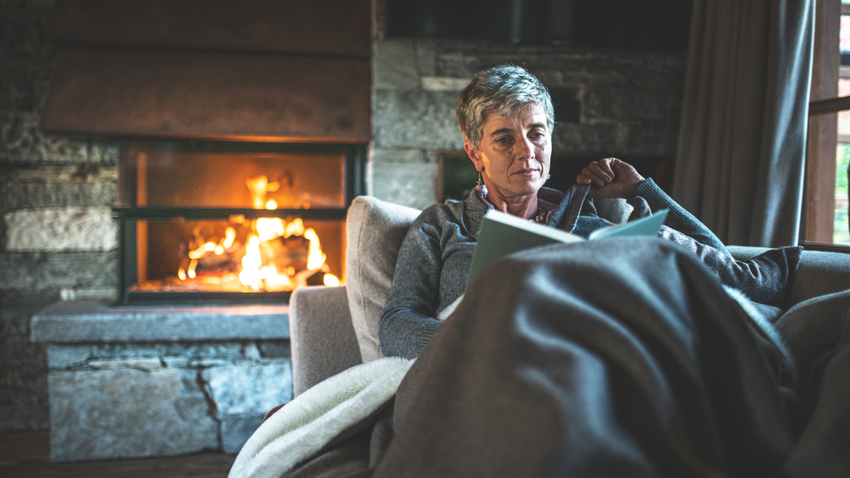
Other options include using an electric blanket as you’re preparing for bedtime, either as a way to heat up your bed ahead of time or to snuggle under while you’re on the couch watching television. “If you go into a cool bedroom after being warmed up with the blanket, your body temperature probably will fall faster,” Khosla explains. It’s the same principle behind taking a warm bath prior to bed; she notes that channeling heat away from the body’s core as part of the cooling-off process afterward helps facilitate this cool-down for sleep.