Sleep help products include nonmedicated bedding, comfort accessories and bedroom tools that support a more comfortable place to rest and a consistent bedtime routine. The term can also refer to over-the-counter antihistamines, supplements and prescription sleep medications, which have different uses, risks and safety considerations. A pharmacist or healthcare professional can answer questions about those options; bedding and bedroom accessories are intended to support comfort, not diagnose or treat a sleep disorder. For everyday comfort, the most useful choices address something specific: a pillow that leaves the neck tilted, a mattress surface that feels too firm or light that reaches the eyes before the alarm sounds. Pillows are an important part of that picture because their height, shape and fill affect how the head and neck rest in relation to the spine. Side sleepers often benefit from enough loft to fill the space between the shoulder and head, while back sleepers may prefer a profile that supports the neck without pushing the chin forward. Stomach sleepers generally need less height to avoid an exaggerated neck angle. These are starting points rather than fixed rules, since shoulder width, body shape and how deeply someone settles into the mattress all affect fit. Memory foam tends to contour under pressure, latex often has a more responsive feel and fiber fills can offer a softer, more compressible surface. An adjustable fill design may suit someone whose preferred pillow height changes between positions, although adjustment methods vary by construction. Support cushions can also provide a comfortable place to rest an arm or separate the knees, depending on the sleeper’s position and preferences. For someone who reads before bed or changes positions often, ease of repositioning matters alongside softness. The best match is not necessarily the thickest or plushest option; it is the one that feels comfortable in the position a person actually uses. Familiar preferences are especially helpful when choosing sleep accessories as a gift, since firmness, texture and pillow height are personal.
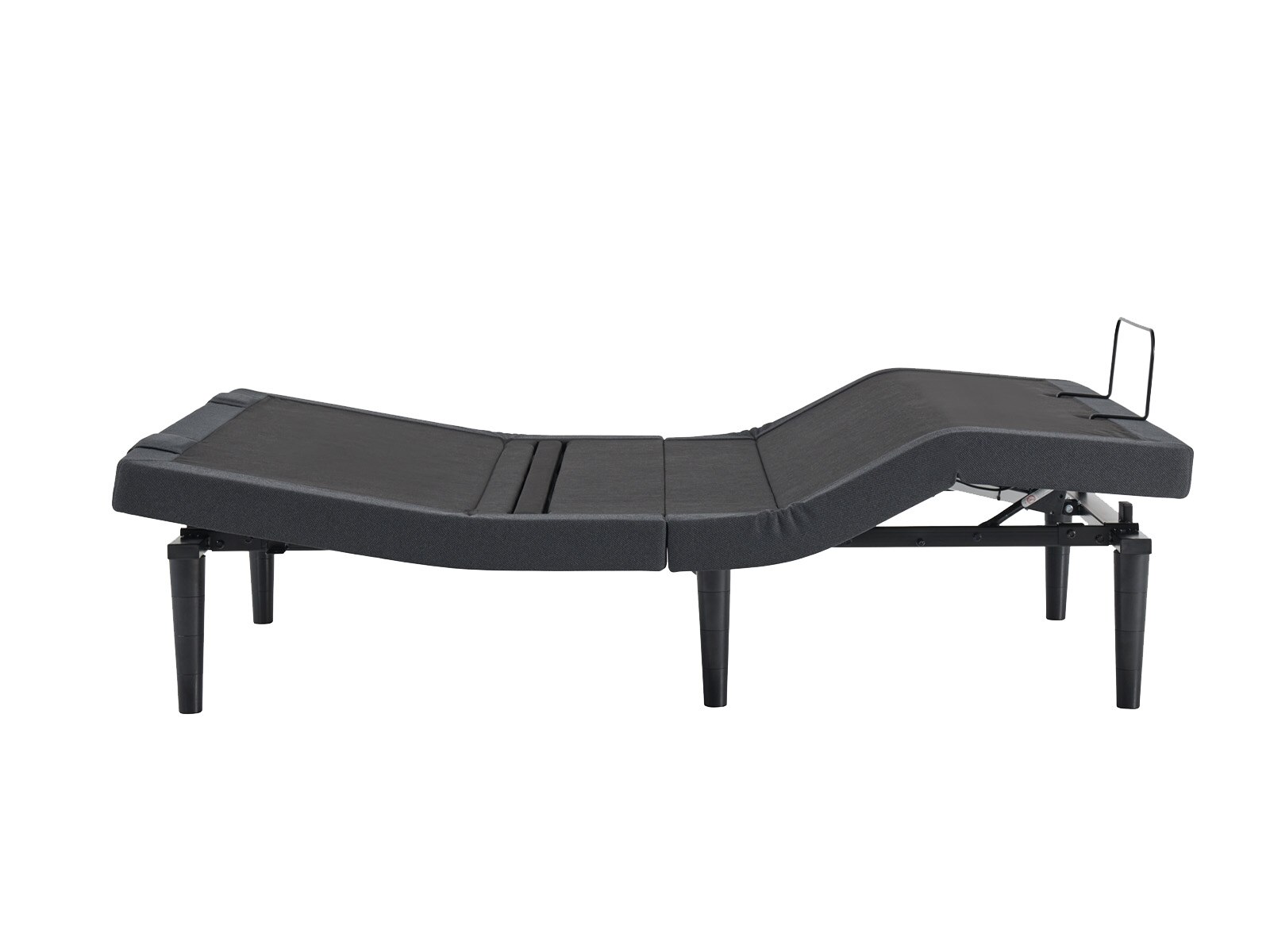
Materials and construction make a noticeable difference in how sleep help products feel over time. A mattress topper changes the feel of the sleep surface, while a mattress protector primarily creates a barrier between the mattress and everyday moisture, spills or debris. Neither should be expected to restore the underlying support of a worn or sagging mattress. Foam toppers typically provide a more defined contour, while fiber-filled designs offer cushioning that may need regular fluffing to maintain an even surface. Thickness alone does not determine comfort or durability; material quality, construction, frequency of use and proper support all matter. Fit deserves just as much attention as feel. A topper should match the mattress dimensions, and sheets or protectors need enough pocket depth to accommodate the full height of the mattress and any added layers. On an adjustable base, bedding should allow the mattress to bend without pulling loose or bunching tightly across the surface. Secure corner straps, elastic edges and compatible dimensions can help keep layers positioned, but the care and use instructions remain the best reference for a particular design. Fabric texture also changes the experience of getting into bed. Cotton can feel smooth or crisp depending on its weave, while textured fabrics may feel noticeably different against sensitive skin. Thread count is only one detail and does not replace information about fiber quality, weave or finishing. Removable, washable covers can simplify regular care, especially for bedding that touches the face or is used frequently. Washing and drying directions vary, and some foam components should never be submerged or placed in a dryer. Allowing cleaned materials to dry fully before covering them helps prevent trapped moisture. For a frequently used guest bed, a college bedroom or a shared household, straightforward care may be more valuable than decorative details. Durable seams, dependable closures and covers that are easy to remove all contribute to accessories that remain practical after the first few nights.
Bedroom accessories can also help address distractions that bedding alone cannot change. Light-blocking accessories may suit someone who rests during daylight hours, shares a room with a reader or notices light around the edges of curtains. Comfort depends on more than darkness: an eye covering should sit securely without pressing uncomfortably against the eyes, and its fastening should not create a bulky spot against the pillow. Sound-based devices offer another way to shape the bedroom environment. A steady background sound can make intermittent household noise less noticeable for some sleepers, although it does not remove noise or work equally well for everyone. Simple controls, adjustable volume and a timer may matter more in everyday use than a long list of settings. Devices should be positioned and operated according to their instructions, with essential alarms and household safety signals still audible. For connected accessories, compatibility, charging needs, privacy settings and the ability to dim or turn off displays are useful considerations. Sleep tracking features can provide estimates and reveal patterns, but they are not a substitute for a medical evaluation or a reliable diagnosis of a sleep condition. Explore
Sleep Technology Products for more ways technology can support the bedtime environment. These accessories tend to be most useful when they fit an existing routine rather than adding more tasks at the end of the day. A person winding down after an evening shift may value straightforward light control, while someone sharing a bedroom may prioritize quiet operation and settings that do not disturb a partner. For gifting, easy care and simple operation are thoughtful considerations, especially when the recipient’s exact comfort preferences are unknown. Persistent difficulty sleeping, breathing pauses or significant daytime drowsiness deserve attention from a healthcare professional. Sleep help products can support a comfortable setting for rest, but their role is to complement healthy habits and appropriate care, not promise a cure.