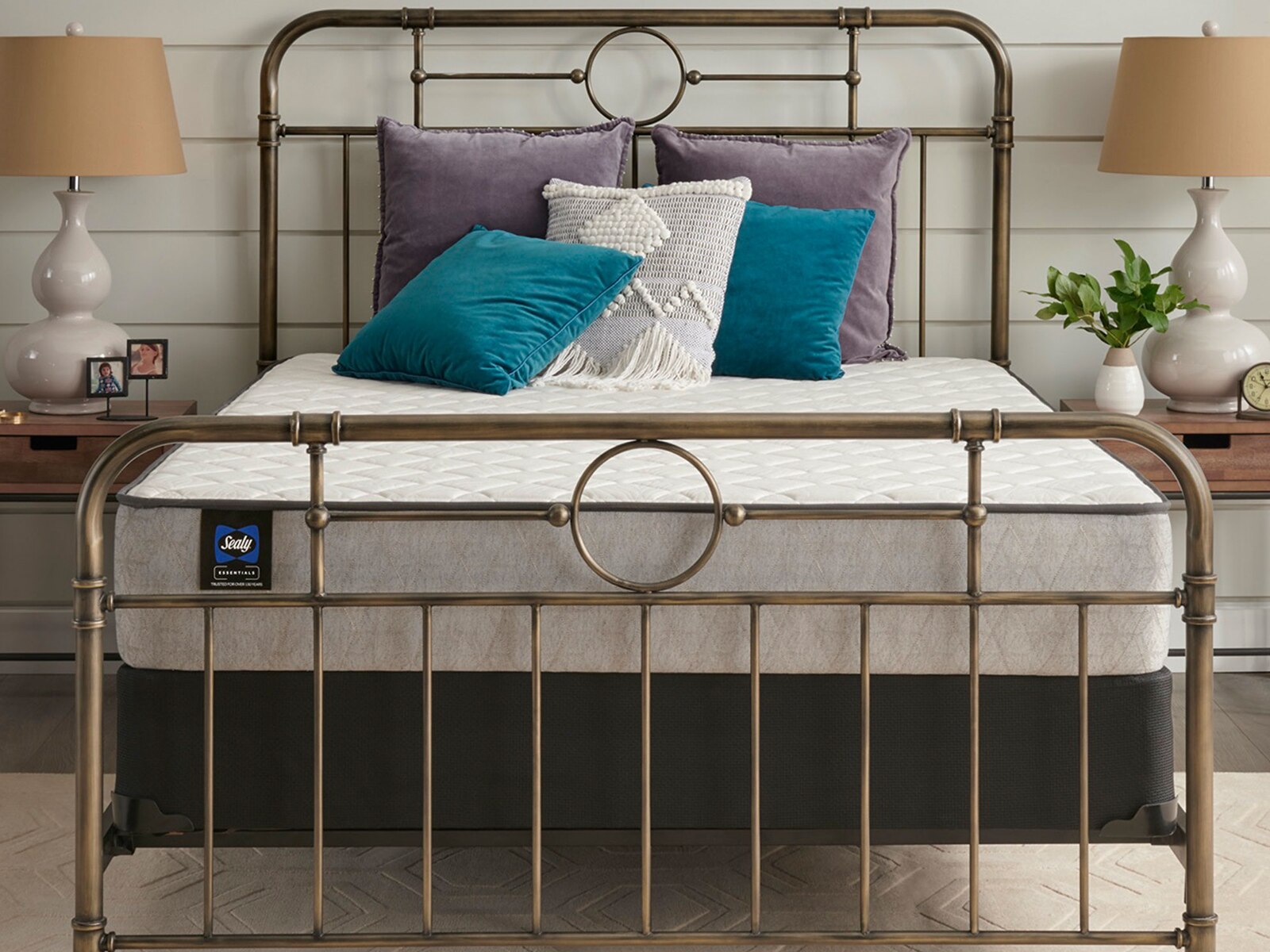
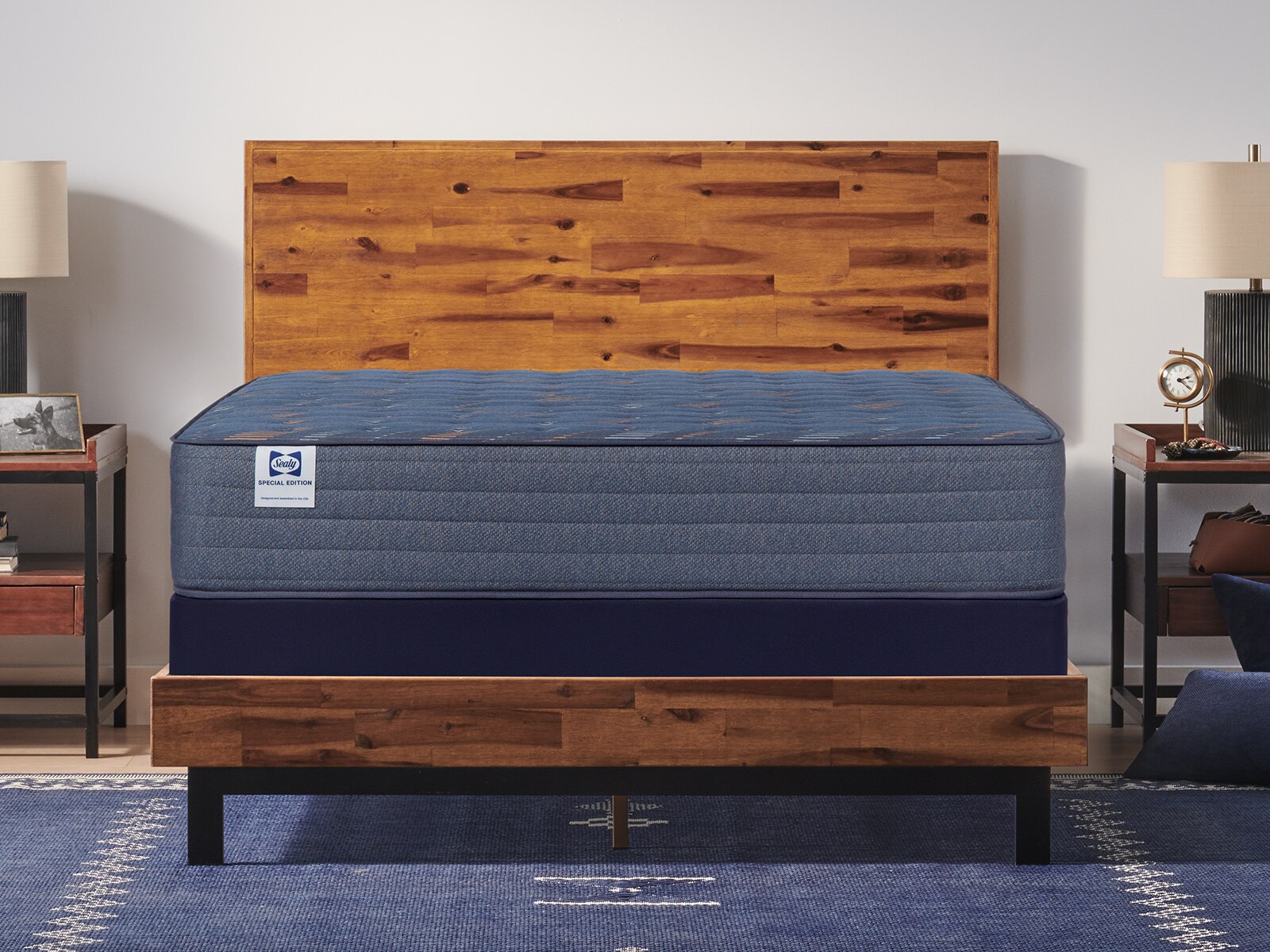
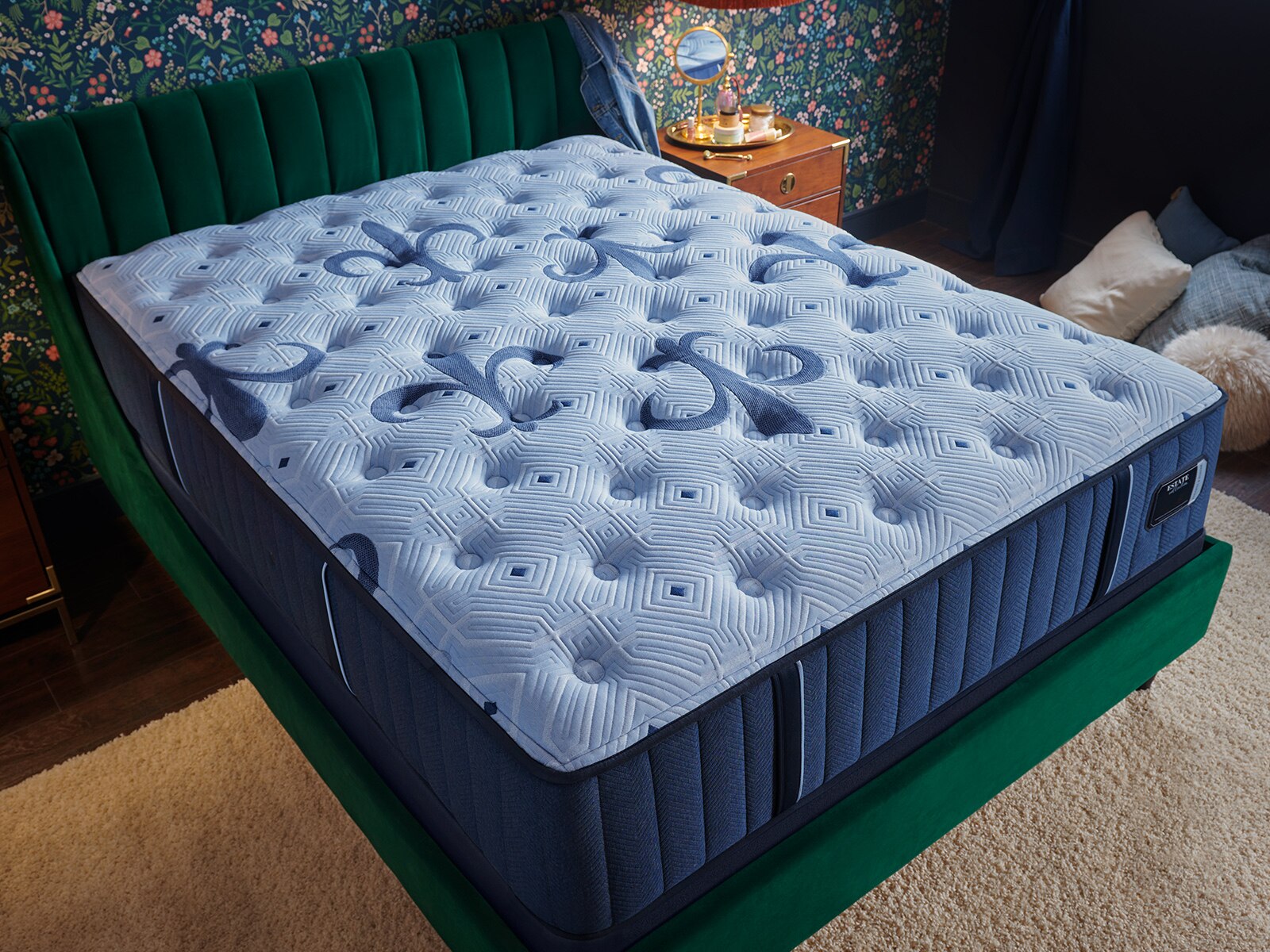
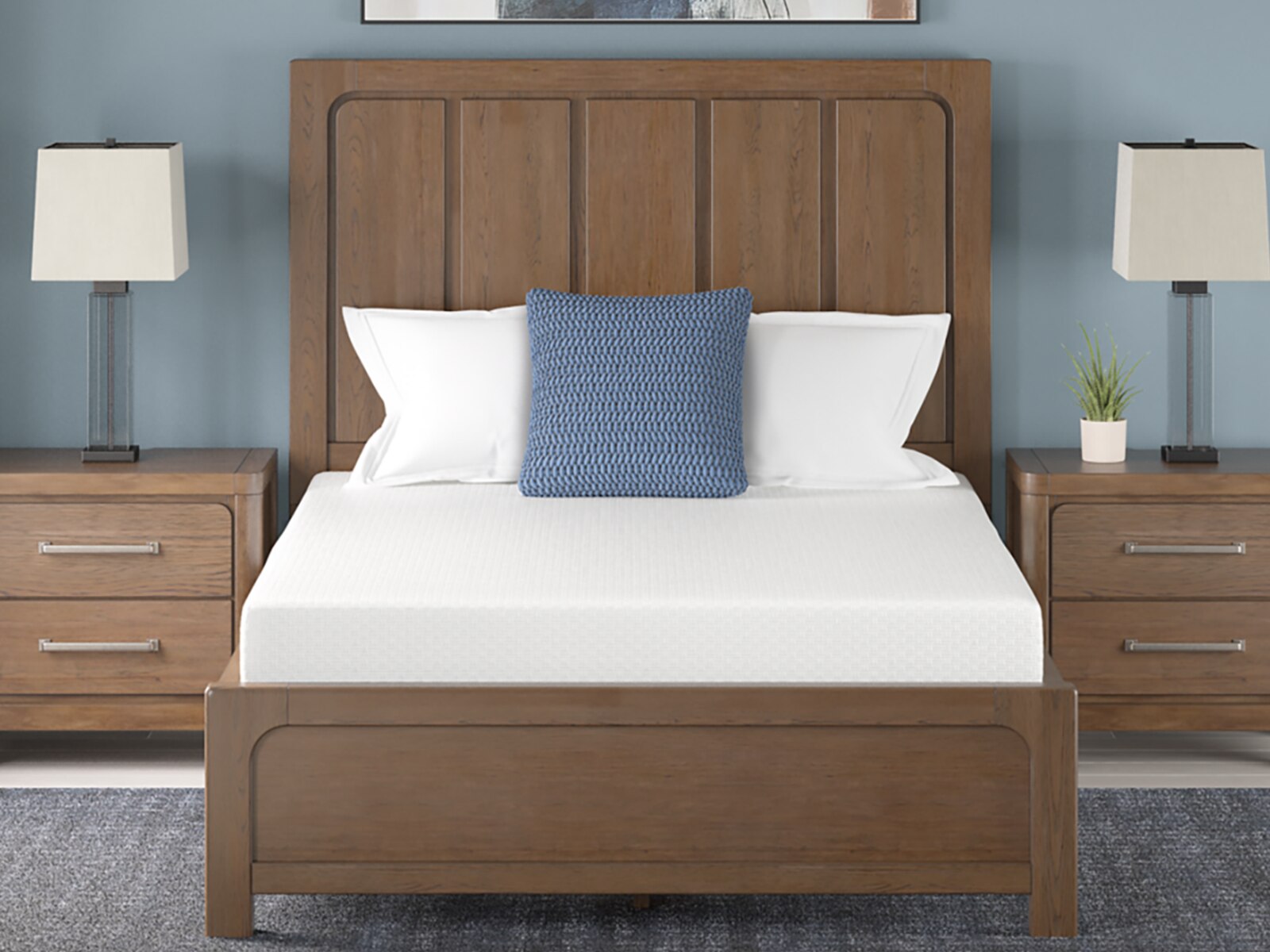
Comfortable back sleeping starts with a mattress and pillows that support the body without forcing it into a rigid position. For back sleepers, that usually means enough cushioning for the shoulders and hips, with steady support beneath the torso so the pelvis does not sink too deeply. A medium-firm mattress is a common starting point, but firmness alone does not determine whether a sleep surface feels right. Body weight, height, preferred cushioning and time spent in other sleeping positions all influence the fit. Someone who prefers a gently cradled feel may appreciate memory foam, which contours around the body and responds gradually to movement. Latex generally has a more buoyant feel, while mattresses with coils can offer a responsive foundation beneath layers of cushioning. Hybrid construction combines coils with foam or latex, giving back sleepers another way to balance contouring and ease of movement. The useful distinction is how those materials work together: a plush surface can still have a supportive core, and a firm surface can still leave uncomfortable pressure beneath the shoulders or hips. When lying on your back, the mattress should allow your hips and shoulders to settle comfortably while supporting the natural curve of your lower back. A deep dip beneath the hips or a feeling of being held stiffly above the surface can signal that the fit needs more consideration. Couples may also value motion isolation when one person changes position, along with edge support that makes getting into and out of bed feel steadier. For sleepers who alternate between their back and side, a balance of cushioning and support matters more than choosing firmness based on one position alone. Mattress size deserves attention, too. Enough room to rest with the arms comfortably at the sides can make a meaningful difference, especially when sharing the bed. The goal is a sleep surface that feels supportive through the night, not simply one that feels soft or firm at first touch.
Pillows for back sleepers have a different job from the mattress: they fill the space beneath the head and neck without lifting the chin toward the chest or letting the head tip too far backward. A medium-loft pillow can be a useful starting point, although the right height depends on body proportions and how far the shoulders settle into the mattress. Loft describes pillow height, but the height under the weight of your head matters more than how tall the pillow looks on a shelf. A pillow that compresses easily may feel much lower once you lie down, while a dense or contoured pillow may maintain more of its shape. Memory foam can provide close contouring, latex often offers a springier feel and fiber fill can provide a softer, more moldable cushion. Adjustable-fill pillows allow changes in height and fullness, which can help when a pillow feels almost right but holds the head a little too high. A comfortable fit generally leaves the face directed toward the ceiling and the neck resting naturally rather than sharply bent. Support beneath the knees can also be helpful. A small pillow or bolster under the knees creates a gentle bend in the legs and may reduce strain on the lower back while making it easier to relax. The cushion should feel supportive without pushing the legs into an exaggerated position. If the lower back feels unsupported, a thin lumbar cushion may add comfort for some sleepers, but extra thickness is not automatically better; it should not force a pronounced arch. These supports are intended to improve comfort, not hold someone in a position that feels unnatural. People who move between positions may prefer cushions that are easy to reposition rather than an arrangement that limits movement. Pillow covers and protectors also affect everyday use. Smooth fabrics, breathable construction and removable, washable covers can make a supportive pillow easier to keep fresh, particularly when it becomes part of a nightly routine.
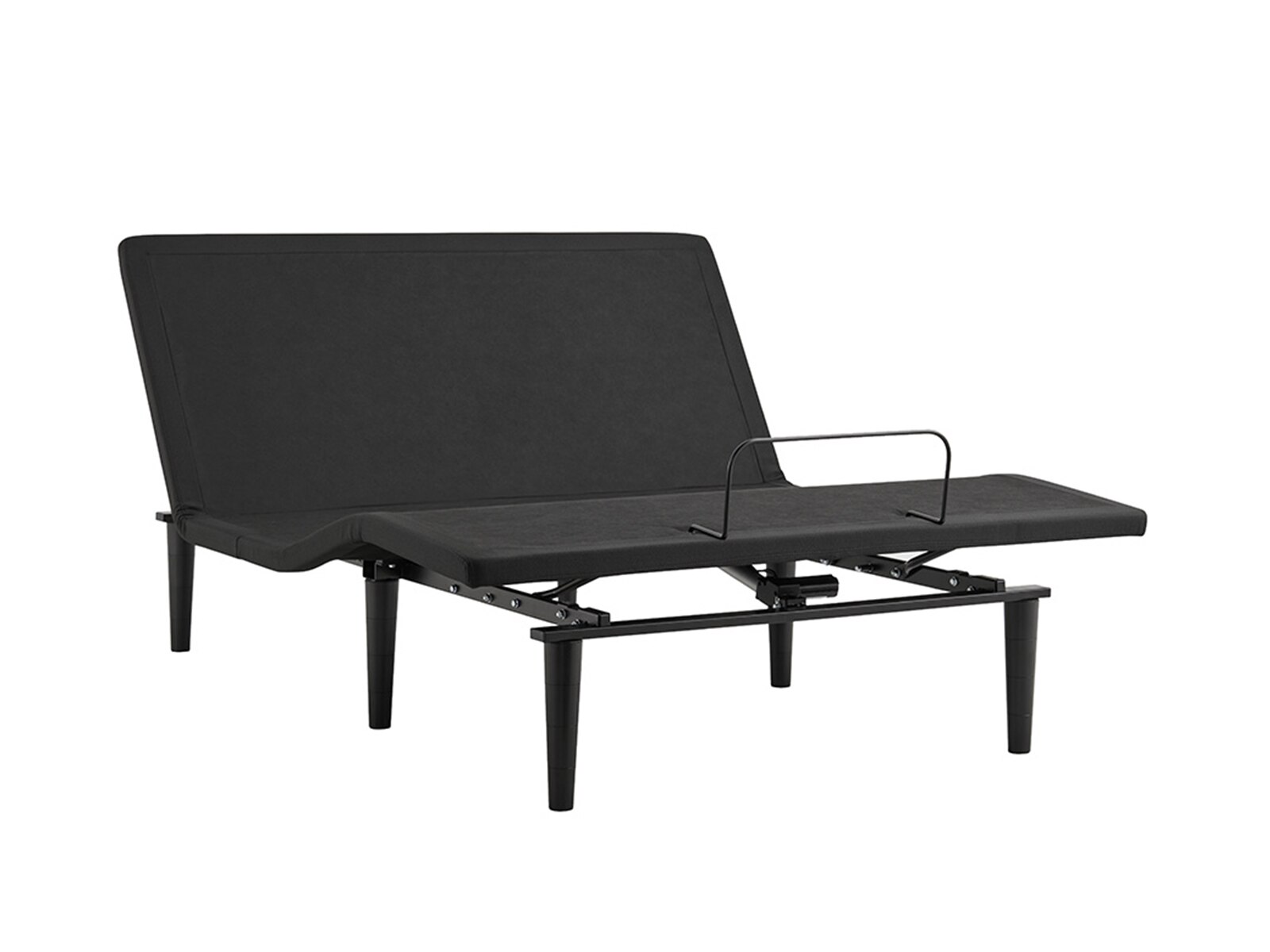
A complete setup for back sleepers also includes the foundation, bedding and care habits that help the mattress and pillows perform as intended. A compatible foundation supports the mattress evenly, while an adjustable base can offer options for gently elevating the upper body or knees when that position feels more comfortable. Compatibility matters because not every mattress is designed to bend with an adjustable base, and the manufacturer's requirements should guide the pairing. Elevation features are comfort options rather than treatments for a health condition. Back sleeping can worsen snoring or obstructive sleep apnea for some people, so persistent snoring, pauses in breathing or waking short of breath deserve attention from a healthcare professional rather than a different pillow alone. The same applies to ongoing back or neck pain and any sleep-position requirements after surgery. For everyday comfort, bedding should fit the mattress depth securely without pulling tight across its surface, especially when an adjustable base is in use. A protector can help shield the mattress from spills and routine wear, and a flexible design can preserve more of the cushioning feel beneath it. Care requirements vary by material: some pillow covers are machine washable while their foam or latex inserts are not, and mattresses should be cleaned according to their care instructions rather than saturated with water. Rotation may help distribute wear when recommended, but flipping is appropriate only for mattresses designed for use on both sides. Over time, lasting impressions, uneven support or a pillow that no longer holds its shape can change how the body rests, even if the bedding still looks tidy. These considerations are useful for dedicated back sleepers, combination sleepers and people furnishing a shared bedroom, where comfort needs may differ on each side of the bed. The
Sleep Solutions For Back Sleepers collection offers another place to explore this approach to nighttime comfort. Choosing compatible materials, manageable care requirements and a comfortable fit helps create a setup that supports familiar sleep habits without making bedtime feel complicated.