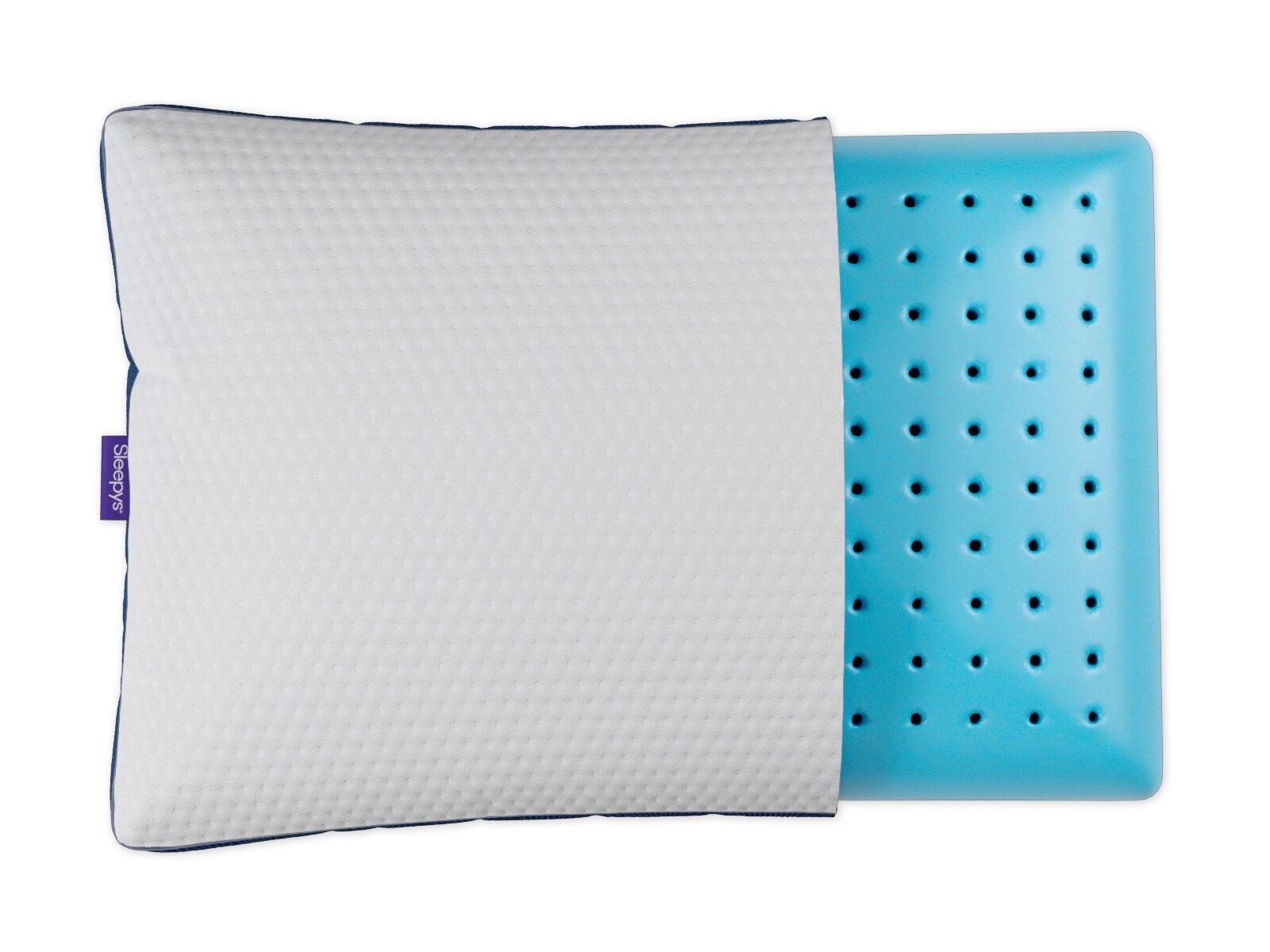
A low-loft pillow about two to three inches thick, with a soft to medium feel, is a good starting point for many stomach sleepers. Loft is the height of the pillow, but what matters most is how much height remains once your head settles. When you lie on your stomach with your head turned to one side, a tall or stiff pillow can lift your head away from the mattress and add an upward tilt to that turn. A thinner pillow that gives a little can cushion your cheek without propping up your head. Two pillows can measure the same on a shelf and feel nothing alike in bed: One may compress almost flat, while the other holds most of its height. Let your shoulders relax before judging the fit. If you usually tuck an arm under the pillow, try it that way, too. Your forearm adds height, so a pillow that looks thin on its own may feel tall in the position you actually sleep in. If your head feels tipped up or you keep pushing the pillow aside, less loft may feel more natural. If the pillow flattens until you can feel the mattress through it and you miss the cushioning, look for a slim profile with fill that holds its shape a little better. The goal isn’t to hold your neck perfectly straight while your head is turned. It’s to avoid adding more tilt than you need. The
Pillow for Stomach Sleepers collection is a place to compare profiles and fill types with that fit in mind.
The fill affects how a pillow feels at bedtime and how well it keeps its shape with regular use. Down and soft down alternative fills tend to compress readily, which can suit stomach sleepers who like to nudge the pillow into place under one cheek. If you tend to fold a pillow in half, notice whether that extra layer lifts your head higher than you intended. Solid memory foam generally keeps a more uniform shape and contours under the head. With that type of fill, it makes sense to start with a slim profile rather than count on a thick pillow to flatten. Shredded foam is easier to shift around, and a pillow with removable fill lets you adjust the height in small steps. After taking some fill out, spread what’s left from edge to edge before trying the pillow again. A thin spot in the middle and a ridge of fill along the edge can make the pillow feel higher when you turn your head. That adjustability can also be useful if you’re choosing a gift for someone who sleeps on their stomach but hasn’t settled on a preferred pillow height. For everyday care, a removable, washable cover is practical on a pillow that spends hours against your cheek. Check the care label for the cover and insert separately. The cover may go in the washer even when the foam inside should only be spot cleaned. If the label allows washing a down or fiber insert, let it dry completely before putting it back on the bed. As the pillow ages, look for changes you can feel, such as a hollow that no longer fills out, clumps that won’t redistribute or a loss of cushioning that leaves you folding the pillow for support.
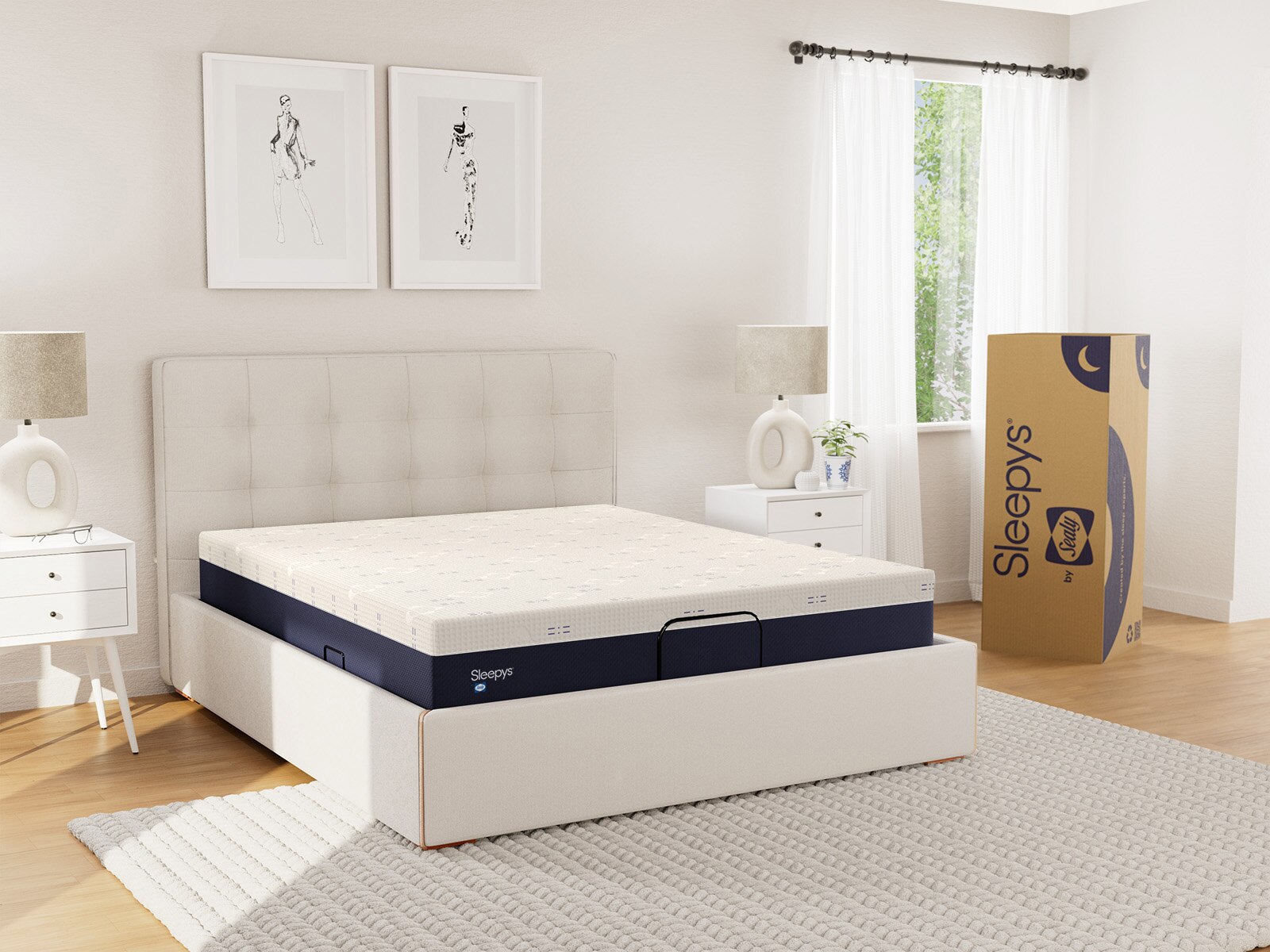
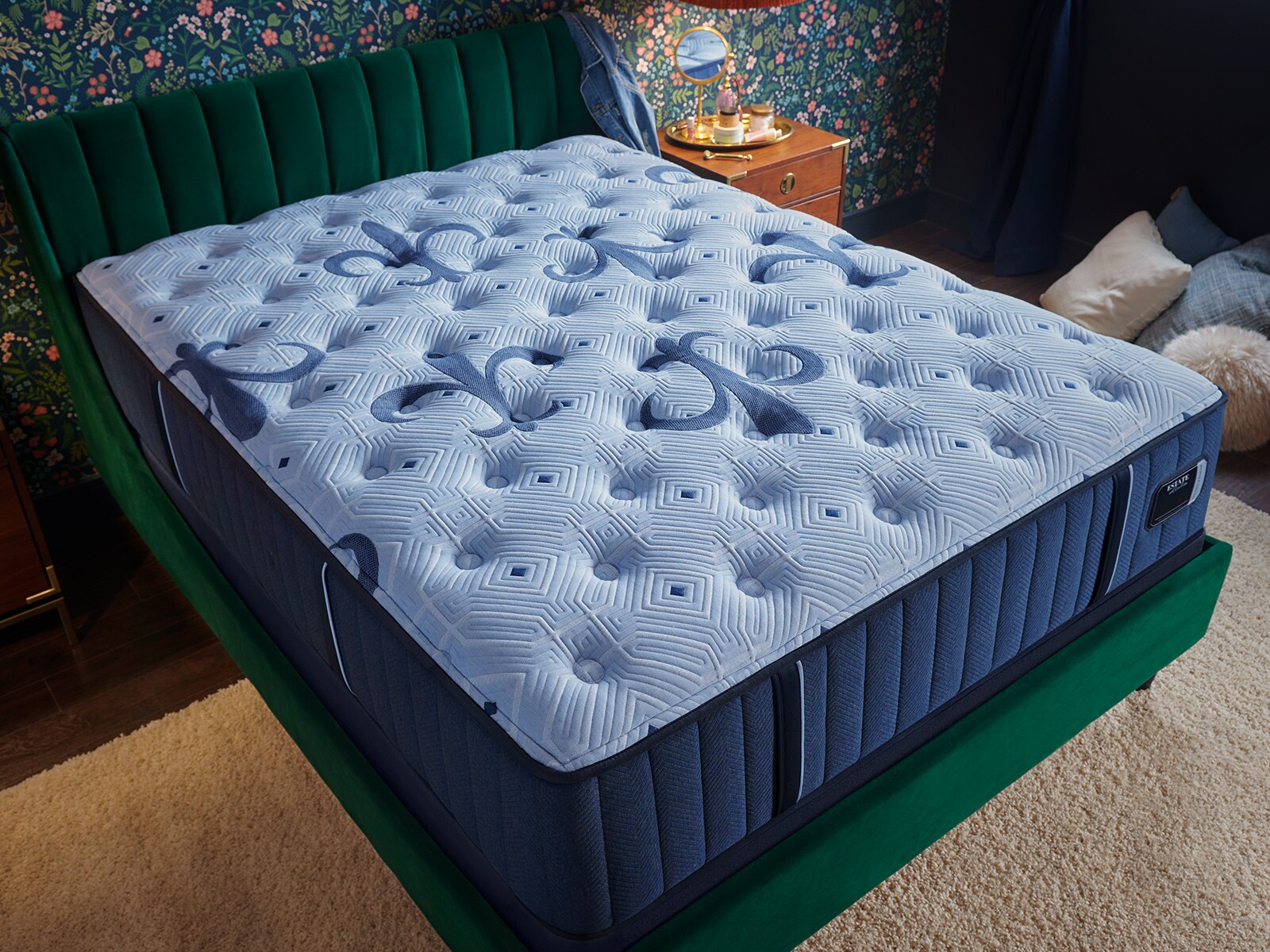
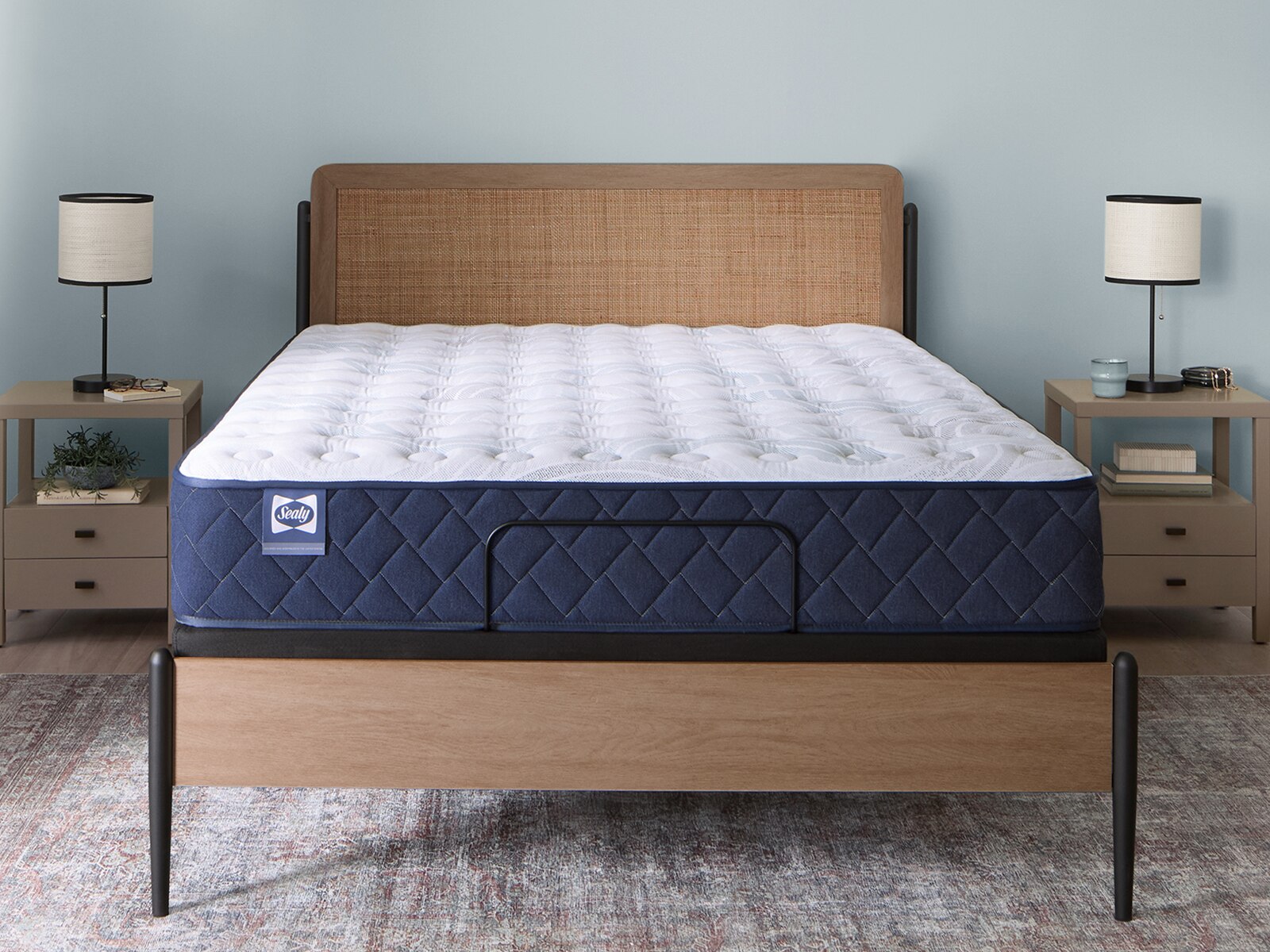
Support for stomach sleepers also depends on what happens at the hips and midsection when you lie face down. If that area sinks much deeper than the chest and legs, your lower back may feel more arched. A medium-firm to firm mattress can be a useful starting point, but how evenly the surface holds your weight tells you more than the firmness label alone. The top can cushion the ribs and hips without letting the middle of the body settle too far. Neither foam nor coils guarantee that balance. A foam mattress can feel steady or deeply contouring, and a mattress with coils can feel firm or plush depending on the layers above them. The same goes for a topper. A thick, soft layer may feel comfortable when you sit on the edge, yet let your hips sink more than you’d like when you stretch out. When trying a sleep surface, spend a few minutes in the position you tend to wake up in, not just the one you start in. If you roll from your stomach to your side, you may want some give at the shoulder and a pillow with fill you can shift to bridge the larger gap between your head and the mattress. On a shared bed, consider how the surface feels to both people. Body weight and sleep position affect how far each person sinks into the same mattress, and matching pillows aren’t necessary for both sleepers to get comfortable. To help the mattress hold up with regular use, place it on the type of base it was designed for and follow its care directions for rotation. If there’s a dip where your hips rest that stays visible after you get up, check both the mattress and its base. A pillow can change how your head rests, but it can’t make up for a sleep surface that no longer supports your midsection evenly.