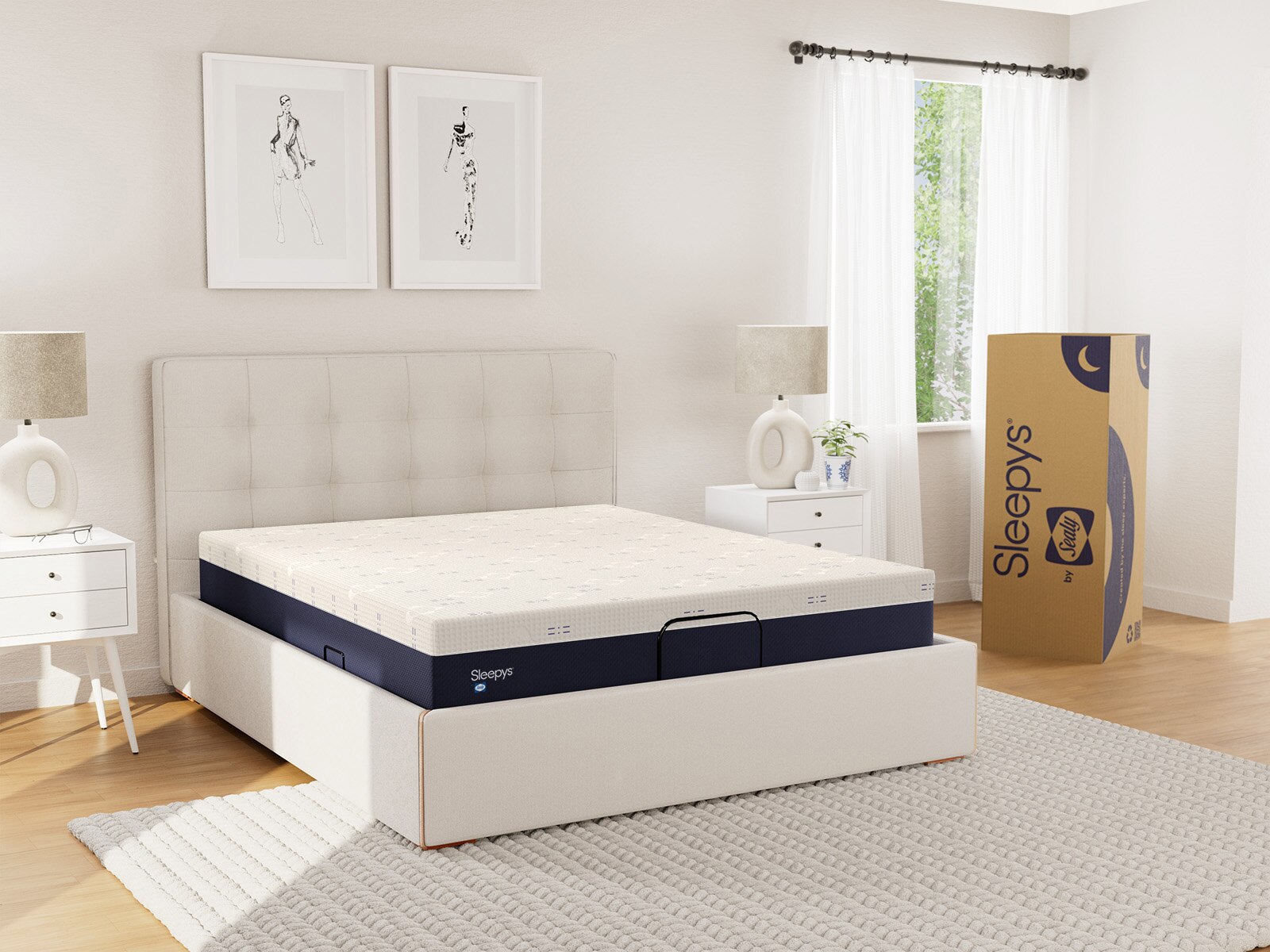
A mattress that supports comfortable side sleeping can be a helpful part of a sleep setup for someone who snores, particularly when snoring happens mainly while lying on the back. The mattress itself does not stop snoring; its role is to provide support and pressure relief that make a suitable sleeping position easier to maintain. Side sleeping may reduce positional snoring for some people, and a surface that cushions the shoulders and hips can make that position feel more natural. For example, a sleeper who feels pressure building beneath one shoulder may repeatedly roll onto their back to get comfortable. A mattress with enough contouring to ease that pressure, supported by a stable core, may make settling on their side more comfortable. When comparing mattresses for snoring, firmness is best considered alongside body size, preferred position and personal comfort rather than treated as a universal prescription. Medium to medium-firm mattresses can be a useful starting point, but a lighter side sleeper may need a softer surface to achieve adequate cushioning. Someone with a heavier build may need a firmer support system to keep the pelvis from settling too deeply. The goal is balanced support: shoulders and hips have room to settle while the waist remains supported and the spine rests in a relatively neutral position. A mattress that feels hard beneath the shoulder is not necessarily more supportive, just as a deeply plush surface is not automatically better at relieving pressure. For people who alternate between side and back sleeping, a surface that allows comfortable movement matters, too. Changing position should not require pushing out of a deep impression. These considerations make the mattress relevant to everyday comfort without suggesting that a particular firmness, material or construction can guarantee quieter breathing.
Materials affect how that balance feels over the course of a night. Memory foam responds gradually to body weight and can distribute pressure across the shoulder and hip rather than concentrating it in a small area. Its close contouring may appeal to side sleepers, while those who turn frequently may prefer a more responsive comfort layer. Latex generally has a buoyant feel, cushioning the body while recovering quickly when the sleeper moves. Hybrid mattresses combine foam or latex comfort layers with a coil support system, creating a mix of cushioning and responsiveness. Innerspring designs often have a more lifted feel, though their suitability for side sleeping depends partly on the amount and type of cushioning above the coils. No material is inherently a solution for snoring, so the most useful comparison is how each construction supports the person using it. Someone with broader shoulders may need more room to settle through the upper comfort layers, while someone who carries more weight around the midsection may benefit from stronger support beneath the hips. For couples, motion isolation can help limit the disturbance from a partner turning over or getting out of bed, although it does not block the sound of snoring. Stable edge support can also make more of the surface feel usable when two people prefer some space between them. Mattress size deserves similar attention. A queen may suit a couple who sleep comfortably close together, while a king provides more room to reposition without crowding a partner. A split king typically uses two Twin XL mattresses within a king-size footprint, allowing each person to choose a separate comfort preference and, with a compatible adjustable base, change positions independently. Room dimensions, bedding fit and the space needed to move around the bed remain practical parts of choosing a setup that works beyond the first night.
Compatible mattresses can also be paired with
Adjustable Bed Bases For Snoring to allow the upper body to be raised rather than kept completely flat. Upper-body elevation may help reduce positional snoring for some people, but results vary and the mattress must be designed to flex with the base. Compatibility should be confirmed in the mattress and base specifications, including any requirements for thickness, construction and support. A flexible mattress should follow the base as it moves without bridging awkwardly over the bend or bunching beneath the sleeper. Pillow fit matters alongside that positioning. For side sleeping, the pillow should fill the space between the head and mattress without pushing the neck sharply upward or letting it drop toward the shoulder. That space changes with shoulder width and how deeply the body settles into the mattress, so a pillow that worked on a firm surface may feel different on a more cushioning one. Stacking pillows is not the same as raising the upper body with an adjustable base and may leave the neck bent uncomfortably. To preserve the mattress’s feel and condition, use the support system specified by the manufacturer, follow rotation instructions where applicable and avoid flipping a mattress unless its design allows it. A properly fitted protector can help manage spills and everyday moisture; check whether the mattress cover is removable before attempting to wash it. Lasting comfort depends on construction quality and appropriate support, not simply mattress height or an initially plush feel. Persistent impressions, uneven support or growing discomfort can signal that the surface is no longer meeting the sleeper’s needs. Most importantly, snoring accompanied by breathing pauses, gasping or substantial daytime sleepiness warrants evaluation by a healthcare professional. A mattress is not a treatment for obstructive sleep apnea and should not replace prescribed care. Its value is in creating a supportive, comfortable foundation for the sleeping positions and bedtime setup that suit the individual.