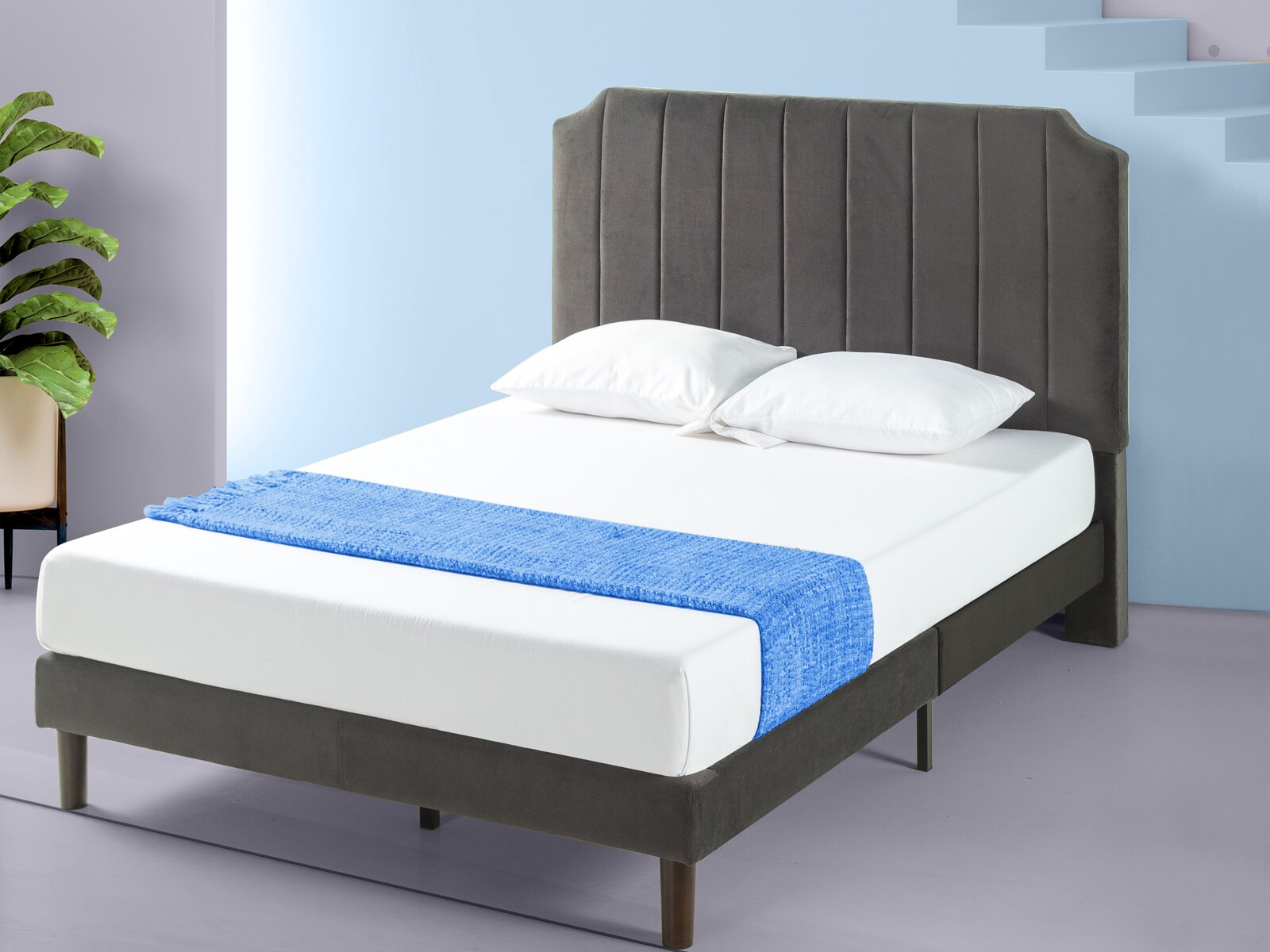
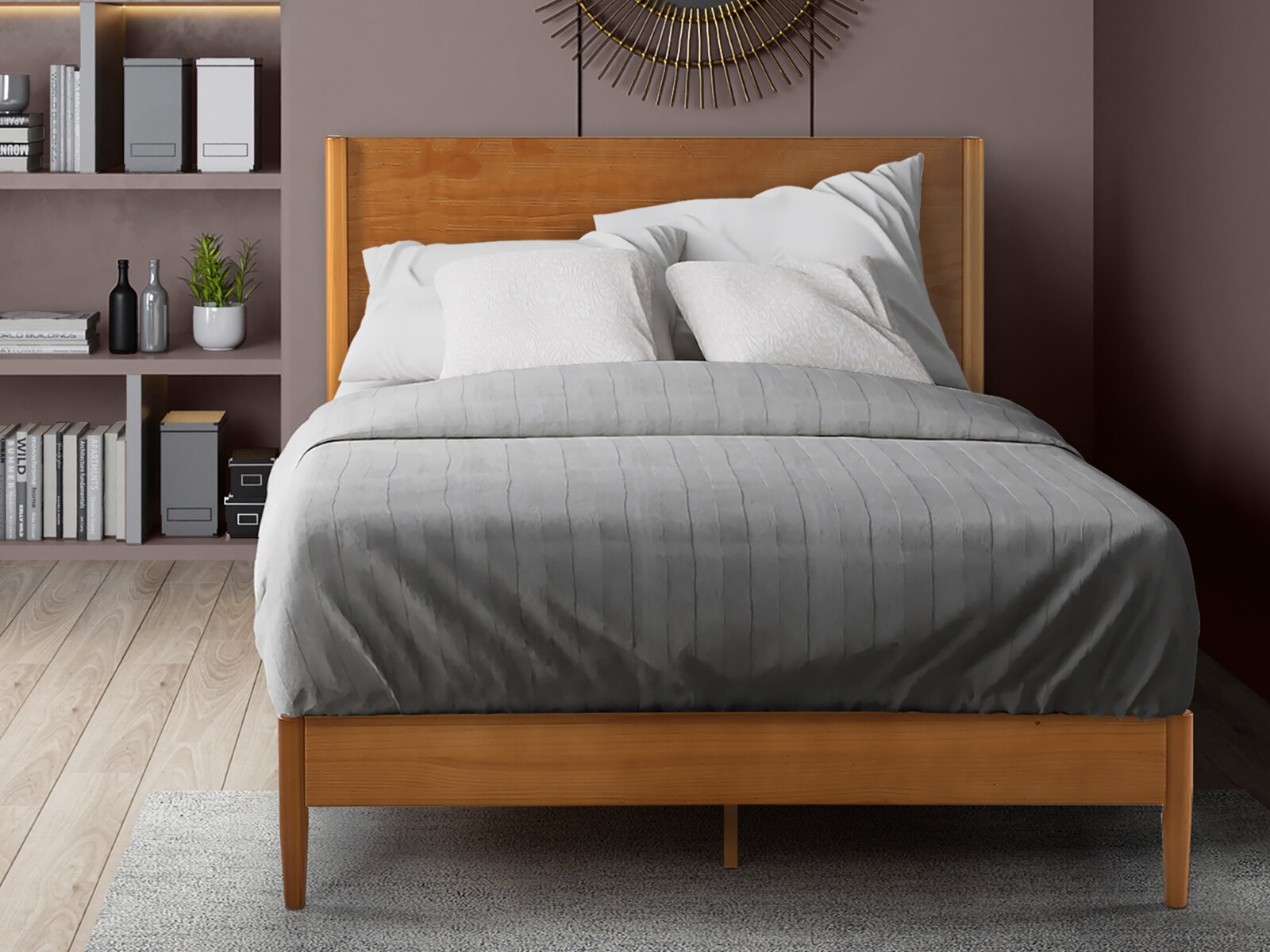
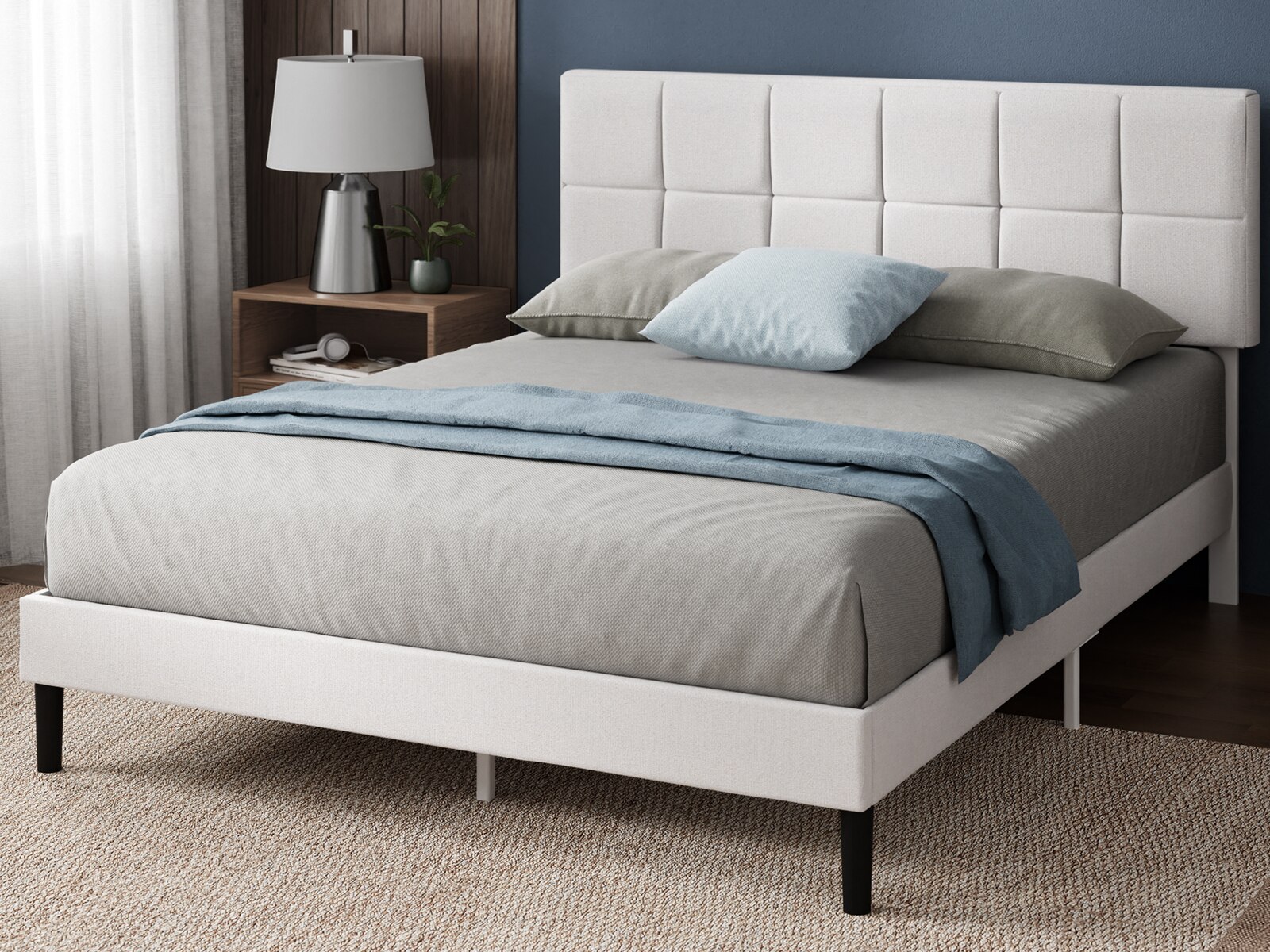
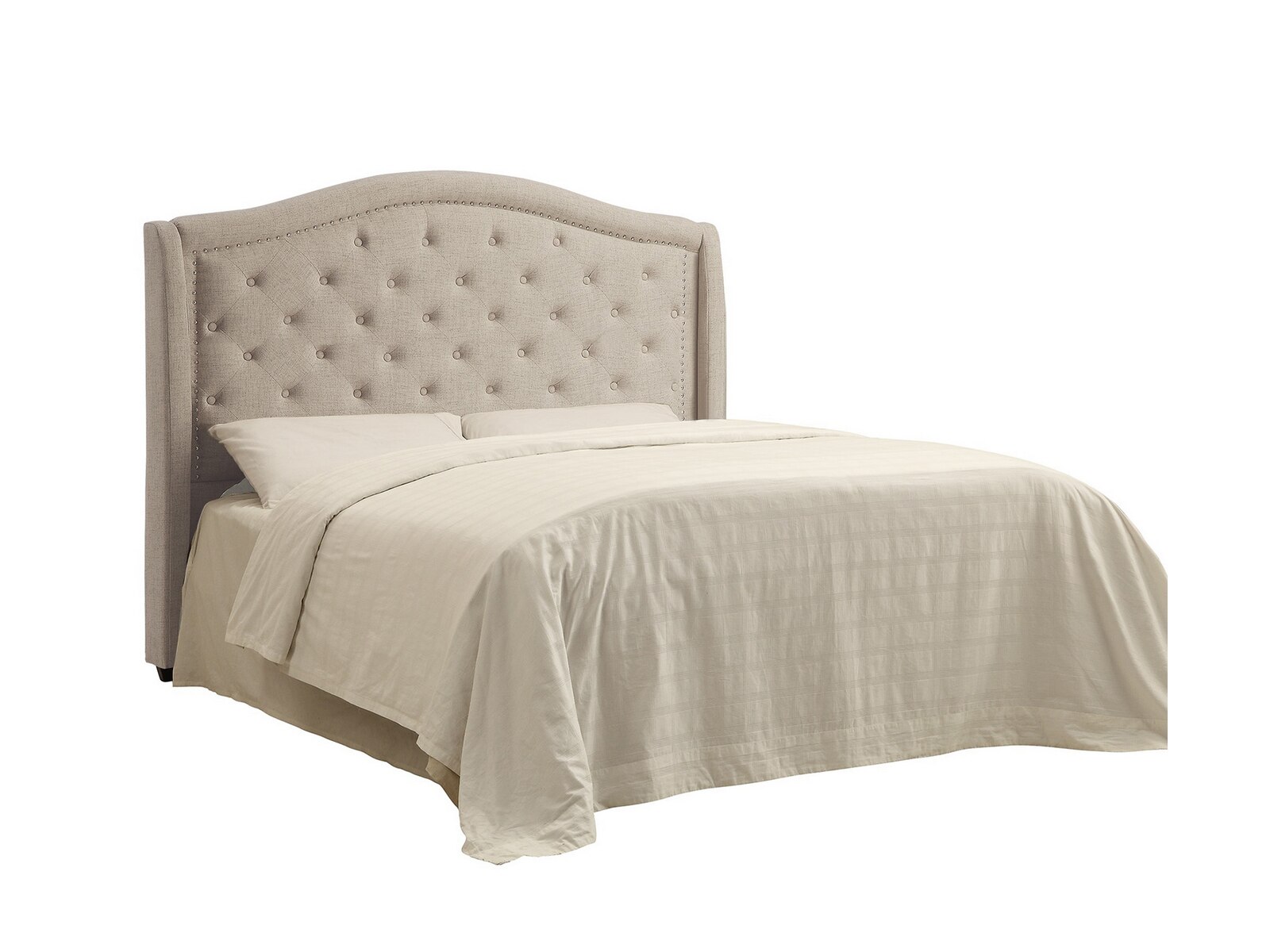
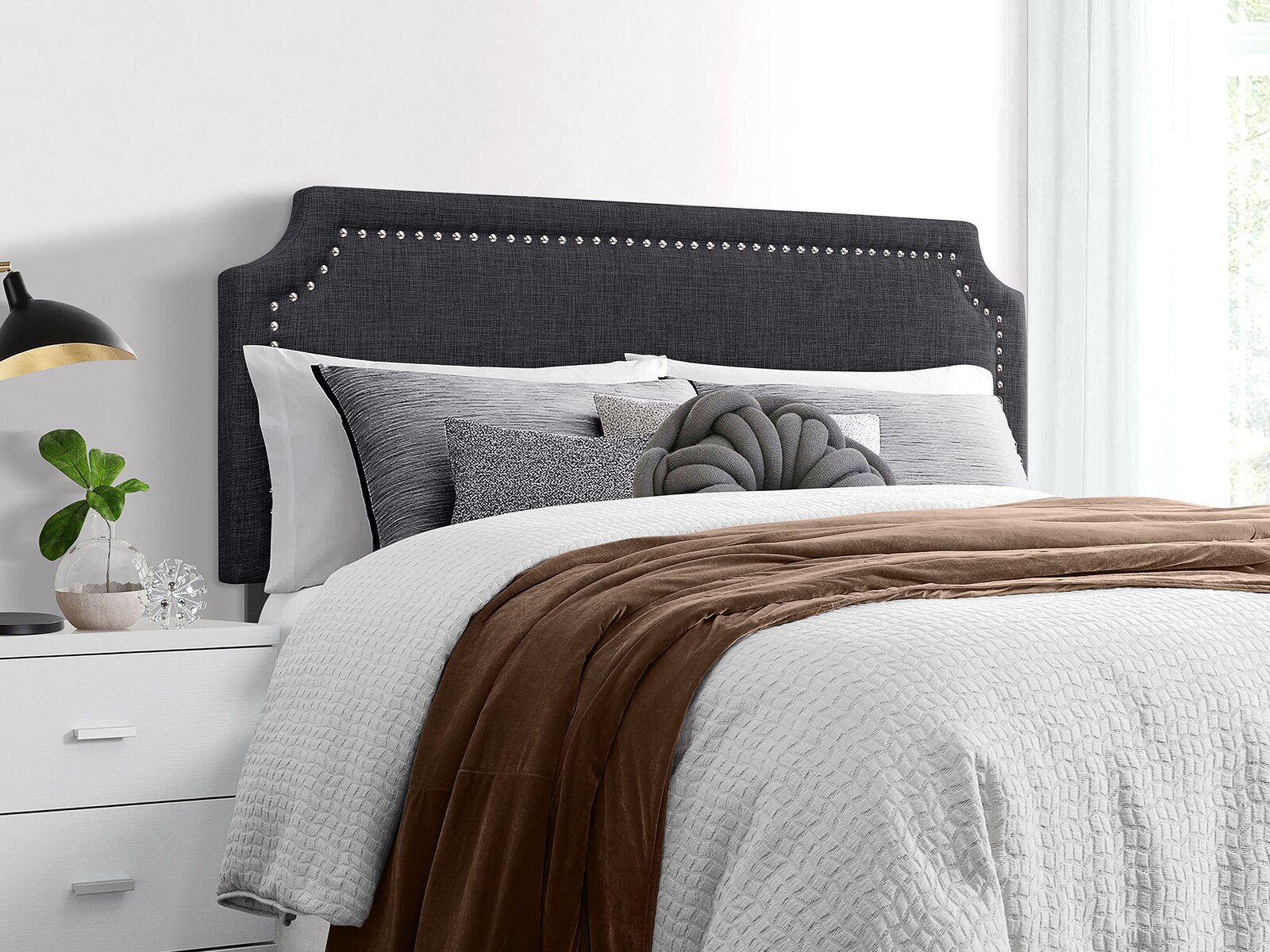
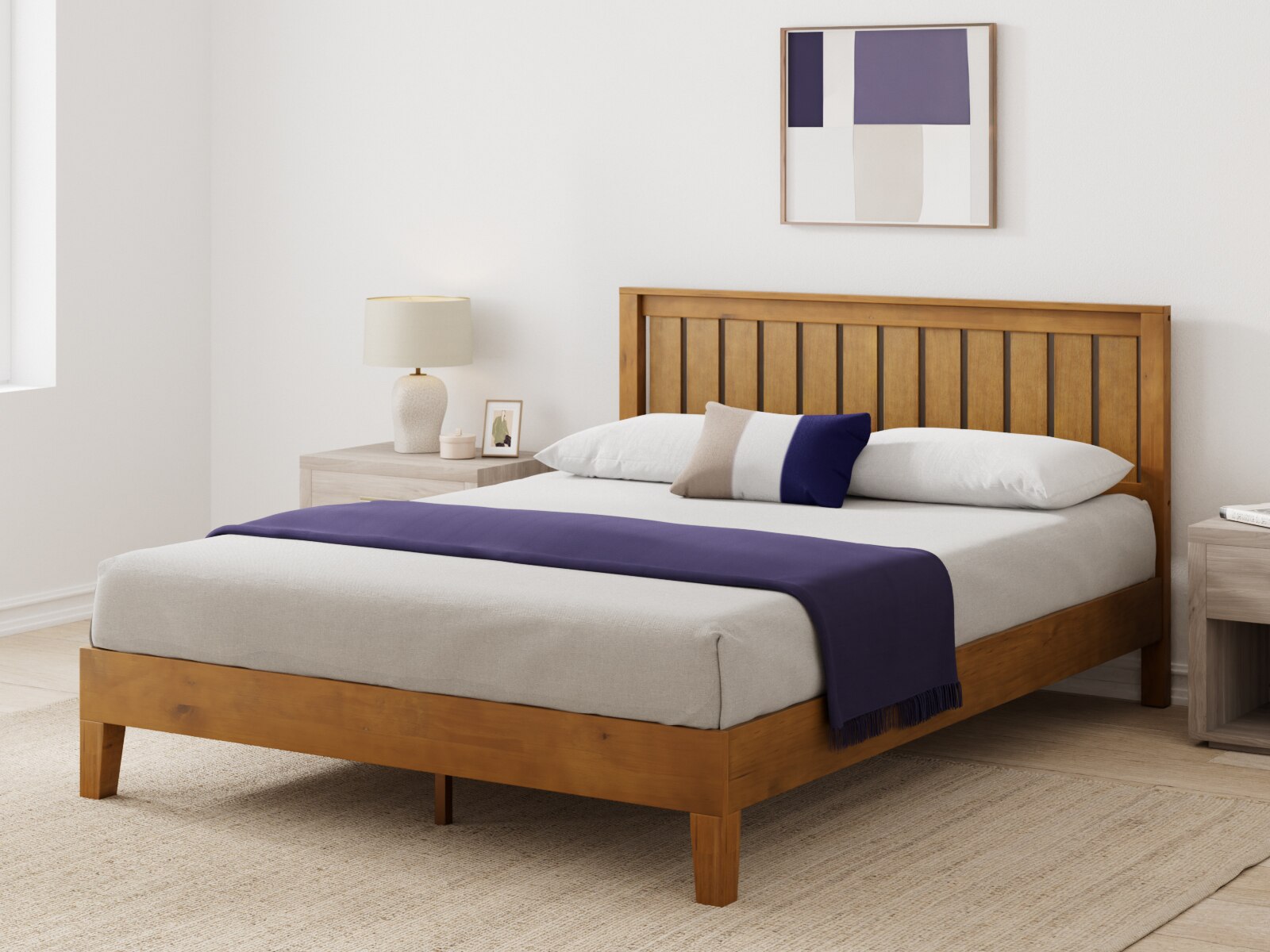
Full size headboard beds pair a full mattress, typically 54 inches wide and 75 inches long, with a headboard that gives the bed a finished look and a defined place in the room. A full size headboard often measures about 56 inches wide, although the exact width varies with its shape, trim and construction. Some extend only slightly beyond the mattress, while others create a broader backdrop with wings or substantial posts. The bed’s overall dimensions matter more than the mattress measurements alone, especially in a bedroom where a dresser drawer needs room to open or a closet door swings toward the foot of the bed. A full bed can be a comfortable fit for one adult, a teenager moving into a larger bed or a guest bedroom that also serves another purpose. For two adults, its narrower sleeping surface may feel close, making individual space preferences worth considering. The headboard adds visual height without necessarily requiring the floor space of a larger mattress, helping a modest bedroom feel furnished rather than crowded. A low-profile design can sit comfortably beneath artwork, while a taller headboard creates a stronger focal point against an open wall. Mattress thickness also changes the finished appearance: a deeper mattress can cover much of a shorter headboard, while a thinner mattress may leave more of the panel visible. Adjustable headboard heights can help accommodate those differences when the design includes them. In a room with a window behind the bed, the headboard’s height and placement affect access to the sill, curtains and window hardware. Nightstand height deserves attention, too, since a bed that sits higher or lower than expected can make a bedside lamp or glass of water awkward to reach. Together, these details help determine whether a full size bed with a headboard feels balanced in the room and comfortable in everyday use.
Materials give full size headboard beds much of their character, from the visible grain of wood to the softer outline of fabric upholstery. Solid wood brings natural variation, and its long-term appearance depends on the species, finish, construction and care rather than the material name alone. Wood veneers over engineered wood can create a consistent surface and a clean profile; well-finished edges and secure joints contribute to how the bed holds up through regular use. Metal frames often have slimmer rails and open headboard designs that leave more of the wall visible, a useful visual effect in a compact bedroom. Their finish, connections and support structure influence durability, while properly tightened hardware helps limit movement and noise. Upholstered headboards introduce texture through woven fabric, smooth coverings, channel stitching or tufted details. Padding can create a more comfortable surface behind pillows when reading before sleep, although the headboard should only be used in ways its construction is designed to support. A tightly woven fabric may be easier to vacuum than a deeply textured surface, while decorative folds and tufting need extra attention where dust collects. In a home with pets, fabric texture, exposed corners and the ease of removing hair can matter as much as color. For a frequently used guest room, a straightforward silhouette with accessible surfaces can simplify upkeep between visits. The shape of the footboard also changes the experience of the bed: an open end can make movement easier in a narrow room, while a matching footboard gives the mattress a more enclosed appearance. Rounded edges may be more comfortable along a close walking path. A headboard with built-in storage can keep a book or small essentials nearby, but the depth of the shelving adds to the bed’s footprint. Decorative ledges and shelves also have their own weight limits, so they should not be treated as seating or support.
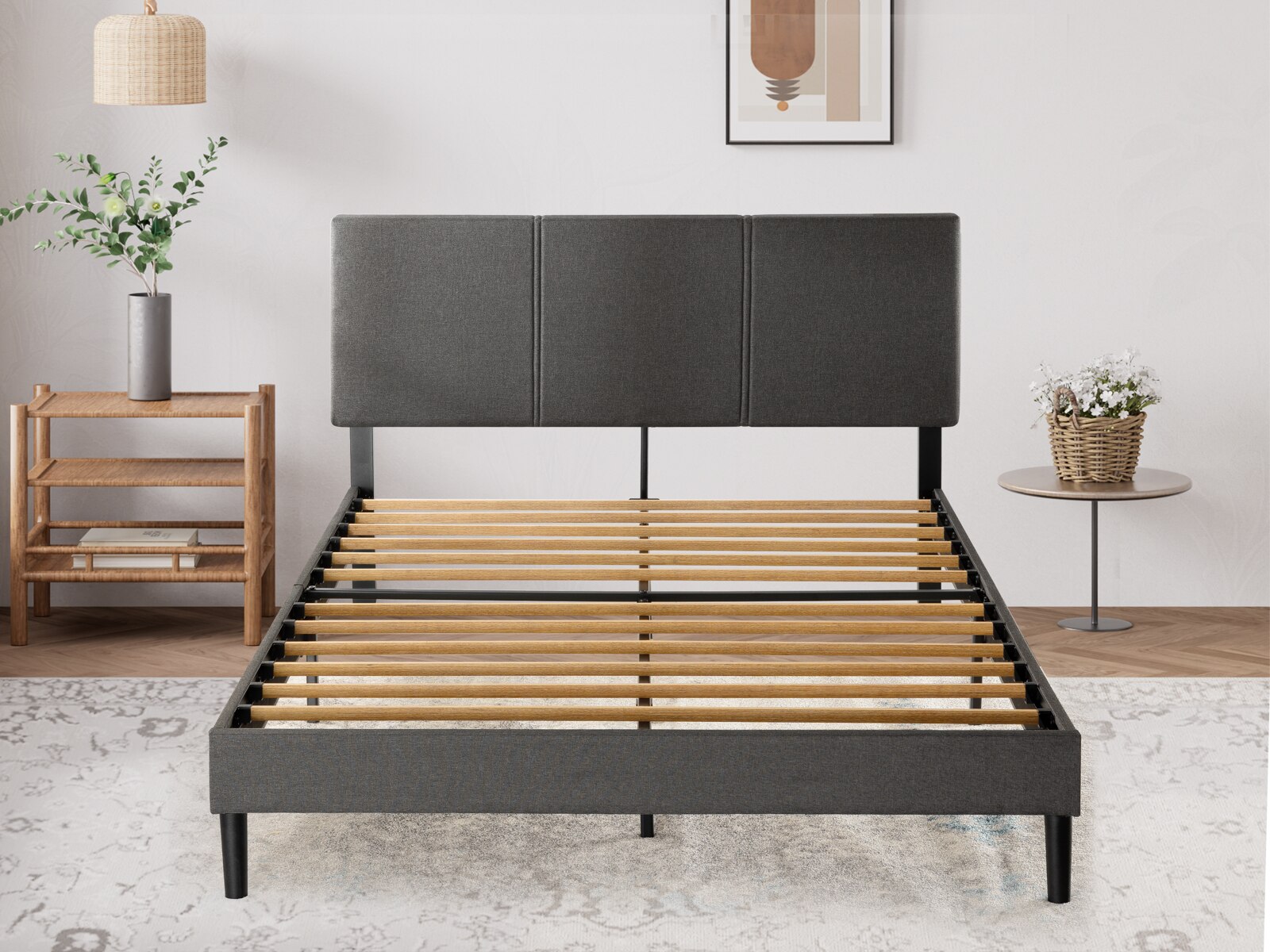
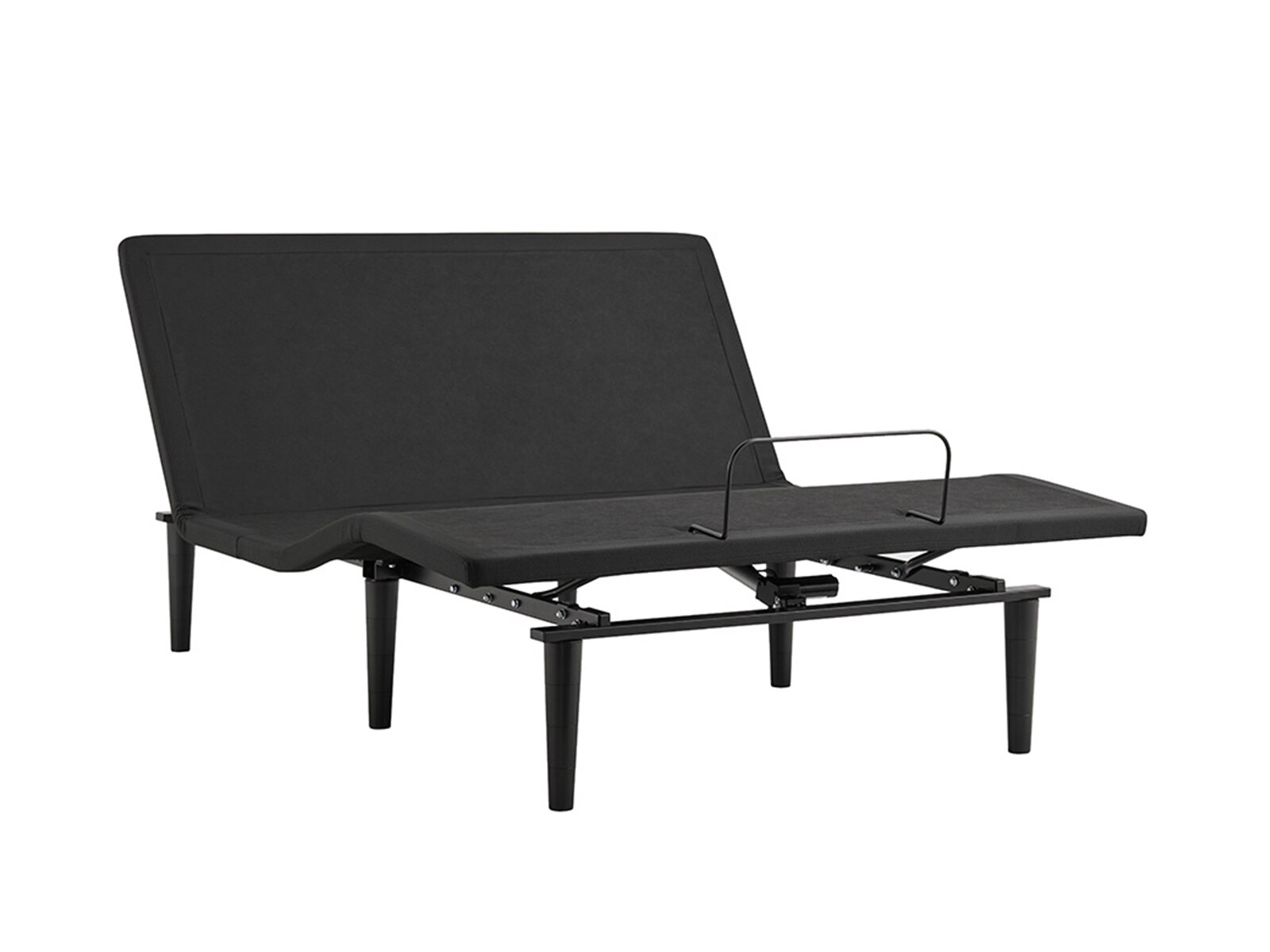
Construction and compatibility are just as important as the visible finish. A complete full size headboard bed may include a coordinated frame, side rails and mattress supports, while a separate headboard may require a compatible frame or wall mounting. Matching the mattress size does not automatically mean the mounting points line up, so attachment style, bracket spacing and included hardware deserve close attention. Platform designs may support a mattress without a separate foundation, but the mattress manufacturer’s requirements still determine the appropriate support surface and slat spacing. Other frames are designed to work with a foundation, which changes the total sleeping height and how much of the headboard remains visible. A decorative headboard does not replace the structural support beneath the mattress. With an adjustable base, clearance and mounting compatibility need consideration so the moving sections can operate without contacting the surrounding frame. Assembly quality also affects everyday comfort: level placement, secure connections and any required center supports help the bed remain stable. Care is usually straightforward when it follows the material’s instructions. A soft cloth removes dust from finished wood and metal, while a vacuum’s upholstery attachment can lift debris from fabric seams. Spills are best addressed promptly using the recommended method, without saturating padding or applying a cleaner before confirming that it is suitable for the surface. Periodic hardware checks are especially helpful after moving the bed, and lifting rather than dragging protects both the joints and the floor. For a bedroom intended to accommodate a wider mattress, a
king size bed headboard belongs with the corresponding bed size rather than a full frame unless the manufacturer explicitly supports that configuration. Within a full size setup, thoughtful proportions, dependable support and manageable care make the headboard bed a practical centerpiece, whether it anchors a first apartment, a teenager’s room or a welcoming space for overnight guests.