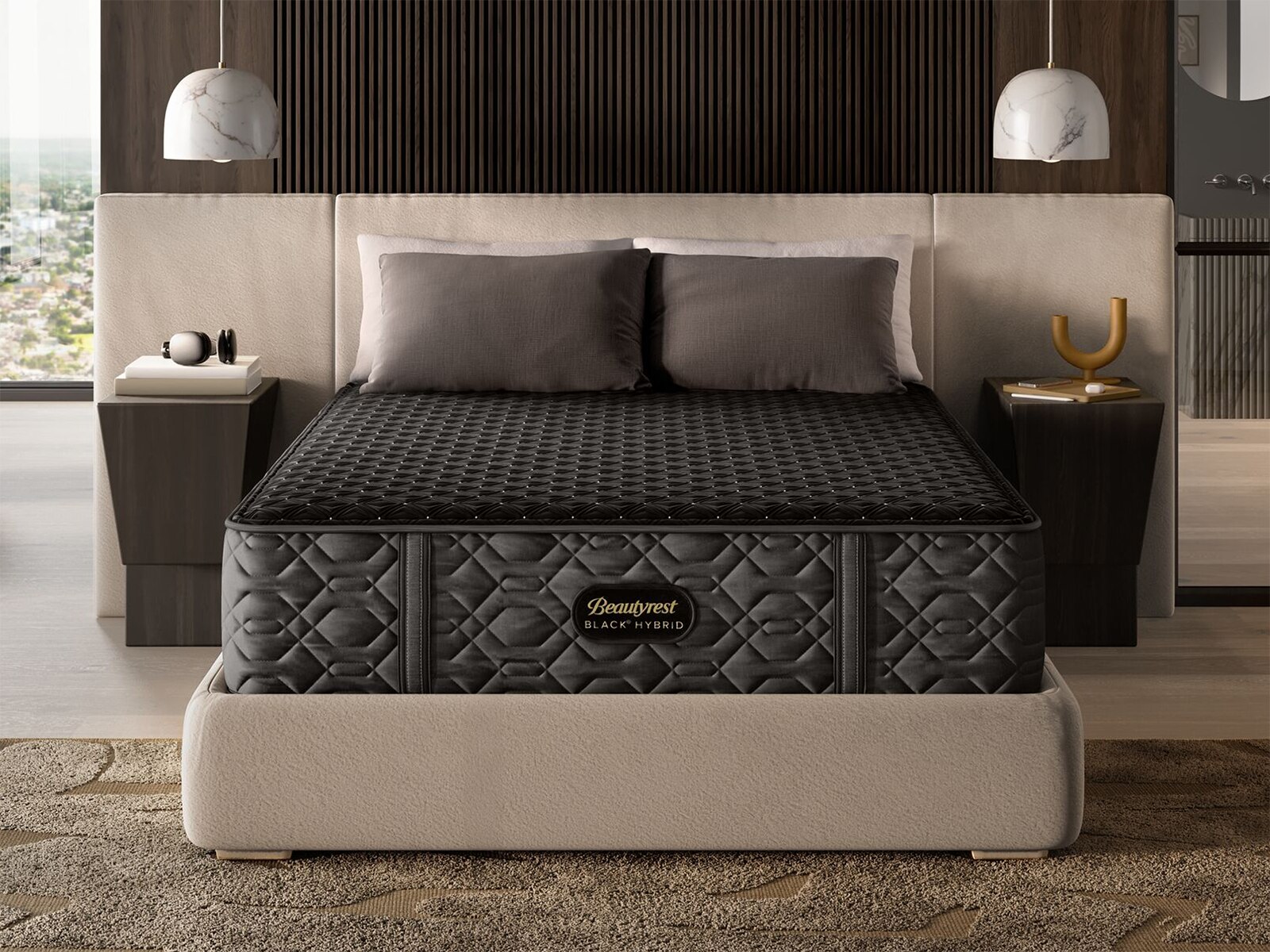
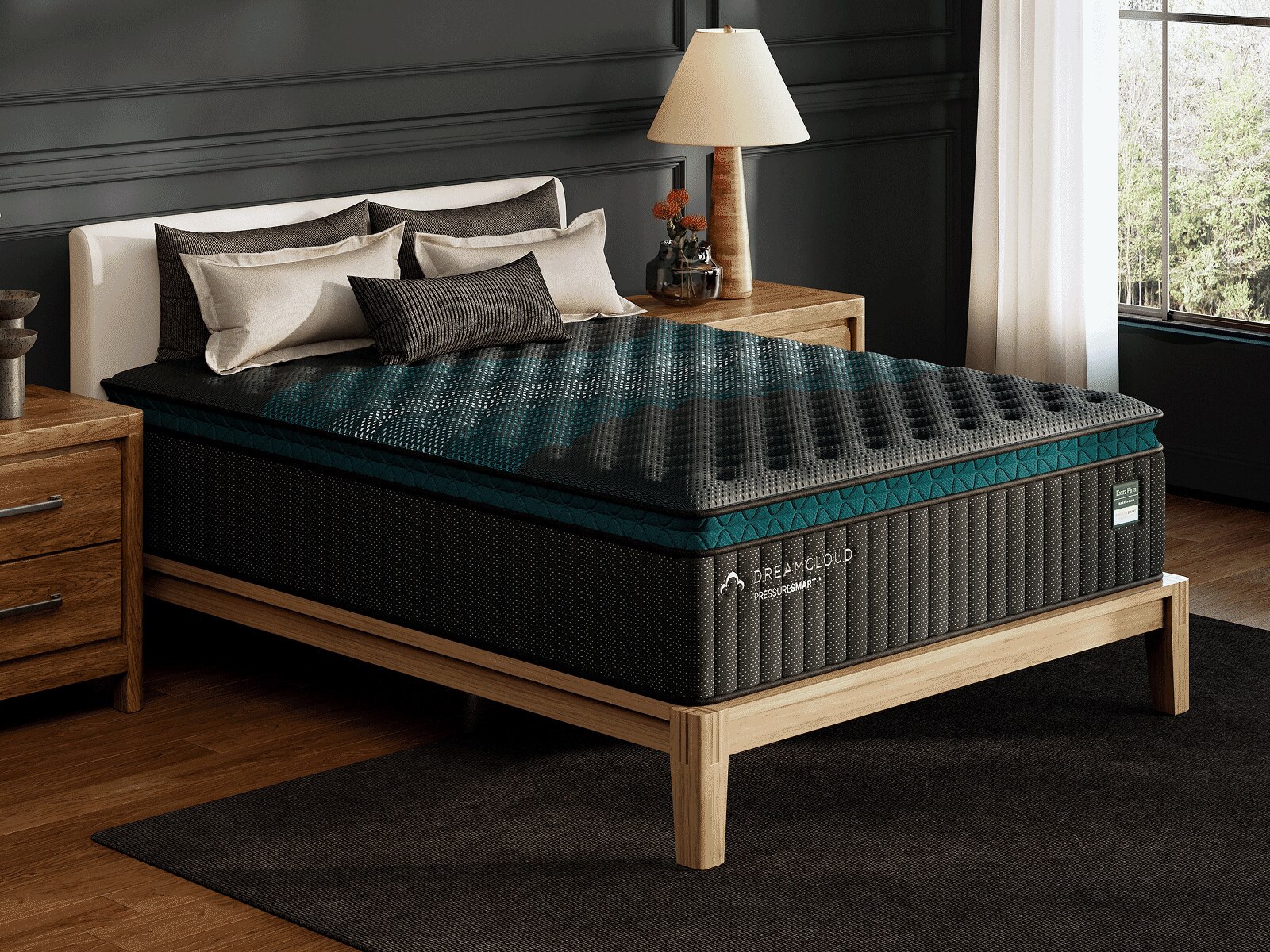
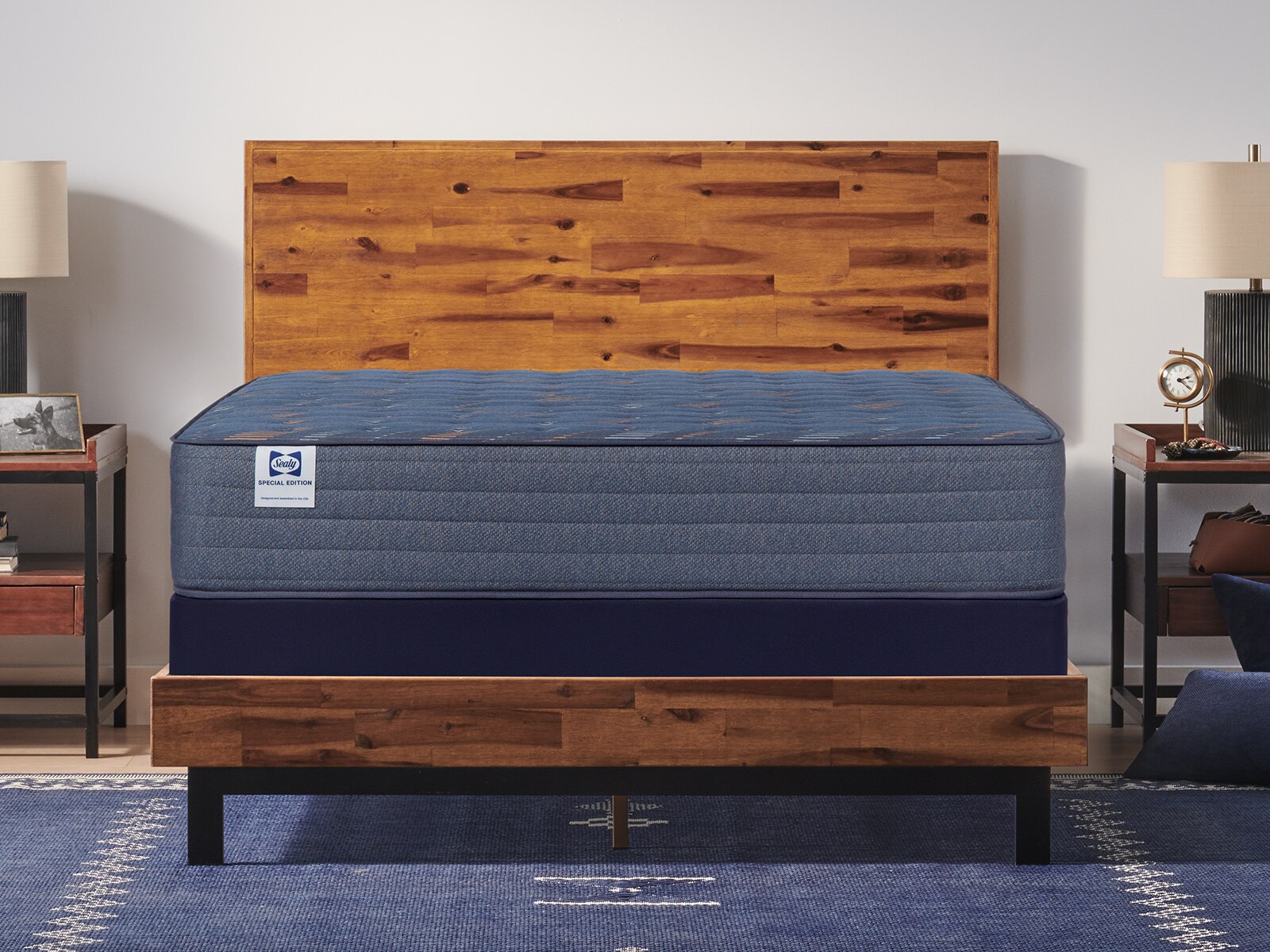
Sleep solutions for heavy sleepers can serve two distinct needs: making rest more comfortable and making wake-up cues easier to notice. In this context, a heavy sleeper is someone who tends to sleep through sounds or has difficulty waking, rather than someone shopping for support based on body weight. Mattresses, pillows and bedding help create a comfortable foundation for rest, while alarms that use light, sound or vibration address waking more directly. Neither a firmer mattress nor a softer pillow can reliably make someone wake more easily, but a sleep surface that suits your body and sleeping position can reduce discomfort that interrupts the night. Side sleepers often appreciate cushioning around the shoulders and hips, with enough underlying support to keep the torso from sinking excessively. Back sleepers may prefer a balance of contouring and steady support, while stomach sleepers generally need a surface that limits sinking around the midsection. Foam can offer close contouring and help absorb movement; innerspring construction provides a more responsive feel; and hybrid designs combine cushioning layers with a coil support system. Firmness describes how a mattress feels, not necessarily how well it supports you, so the two should be considered separately. Picture settling onto your side with your shoulder comfortably cushioned, then rolling onto your back without feeling caught in a deep indentation. That combination of pressure relief and ease of movement matters more than choosing the firmest option by default. Mattress dimensions also affect everyday comfort. A shared bed needs room for both sleepers to change position, and its height should work comfortably with the bed frame. Construction quality, suitable foundation support and care all contribute to durability. Follow the manufacturer's requirements for slat spacing, center support and rotation, since a mattress cannot perform as intended on an incompatible base. For someone who sleeps deeply, a stable, supportive setup is a foundation for consistent rest, not a substitute for a dependable waking routine.
Pillows and bedding deserve the same attention to fit as the mattress beneath them. A pillow should fill the space between your head and the sleep surface without pushing your neck sharply upward or letting it drop. That space changes with sleeping position, shoulder width and how deeply your body settles into the mattress. A side sleeper on a closely contouring surface may need a different pillow height than a side sleeper on a more responsive one. Adjustable fill can make it easier to refine that fit, while molded foam offers a more consistent shape and fiber fill provides a softer, more compressible feel. Consider how the pillow behaves after several hours, not just when you first place your head on it. Support that collapses overnight may leave your neck at an uncomfortable angle by morning. Sheets should fit the full mattress depth, including any topper, so the corners stay secure when you turn over. Smooth fabric, comfortable seams and bedding that does not bunch beneath your legs can make the sleep surface feel more settled. Cotton offers a familiar feel with a range of weave textures, linen has a more textured hand, and performance fabrics may provide stretch or moisture management. Thread count alone does not describe fabric quality; fiber quality, weave and finishing also affect softness and wear. A mattress protector adds a washable barrier against everyday spills and body oils, helping preserve the surface underneath. Choose one that fits securely without noticeably changing the mattress feel, and follow care labels for washing and drying. Pillows, protectors and sheets may have different care requirements, even when they share the same bed. Regular cleaning, thorough drying and checking for thinning fabric or loose elastic help keep the setup comfortable over time. A topper can adjust surface cushioning, but it will not repair a mattress with worn support or lasting sagging. These details are especially useful when building a sleep setup for a new bedroom, replacing bedding that no longer fits well or making a shared bed more comfortable for two people with different preferences.
For heavy sleepers whose main concern is sleeping through the alarm, the most relevant product features are the type of wake-up cue, how it changes over time and how reliably it operates. Progressive sound alarms begin more gently and increase in intensity, light-based alarms brighten gradually, and vibration-based devices provide a physical cue. Some designs combine more than one signal, which can be useful for someone who notices vibration but regularly misses sound. No single alarm style works for everyone, and greater volume is not automatically the best choice. Adjustable settings let you choose a noticeable cue without using unnecessarily loud sound near your ears. Simple controls, a readable display and a dependable power source matter when an early start leaves little room for error. Backup power may help preserve alarm settings during an interruption, although its function varies by device and should be checked in the manufacturer's information. Placement matters, too: an alarm on a stable surface away from the pillow can make dismissing it less automatic, provided the route to it is clear. Light-based cues should be positioned as directed, and vibration components should be used only with the bedding arrangements specified by their manufacturer. In a shared bedroom, a targeted vibration cue may be less disruptive than a room-filling alarm. A partner who wakes at every small disturbance may also find helpful context in
Best Sleep Solutions For Light Sleepers, especially when choosing bedding and managing movement across the mattress. Wake-up products work best alongside enough time for sleep and a reasonably consistent bedtime and wake time. The groggy period after waking, often called sleep inertia, can occur even after an alarm has done its job; it is not proof that a mattress or alarm has failed. Persistent difficulty waking, excessive daytime sleepiness, loud snoring or breathing pauses during sleep warrant a conversation with a healthcare professional. A thoughtful combination of comfortable bedding, suitable mattress support and dependable wake-up cues can address practical needs without treating one product as the answer to every sleep concern.