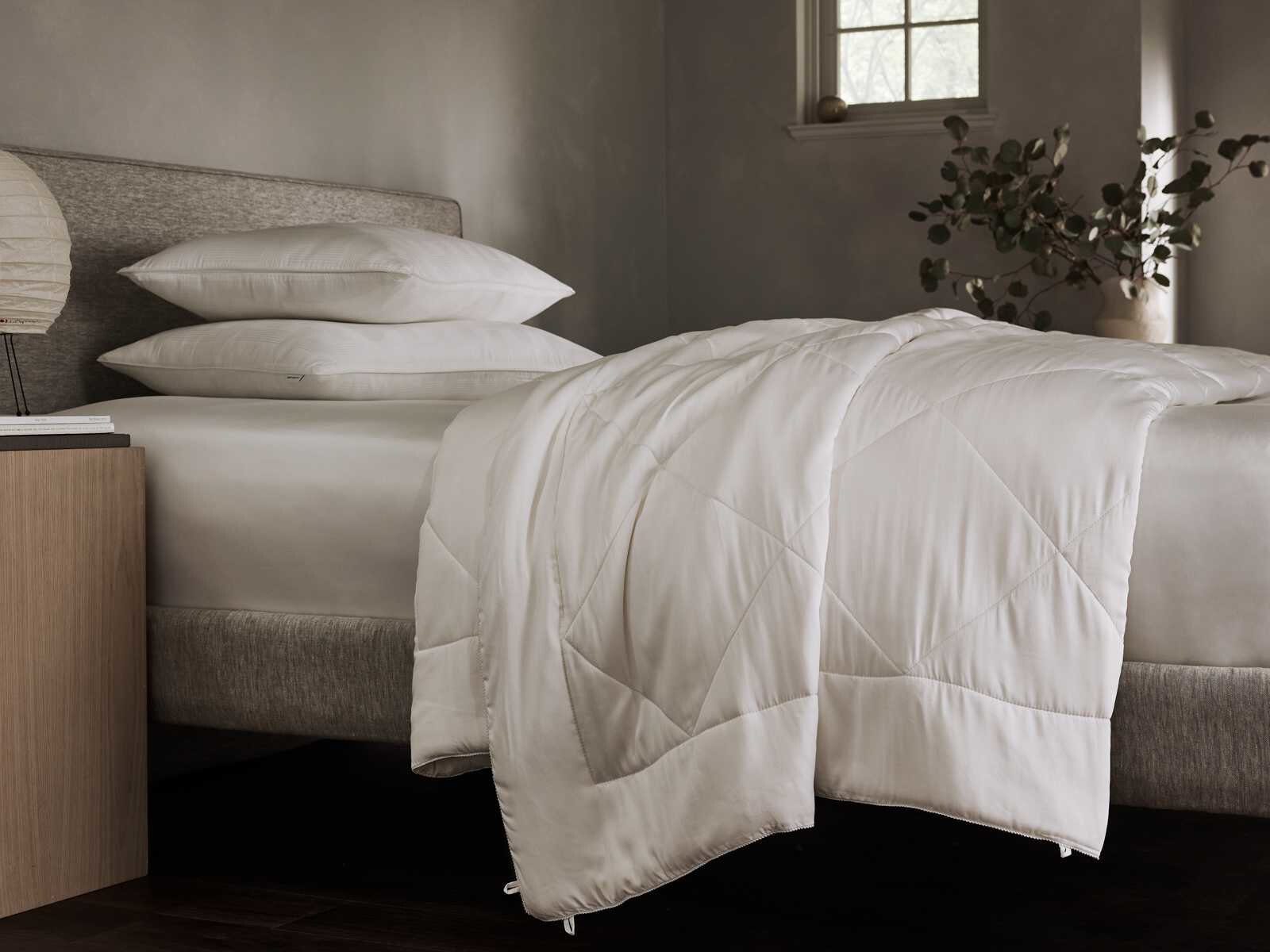
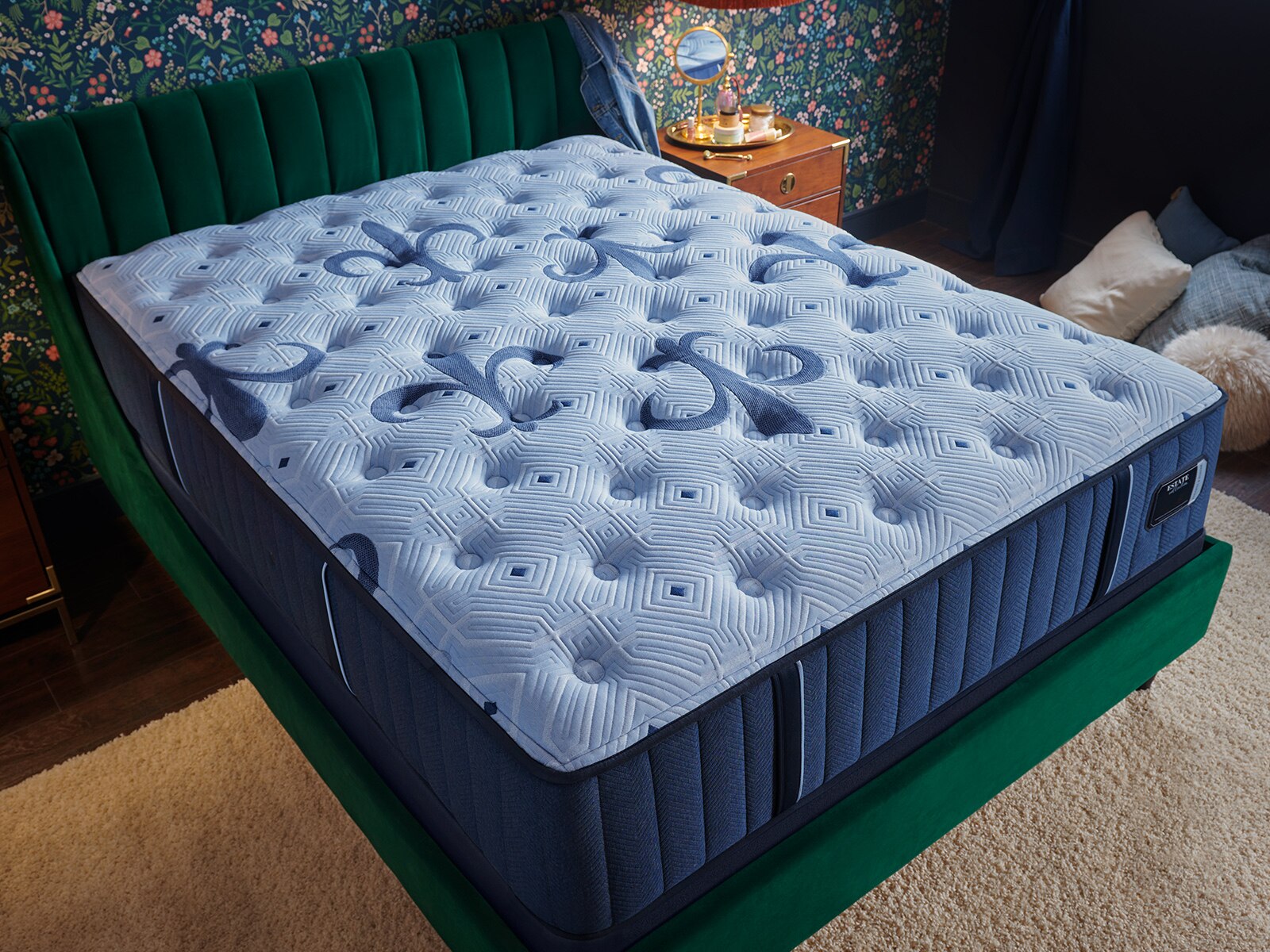
Beds for recovery are home sleep setups chosen to support comfortable rest, manageable movement and everyday routines during physical recovery. Someone returning home after a procedure may have different needs from a person resting between demanding workouts or managing an ongoing condition, so the right fit starts with how the bed will be used. A mattress cannot treat an injury or guarantee faster healing, but its feel, support and ease of access can make a meaningful difference to time spent in the bedroom. Any prescribed restrictions on sleeping position, elevation or movement should guide the choice. Within those boundaries, mattress construction helps shape the experience. Memory foam contours around the body and can cushion areas such as shoulders and hips, although a deeply contouring surface may feel harder to move across for some sleepers. Latex typically has a more responsive feel, while innerspring and hybrid constructions use coils for support and may offer a buoyant surface that feels easier to reposition on. The overall design matters more than any single material: cushioning layers, core construction and edge support work together. Firmness is also personal. An especially firm mattress is not automatically the best choice for recovery, and an extremely soft surface may allow more sinking than a sleeper finds comfortable. Body size, usual sleep position and individual preferences all influence the balance between cushioning and support. When side sleeping is permitted, enough cushioning for the shoulder and hip may be useful; someone resting on their back may prefer a different contour. For a person spending longer stretches in bed, comfort should extend beyond the first few minutes of lying down. A surface that feels pleasant at bedtime should also feel manageable when changing position, sitting at the edge or getting up for a short walk permitted by the care team.
An adjustable base can add flexibility to a recovery-focused bedroom by changing the position of a compatible mattress. It is not the same as a medical bed designed for clinical care, and any use of elevation during recovery should follow the treating clinician’s instructions. For someone cleared to rest in different positions, an adjustable setup may make activities such as reading or settling in for the evening more comfortable. Mattress compatibility is essential because not every construction is designed to bend repeatedly with an adjustable base. The mattress and base should also meet the manufacturers’ requirements for dimensions, support and combined weight. Overall bed height deserves as much attention as the mattress surface. A thick mattress on a tall foundation can leave someone perched above the floor, while a very low frame may require more effort to stand. A useful fit allows the person to sit securely with feet supported, subject to any movement restrictions or individualized recommendations. Stable edge support can help the perimeter feel more consistent during that transition, but a mattress edge should never be treated as a mobility aid. Bedroom layout matters, too. There should be room for the person’s usual walking aid, if needed, and enough space for a caregiver to assist without reaching awkwardly across furniture. Power cords for adjustable bases belong clear of walking paths and moving components. In a shared bed, motion isolation may reduce how much one sleeper notices the other changing position. Independently adjustable sides can offer separate positioning, provided the entire setup is compatible and appropriate for both sleepers. More context on choosing a sleep setup around health-related needs is available through
Beds For Medical Conditions. The most useful features are those that fit the person’s actual routine, rather than adding adjustments or accessories that are difficult to operate.
Materials and care become especially important when a bed is used for both overnight sleep and daytime rest. A removable, washable protector can simplify routine cleanup and help shield the mattress from everyday spills, provided it fits securely and works with the mattress and base. Sheets should have enough depth for the mattress without loose fabric gathering beneath the sleeper. On an adjustable setup, bedding also needs enough flexibility to stay in place as the surface moves. Care instructions vary by material, so removable covers should only be washed when the manufacturer allows it, and moisture should be addressed promptly using the recommended method. A mattress should be fully dry before being covered again. For durability, proper support underneath the mattress is just as important as the comfort layers above it. Frame condition, slat spacing and foundation compatibility can affect how evenly the mattress is supported over time. Rotation may help distribute wear when permitted, but many mattresses are not designed to be flipped. Recovery can also change the way a bedroom functions: a person who once used the bed only at night may spend quiet afternoons there listening to music, talking with family or resting between activities. A reachable bedside surface, lighting that is easy to control and a clear route out of bed can make those routines less cumbersome. If prolonged bed rest is prescribed or there are concerns about skin pressure, a clinician should recommend the appropriate surface and repositioning plan; ordinary comfort features are not a substitute for pressure-injury prevention. For someone helping a family member prepare a bedroom, practical support starts with the sleeper’s preferences and care needs. A recovery-focused bed should feel comfortable and manageable throughout its intended use, with dependable construction and straightforward care that remain useful after the recovery period ends.