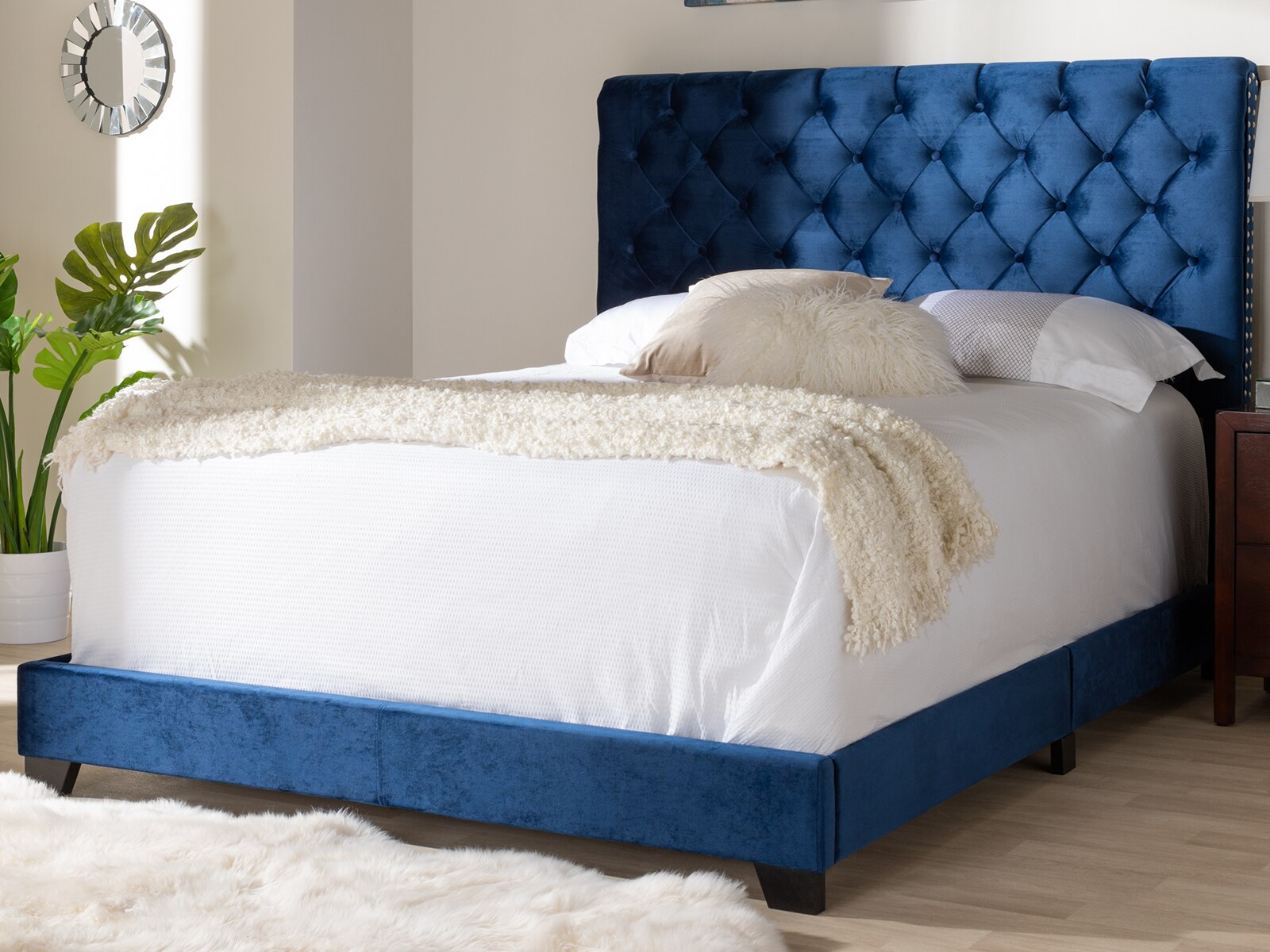
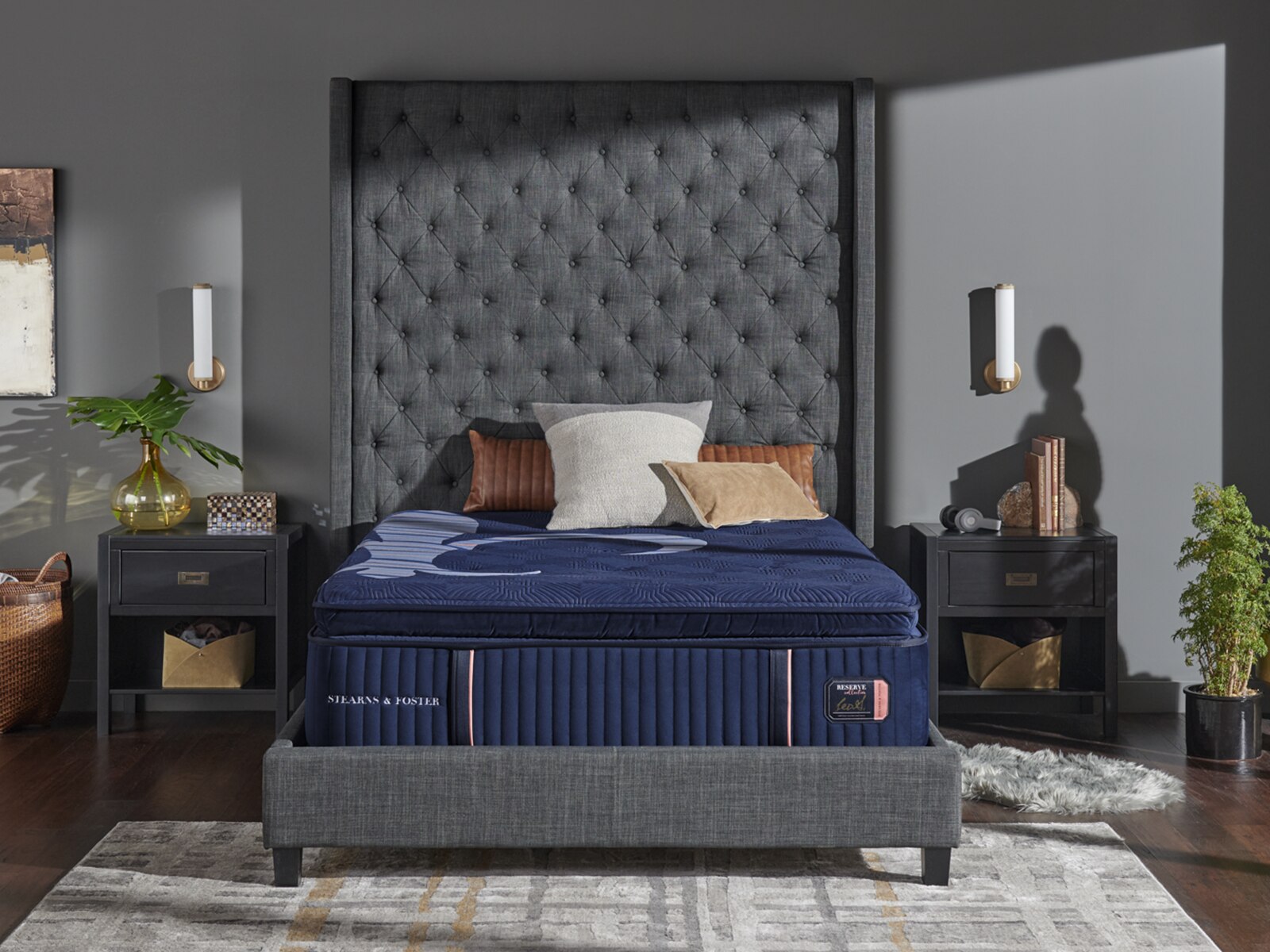
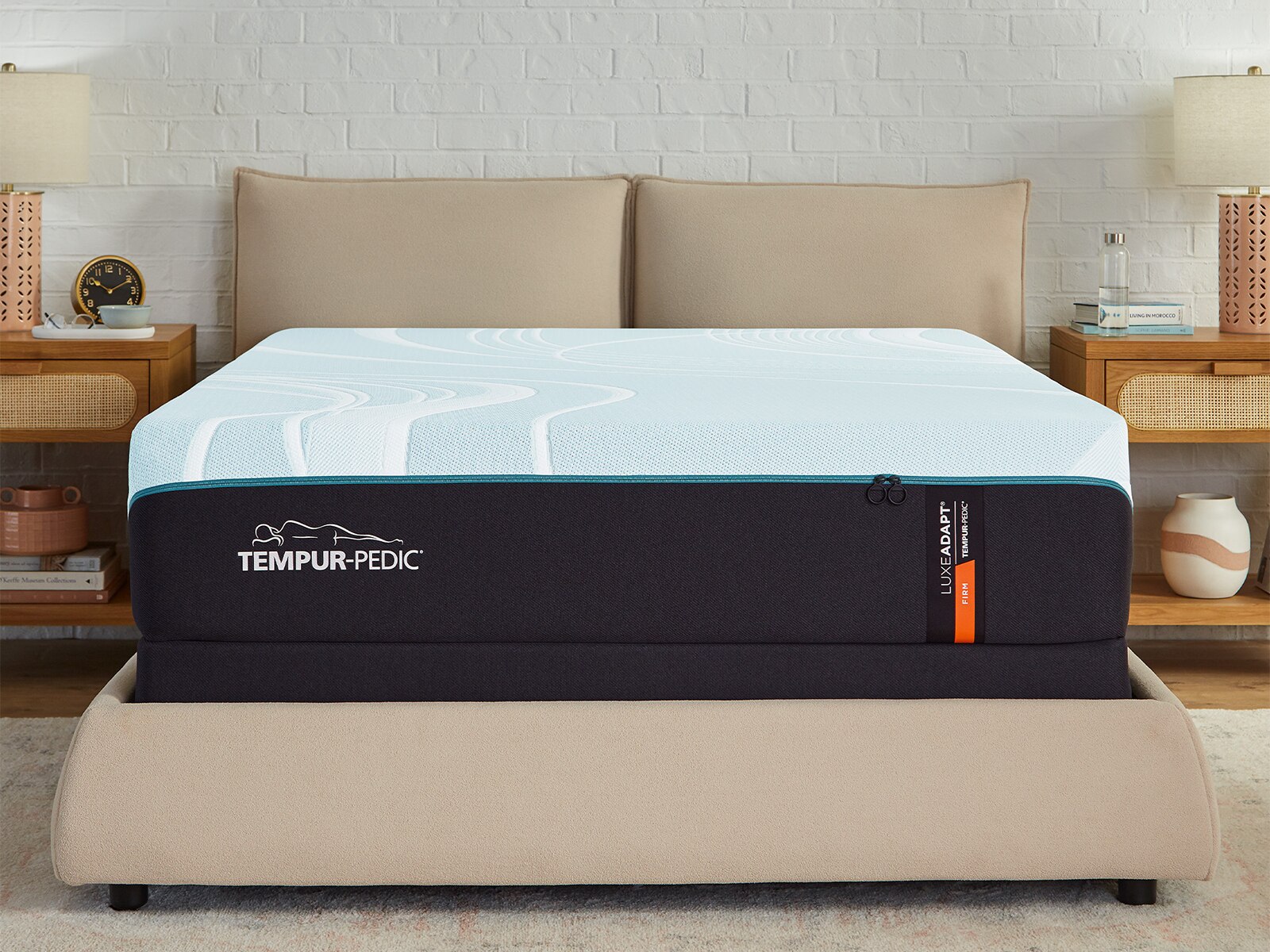
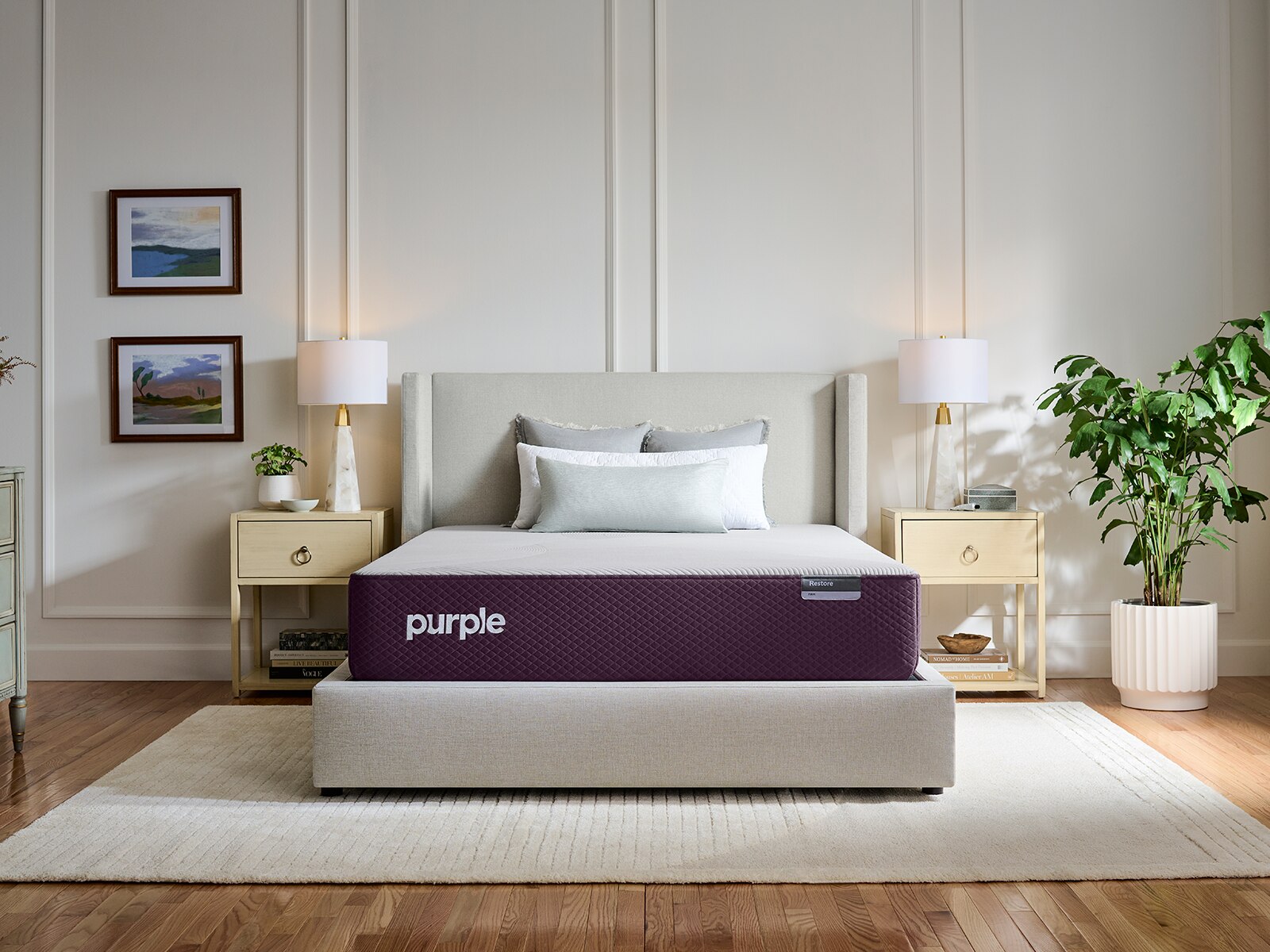
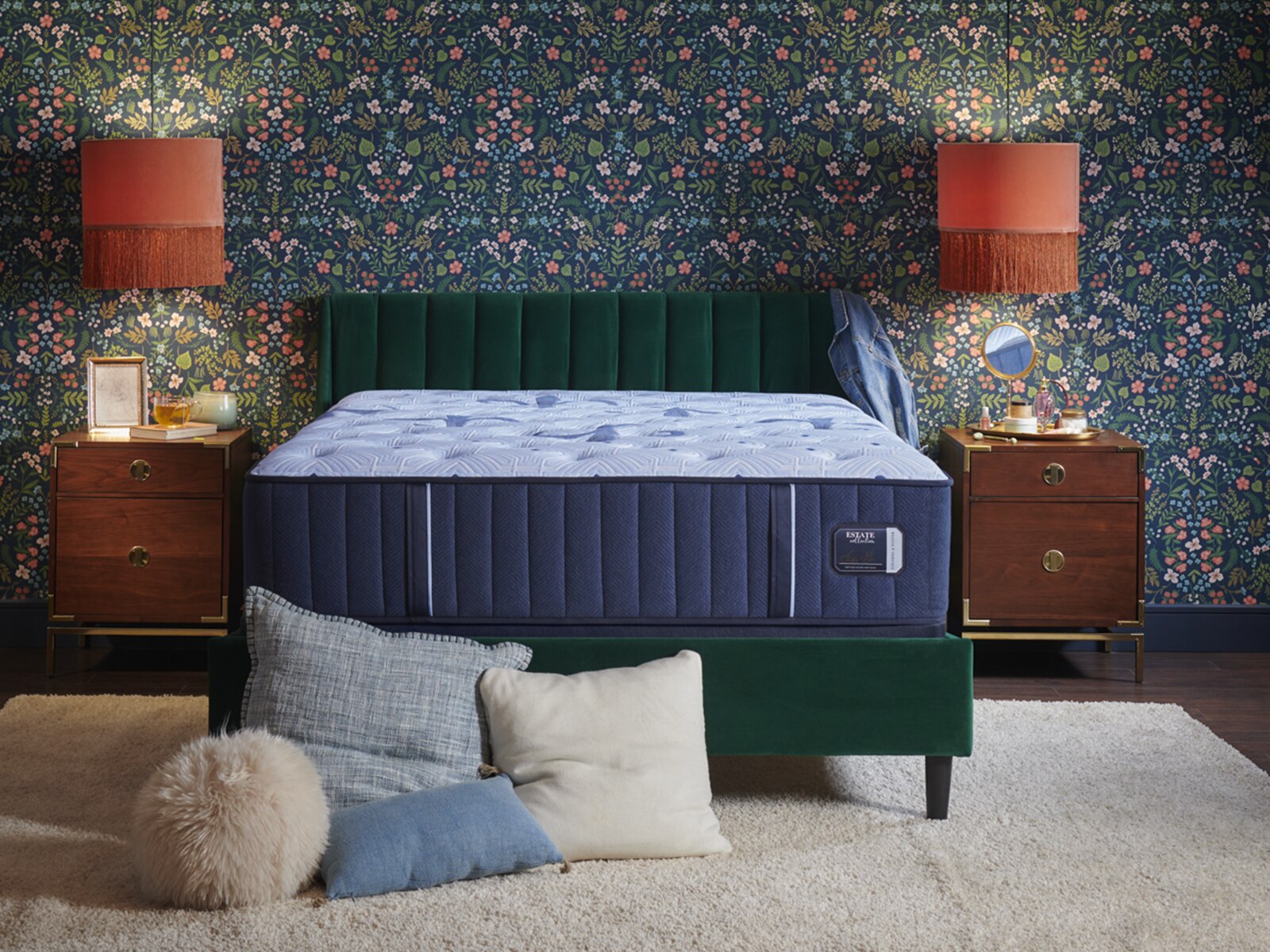
A bed selected for insomnia should provide comfortable support and reduce avoidable disturbances, but no mattress or adjustable base is a treatment for insomnia on its own. Insomnia can involve difficulty falling asleep, repeated waking or waking earlier than intended and being unable to return to sleep. When an uncomfortable surface adds to that frustration, a better-fitting mattress can address the physical discomfort without promising to resolve the underlying sleep condition. The most useful starting point is how a bed feels in the position used for sleeping, rather than how soft it feels when someone presses a hand into the surface. Side sleepers often need enough cushioning for the shoulder and hip to settle without leaving the waist unsupported. Back sleepers generally benefit from a balance of contouring and support, while stomach sleepers may prefer a surface that limits excessive sinking around the midsection. Body size and personal preference matter as much as sleeping position, so a firmness description is a starting point rather than a guarantee of comfort. Memory foam typically contours closely and can soften the feeling of pressure at contact points. Latex tends to have a more buoyant, responsive feel that makes changing position feel different from moving on slow-recovery foam. Innerspring construction provides support through coils, while hybrid construction combines coils with cushioning layers. Each design can feel quite different depending on the thickness, arrangement and properties of those layers. A substantial pillow top, for example, may feel inviting at first yet allow more sinking than a sleeper prefers over a full night. Someone who repeatedly shifts to relieve an uncomfortable shoulder may appreciate a different surface from someone who dislikes feeling nestled into a mattress. Beds for insomnia are most helpful to consider in terms of these specific comfort needs, rather than as a single mattress type with a special ability to bring on sleep.
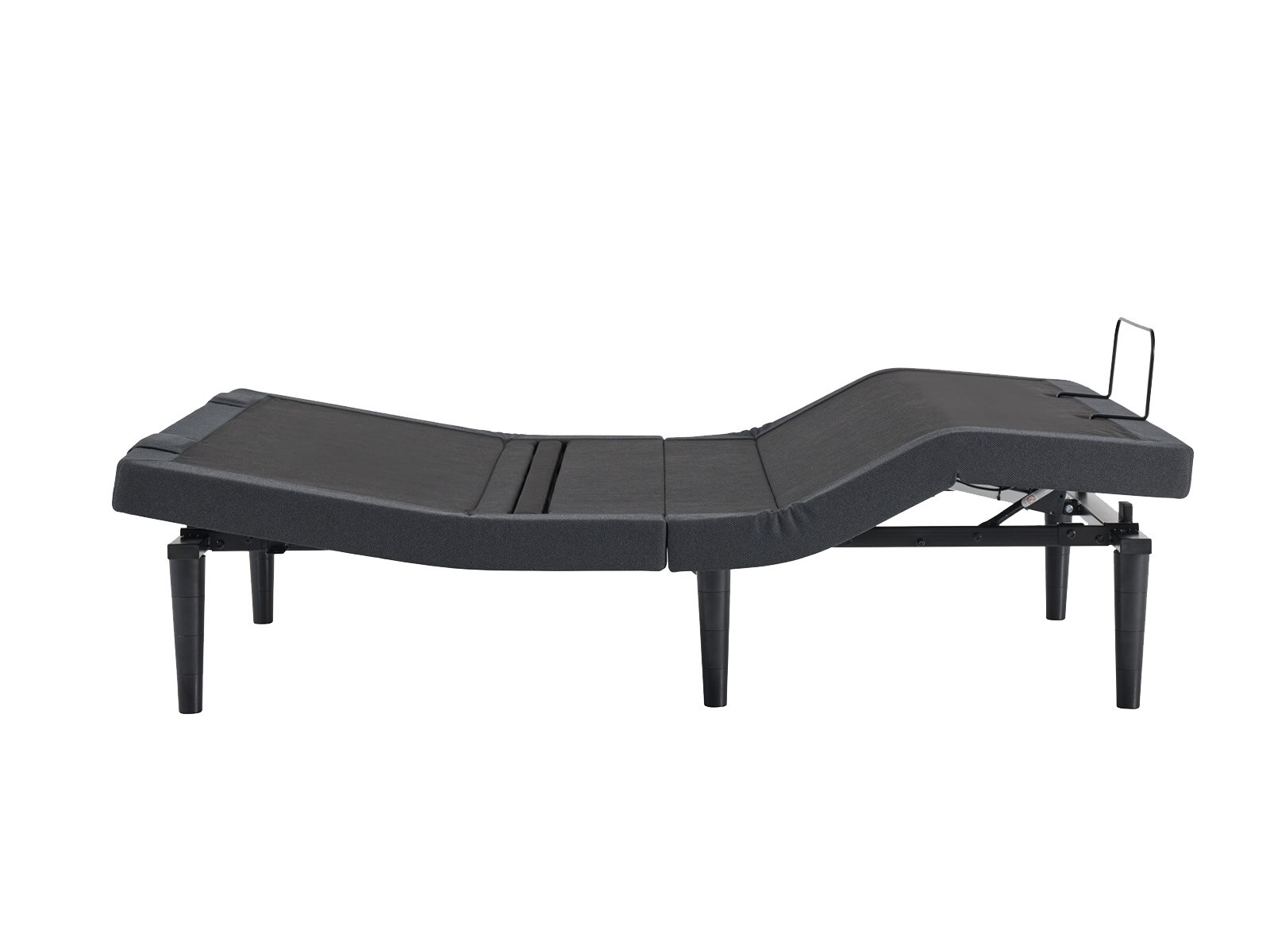
The rest of the bed matters, too, particularly when a familiar nightly interruption has a physical cause. A person who feels every movement when a partner turns over may value motion isolation, which describes how well a mattress limits movement traveling across its surface. Foam layers and individually wrapped coils can help reduce that transfer, although performance varies by construction. A responsive surface may be preferable for someone who finds it difficult to roll over on deeply contouring cushioning. Edge support also deserves attention when getting into bed, sitting briefly to put on slippers or sleeping near the side of the mattress. A sturdy perimeter can make those everyday moments feel more secure, but it should be considered alongside the comfort of the main sleeping area. Size affects usable space just as directly. A queen may suit a shared bedroom with limited floor space, while a king gives two sleepers more room to change position without crowding each other. The frame’s overall dimensions, nearby furniture and clear paths around the bed all matter when deciding what fits. An adjustable base adds another kind of flexibility by raising the head, feet or both, allowing the sleeper to change position without stacking pillows that can shift during the night. That flexibility may be useful for reading before sleep or finding a comfortable resting posture, but it does not change the mattress’s underlying firmness. Mattress compatibility, secure attachment and the base’s operating instructions are essential considerations. For partners with different positioning preferences, a compatible split setup can allow separate adjustments, though bedding fit and the meeting point between mattresses deserve consideration. A pillow should complement the mattress and sleeping position rather than lift the head into an awkward angle. For a broader look at comfort-focused sleep setups,
Beds For Relaxation offers a related perspective on creating a comfortable place to rest.
Long-term comfort depends on construction, proper support and everyday care, not simply on how a bed feels during the first few minutes. A mattress needs a foundation or frame that meets its manufacturer’s requirements, including any guidance for slat spacing and center support. An unsuitable base can affect how the surface feels and how well it holds up with regular use. Cushioning density, coil construction, stitching and edge reinforcement can all contribute to durability, though no single specification tells the whole story. Some surface settling can occur with use, while persistent sagging, a noticeable slope or discomfort concentrated in one area may warrant a closer look at both the mattress and its support system. Following the care label helps protect materials that are not meant to be soaked, scrubbed aggressively or cleaned with harsh products. A properly fitted, washable mattress protector can provide a practical barrier against everyday spills and soil without bunching beneath the sleeper. Sheets should fit securely without pulling tightly enough to restrict an adjustable mattress as it bends. Rotate a mattress only as its manufacturer recommends, and do not flip it unless it is designed for use on both sides. These details are especially relevant for a bed used every night, whether it is furnishing a first apartment, replacing a worn sleep surface or accommodating two people with different comfort preferences. For someone whose sleep is already frustrating, consistent comfort is a more useful goal than an elaborate collection of features. A supportive surface, enough room to move and bedding that stays in place can remove sources of irritation from the sleep environment. Persistent insomnia still deserves attention from a healthcare professional, particularly when it affects concentration, mood or daily activities. Cognitive behavioral therapy for insomnia is an established treatment; a mattress is not a substitute for that care. The role of the bed is more practical and personal: to provide a comfortable, dependable place to rest without adding pressure points, instability or unnecessary disruption to the night.