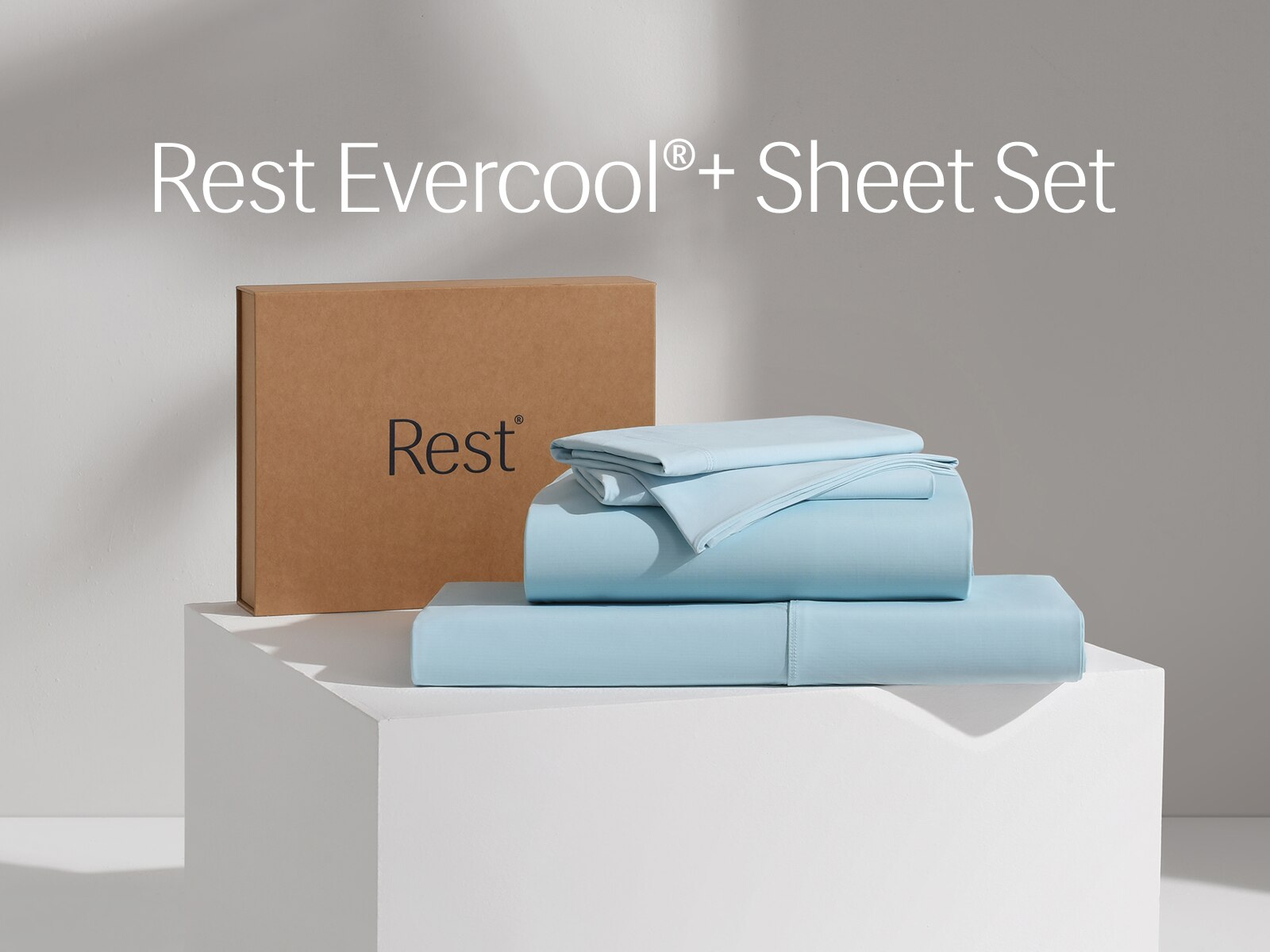
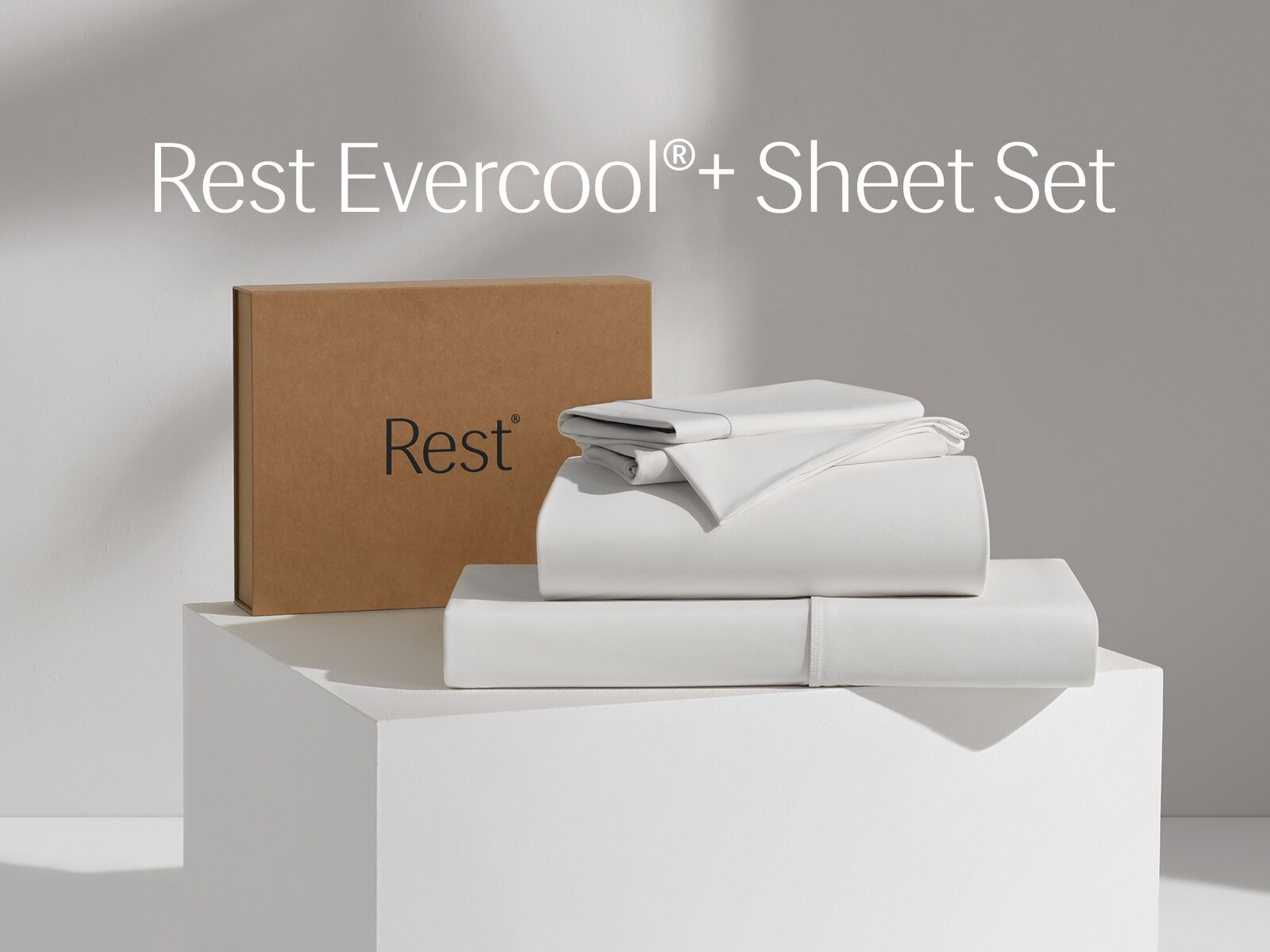
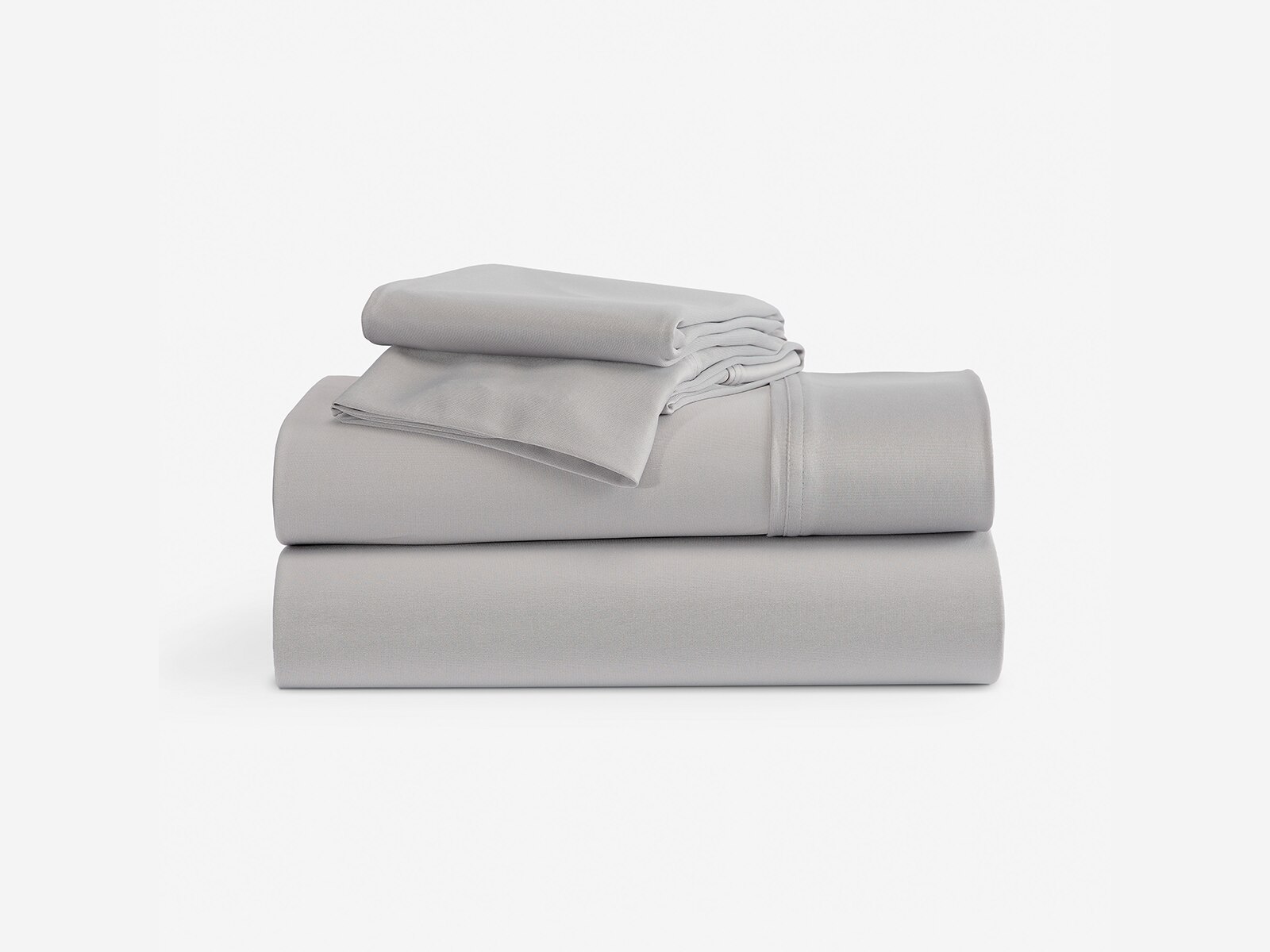
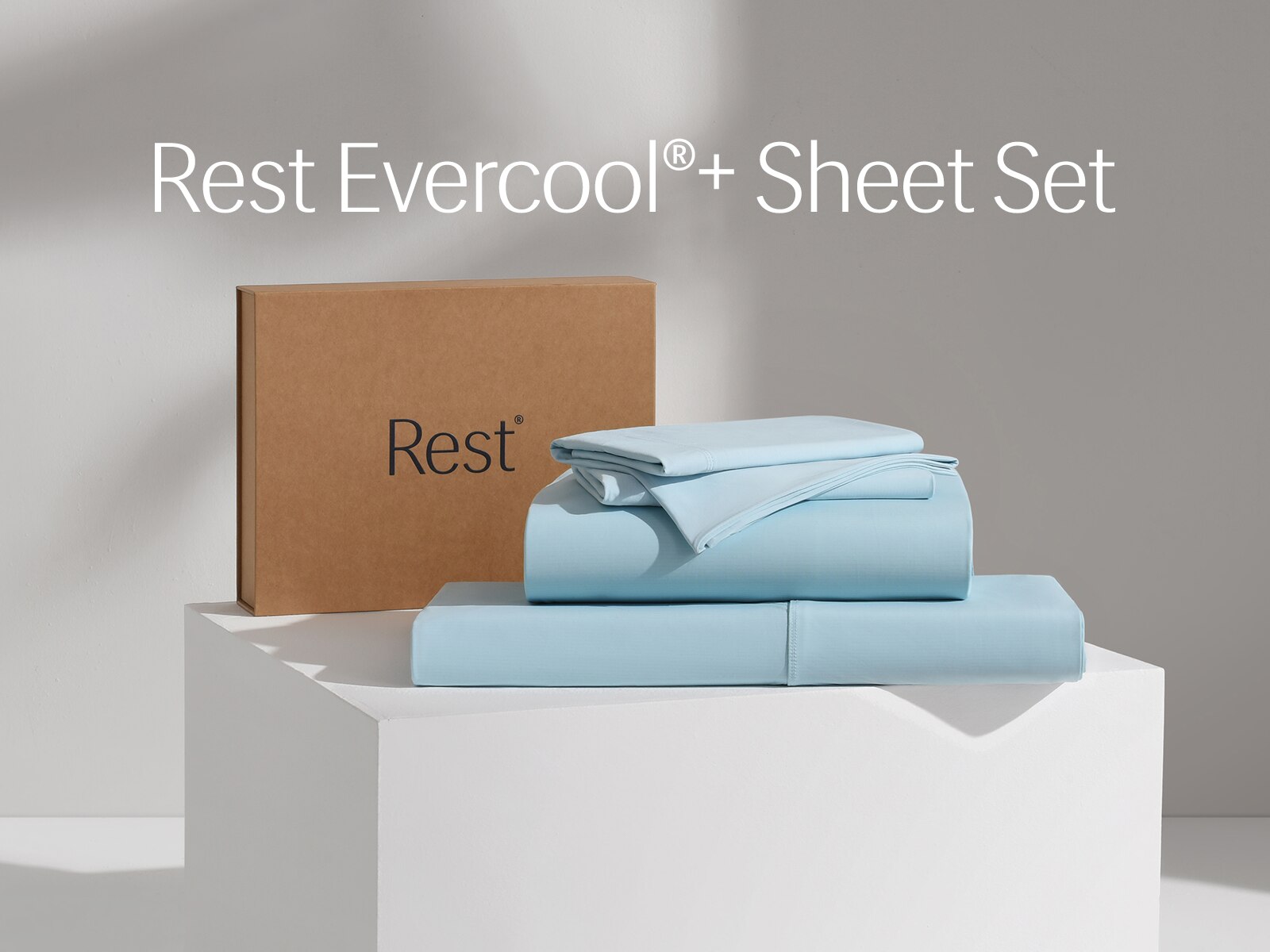
Cooling bedding for menopause works best when breathable construction, moisture management and adjustable layers take priority over thread count alone. Hot flashes and night sweats can turn a comfortable bed into a tangle of damp sheets, sometimes followed by a chill once the heat passes. The goal is bedding that lets warmth escape, handles perspiration comfortably and makes it easy to change coverage without fully waking up. Breathability describes how readily air moves through a fabric, while moisture wicking describes its ability to move perspiration across or through the material so it can evaporate. Absorbency matters, too, but a fabric that takes in moisture without drying readily may continue to feel damp against the skin. These qualities depend on the weave, fiber blend, fabric weight and finishing—not simply the name on the label. Cotton percale is often a good match for someone who prefers a crisp, airy sheet with less cling. Its plain weave can provide a lighter feel than a densely woven fabric, although cotton still absorbs moisture and may stay damp after heavier sweating. Lyocell and some rayon fabrics have a smooth hand and can manage moisture well, depending on their construction. Linen offers a textured feel and breathable structure, though its relaxed surface may not appeal to someone who wants a silky finish. Performance blends may emphasize moisture movement or faster drying; the full fiber content and care label help explain how a particular fabric is intended to work. A higher thread count does not automatically mean cooler bedding, and tightly packed yarns can limit airflow. For a sleeper who wakes with damp hair at the nape of the neck or kicks off the top sheet halfway through the night, fabric weight and how the material feels against moist skin may matter more than a high thread-count number. Cooling bedding can support comfort during menopause, but it does not prevent hot flashes or treat their underlying cause.
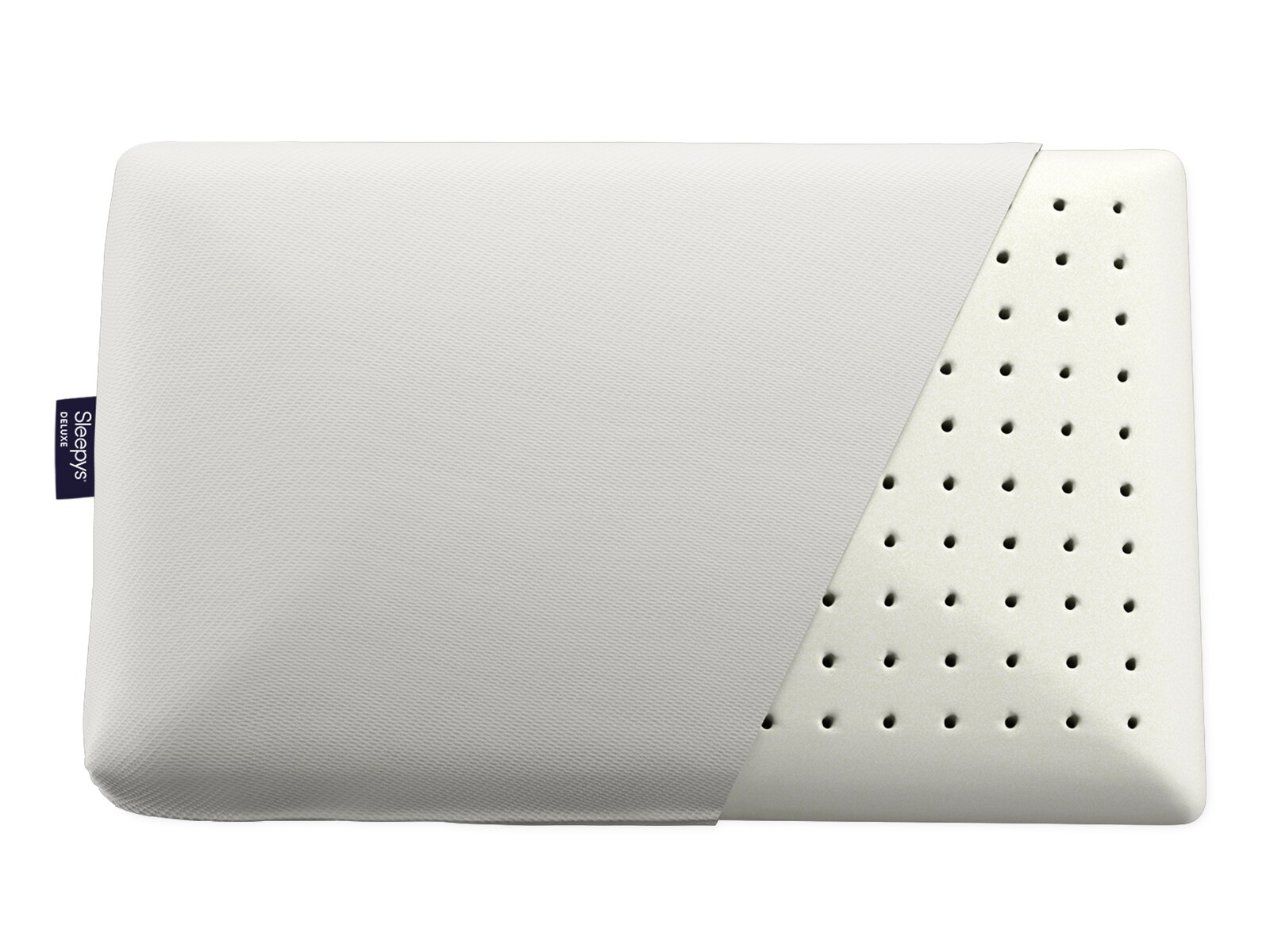
The most comfortable arrangement usually considers the entire bed rather than expecting one cooling layer to do all the work. A breathable sheet can feel less effective beneath a heavy comforter or over a mattress protector that holds warmth close to the body. Lightweight quilts, blankets and comforters offer different levels of coverage, and fill weight is worth considering alongside the outer fabric. More loft does not necessarily mean more breathability: a thick layer may trap more warmth even when its cover feels light. Separate top layers can be especially practical for partners with different comfort preferences. One person can pull back a lightweight blanket during a hot flash while the other keeps their usual coverage, without disturbing the whole bed. Pillowcases deserve the same attention as sheets because the face, neck and scalp remain in close contact with them for hours. A smooth, breathable pillowcase may feel more comfortable against perspiring skin, while a dense pillow protector underneath can change the overall feel. Mattress protection remains useful when night sweats are frequent, but waterproofing and breathability are not interchangeable. Barrier materials and construction vary, so it helps to distinguish protection against liquid from the ability to release moisture vapor. Fit also affects comfort. A fitted sheet should accommodate the full mattress height, including any topper, without pulling tightly at the corners or leaving folds beneath the sleeper. Deep pockets are useful only when the mattress needs them; excess fabric can bunch and create an uneven surface. Top sheets and blankets need enough width for easy movement without so much extra bulk that adjusting them becomes cumbersome. Cooling claims also describe different experiences. A cool-to-the-touch finish may provide an immediately refreshing sensation, while breathable construction supports airflow throughout use. Some temperature-regulating materials absorb and release a limited amount of heat, but they do not provide continuous refrigeration. Explore
Cooling Bedding For Restful Sleep with these distinctions in mind when comparing fabric feel, layer weight and everyday practicality.
Care and durability become especially important when bedding needs frequent washing after night sweats. A fabric that feels comfortable on the first night should also fit a realistic laundry routine, whether that means washing sheets more often or keeping an extra pillowcase ready for a quick change. Care labels provide the best direction for water temperature, drying settings and permitted cleaning products. Higher heat is not automatically better for every textile; it can shrink some fabrics, weaken elastic or affect specialty finishes. Fabric softeners and dryer sheets may leave residue that interferes with moisture-management features, so the manufacturer’s directions matter when deciding whether to use them. Bedding should be completely dry before it goes back on the bed, especially around fitted corners, seams and thicker edges where moisture can linger. Durable construction shows up in secure stitching, elastic that holds its shape and fabric that resists excessive pilling through repeated washing. Pilling and roughened surfaces can become particularly noticeable when skin is damp, making long-term texture as relevant as the initial softness. For someone who experiences occasional hot flashes, an easy-to-remove top layer may provide enough flexibility. Someone managing frequent night sweats may place greater value on washable layers, drying time and mattress protection. People with sensitive skin may prefer a smooth surface and a laundering routine without added fragrance, though personal tolerances vary. When bedding is a gift, confirming mattress dimensions and the recipient’s preferred fabric feel is more helpful than assuming that everyone wants the same silky or crisp texture. The most useful choice is one that feels comfortable against the skin, stays in place and can be cared for without unnecessary effort. Persistent or disruptive night sweats are worth discussing with a healthcare professional, particularly when they are new or unexplained. Bedding can make those wakeful moments more manageable, with lighter coverage to move aside, a comfortable surface to return to and fewer damp layers between the sleeper and rest.