Queen bedding comforters give a bed a finished look while adding a cushioned layer over sheets. A comforter typically combines an outer fabric shell with insulating fill, held together by stitching that helps keep the filling distributed. Unlike a duvet insert intended for use inside a separate cover, a comforter usually has a finished exterior that can stand on its own. Some designs can serve either purpose, so the construction and care instructions matter more than the name alone. For a primary bedroom, guest room or teenager’s room, the right fit starts with the bed itself. A standard queen mattress measures 60 inches wide by 80 inches long, but queen comforter dimensions are not standardized. Many measure approximately 88 to 92 inches wide and 90 to 100 inches long, with other dimensions also used. Checking the actual measurements is more useful than relying only on a queen or full/queen label. A comforter that drapes generously on a lower mattress may leave more of a deep mattress exposed, especially when a topper adds height. Measure from the top of the mattress to the point where the bedding should end, then account for that drop on both sides. The foot of the bed deserves attention, too: a tall footboard may call for a neater finish, while an open frame leaves the lower edge fully visible. Shared beds can benefit from a little more side coverage, although extra width should not mean fabric dragging across the floor. Picture the bed after someone has settled beneath the covers rather than judging fit only when everything is pulled smooth. That helps put comforter dimensions into the context of everyday use.
Fabric and fill shape how queen bed comforters feel, how they drape and how much upkeep they need. Cotton shells can have a crisp or smooth hand depending on the weave and finish, and cotton’s moisture absorbency may appeal to sleepers who dislike a slick surface. Microfiber shells, commonly made from finely woven polyester, often feel soft and resist wrinkling, though breathability varies with fabric density and construction. Neither a cotton label nor a high thread count tells the whole story; the shell, fill and stitching work together. Down fill consists of soft clusters that provide loft with relatively little weight. Down-alternative fill is commonly made from polyester fibers and can offer a similarly cushioned feel, with performance depending on the fiber structure and amount used. For someone avoiding animal-derived fill, checking the full material description helps distinguish down-alternative construction from down-and-feather blends. Material sensitivities also deserve a closer look at both the shell and filling rather than an assumption that any one category suits everyone. A sleeper who prefers less insulation may appreciate a lighter fill, while someone who enjoys a more substantial covering may prefer greater fill weight. A fuller appearance does not automatically mean greater weight, and fill weights are most useful when comparing similar materials and sizes. Down fill power describes loft, not the total amount of down inside a comforter, so it should be considered alongside fill weight. Construction adds another practical difference. Sewn-through boxes or channels create distinct sections, while baffle-box construction uses internal fabric walls to give the fill more room to expand. Both approaches can help manage fill distribution, but neither eliminates the need for occasional fluffing. Secure seams, evenly filled sections and neatly finished edges are useful signs of careful construction, particularly for bedding that will be straightened, folded and used every day.
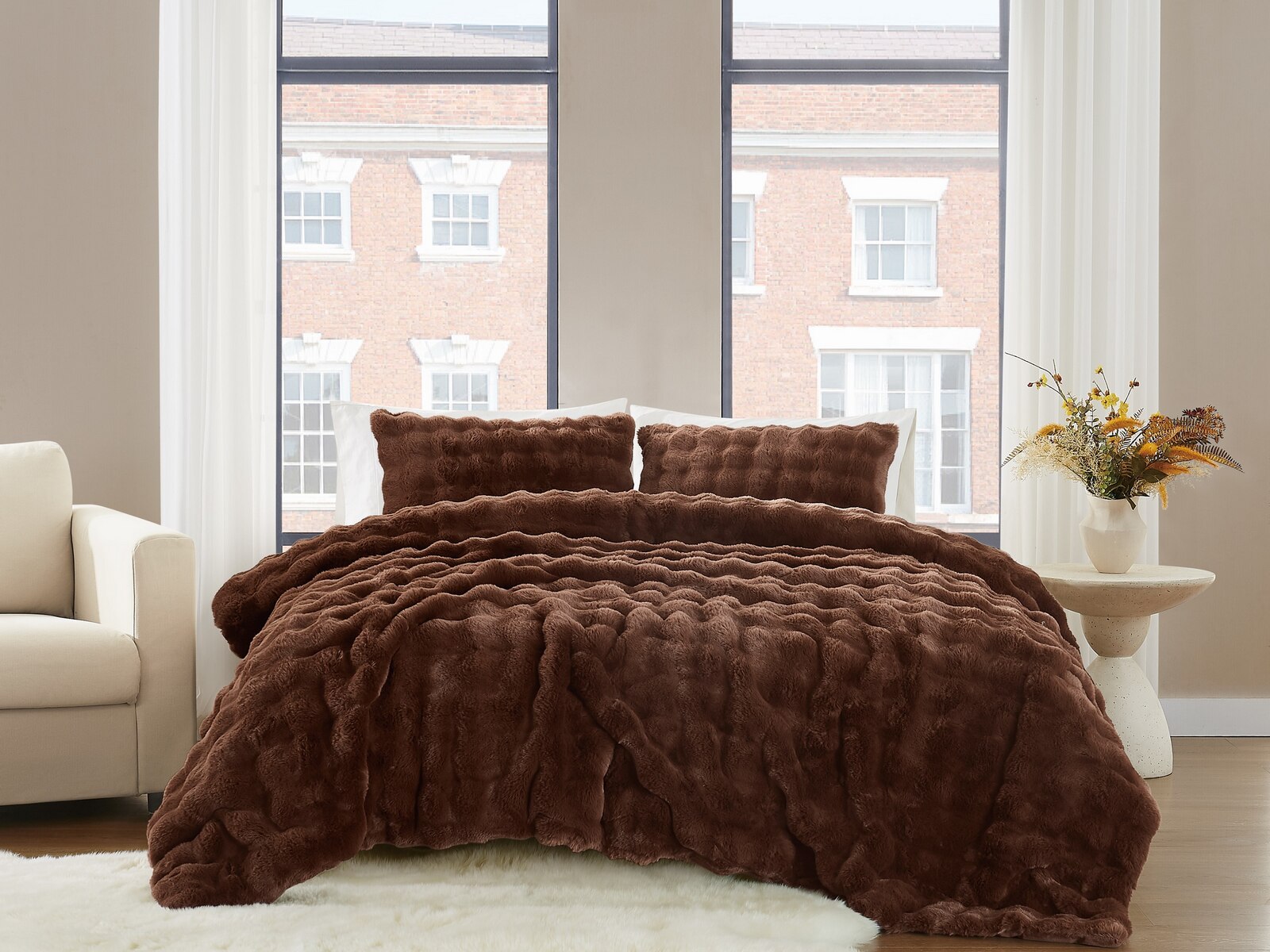
The appearance of a queen comforter can anchor the room without requiring every textile to match. Smooth, solid fabric lets a patterned rug or upholstered headboard take the lead, while stitched geometry, subtle texture or a small-scale print adds interest to a simpler space. White and pale neutrals create a clean backdrop, deeper shades give the bed more visual weight and muted blue or warm taupe can sit comfortably alongside wood furniture. Reversible designs offer another way to vary the look without adding a second bulky layer. For coordinated bedding,
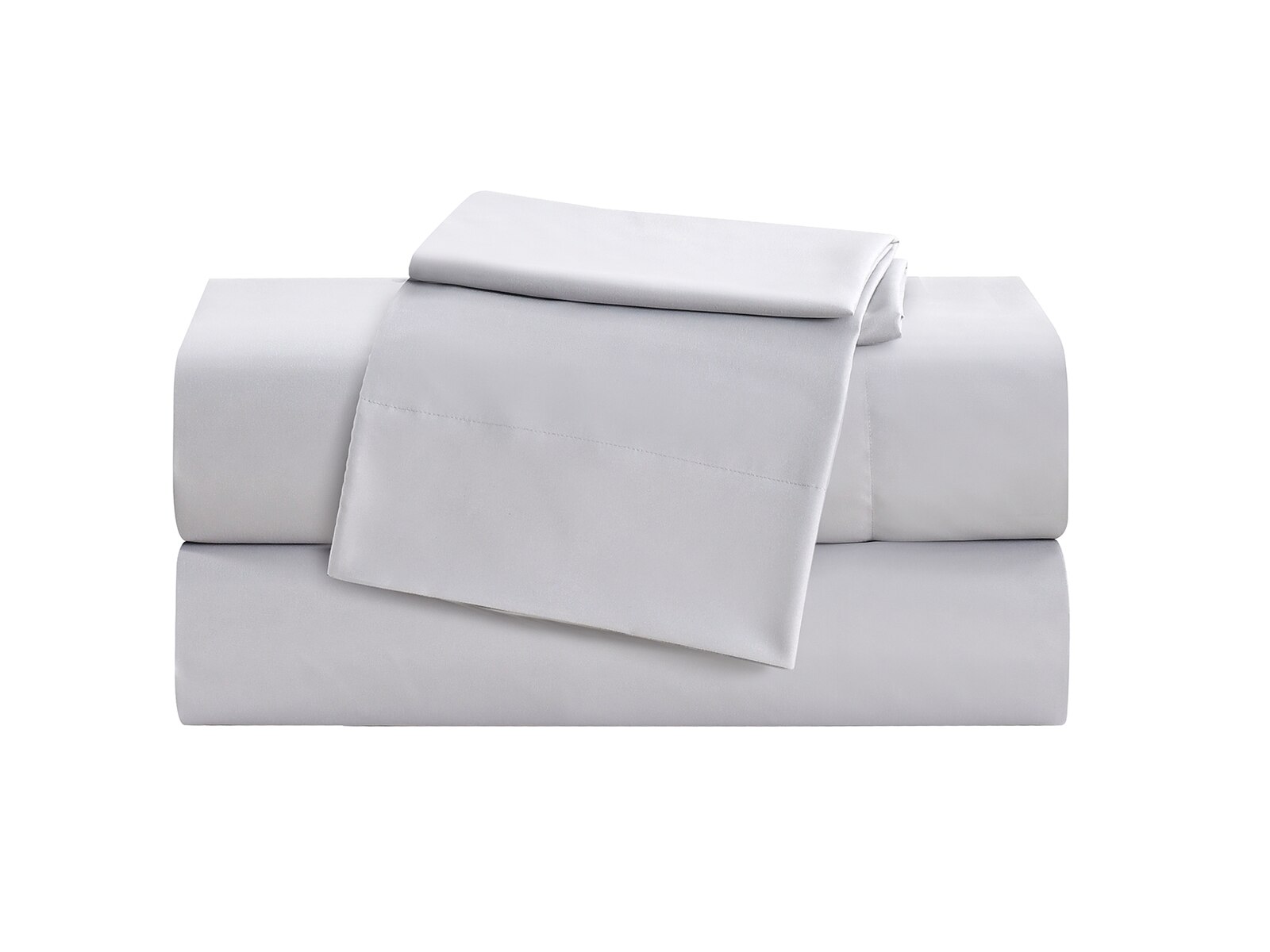
Complete Queen Comforter Sets can simplify pairing the comforter with complementary pieces, though the contents of any set should be checked carefully. Pillow shams are decorative covers rather than filled pillows, and sheets are not necessarily included. Beyond appearance, care requirements can make a meaningful difference in daily life. Machine washable does not mean a filled queen comforter will fit comfortably in every home washer; it needs enough room to move through the wash and rinse properly. Follow the care label for cleaning method, detergent, cycle and drying instructions, and avoid forcing bulky bedding into a drum that is too small. Thorough drying is especially important because moisture can remain inside the fill even when the outer fabric feels dry. If the label permits spot cleaning, addressing a small spill promptly may reduce the need to wash the entire comforter. Regularly checking seams and gently redistributing fill can help maintain an even appearance. When not in use, bedding should be clean and completely dry before being placed in breathable storage. These practical details matter for gifts, too. A queen comforter can be a thoughtful wedding, housewarming or first-apartment gift when the recipient’s mattress size, preferred colors and laundry setup are known. A comfortable feel, suitable coverage and manageable care routine give the bedding a useful place in the room long after the first neatly made bed.