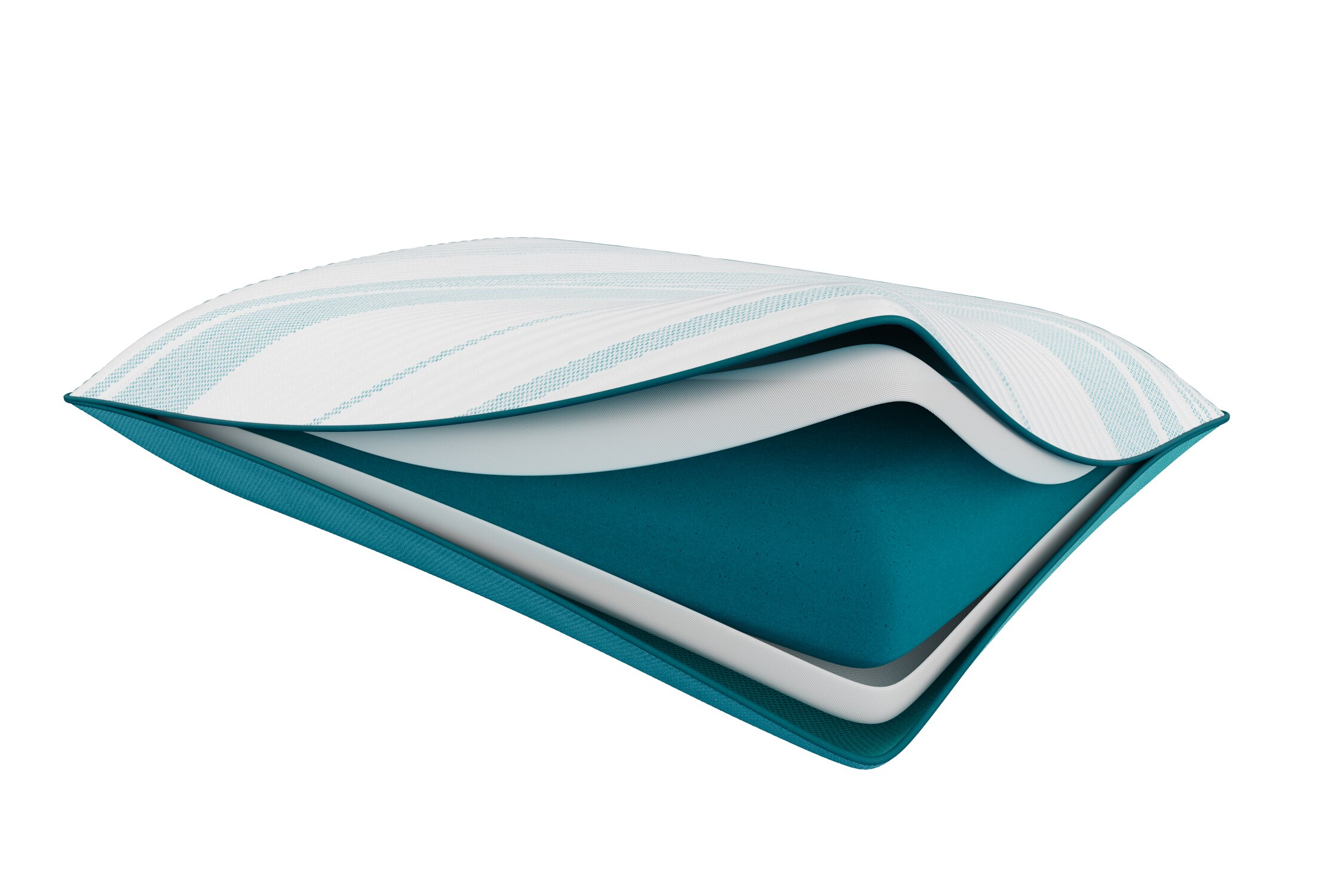
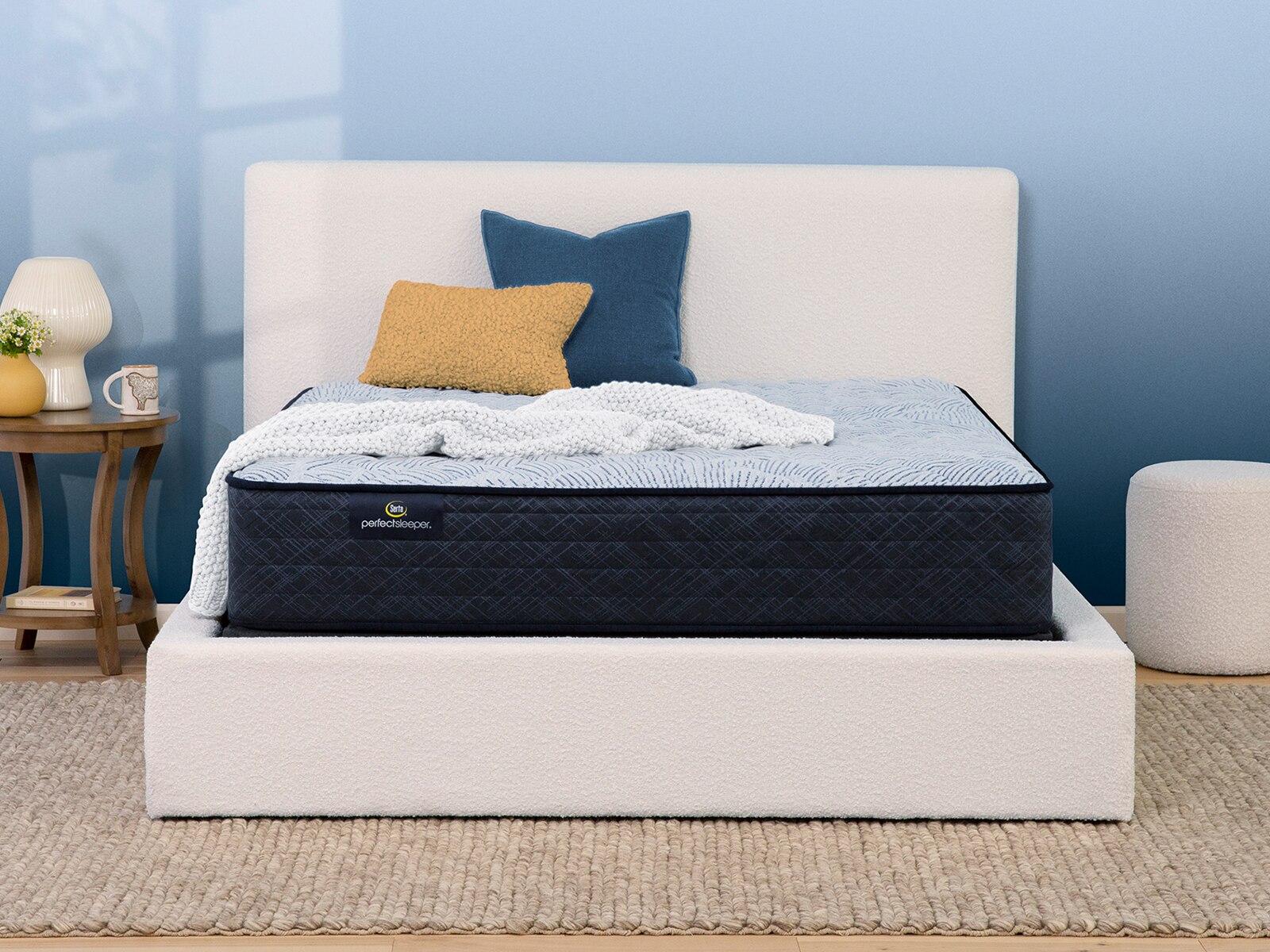
Firm sleep aids are bedding accessories that provide a firmer resting surface or more structured support, such as firm pillows, mattress toppers and positioning cushions. In this context, sleep aids refer to physical comfort accessories rather than sleep medications or supplements. Their purpose is to help shape the feel of a sleep setup, whether that means keeping a pillow from flattening too quickly or adding a more substantial layer beneath the body. Firmness describes how resistant a surface feels when pressed, while support describes how well it holds the body in a comfortable position. The two are related, but a harder surface is not automatically more supportive for every sleeper. Body weight, sleep position and the mattress underneath all influence the result. Someone who sinks deeply into soft cushioning may appreciate a firmer feel, while someone who feels pressure around the shoulders or hips may need more contouring rather than additional resistance. Materials help explain these differences. Memory foam typically compresses around the body and responds more gradually to movement. Latex generally has a springier feel, while fiber-filled constructions vary according to the type of fill, how densely it is packed and whether the fill can be adjusted. A tightly packed pillow can feel substantial at first yet settle differently from a solid foam design over the course of the night. Covers, internal layers and overall thickness also affect comfort, so material names alone do not tell the whole story. For a topper, the goal is to adjust surface feel without expecting it to correct a sagging mattress or an unstable base. A firmer layer placed over a worn sleep surface may still follow the dips beneath it. Checking the condition of the existing mattress and foundation helps separate a comfort preference from a support problem that an accessory cannot resolve. That distinction makes it easier to choose an addition with a realistic purpose instead of simply choosing the firmest feel.
Fit matters just as much as firmness, especially for accessories that sit close to the head, neck or joints. A firm pillow should have an appropriate loft, or height, for the sleeper and the mattress beneath them. Side sleepers often need enough height to fill the space between the head and mattress without tipping the neck upward. Broader shoulders can increase that space, although a softer mattress may allow the shoulder to settle farther down and change the pillow height needed. Back sleepers generally need a profile that supports the neck without pushing the chin toward the chest. Stomach sleepers often find that a lower profile creates less neck bending; a thick, firm pillow can add height where it is not needed. These are starting points rather than fixed rules, particularly for people who change positions. Picture rolling from the back onto one side: a pillow that felt comfortable moments earlier may suddenly feel too low, even though its firmness has not changed. Adjustable fill can offer flexibility when preferences fall between standard profiles, while a shaped construction may appeal to someone who likes a more defined resting area. Positioning cushions can provide a steady surface between the knees or beneath the legs, depending on their intended use, but they should not force a joint into an uncomfortable angle. Dimensions deserve attention as well. A pillow needs a compatible pillowcase that does not compress its shape, and a topper should match the mattress size without leaving edges unsupported. Added topper height may also require deeper fitted sheets. For a shared bed, individual pillow choices can accommodate different preferences without changing the entire surface. When choosing bedding for someone else, knowing their usual sleep position, preferred pillow height and existing mattress feel is more useful than assuming that firm means comfortable for everyone.
Care and construction help determine how well firm sleep accessories hold their feel through everyday use. Before washing anything, check whether the care instructions apply to the entire accessory, only a removable cover or neither. Some fiber-filled pillows can be machine washed when their labels allow it, while many foam cores require spot cleaning and should not be saturated. Thorough drying is important whenever washing is permitted, especially for dense fill that can retain moisture inside after the outside feels dry. A removable, washable cover can make routine upkeep simpler, and a compatible protector can help limit contact with spills and body oils without substantially changing the intended fit. Overly tight covers, however, may compress cushioning and make an accessory feel firmer than expected. With toppers, corner straps or other securing features can help reduce shifting if they are part of the design; the fitted sheet should hold the layers neatly without pulling the corners upward. Follow the manufacturer's directions for airing, rotating or reshaping, since not every construction benefits from the same routine. Durability depends on the material, construction, frequency of use and care, not firmness alone. Persistent flattening, uneven fill, crumbling foam or a shape that no longer recovers can signal that an accessory is no longer providing its original feel. A pillow that needs constant folding to reach a comfortable height may also deserve a closer look. Beyond firmness, the broader range of
Restful Sleep Aids offers another way to consider comfort accessories as part of a complete sleep setup. The most useful choice has a clear role: maintaining a comfortable head position, adjusting surface cushioning or adding support where it is wanted. These accessories are intended for comfort, not to diagnose or treat a sleep disorder. Persistent pain, breathing concerns or ongoing difficulty sleeping call for guidance from a healthcare professional rather than a firmer accessory alone.