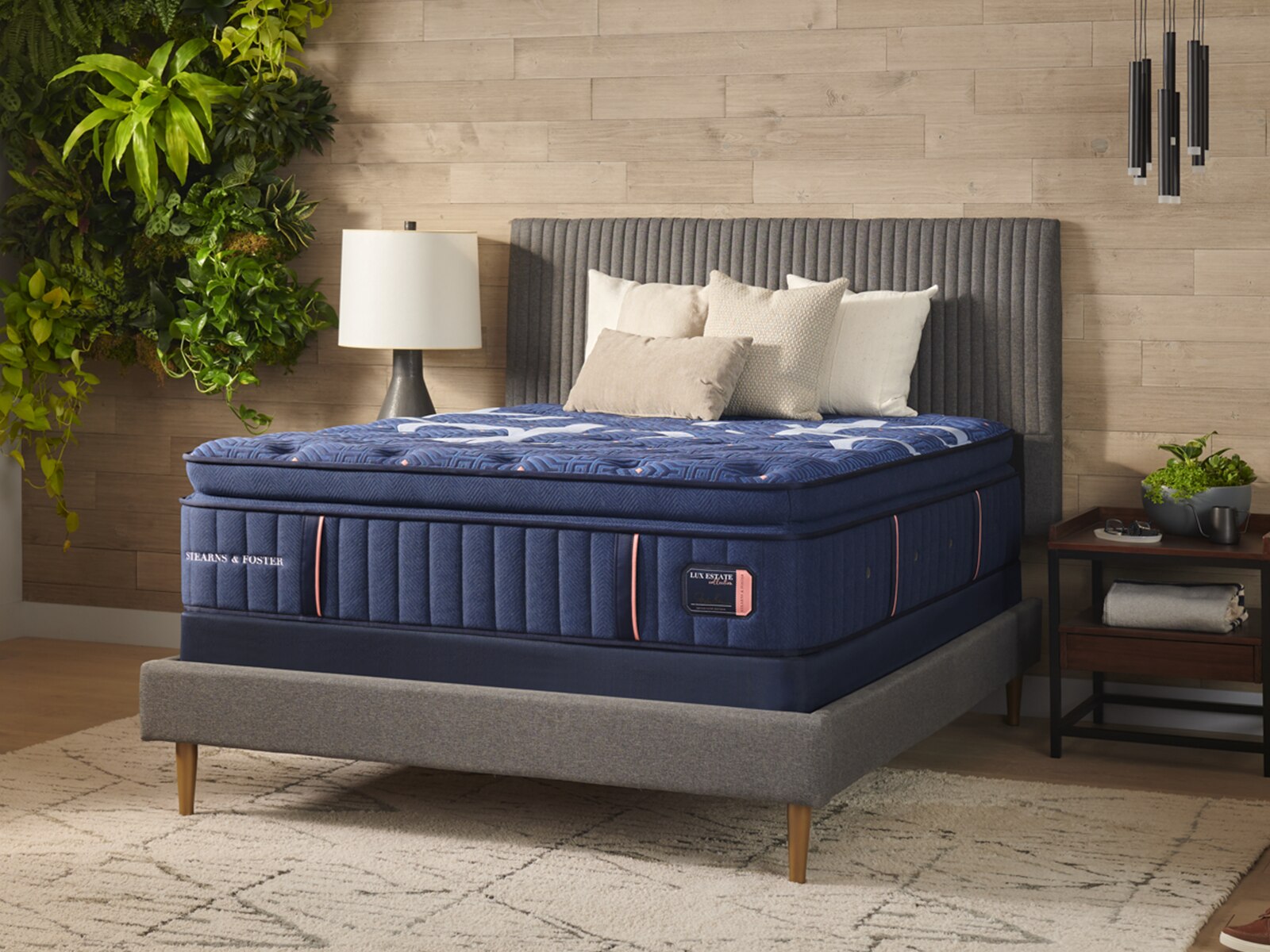
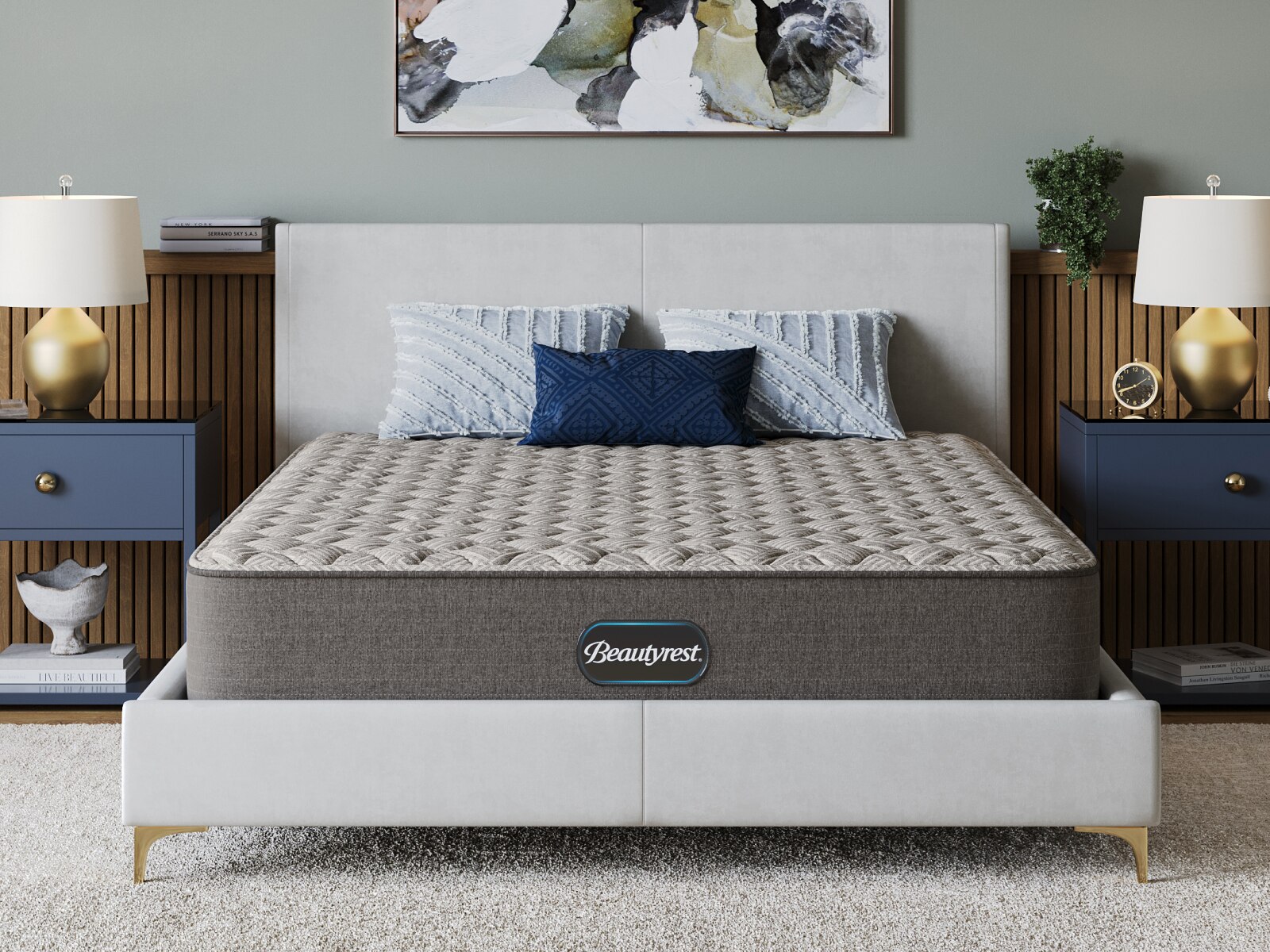
Firm sleeping products include mattresses, toppers and pillows with a more resistant feel, helping create a sleep surface that cushions without allowing as much sinkage. They often appeal to back and stomach sleepers who prefer their hips to stay more level with the rest of their body, as well as anyone who enjoys resting on top of a mattress rather than settling deeply into it. Firmness describes how soft or hard a surface feels; support describes how well it holds the body in a comfortable position. A firm mattress still needs enough cushioning for the shoulders, hips and other pressure points, and a softer mattress can also provide effective support. The right balance depends on sleep position, body size and personal preference. A back sleeper may appreciate a firm surface with gentle contouring beneath the lower back, while a stomach sleeper may prefer less cushioning beneath the midsection. Side sleepers who enjoy a firm feel typically need some give around the shoulder and hip so those areas are not pressed against an unyielding surface. Materials help shape these differences. Firm foam mattresses can offer an even, close-fitting feel, with comfort layers that respond differently to pressure depending on their composition. Memory foam generally contours more gradually, while latex tends to feel more buoyant and responsive. Hybrid mattresses combine a coil support system with foam, latex or other cushioning materials, creating a mix of contouring and spring. Innerspring constructions with thinner comfort layers often have a more immediately responsive feel. None of these constructions is automatically the firmest, and material names alone do not reveal how a finished mattress will feel. Layer thickness, foam formulation and the design of the support system all matter. Even two mattresses described as firm can feel noticeably different when one has a gently cushioned top and the other has a flatter, more direct surface. For someone who changes position frequently, that difference can influence how easily they turn from their back to their side.
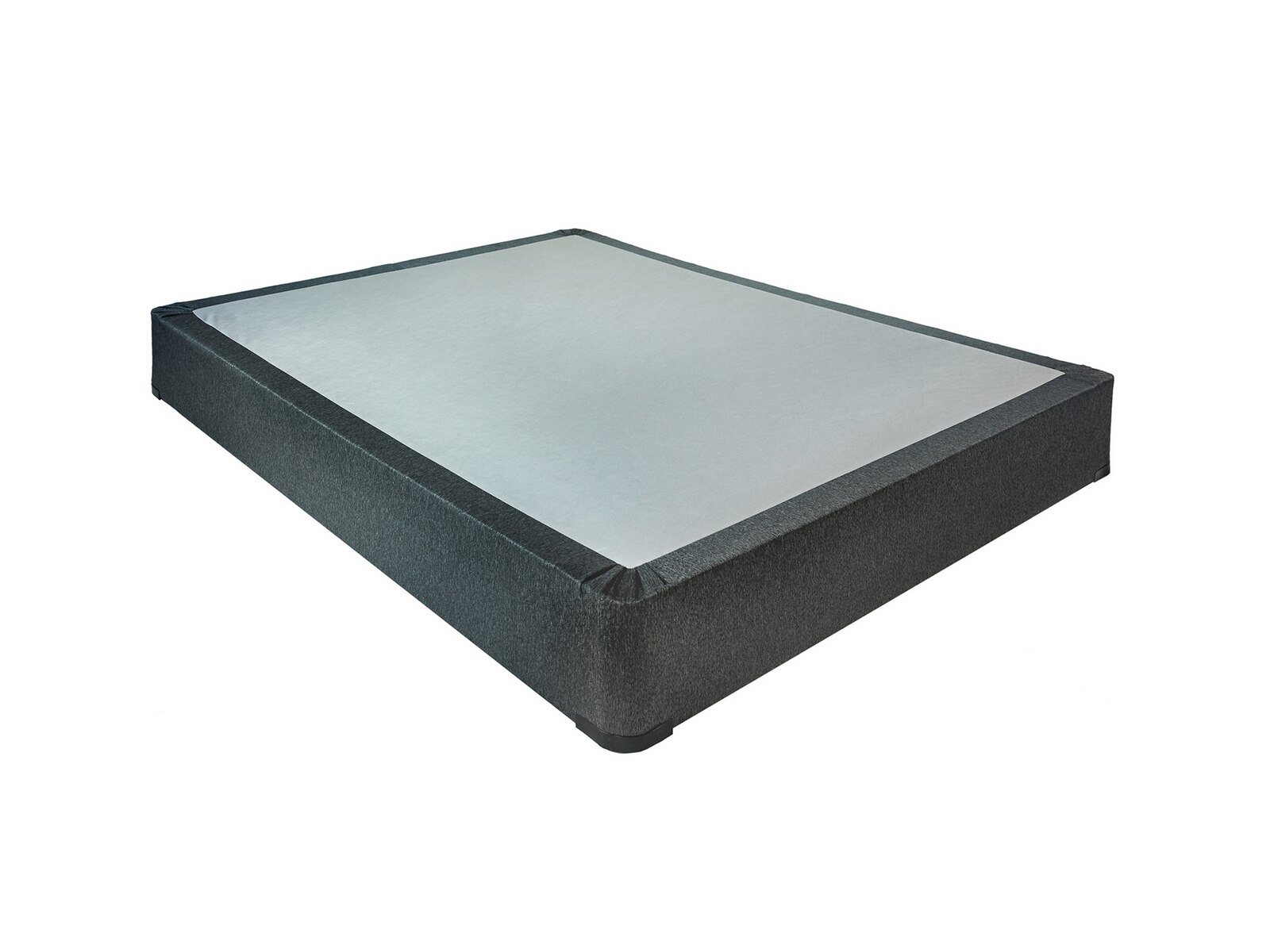
A coordinated sleep setup extends beyond the mattress, especially when a pillow or topper changes the way the body rests against the surface. Firm pillows provide resistance under the head and neck, but firmness and loft are separate qualities: a pillow can feel firm while remaining relatively low. Back sleepers often benefit from a pillow that fills the space beneath the neck without pushing the chin toward the chest. Side sleepers generally need enough loft to bridge the distance between the shoulder and head, while stomach sleepers may prefer a much thinner profile. The mattress underneath affects that fit because shoulders sink to different depths on different surfaces. A pillow that feels balanced on a cushioned mattress may feel too low on a firmer one. Latex, solid foam and densely packed fiber fills can each provide a supportive feel, though their responsiveness, shape retention and adjustability vary. Toppers offer another way to fine-tune surface comfort, with some adding a firmer, more buoyant layer and others providing cushioning over a supportive mattress. A topper cannot repair a sagging mattress or replace a worn support system; it follows the condition of the bed beneath it. Mattress dimensions and foundation compatibility also affect the finished setup. A queen mattress needs a properly sized base, and larger sizes need the center support specified by the manufacturer. Adjustable bases require mattresses designed to flex with their movement, regardless of firmness level. Mattress protectors and fitted sheets should accommodate the combined depth of the mattress and any topper without pulling tightly across the surface. For partners, firmness is only one consideration alongside motion transfer, usable sleeping space and edge support. Someone who sleeps near the edge may value a stable perimeter, while a light sleeper may prioritize materials that reduce movement traveling across the bed. Browsing
Luxury Sleep Products can also connect a preference for a firmer feel with an interest in materials, craftsmanship and finishing details.
Long-term comfort depends on how well firm sleeping products retain their shape and how closely their care matches their construction. Foam density, coil design, fabric quality and the strength of seams all contribute to durability, but no single specification tells the whole story. Higher foam density does not automatically mean a firmer feel, and a higher coil count alone does not establish better support. The materials need to work together under the weight and movement they will encounter through regular use. A mattress used every night by two adults has different demands than one used occasionally in a guest room, yet both need an appropriate foundation and protection from moisture. A well-fitting mattress protector helps limit contact with spills, perspiration and everyday buildup without replacing routine care. Removable pillow covers and washable bedding can make upkeep more manageable, particularly in a frequently used bedroom. Care labels remain important because some foam and latex components should not be machine washed or saturated. Spot cleaning, complete drying and rotation should follow the manufacturer's directions, and mattresses should only be flipped when their construction is intended for use on both sides. Repeatedly sitting in one spot along the edge or placing a mattress on an unsuitable base can affect how evenly it wears. Over time, lasting impressions, uneven areas or a noticeable change in comfort can signal that the sleep setup needs attention. A new pillow may resolve a mismatch in head and neck positioning, but it will not correct a mattress that no longer supports the sleeper evenly. Firm bedding can suit a primary bedroom, a guest space or a room shared by partners with similar preferences, provided the feel matches the person using it. For a gift, firmness is especially personal, so a recipient's preferred sleep position, pillow height and material feel are more useful than assuming that firmer always means better. The most comfortable firm sleep setup combines steady support, appropriate cushioning and a fit that remains comfortable through everyday use.