Restful sleep often begins with a familiar evening rhythm: lights grow softer, the room becomes quieter and cooler, and the day gradually loses its momentum. Restful sleep aids can support that transition by helping create a more comfortable, calming bedtime experience. Some people use them when occasional stress makes it difficult to settle down, while others look for support during travel, schedule changes or the cooler months when bedtime routines may shift. These products can include nonprescription supplements, soothing beverages, relaxation-focused options and other items designed to encourage a sense of calm before bed. Their purpose is not to replace healthy sleep habits or treat an underlying medical condition. Instead, they may serve as one part of a broader routine that helps your mind and body recognize when it is time to rest. Explore
Restful Sleep Solutions to find options that complement the way you unwind. A thoughtful bedtime setup might begin with dim lighting and a few quiet pages of a book, continue with a warm, caffeine-free drink or a calming ritual and end in a bedroom that feels cool, dark and inviting. For many sleepers, the most effective aid is the one that fits naturally into life rather than adding another complicated task to the evening. These options may also make considerate gifts for someone moving into a new home, adjusting to a new schedule or creating a more peaceful guest room. A small comfort-focused gift can turn an ordinary night into a more intentional one, especially when it encourages time away from bright screens and the demands of the day.
When choosing a restful sleep aid, consider what you want it to do, how often you expect to use it and whether it suits your usual bedtime routine. Products intended to encourage relaxation may be a better fit for someone whose thoughts remain active at night, while options that support a consistent sleep schedule may appeal to travelers or people whose work hours change. Certain nonprescription supplements are commonly used for occasional difficulty falling asleep, and some nutrients or botanical ingredients are associated with muscle relaxation or a calmer pre-sleep state. Effects can vary widely from person to person, and natural does not automatically mean risk-free. Read the label carefully, follow the serving directions and avoid taking more than recommended in an effort to fall asleep faster. It is also important to check for potential interactions with prescription medicines, over-the-counter medicines and other supplements. Anyone who is pregnant or nursing, managing a health condition, caring for a child or older adult, or considering regular use should speak with a qualified health care professional first. Sedating ingredients may cause next-day drowsiness, dizziness or impaired coordination, so use extra care with driving and other activities that require alertness. Avoid combining sleep aids with alcohol or other products that cause drowsiness unless a medical professional has specifically advised you to do so. If sleep difficulties continue, become more frequent or include loud snoring, gasping, persistent morning headaches or significant daytime fatigue, professional guidance can help identify the cause. A sleep aid may provide occasional support, but ongoing problems deserve a closer look rather than repeated self-treatment.
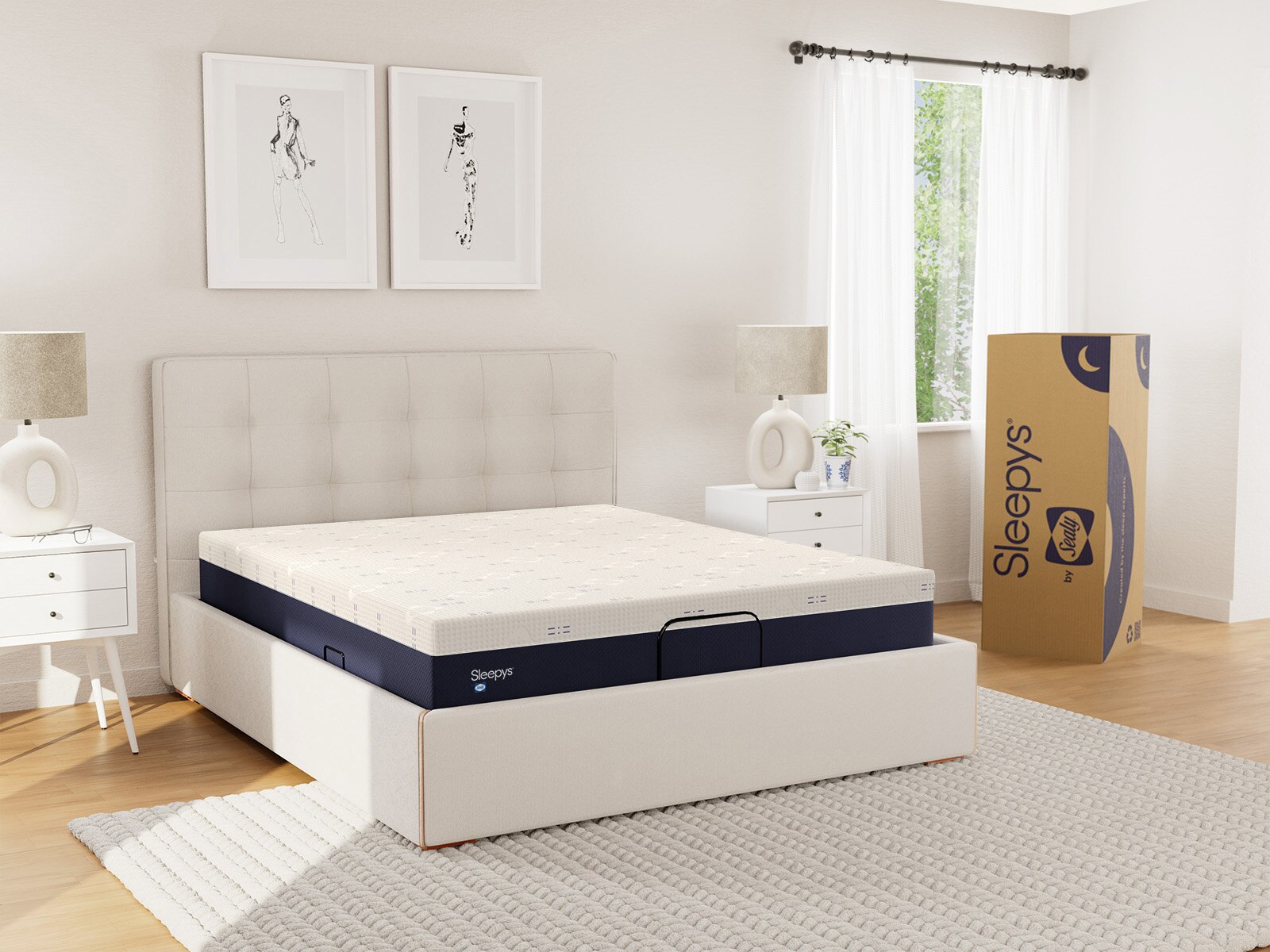
The surrounding sleep environment matters just as much as the aid itself. Keep the bedroom comfortably cool, reduce noise where possible and use curtains, shades or an eye covering to limit unwanted light. A supportive mattress and pillow can help reduce the tossing and turning that comes from pressure or poor alignment, while breathable bedding can make it easier to remain comfortable as temperatures change. Aim to go to bed and wake up at approximately the same times each day, including on days off, so your internal clock receives a steady signal. Try to finish heavy meals several hours before bedtime, limit caffeine later in the day and give your body time to wind down after exercise or demanding work. Set aside bright phones, tablets and televisions before bed when possible, replacing scrolling with stretching, quiet music, breathing exercises or a few minutes of journaling. One simple routine might look like washing up, preparing a calming drink, lowering the lights and settling into bed with the same gentle sequence each night. Repetition can make that sequence feel as familiar as a well-worn path, helping the transition from wakefulness to rest feel less abrupt. The best approach is personal: choose a restful sleep aid that aligns with your needs, use it responsibly and pair it with habits that support comfortable, consistent sleep. We make sleep easy™ by helping you create a bedroom and bedtime routine that feel welcoming from the moment you turn down the covers.