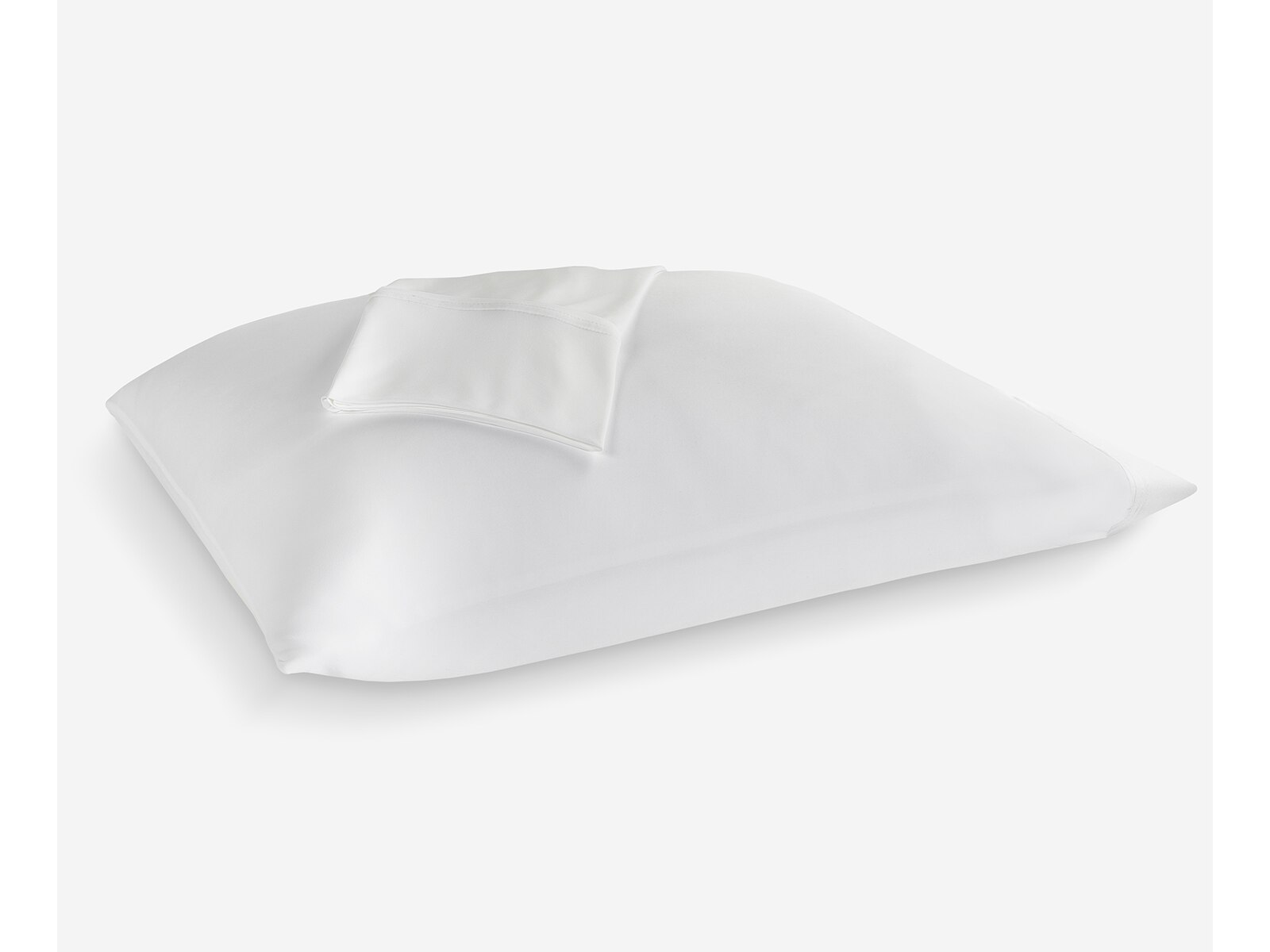
Gifts for people with sleep apnea are most thoughtful when they make an established bedtime routine more comfortable without getting in the way of prescribed treatment. Supportive pillows, soft bedding and easy-care sleep accessories can be useful choices, especially when selected around the recipient’s preferences rather than assumptions about their condition. Sleep apnea involves repeated interruptions in breathing during sleep, and comfort products do not replace medical evaluation or treatment. For someone who uses continuous positive airway pressure, commonly called CPAP, a gift should work alongside the equipment they already use. A pillow’s shape, height and firmness can make a noticeable difference in how comfortably someone settles into bed with a mask and tubing. Contoured designs with recessed edges may provide space around a mask, while adjustable fill allows the sleeper to change the pillow’s loft within its intended design. Neither feature guarantees a secure mask seal, so compatibility with the person’s sleeping position and equipment matters more than a specialized label. Picture a side sleeper whose mask presses against the edge of a standard pillow: space around the face may be welcome, but enough support beneath the neck is still important. A pillow that is too tall or too flat can feel awkward regardless of its other features. Someone who changes positions often may prefer a shape that offers comfortable support across more than one resting position. Before choosing a gift with a very specific contour or feel, knowing whether the recipient likes a springy surface, a gently conforming cushion or loose, adjustable fill can help narrow the possibilities. Any recommendation to change sleeping position should come from the person’s clinician, since the appropriate approach depends on their diagnosis and treatment plan. For a partner, parent or close friend, a familiar comfort preference is often a better starting point than a product that promises to address a medical condition. Keeping the focus on their comfort also makes the gesture feel personal rather than clinical.
Bedding offers another way to give something useful without choosing medical equipment on someone else’s behalf. Materials influence how fabric feels against the skin, how it drapes and how much attention it needs between washes. Cotton can offer a familiar, breathable feel, while linen has a more textured finish that typically softens with laundering. A smooth woven surface feels different from a stretchy knit, even when both use similar fibers, so the recipient’s favorite bedding can provide helpful clues. Thread count alone does not describe softness or durability; fiber quality, construction and finishing also affect everyday performance. For someone who handles a mask and tubing at bedtime, bedding that is comfortable and straightforward to maintain can be especially welcome. Fit deserves equal attention. A fitted sheet should accommodate the mattress’s actual depth, including any topper, without pulling loose at the corners or gathering into uncomfortable folds. Pillowcases need enough room for the pillow’s shape without compressing its contours, and an unusual pillow profile may require a matching cover. If the bed has an adjustable foundation, bedding should accommodate its movement without excessive tension. Durable seams, secure elastic and care instructions that suit the household’s laundry routine can matter more over time than decorative details. Machine-washable covers make regular care easier, but a removable cover does not necessarily mean the pillow’s inner material can be washed. Foam, loose fill and specialty fabrics may require different cleaning methods, making the care label an important part of the gift. Familiar, fragrance-free laundering may also be appreciated by someone sensitive to scented products. For blankets and other layers, consider how easily the sleeper can reposition them independently. Heaviness is not automatically comforting, and weighted bedding should not be assumed appropriate for someone with a breathing disorder; its suitability is worth discussing with their clinician. Softness, manageable weight and uncomplicated care offer practical benefits without making claims about treating sleep apnea.
Larger bedroom gifts call for a closer understanding of how the recipient sleeps and what their existing setup can support. An adjustable foundation may appeal to someone who enjoys changing position for reading or settling into bed, but compatibility with the mattress, frame and room layout needs to come first. Ease of operation, accessible controls and the ability to enter and leave the bed comfortably are important considerations. Elevating the head of the bed is not a substitute for prescribed sleep apnea treatment, and a clinician can advise whether a particular position belongs in the person’s care plan. Even smaller comfort gifts should fit the space around the bed. Someone who uses CPAP may need an uncluttered bedside surface and a clear path for tubing, with the machine positioned according to its manufacturer’s instructions. A gift that crowds that area or interferes with ventilation can create more inconvenience than comfort. Similarly, background sound may make a bedroom feel more restful for some sleepers or their partners, but it should not obscure equipment alerts that need to be heard. The recipient’s routine is a useful guide: a person who reads before putting on a mask has different preferences from someone who prepares everything early and goes straight to sleep. Shared beds introduce another consideration, since fabric feel, pillow size and adjustable features can affect both sleepers. A quiet conversation about favorite textures, washing preferences and available space often leads to a more welcome gift than guessing. Related comfort-focused inspiration can also be found among
Gifts For Sleep Disorders, with the same emphasis on individual needs rather than a single solution for everyone. The most meaningful choice is something the recipient can comfortably make part of everyday life: bedding that fits properly, a pillow that suits their preferences or support that works with the bed they already enjoy. A well-chosen gift respects both their personal taste and the treatment routine they have established.