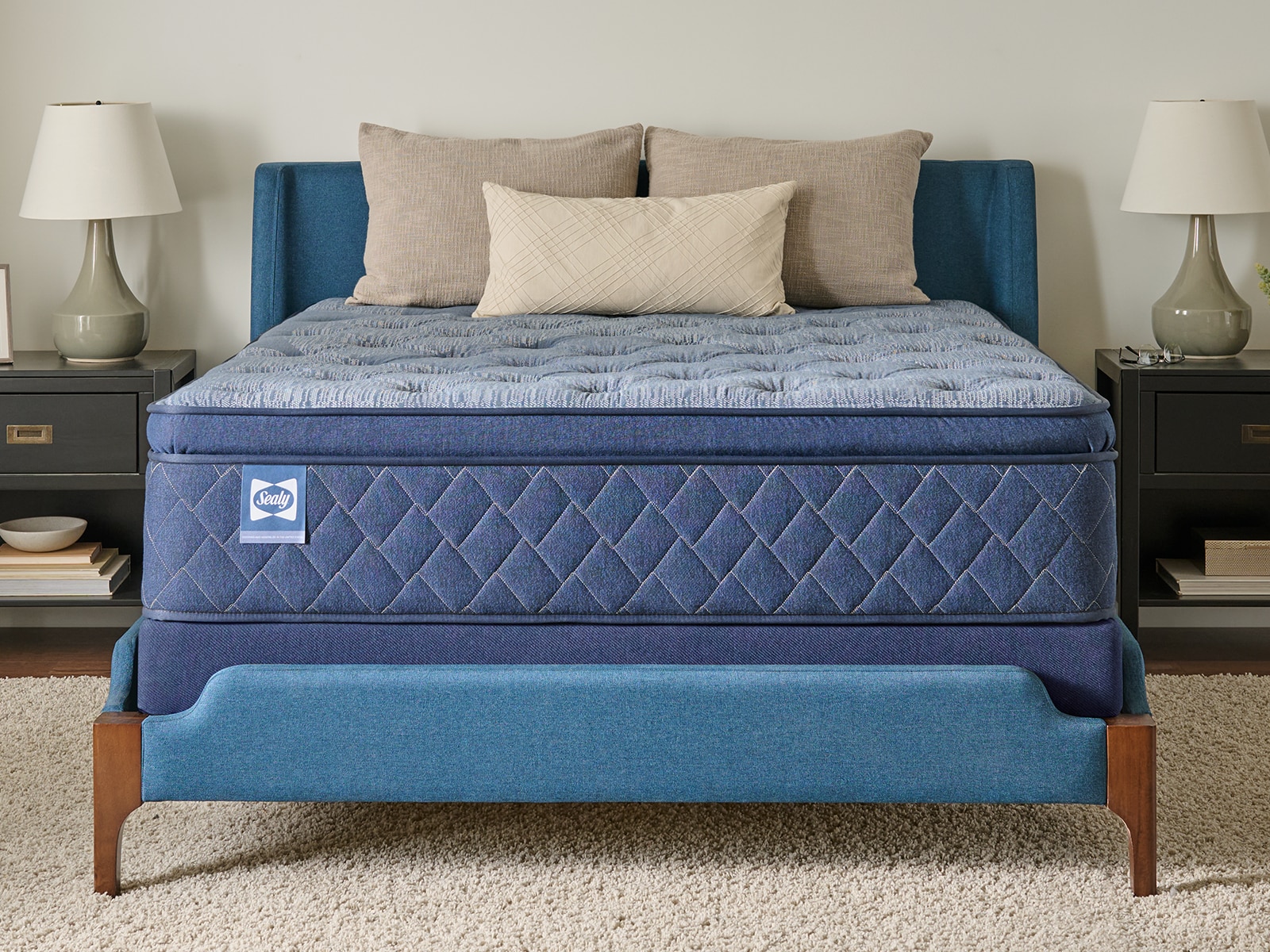
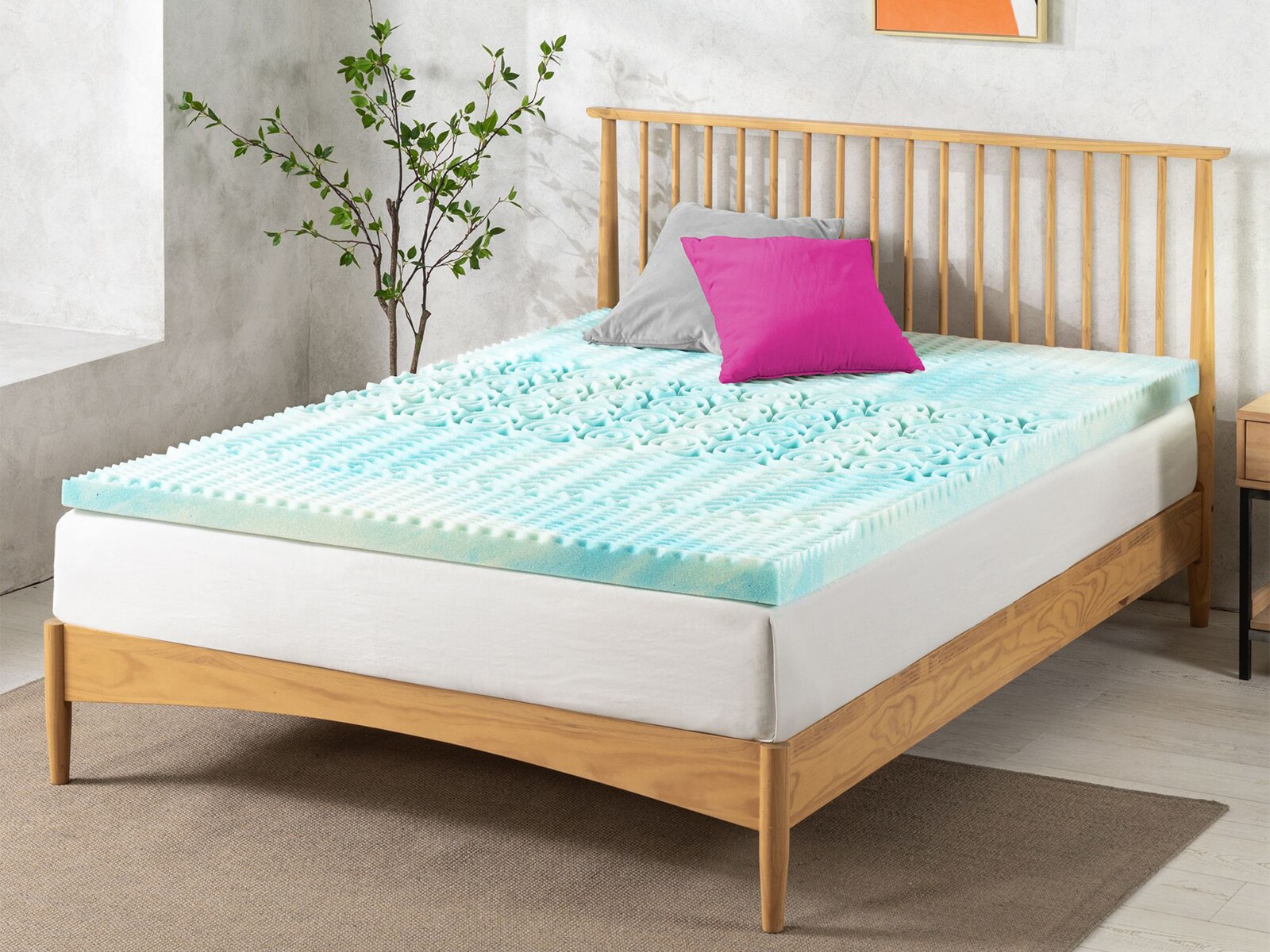
Restless sleep solutions include supportive mattresses, properly fitted pillows and bedding that can help reduce discomfort during the night. These essentials address the physical side of sleep, from pressure at the shoulder to a pillow that needs constant folding, while consistent sleep habits support the broader picture. Occasional position changes are normal, but repeatedly shifting to find a comfortable spot can be a reason to look more closely at the sleep surface. A mattress should allow the shoulders and hips to settle comfortably while supporting the rest of the body, rather than leaving the lower back feeling unsupported. Side sleepers often appreciate cushioning around prominent pressure points, while back and stomach sleepers may need a steadier surface that limits excessive sinking. Body size, preferred position and personal comfort all affect how a mattress feels; the same construction can feel quite different to two people. Foam can contour closely and absorb some movement, while responsive latex tends to regain its shape quickly. Innerspring constructions provide a buoyant feel, and hybrid designs combine coils with cushioning layers. None of these materials is automatically the best answer for restless sleep. Someone who changes positions frequently may prefer a surface that makes turning easier, while a person disturbed by a partner’s movement may place greater importance on motion isolation. Shared beds also need enough usable space for each person to settle without feeling crowded. Stable edges can make the perimeter feel more secure when sitting or moving toward the side. Firmness and support are related but different qualities: a cushioned surface can still provide support, and a firm feel alone does not guarantee a comfortable fit. When comparing these options, everyday experiences are useful clues. A shoulder that feels compressed, a waist that seems unsupported or the sensation of rolling toward the center can each point to a different comfort mismatch. The goal is not to prevent every movement, but to create a surface that requires less adjustment to feel at ease.
Pillows and bedding matter because they shape the space closest to the body. A pillow that is too tall or too flat can leave the head tilted, even when the mattress underneath feels supportive. Side sleepers generally need enough pillow height to fill the space between the head and mattress, while back sleepers often prefer a profile that supports the neck without pushing the chin forward. Stomach sleepers may feel more comfortable with a lower profile. Mattress cushioning changes this fit, too: as the shoulder sinks farther into the surface, the gap beneath the head becomes smaller. Fill material affects both feel and upkeep. Shredded foam and fiber fills can have a more moldable feel, while a solid foam core offers a more consistent shape. Some pillows allow fill adjustments, which can be useful when small changes make a noticeable difference. A pillow between the knees may make side lying more comfortable for some people, and support beneath the knees may help others settle while lying on their back. These are comfort preferences, not treatments for an underlying condition. Sheets, covers and protectors should also fit without creating friction or bunching. A fitted sheet with the appropriate pocket depth is less likely to pull loose when someone turns, and a smooth protector should not noticeably change the mattress feel. Cotton, linen and performance fabrics differ in texture, moisture handling and care requirements, so the most suitable choice depends on how the fabric feels against the skin and how it fits into everyday washing routines. Breathable layers and a manageable bedding weight can support comfort without making the bed feel restrictive. For a person who repeatedly kicks off tangled covers or wakes on a wrinkled sheet, these details can be as relevant as the mattress itself. Bedding that stays in place helps preserve a comfortable surface as sleep positions change.
Lasting comfort also depends on how the sleep setup is used and maintained. A mattress needs a compatible foundation or bed frame with the support specified by its manufacturer; an unsuitable base can affect both the feel and the condition of the mattress. Rotation may help distribute wear when the care instructions recommend it, but not every construction should be flipped. Washable covers, clearly stated care directions and secure seams make routine upkeep easier to manage. Protectors can help shield the sleep surface from everyday moisture and spills, while regular laundering keeps sheets and pillowcases fresh. Cleaning methods should match the material, since excessive moisture or heat can damage some foams and fills. Durability is best considered through construction details, appropriate use and changes in performance rather than appearance alone. A pillow that no longer holds its shape or a mattress with a persistent depression may no longer provide the same comfort it once did. Exploring
Healthy Sleep Solutions can help put these individual choices into the context of a complete sleep setup, where the mattress, pillow and bedding complement one another. Comfort products work best alongside habits that give sleep a consistent place in the day. Keeping a regular wake time, allowing a quieter period before bed and limiting late-day caffeine can support more settled nights. A dark, quiet bedroom can also reduce distractions that bedding alone cannot address. For someone who lies awake replaying tomorrow’s responsibilities, a supportive surface may remove a physical distraction without resolving the mental one. Persistent restlessness deserves attention beyond the bedroom setup, particularly when it occurs with loud snoring, gasping, an uncomfortable urge to move the legs or substantial daytime sleepiness. A healthcare professional can help identify causes that comfort products cannot treat. The role of restless sleep solutions is to make the bed a more comfortable, supportive place to rest, with materials, fit and care requirements suited to the person using them.