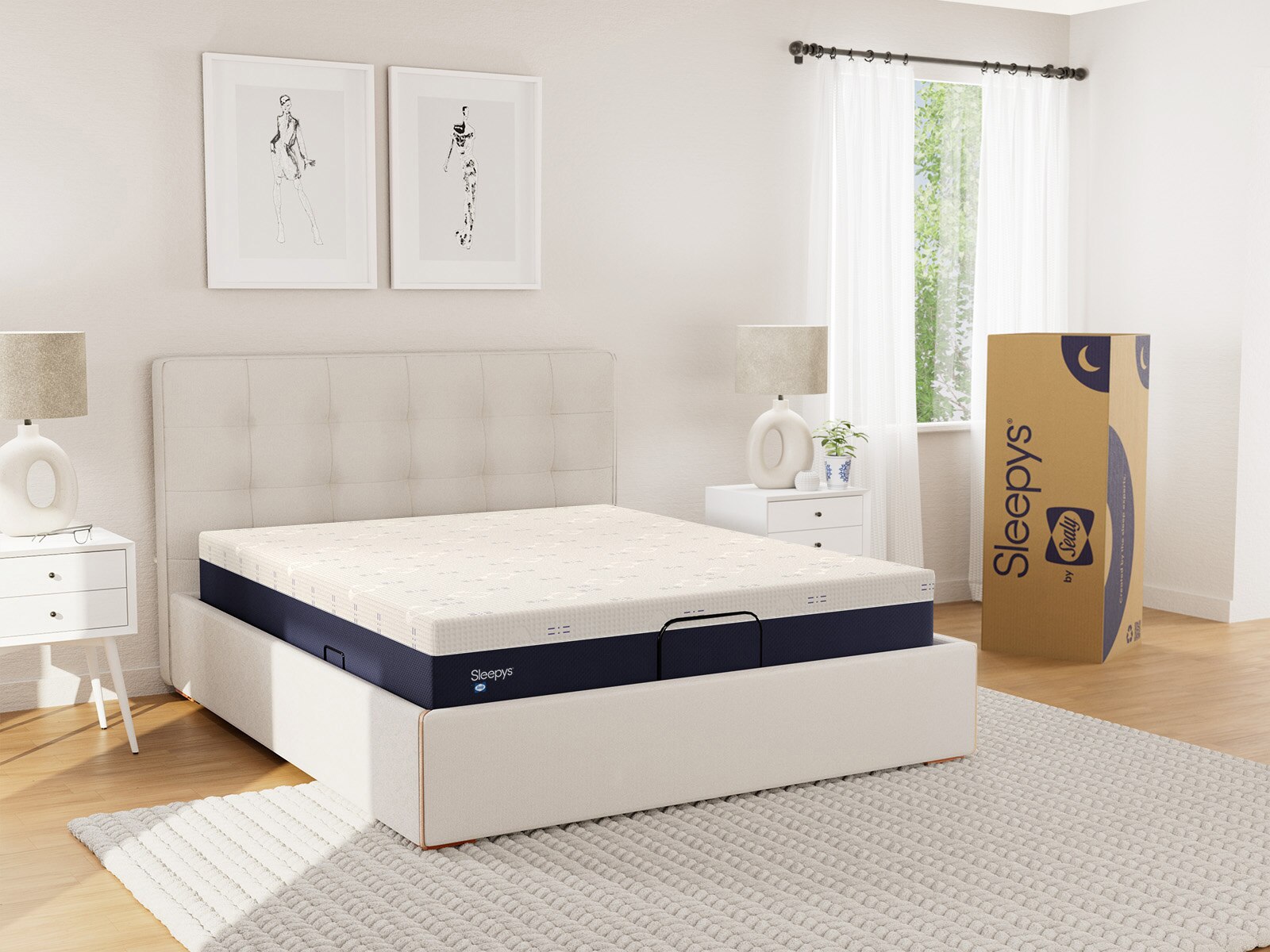
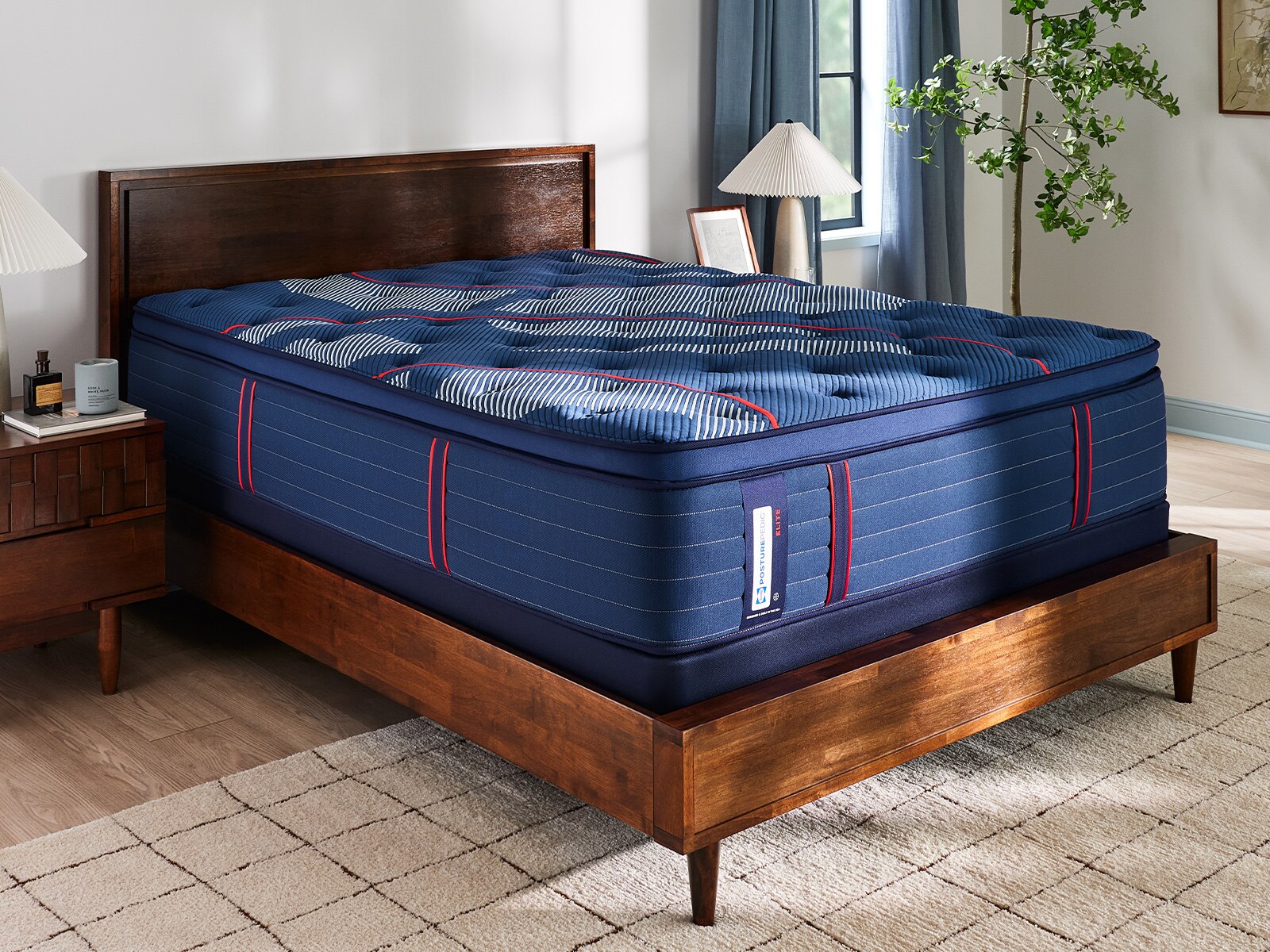
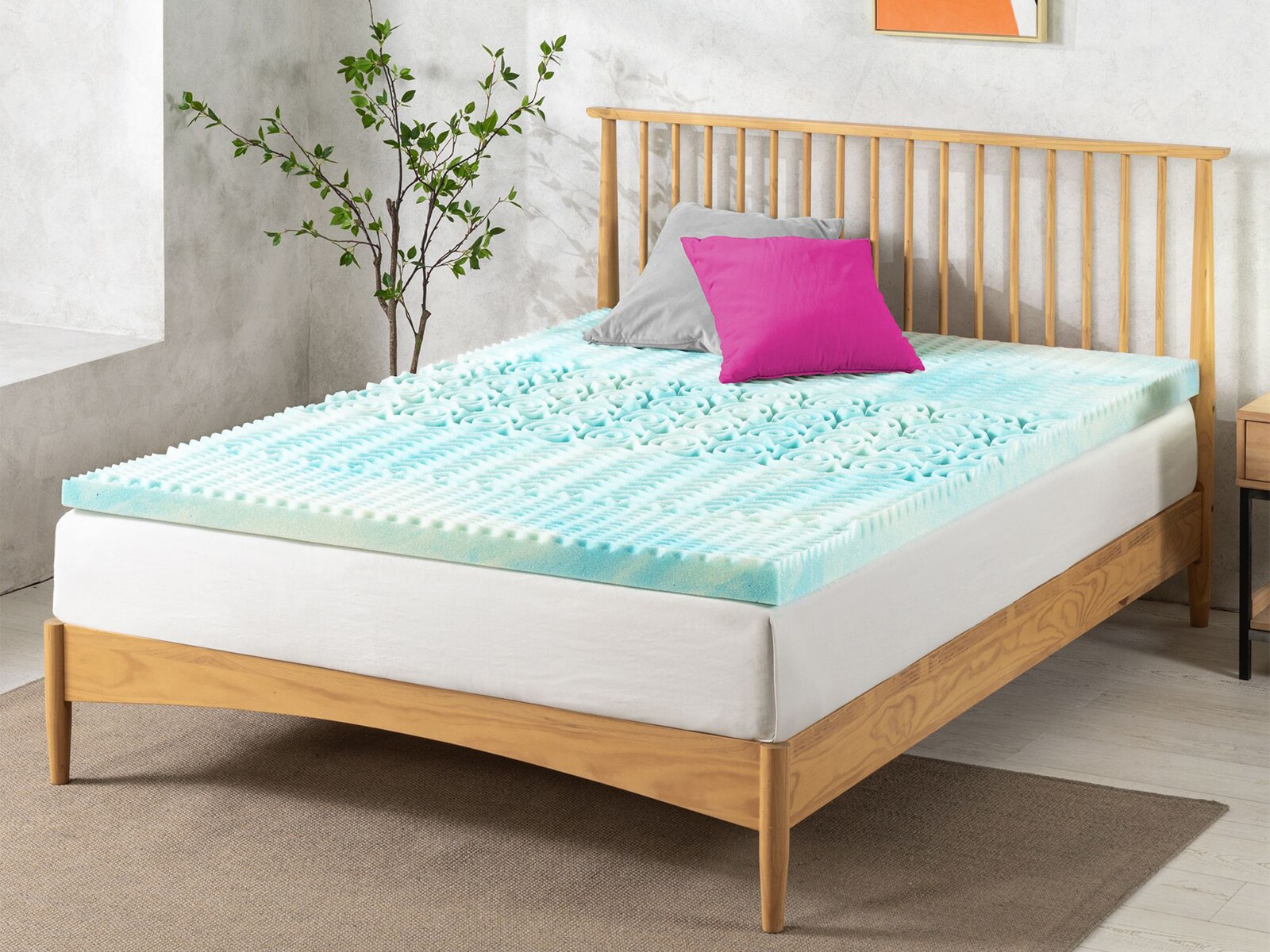
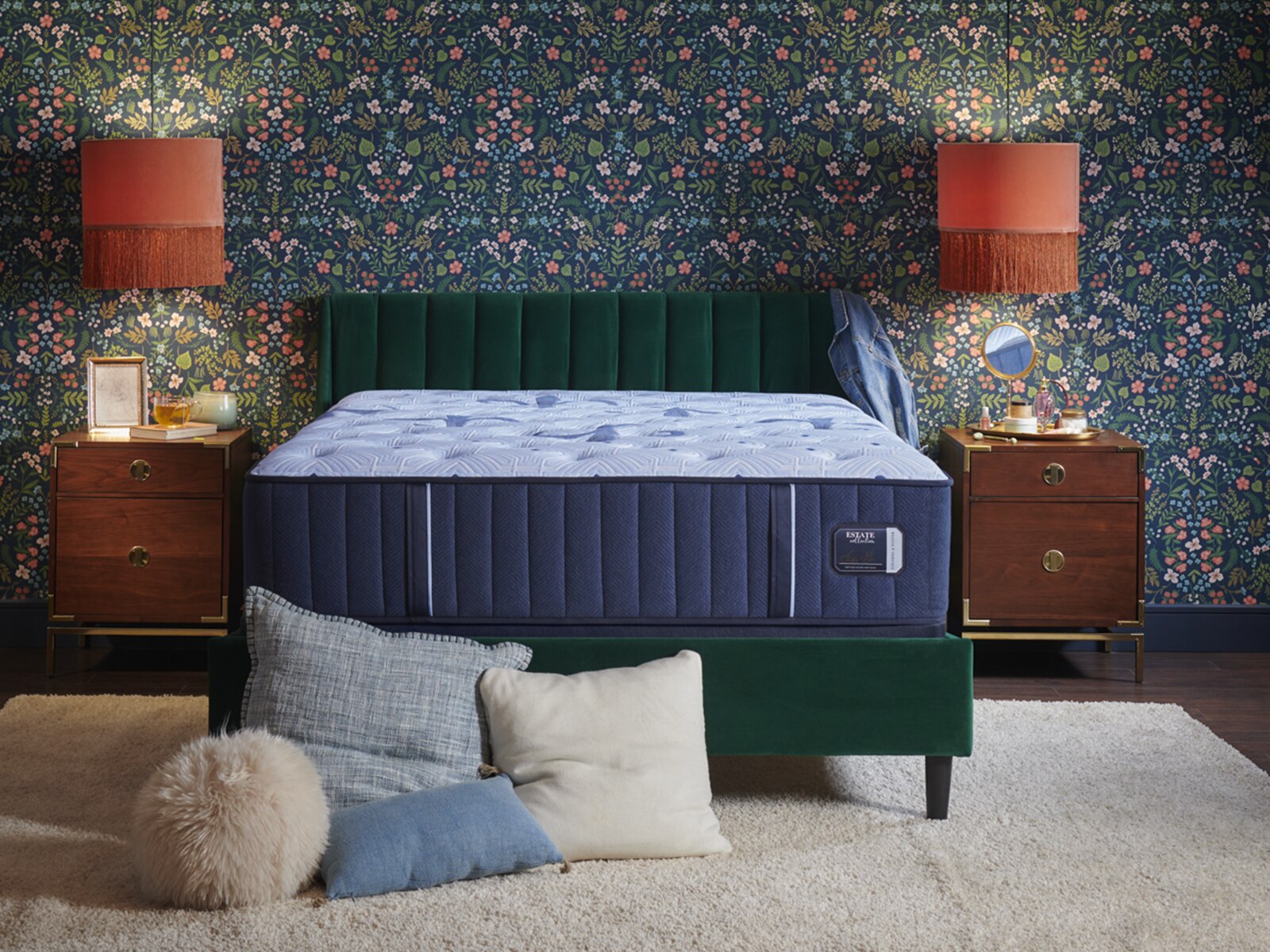
Restful sleep solutions are products that help create a comfortable, supportive sleep environment, including mattresses, pillows, bedding, bed foundations and accessories that reduce unwanted light or distracting sound. Their purpose is to address everyday comfort needs, such as a pillow that leaves the neck tilted, a mattress that transfers a partner’s movement or sheets that pull loose when someone changes position. A good starting point is the relationship between support and cushioning. Support helps hold the body in a comfortable resting position, while cushioning softens contact at areas such as the shoulders and hips. Firmness describes how a mattress feels; it does not, by itself, tell the whole story about support. A softer surface can still provide support, and a firmer surface may not suit every sleeper. Side sleepers often appreciate cushioning that allows the shoulder and hip to settle without leaving the waist unsupported. Back sleepers may prefer a surface that follows the body’s contours without allowing the pelvis to sink excessively. Stomach sleepers often need a flatter resting position that limits deep sinking through the middle. Body size, personal preference and how often someone changes positions also influence the fit. Foam comfort layers can provide close contouring, while coil systems often create a more responsive feel. Hybrid construction combines these materials, though the feel depends on the complete design rather than the category alone. For someone who shares a bed, motion isolation can matter when a partner turns over or gets up before sunrise. Usable space matters, too: a mattress should fit both the sleeper and the room, with enough clearance to move around the bed comfortably. Edge support may be helpful for someone who regularly sits at the bedside to put on socks. These practical details make sleep comfort personal, connecting the way a product is built with the way the bed is used each night.
Pillows and bedding complete that relationship between the body and the sleep surface. Pillow height should account for sleep position, shoulder width and how deeply the body settles into the mattress. A side sleeper may need enough loft to fill the space between the shoulder and head, while a back sleeper may find a lower profile more comfortable. Stomach sleepers generally benefit from minimal loft rather than a pillow that lifts the head sharply. Foam fills can offer a consistent, contouring shape; fiber fills often have a softer, more adjustable feel. Neither material is automatically the better choice, and the cover, construction and care requirements matter alongside the fill. Sheets should feel comfortable against the skin and stay secure through ordinary movement. Cotton is familiar for its softness and breathability, while other fibers and blends can offer a smoother finish, stretch or easier care. Thread count alone does not establish quality, since fiber quality, weave and finishing also affect feel and durability. Fitted-sheet pocket depth should accommodate the full mattress height, including a topper when one is used. A protector adds a washable barrier against everyday spills and moisture, but its backing, closure and fit can affect how the bed feels and sounds. A loose protector that bunches beneath the sheets may become noticeable whenever the sleeper turns. For a broader look at comfort accessories,
Restful Sleep Aids offers another place to explore products intended to complement a sleep setup. Light-blocking accessories may be useful for someone resting during daylight hours, while sound-masking accessories can help make intermittent household noise less noticeable. Any accessory worn against the face should fit comfortably without feeling tight. Washable covers, secure seams and straightforward care instructions are practical considerations for products used night after night. Following the manufacturer’s washing and drying directions helps preserve fabrics and fills; more frequent washing is not always better if the material requires gentler handling. Allowing washed bedding to dry completely before returning it to the bed also supports everyday cleanliness.
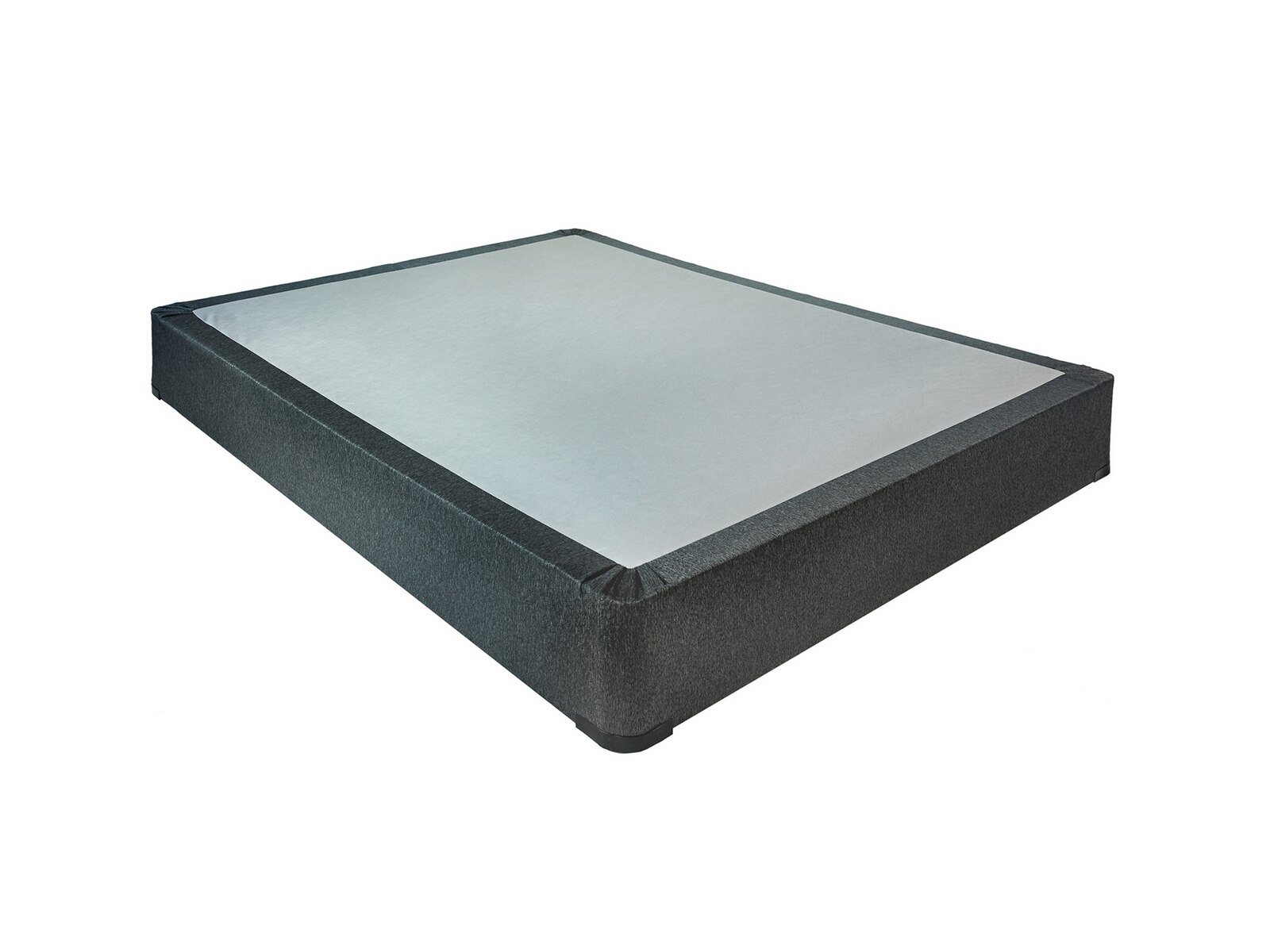
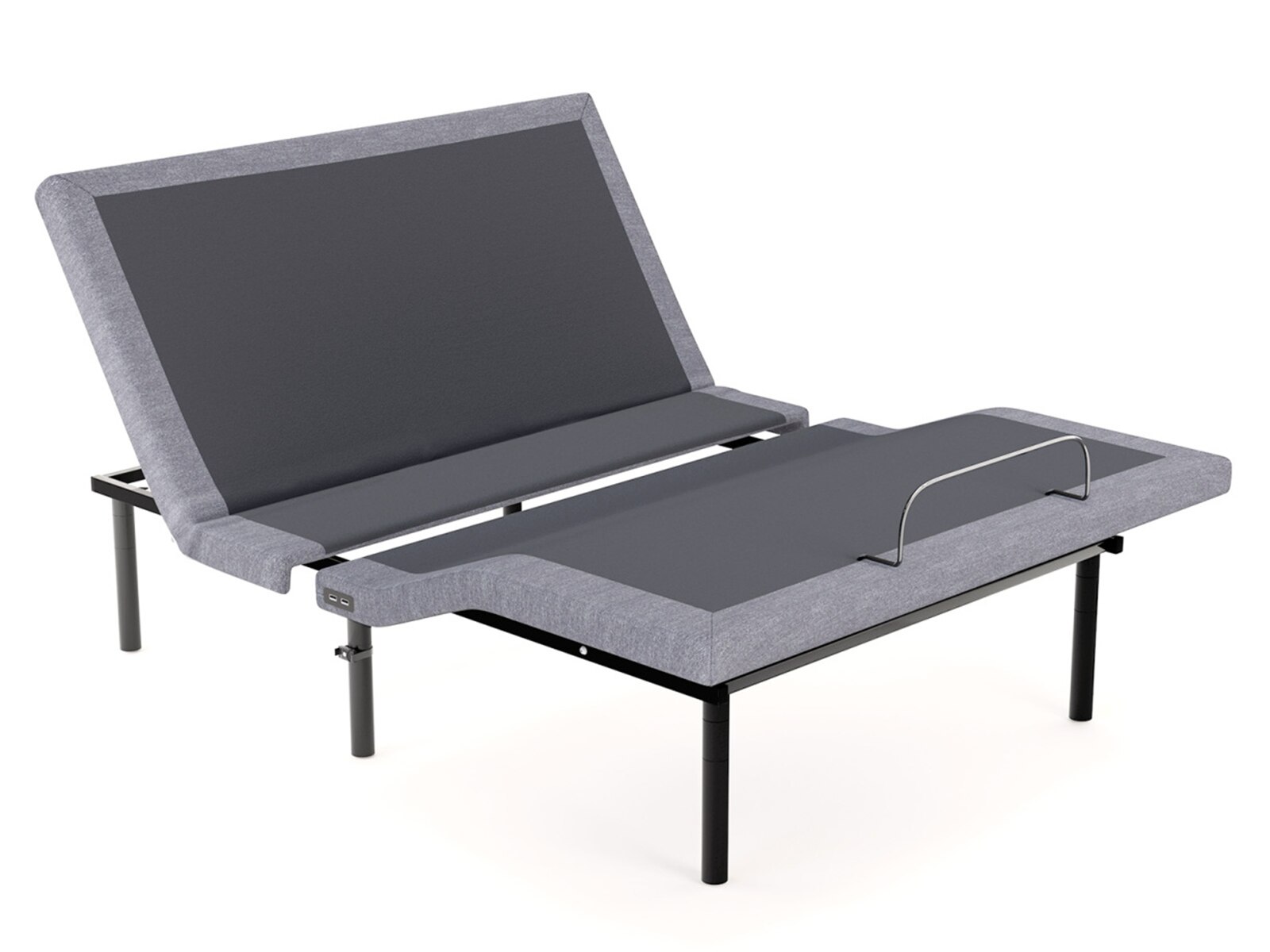
The foundation beneath a mattress deserves attention because comfort depends on more than the top surface. A compatible base should provide the support specified by the mattress manufacturer, whether that means a particular slat spacing, a solid platform or another approved construction. An adjustable base can make reading or resting in bed more comfortable by changing the position of the head or legs, but the mattress must be designed to flex with it. Sheets, protectors and nearby furniture also need to work with the base’s movement. Durability is best considered across the entire setup: resilient cushioning, sturdy frame connections, well-finished fabric seams and replaceable or washable covers all contribute to dependable everyday use. No single material guarantees a particular lifespan. How often a product is used, how it is maintained and whether it has the right support underneath all influence how it holds up. Visible sagging, persistent lumps or a pillow that no longer returns to its shape can signal that comfort has changed. The right combination of sleep products will also depend on the person and the setting. A guest bed benefits from versatile cushioning and bedding that is easy to launder between visits. Someone furnishing a first apartment may place greater importance on room dimensions and manageable care requirements. A person who reads in bed may value position flexibility, while a couple may prioritize enough space and less transferred movement. Bedding can also be a thoughtful housewarming or wedding gift when the bed size, fabric preferences and care needs are known; mattresses and pillows usually require more personal input. These products support comfort rather than diagnose or treat a medical condition. Persistent difficulty sleeping, frequent loud snoring, breathing pauses or pronounced daytime sleepiness warrant a conversation with a healthcare professional. Treatment for a diagnosed sleep disorder may involve prescribed equipment or other clinical care, which is separate from selecting a comfortable mattress or pillow. Within that distinction, restful sleep solutions serve a clear everyday purpose: making the bed better suited to the person using it, with appropriate support, comfortable materials and practical details that hold up to regular use.