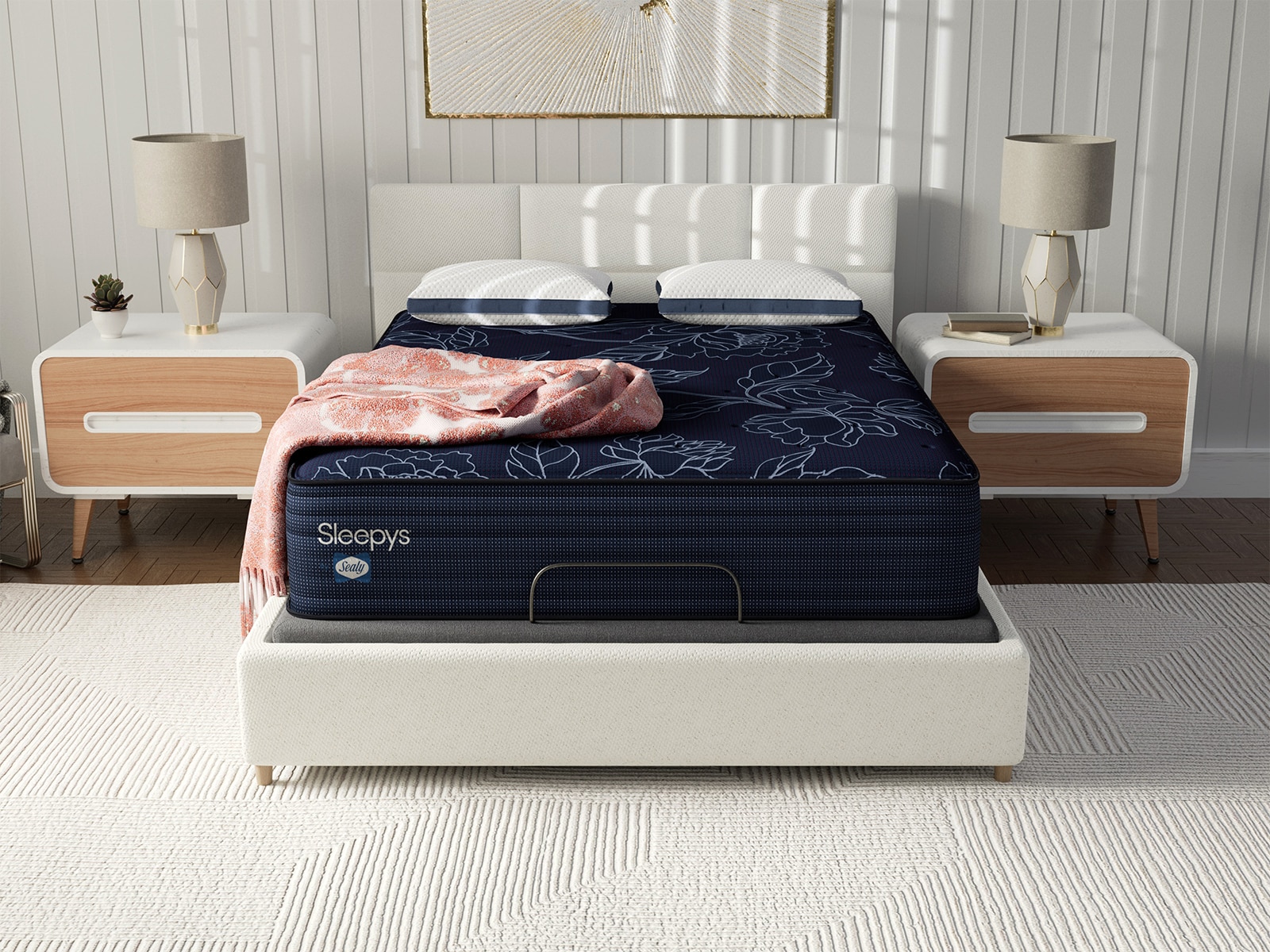
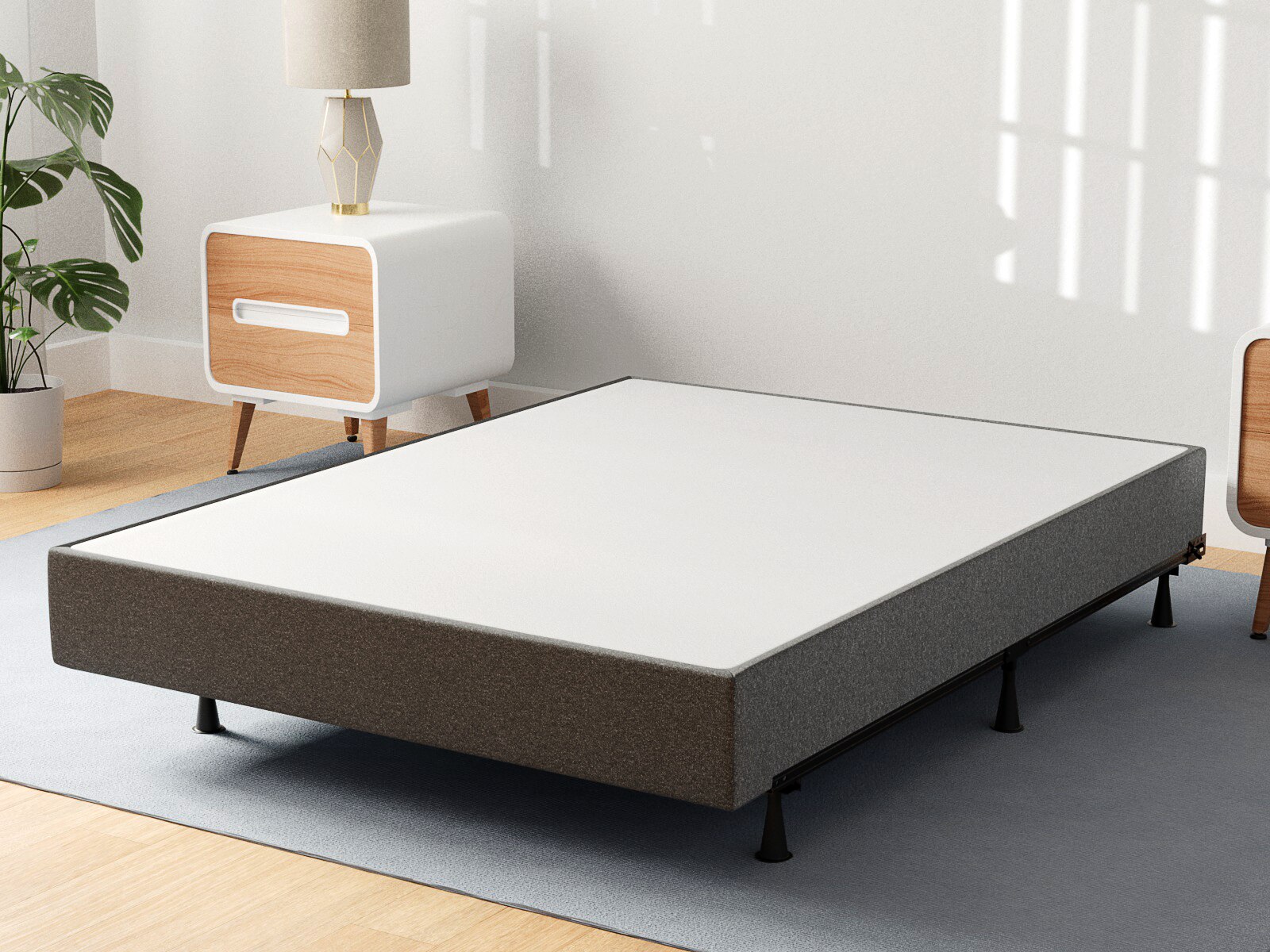
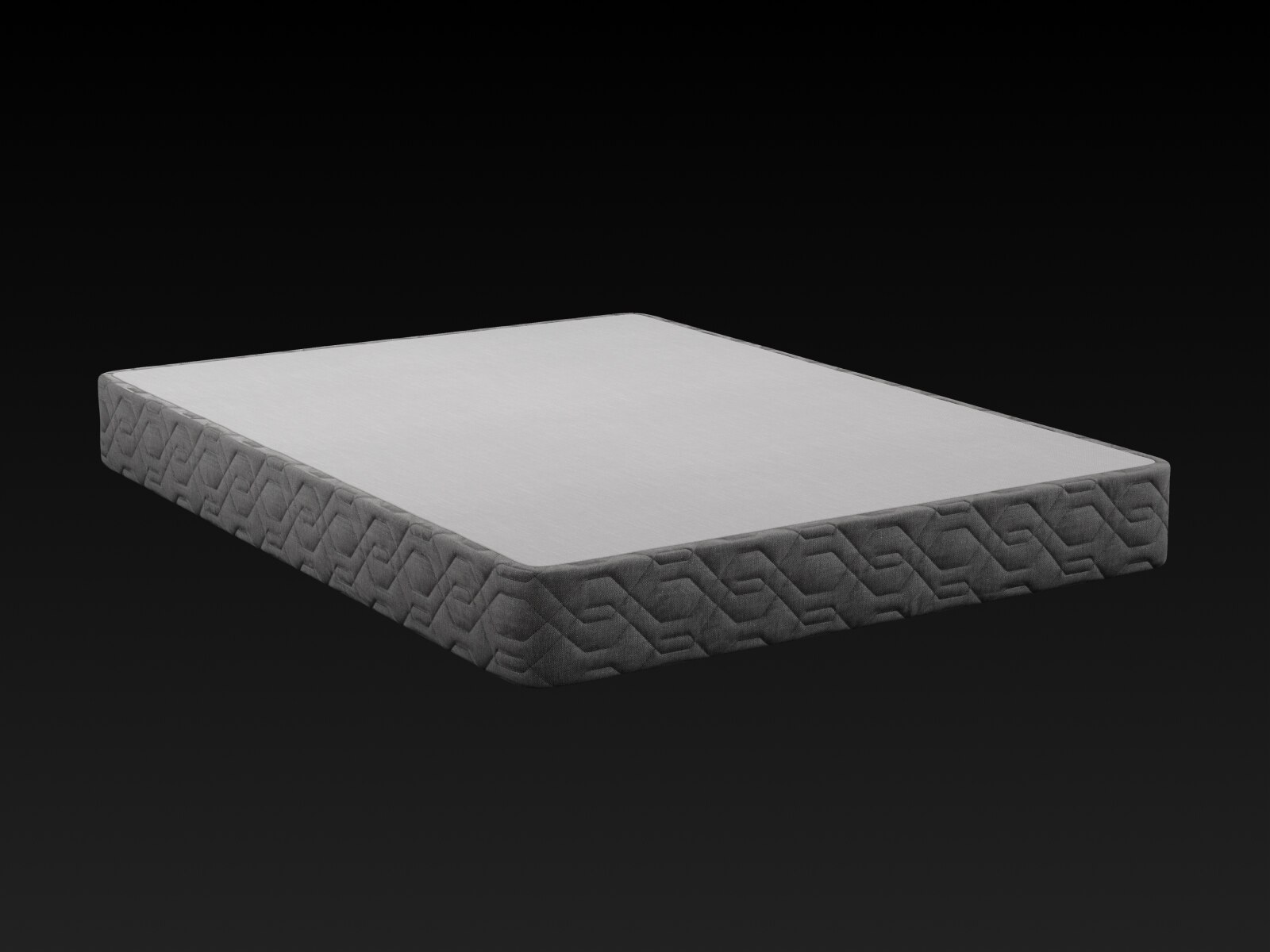
Solutions for sagging mattresses include properly fitted foundations, supportive bed frames and replacement mattresses when internal materials have worn out. A topper can change surface comfort, but it cannot repair a collapsed support core or permanently correct a deep dip. The right choice depends on whether the unevenness comes from the mattress itself or the structure underneath it. A shallow body impression in a quilted cover is different from a lasting hollow that draws both sleepers toward the middle of the bed. Likewise, a mattress resting on bowed slats may feel uneven even when its internal layers still have useful life. Foundations and frames provide the stable platform that allows those layers to work as intended. When comparing these categories, consider the mattress dimensions, required slat spacing, center support and total weight the base must accommodate, including the mattress and sleepers. A frame that fits around a mattress is not necessarily supportive enough beneath it. Larger beds may require center rails and legs that reach the floor, while some mattress constructions need closely spaced slats or a compatible solid surface. Traditional box springs, rigid foundations and adjustable bases are not interchangeable for every mattress, so the mattress manufacturer’s requirements matter more than the familiar name of the base. A support board is not a universal fix, either: it may change ventilation or conflict with the intended foundation design, and it cannot restore damaged foam or broken springs. Rotation may redistribute wear when the mattress manufacturer recommends it, but it does not rebuild compressed materials. These distinctions make support products most useful when the underlying problem is an unsuitable or deteriorating base rather than structural damage inside the mattress. For a bed that slopes toward one corner or feels lower along the center rail, matching the mattress with an appropriate, intact foundation can address a support problem without adding unnecessary layers on top. Persistent sagging despite adequate support generally points toward mattress replacement rather than another surface adjustment.
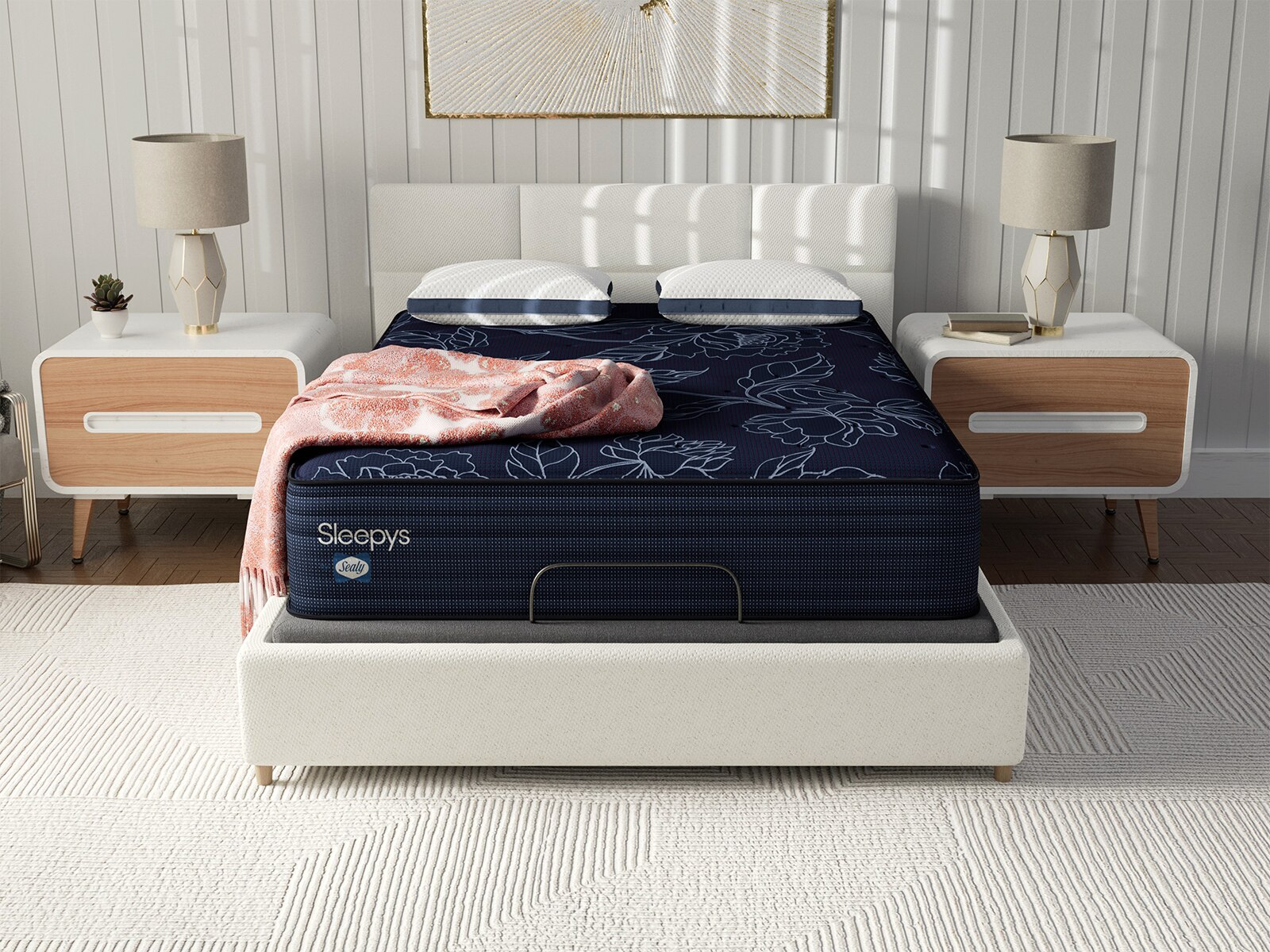
Replacement mattresses offer a more complete solution when deep impressions remain after the bed’s foundation has been confirmed suitable. Construction deserves as much attention as the initial feel of the surface. Foam mattresses use layered materials to balance cushioning with support, and the quality and density of those layers can influence how well they withstand repeated compression. Density is not the same as firmness: a softer foam can be relatively dense, while a firm-feeling foam is not automatically more durable. Latex provides a responsive feel that rebounds readily after pressure is removed, although overall performance still depends on the mattress design and supporting base. Innerspring and hybrid constructions use coils for support, with comfort layers above them that may include foam, latex or fiber. Coil count alone does not describe the strength or longevity of the finished mattress; the coil design, surrounding materials and way the components work together also matter. Reinforced edges can make sitting at the side of the bed feel steadier, but edge support should not be mistaken for protection against sagging throughout the sleep surface. Browsing
Anti Sagging Mattresses offers another way to explore options with support and durability in mind. Comfort remains personal, and the firmest surface is not necessarily the best match. A side sleeper may need cushioning around the shoulders and hips, while a stomach sleeper may prefer less give beneath the midsection. For partners with different body sizes or sleep positions, consistent support across the usable surface can be particularly important. Someone who wakes near the center despite starting on one side may be noticing a dip rather than simply preferring a softer feel. Mattress height, foundation height and sheet depth also affect everyday fit, especially when replacing a thick pillow top with a different construction. No mattress is immune to wear, and a plush surface is not automatically a sign of weak support. The more useful comparison is how the complete mattress suits the sleeper, the base and the way the bed will be used.
Mattress toppers belong in this assortment as comfort adjustments, not structural repairs. They can be appropriate when a sound, level mattress feels too firm or its surface cushioning no longer suits the sleeper’s preferences. Memory foam offers a close, contouring feel, latex tends to feel more buoyant and fiber-filled layers add a softer, lofted surface. Thickness changes both the feel and the finished height of the bed, so a substantial topper may also affect fitted sheets, mattress protectors and the ease of getting in and out. On a deeply sagging mattress, however, a topper generally follows the depression underneath; adding more cushioning may leave the sleeper in the same hollow with a softer layer above it. That limitation matters just as much in a guest room as in a primary bedroom. An occasionally used bed still needs a stable frame and an even support surface, while a bed used every night benefits from components matched to the sleepers’ combined weight and regular movement. Care can help preserve those components, although it cannot reverse structural wear. Washable protectors help keep spills and everyday soil away from the mattress, and a secure fit prevents loose fabric from bunching beneath the sheets. Cleaning methods should follow the care label, since soaking foam or enclosing damp materials can create additional problems. Removable covers are not always washable, and a zipper does not necessarily mean a cover is intended to come off. Rotation is appropriate only when recommended, and most one-sided mattresses should not be flipped. Frame connections, slats and center supports also deserve attention over time, particularly after a move or a change in mattress size. Durable support comes from the whole setup working together: a suitable mattress, a compatible base and care that respects the materials. For a bed with lasting depressions, replacing the worn component is more dependable than concealing the unevenness beneath another layer.