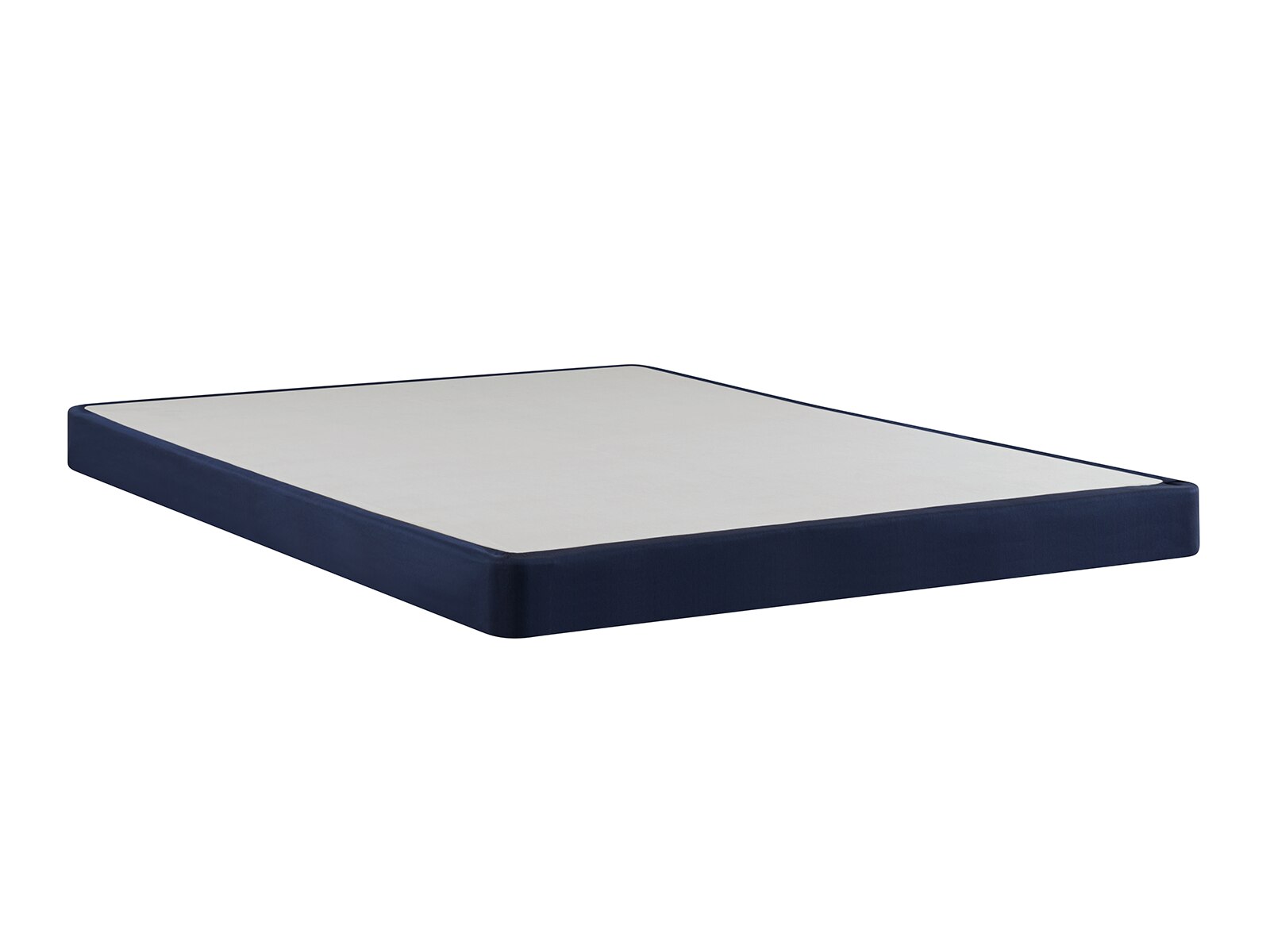
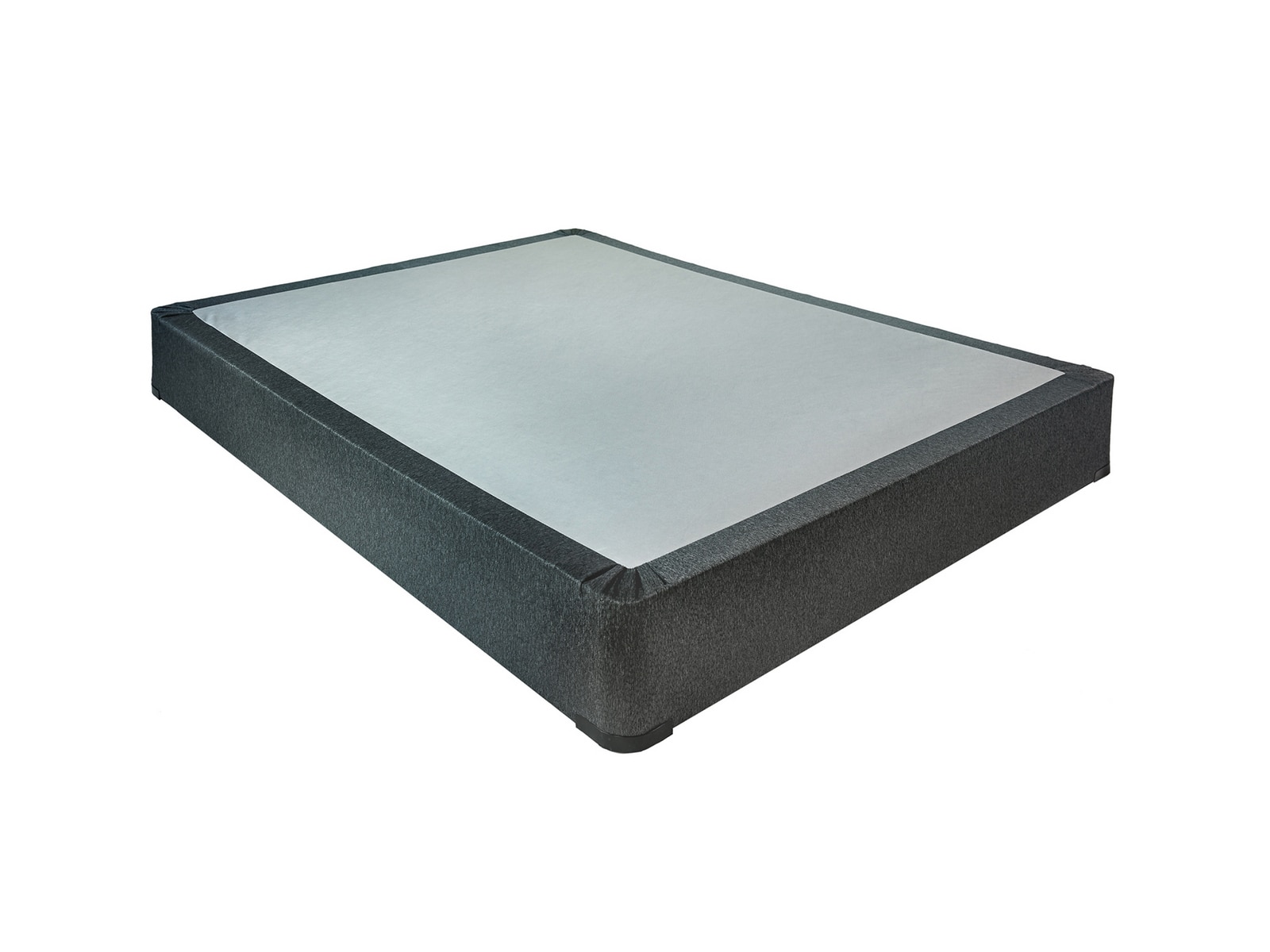
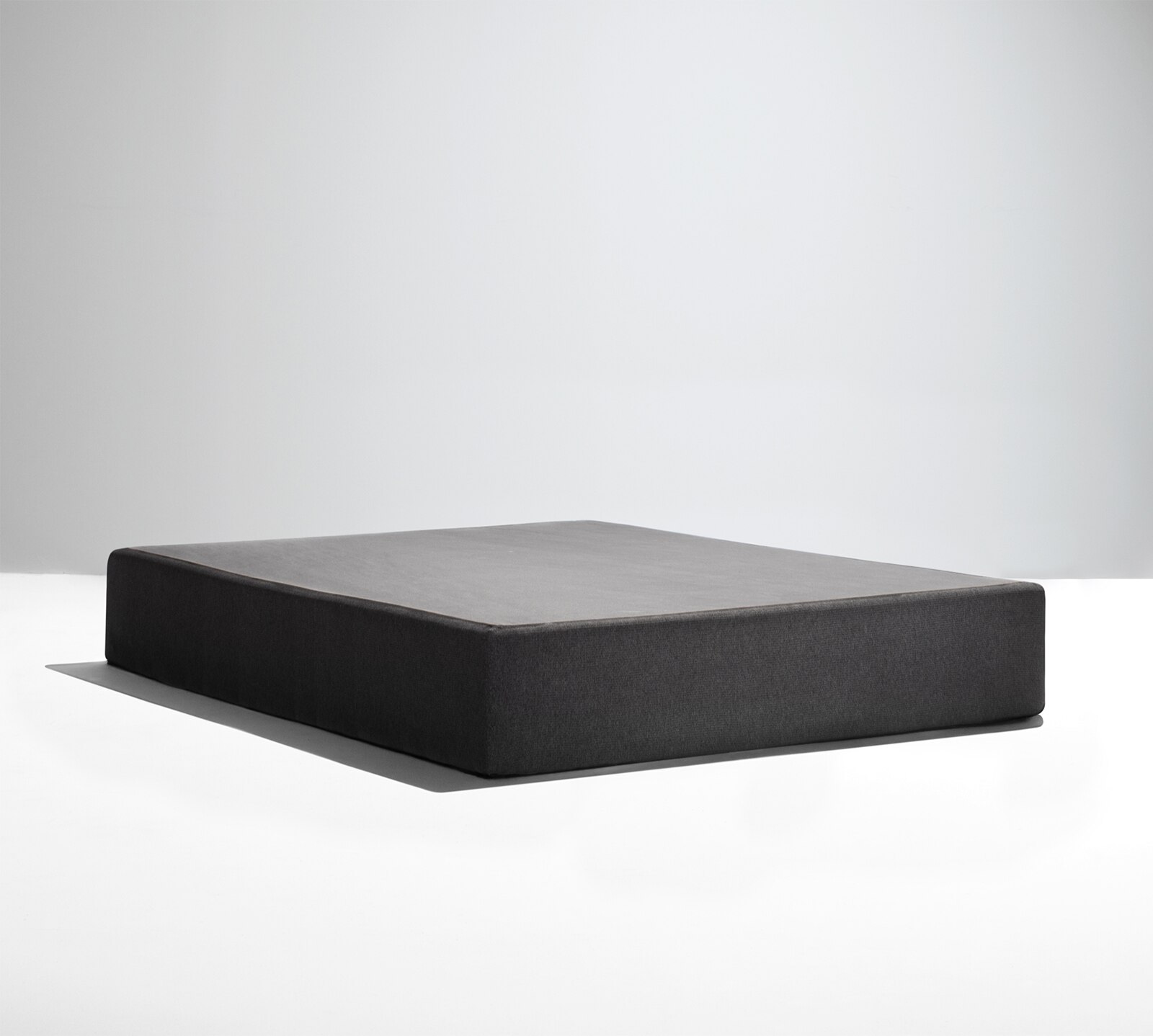
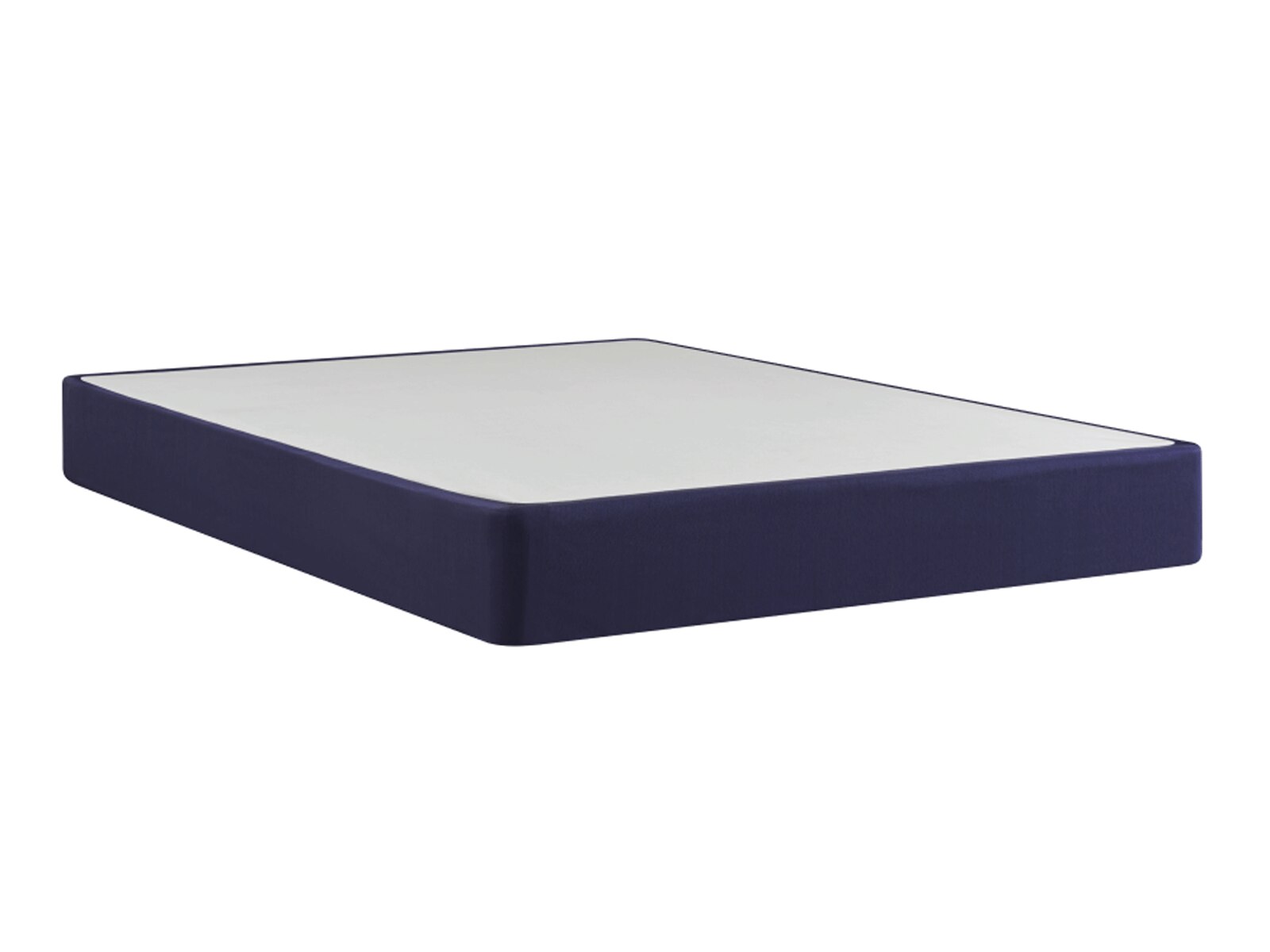
Anti-sagging box springs are mattress support bases designed to help maintain an even sleeping surface by distributing weight across a sturdy structure. Many bases described this way are actually rigid foundations rather than traditional box springs: they use wood slats, steel grids or reinforced frameworks instead of a spring system that flexes under pressure. That distinction matters because a mattress needs support suited to its construction. A traditional box spring may be appropriate for an innerspring mattress designed to work with it, while many foam and hybrid mattresses require a firm, flat foundation with support spacing specified by the mattress manufacturer. The right base helps limit dipping caused by gaps, weakened supports or excessive movement underneath the mattress, but it cannot restore foam or coils that have already deteriorated. A bed that sinks in the middle may have a foundation problem, a frame problem, a worn mattress or a combination of these issues. For this reason, anti-sagging support is best understood as a feature of the complete bed setup, not a promise made by the foundation alone. Materials and construction both contribute to that support. A wood foundation relies on its perimeter, crosspieces and slats to carry weight, while a steel foundation relies on its framework, connections and supporting grid. Either can provide dependable support when properly built, assembled and matched to the mattress. Upholstery gives many foundations a finished appearance and covers the internal structure, but the fabric itself does not reveal how much support sits beneath it. Slat spacing, reinforcement and the manufacturer’s stated weight capacity are more useful details. Ventilation also deserves attention, particularly with foam mattresses, since the base should allow the airflow required by the mattress manufacturer. A solid surface is not automatically a better choice than a slatted one; the appropriate design depends on the mattress and the structure beneath it. These considerations make supportive foundations relevant to everyday bedrooms, shared beds and guest rooms where a level, stable mattress surface matters.
Fit involves more than matching the size name on the mattress. An anti-sagging box spring or rigid foundation needs to match the mattress dimensions and sit securely within a compatible bed frame, without unsupported edges or gaps that allow it to shift. A twin setup has different structural demands from a queen or king setup, and wider beds often require a center rail with supporting legs that reach the floor. Even a sturdy foundation can bow or become uneven when the frame beneath it lacks the required middle support. A bed frame with side rails alone may not provide the structure specified for a larger foundation, so the frame requirements are just as important as the foundation’s construction. Size labels also need careful attention: a Twin XL is not interchangeable with a twin, and a California King has different proportions from a king. Split foundations can make moving a larger base through a narrow stairway, tight hallway or bedroom doorway more manageable, but each section still needs proper support within the frame. Foundation height changes the finished height of the bed rather than necessarily changing the quality of its support. A low-profile base can help keep a thick mattress from sitting higher than intended, while a taller foundation may suit a frame designed for a more elevated sleeping surface. The combined height of the frame, foundation and mattress affects everyday routines, from sitting on the edge to getting into bed. Someone furnishing a smaller bedroom may also need to account for clearance around furniture and the space required to bring the foundation indoors. Comparing construction, height and frame requirements within the
Best Box Springs collection helps keep those practical details in view. Platform beds are another consideration: some already provide the support a mattress needs and do not require an additional foundation. A bunkie board may be suitable for certain setups, but it is not a substitute for repairing a damaged frame or replacing a structurally weakened base.
Durability depends on how the foundation is made, how it is supported and how it is used over time. For a shared bed, the relevant weight capacity should account for the mattress and sleepers according to the manufacturer’s specifications, rather than relying on the foundation’s appearance or height. Strong joints, secure fasteners and adequate cross support help a base carry that load consistently. A foundation intended for a stationary bed also should not be assumed compatible with an adjustable base; those systems have different construction and mattress requirements. In everyday use, small changes can offer clues about the condition of the support system. A new squeak may come from a loose connection, movement between the foundation and frame or damage within the base. A visible dip across the foundation’s surface, a cracked slat or a bent support calls for attention rather than an extra layer placed over the problem. Mattress impressions deserve a separate assessment because normal changes in cushioning are not the same as a foundation that no longer sits level. Keeping the distinction clear helps avoid replacing the wrong part of the bed. Routine care is generally straightforward: protect upholstered surfaces from spills, remove dust using a method permitted by the manufacturer and check accessible frame connections when moving the bed or changing the setup. Care instructions matter because soaking fabric or using an unsuitable cleaner can affect materials beneath the cover. Moving a foundation carefully also helps protect corners, internal supports and connections from damage. A guest-room base still needs the same structural compatibility as one used every night, even if the mattress gets less frequent use. For a primary bedroom, dependable support becomes part of the bed’s daily comfort, keeping the mattress positioned as intended through ordinary changes in sleeping position. The most useful anti-sagging foundation is one that suits the mattress, fits the frame and remains evenly supported across its full footprint. Together, those elements create a stable starting point for the mattress to perform as designed, without asking any single component to compensate for damage elsewhere in the bed.