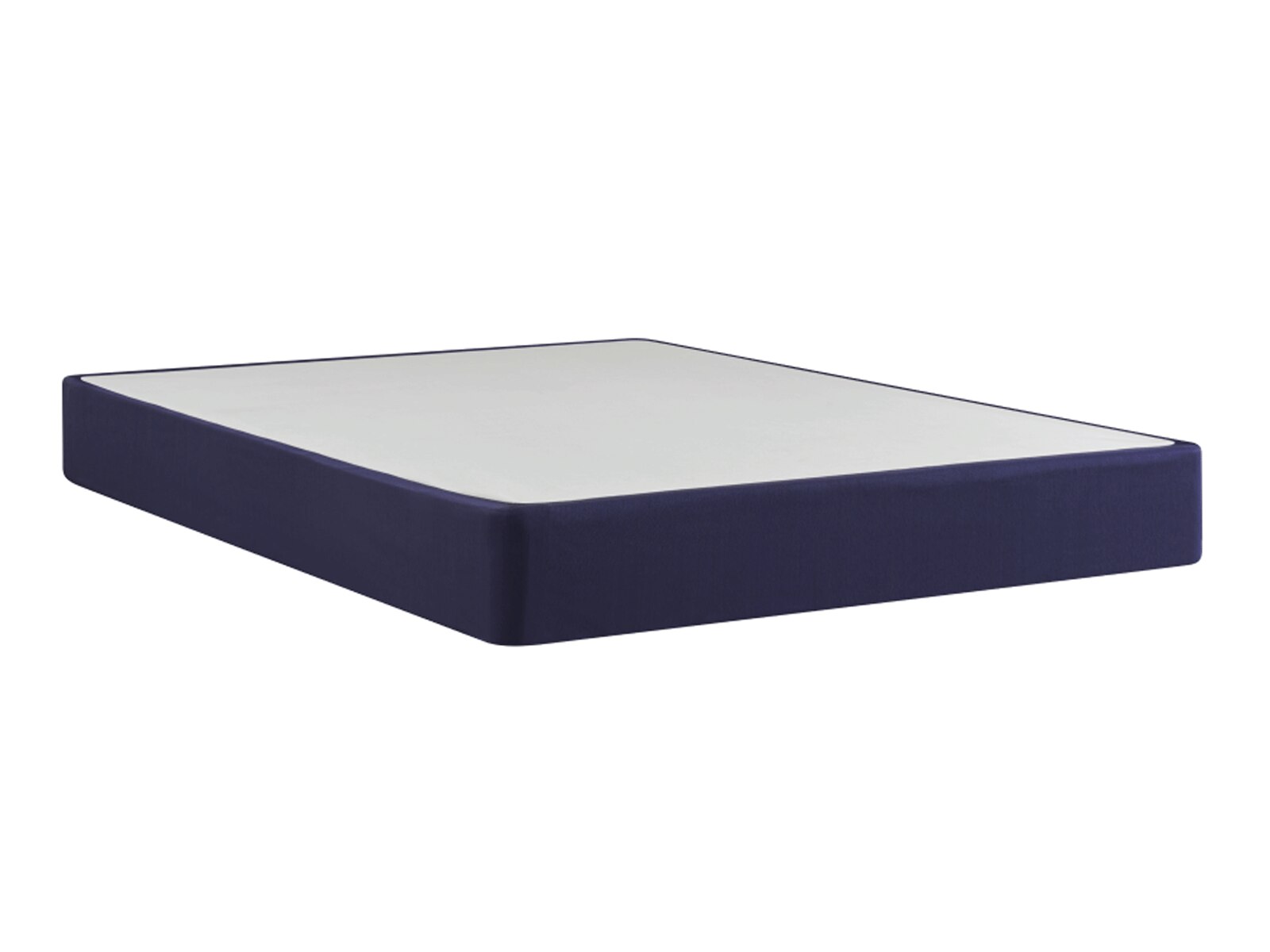
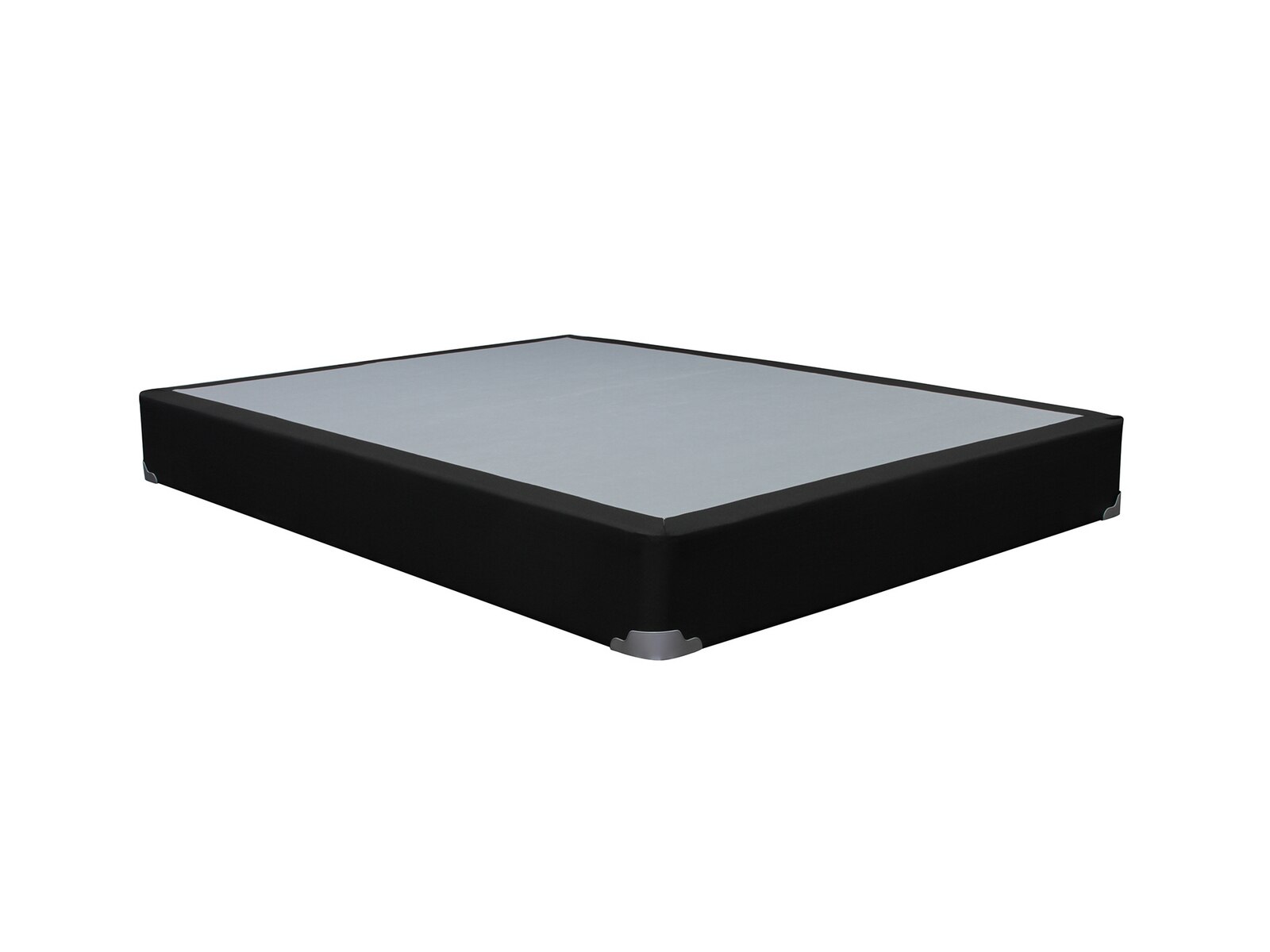
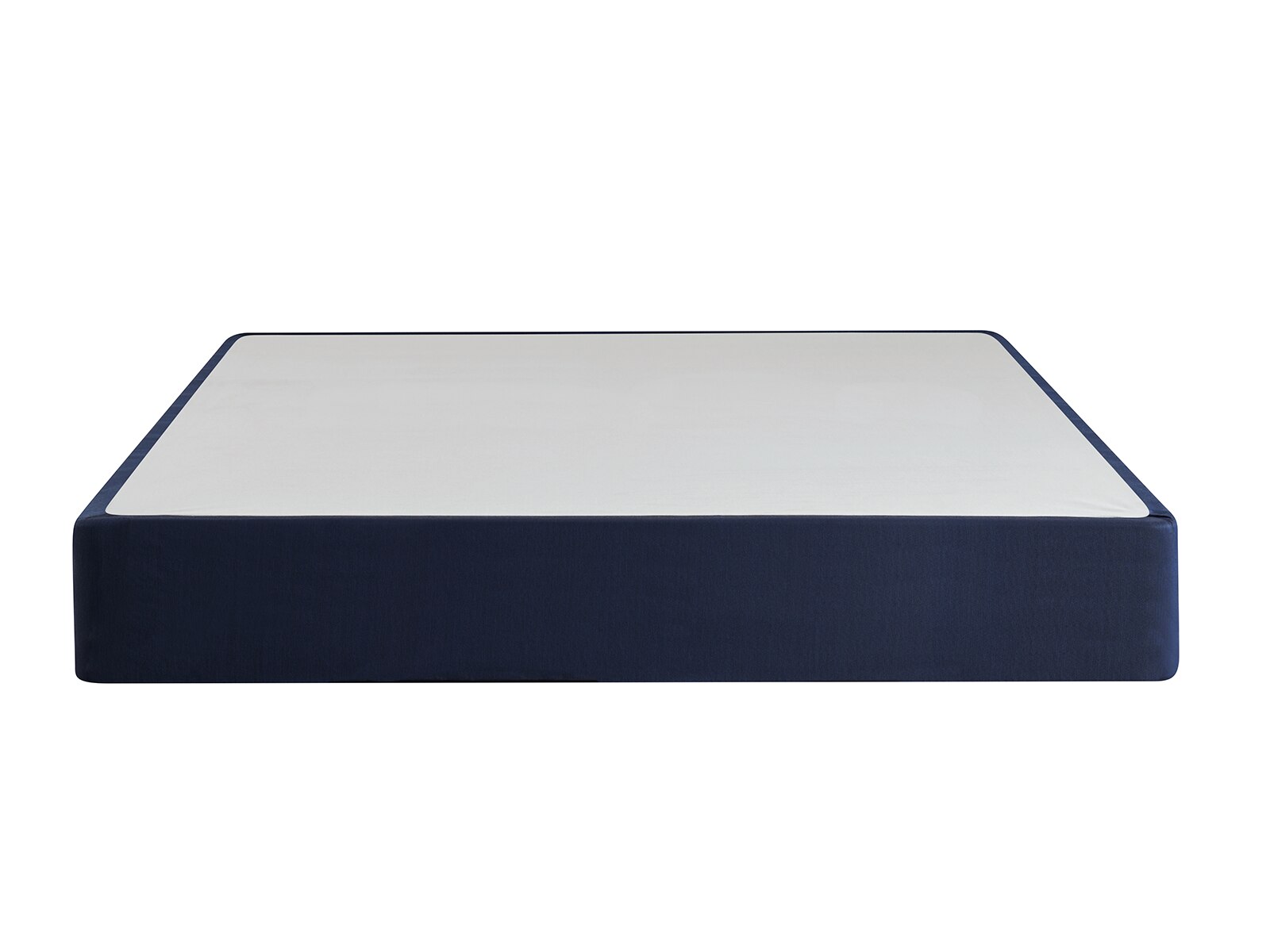
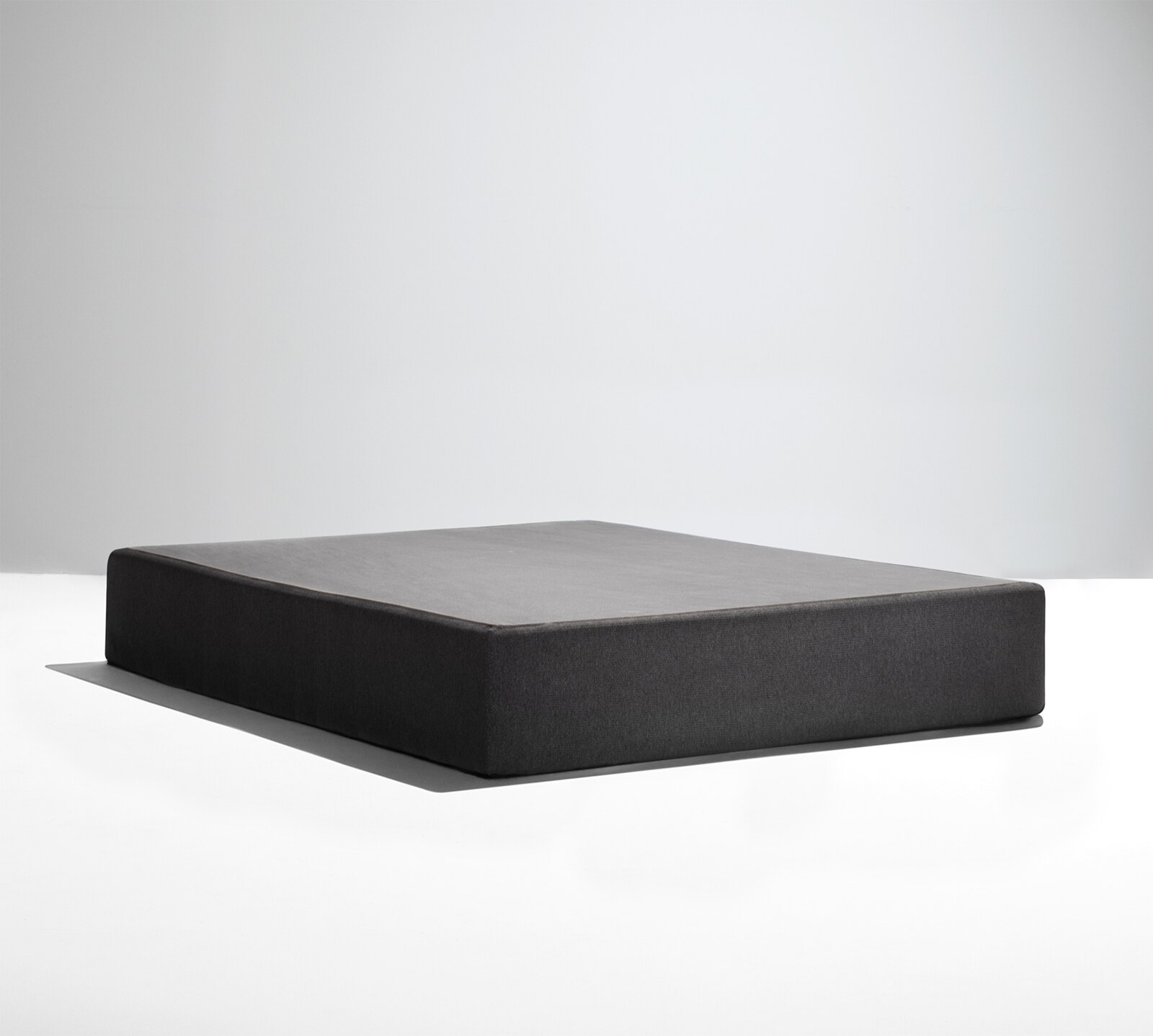
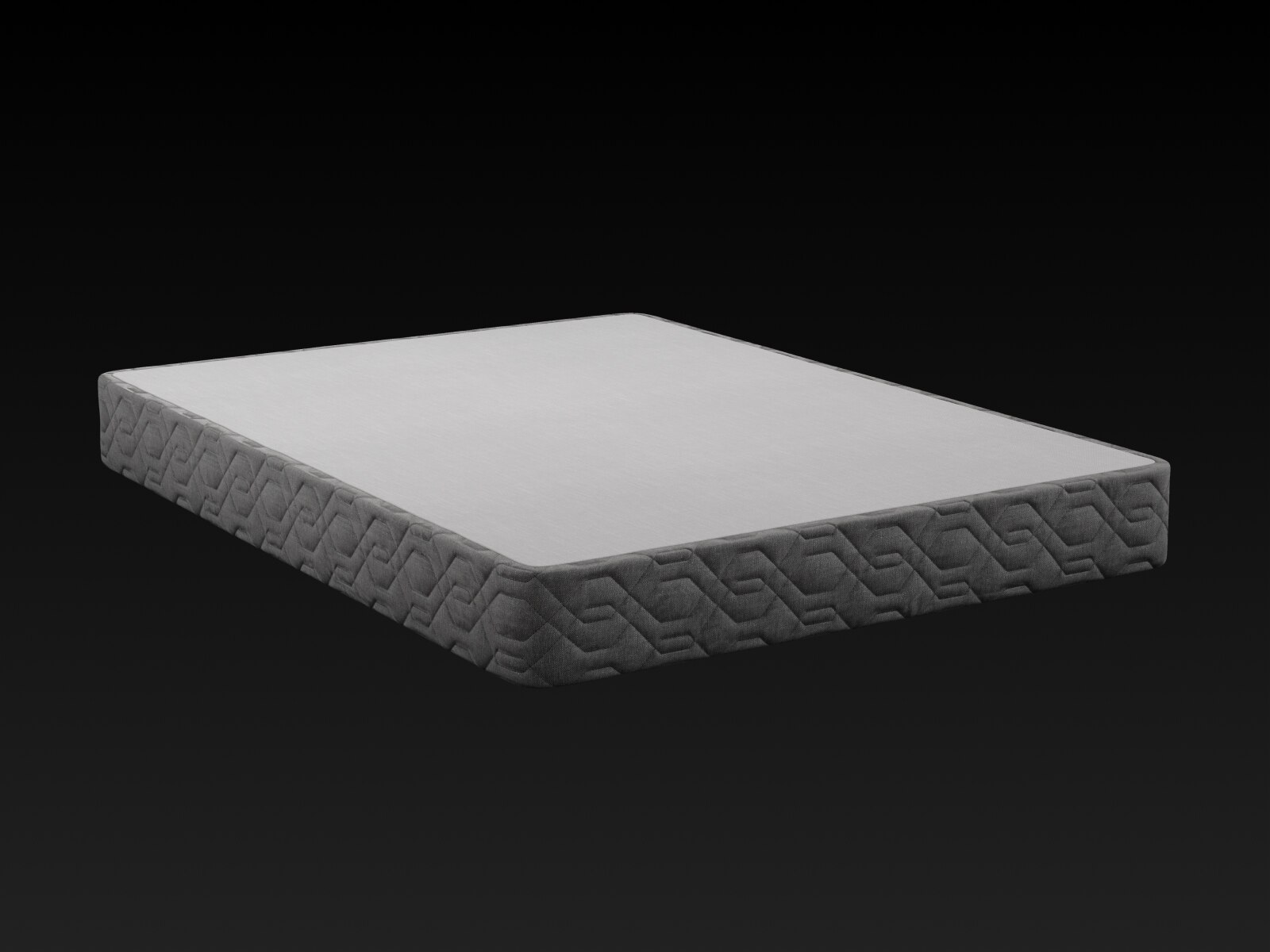
An innerspring mattress needs a compatible support system, whether that is a traditional box spring or a rigid wood or metal foundation approved by its manufacturer. Box springs for innerspring mattresses create a supportive layer between the mattress and the bed frame, helping distribute weight across the sleeping surface when the components are properly matched. The distinction between a box spring and a foundation matters: a traditional box spring contains springs within its frame, while a rigid foundation uses fixed supports, such as wood slats or a metal grid, beneath its outer cover. Both may look like fabric-covered boxes, and the names are sometimes used interchangeably, so the construction details deserve a closer look. Some innerspring mattresses are designed to work with a yielding box spring; others require a firm, nonflexing foundation. The mattress manufacturer’s requirements are the best starting point, including any rules for support spacing, center reinforcement and warranty coverage. A suitable base gives the mattress a stable resting surface without unsupported gaps that could contribute to uneven wear. It also adds height, which can change how the bed feels when sitting down, standing up or reaching a bedside table. These considerations apply whether the mattress is used every night in a primary bedroom or occasionally in a guest room. Wood framing, metal components and fabric upholstery each serve a different purpose: the structural elements carry weight, while the covering encloses the interior and gives the foundation a finished appearance. A tidy cover alone does not reveal how substantial the support underneath will be. Frame construction, connections and the stated load capacity are more useful details to consider. A compatible foundation can support a mattress as intended, but it cannot restore worn coils, remove an established body impression or correct a damaged bed frame. The mattress, foundation and frame work together, and each needs to be in sound condition.
Size and height are practical considerations when matching a box spring to an innerspring mattress. The foundation should match the mattress’s intended dimensions without leaving an overhang or a noticeable unsupported edge. Check the actual measurements of both pieces rather than relying only on a size name, especially when fitting an existing frame with close-fitting side rails. For larger beds, a split foundation can make delivery through a narrow stairwell, around a tight landing or into an upstairs bedroom more manageable. Its separate sections must be designed to form the correct overall size, and the bed frame needs to support each section as directed. A split foundation does not mean the mattress above it must also be split. Foundation height deserves the same attention as width and length. A thick innerspring mattress on a tall foundation can leave the finished sleeping surface higher than expected, while a lower-profile foundation may preserve support with less added height. Measure from the floor to the top of the assembled bed, accounting for the frame, foundation and mattress together. For someone who finds a high bed difficult to enter, a lower setup may be more comfortable; someone who struggles to rise from a low seat may prefer a different finished height. The right arrangement allows a comfortable seated position at the edge without an awkward climb or drop. In a child’s room,
Box Springs For Kids Bedrooms offers a more focused category to explore while keeping the bed’s support requirements and finished height in mind. Bunk beds and loft beds have their own mattress-height and support specifications, so an added box spring should never be assumed appropriate. Platform beds may already provide the support an innerspring mattress needs, provided their construction meets the mattress manufacturer’s requirements. Conventional rigid foundations and box springs also should not be placed on an adjustable base unless the manufacturers explicitly approve the combination. Before choosing a foundation, account for doorway clearance, the position of the headboard and whether the frame provides the required center supports with secure floor contact.
Everyday care for a box spring or foundation begins with keeping it properly supported. Assemble the frame and foundation according to their instructions, tighten the specified connections and confirm that any support legs rest securely on the floor. A wobbling frame, a loose bracket or a center leg that does not reach the floor can affect the entire bed, even when the foundation itself appears intact. Periodic checks are useful after moving furniture, rearranging the room or noticing a new sound during the night. Squeaks can come from several places, including the bed frame and headboard, so locating the source is more helpful than assuming the box spring needs replacement. Look for cracked wood, bent metal, loose joints, torn covering and areas that dip under the mattress. Persistent sagging or damaged structural components warrant attention rather than a cosmetic repair. Follow the manufacturer’s cleaning directions for the fabric cover; gentle vacuuming can remove dust, while spills should be addressed promptly without soaking the interior. Allow any cleaned area to dry completely before replacing the mattress. Keep the foundation protected during a move, and avoid dragging it across the floor or using the fabric cover as a lifting handle. Bulky sections are easier to maneuver with another person, particularly on stairs where corners and doorframes leave little room to turn. Durability depends on construction, compatible use, adequate frame support and the combined weight the system is designed to carry. Jumping on the bed or repeatedly overloading one area can strain both the foundation and the mattress above it. When replacing an innerspring mattress, inspect the existing support instead of assuming that an older foundation remains suitable simply because the dimensions match. A well-matched setup brings the practical details together: an even support surface, secure placement, an appropriate bed height and a frame that carries the load as intended. Those details help make the bed a dependable place to settle in at the end of the day.