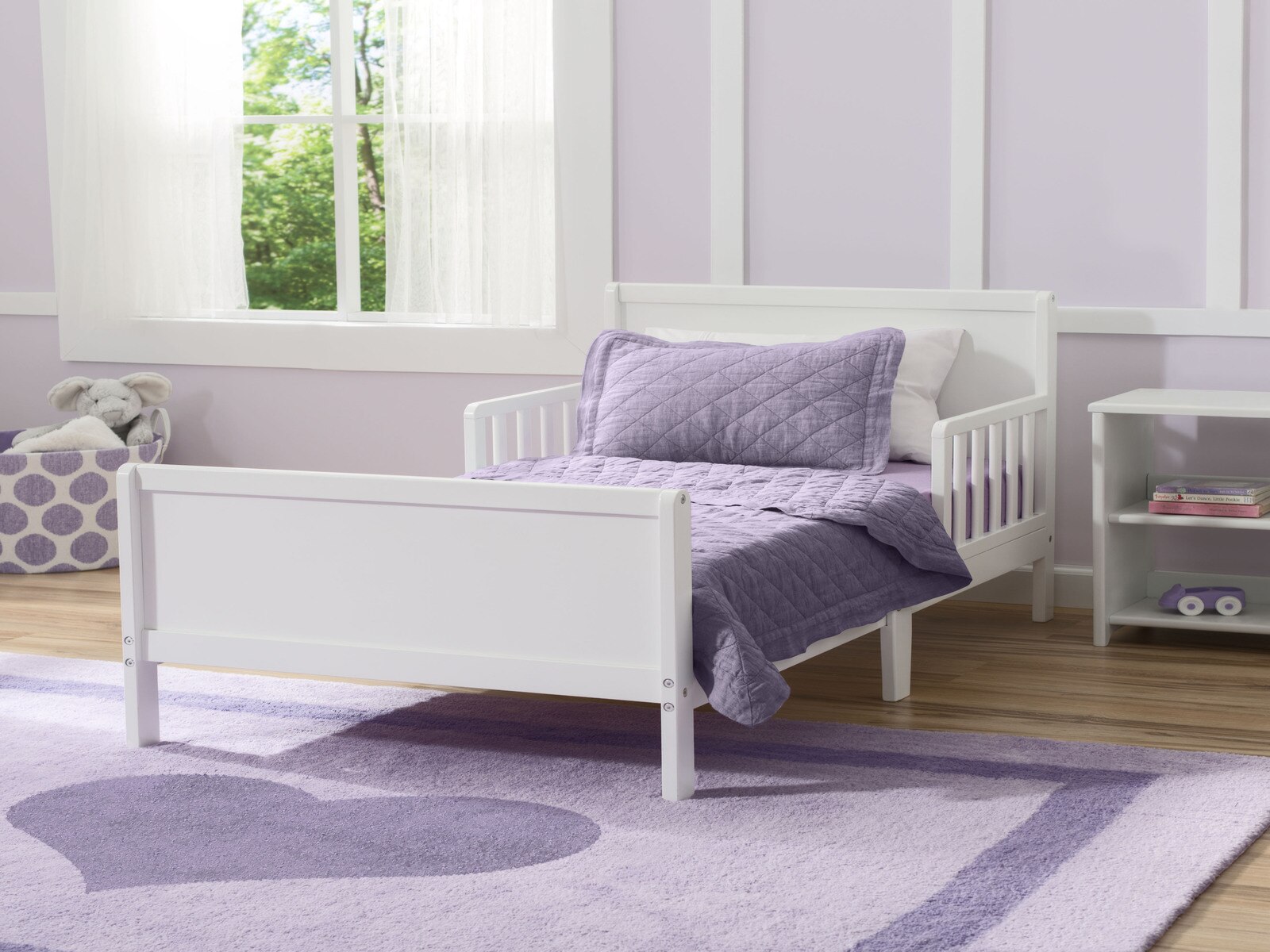
Beds for kids give children a place to settle in at the end of the day while helping a bedroom work for everything that happens before bedtime. A well-proportioned bed leaves room for a basket of building blocks, a reading corner or the clear stretch of floor needed to get dressed in the morning. For children who are ready to move beyond a crib, a lower bed can make getting in and out more manageable, while a longer mattress may suit an older child whose feet are approaching the end of a smaller sleep surface. Twin beds fit many children’s rooms without taking over the layout, and Twin XL beds offer additional length with a similar footprint. A full bed provides more width, though its larger dimensions deserve careful consideration in rooms that also hold a desk, dresser or shared storage. The mattress measurements are only part of the picture: headboards, footboards and upholstered edges can extend the overall footprint. Open drawers, bedroom doors and walking paths also need space, especially when two children share a room. In a smaller bedroom,
Compact Beds For Children can be a useful starting point for thinking about a sleep area that fits comfortably alongside everyday belongings. Beds with storage underneath can give extra sheets and pajamas a home, while trundle designs provide a separate sleep surface for an age-appropriate overnight guest. Each configuration has its own clearance needs, including enough floor space to extend a trundle or pull out a drawer fully. A bed that fits neatly against a wall still needs to work with windows, outlets and access for changing sheets. These practical details matter in a child’s main bedroom, a shared sibling space or a room at a grandparent’s home. The most useful arrangement supports the child’s stage of growth without making the rest of the room difficult to use.
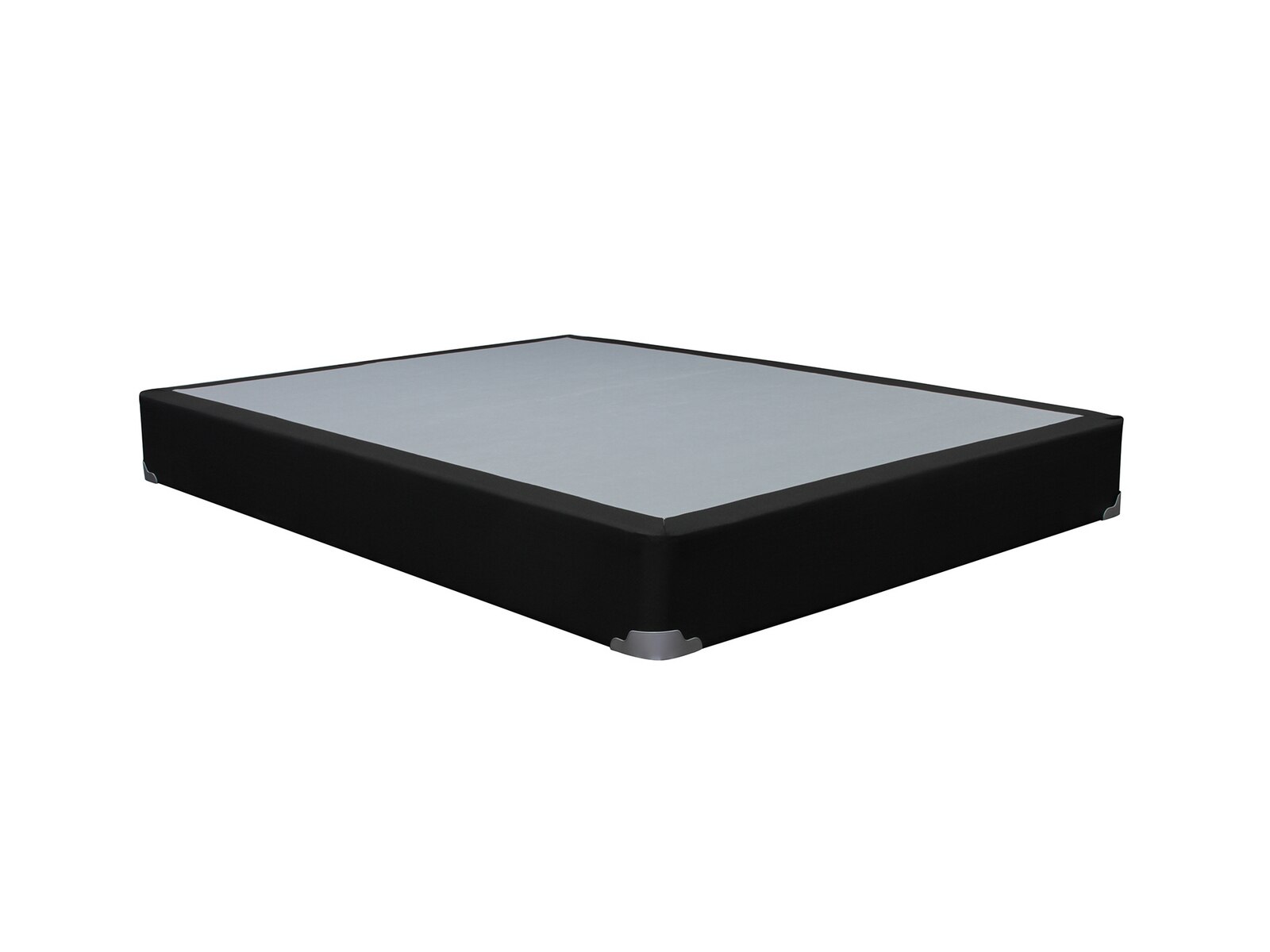
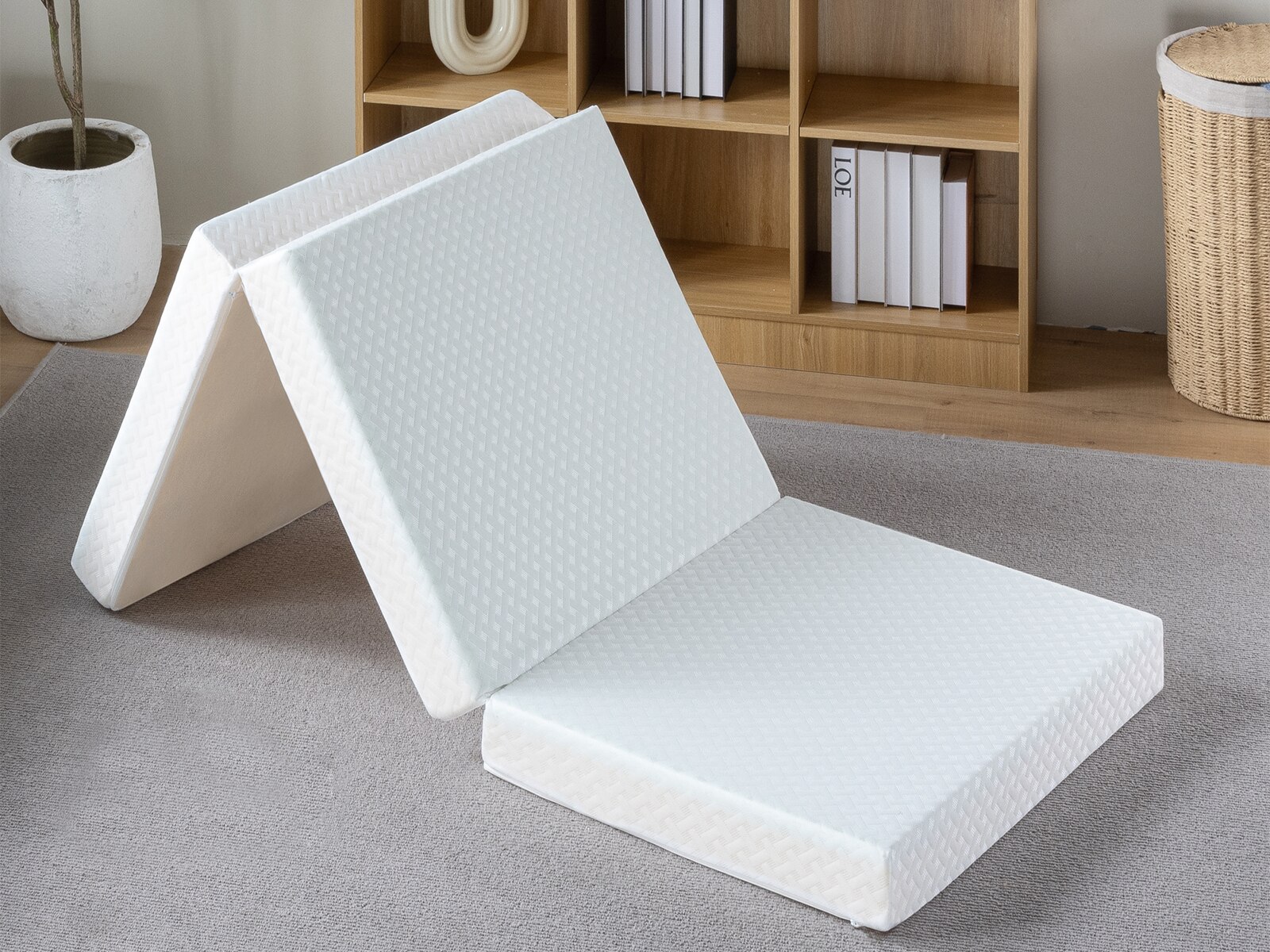
The mattress and bed frame work together, so comfort begins with a compatible fit rather than the frame’s appearance alone. A mattress should match the frame’s specified dimensions and sit securely on the recommended support system, without improvised fillers or unintended gaps. Foam mattresses can offer a gently contouring feel, innerspring mattresses have a more responsive surface and hybrid constructions combine springs with layers of cushioning. Within each type, firmness and overall feel vary, so a material label does not tell the whole story. A child who regularly sleeps on their side may appreciate cushioning around the shoulder and hip, while another may prefer a firmer, less enveloping surface. When possible, having the child lie down in their usual sleeping position provides a more useful impression than a quick seated test. Mattress height also changes the experience of the bed: a thick mattress on a tall foundation may make climbing into bed awkward for a younger child. Bunk beds, loft beds and trundles require particular attention to the manufacturer’s mattress size and thickness limits. On an upper bunk, a mattress that is too thick can reduce the effective height of the guardrails. Children younger than six should not use an upper bunk, and any bunk or loft setup should follow the manufacturer’s age, weight, guardrail and access requirements. Room planning matters here, too, with adequate overhead clearance and placement away from ceiling fans, hanging cords and other hazards. These elevated designs are sleeping spaces, not climbing or jumping equipment. For everyday use, a properly fitted sheet and an age-appropriate mattress protector help keep the sleep surface easier to maintain through spills or nighttime accidents. A protector should fit securely and follow the mattress manufacturer’s guidance. Washable bedding makes routine cleanup more manageable, while a second set of sheets can simplify an unexpected change without disrupting the rest of the bedtime routine.
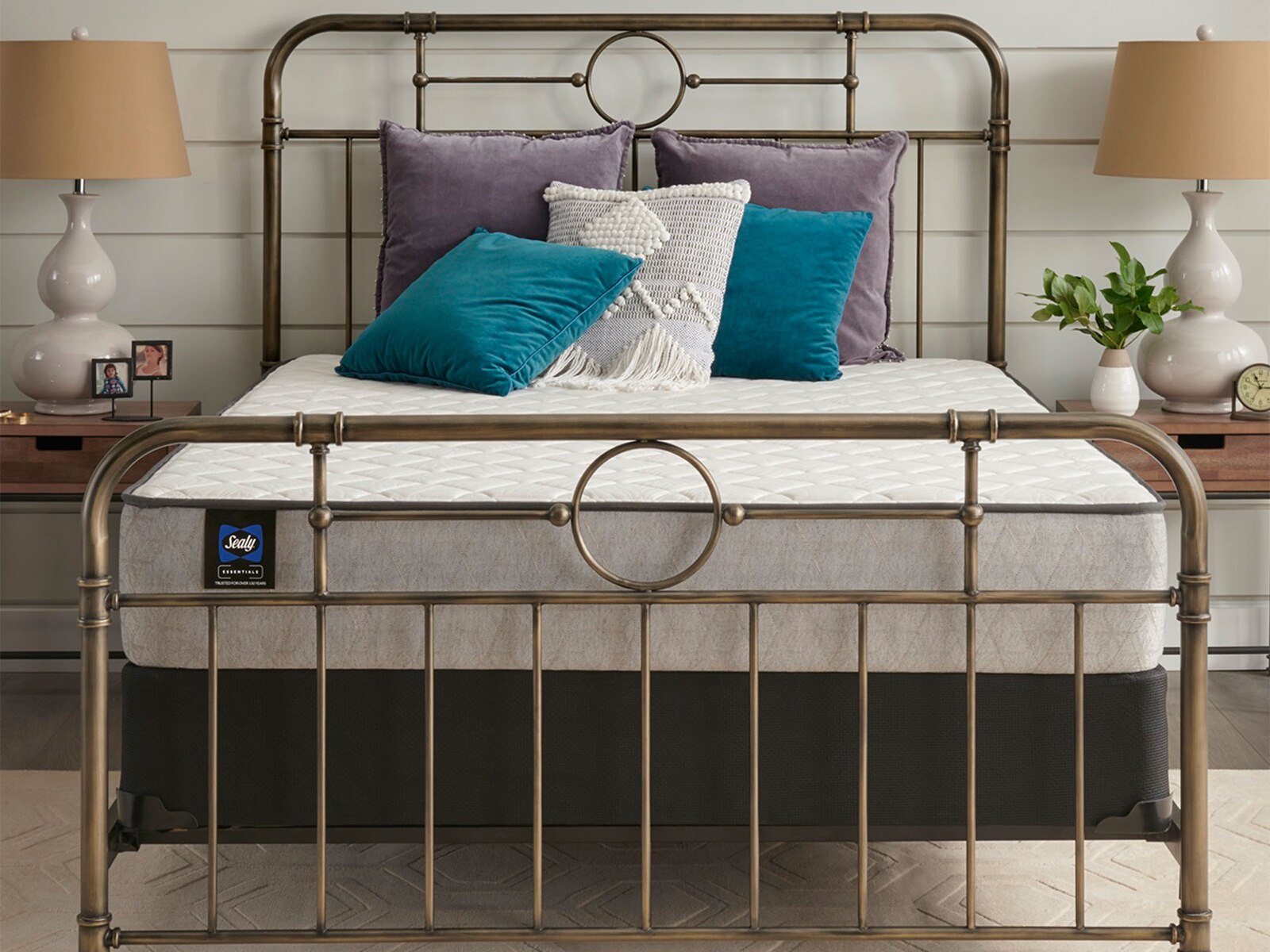
Materials and construction influence how a child’s bed looks, feels and holds up to daily use. Wood frames can bring visible grain and a familiar furniture feel to the room, while metal frames often have slimmer profiles that leave more of the surrounding space visible. Upholstered beds add a fabric-covered surface and a softer visual effect, though fabric texture and cleaning requirements deserve attention in a room where sticky fingers or spilled drinks are realistic possibilities. Solid wood, wood veneers and engineered wood each have different construction and care considerations; secure joints, appropriate mattress support and the manufacturer’s stated weight limits matter alongside the material itself. For families who sit beside a child during a bedtime story, the frame’s capacity should account for that intended use rather than assuming every children’s bed accommodates an adult. Rounded corners and smooth finishes can be useful details in a busy room, but no design replaces age-appropriate use and supervision. Durability also depends on upkeep. Hardware may need periodic checks, support slats should remain correctly positioned and drawers or trundles should move without forcing their tracks. Cleaning methods vary: some surfaces need only a lightly damp cloth, while upholstery may require vacuuming or a specific spot-cleaning method. Mattress care should follow its own instructions, including whether rotation is recommended and which foundation is required. A simple frame can remain useful as a child’s interests change, with bedding providing a less permanent way to reflect favorite colors or patterns. A room that begins with illustrated sheets and a small book basket may later need a study desk and more storage, so a bed that works with those changing needs can make the space easier to adapt. For siblings, coordinating bed heights or finishes can create a cohesive room without requiring identical bedding. For a child settling into a new bedroom, familiar linens can help the space feel personal from the first night. The best-fitting setup balances comfort, practical care and room to grow, giving children a dependable place for bedtime stories, quiet moments and sleep.