Orthopedic sleep aids are pillows, cushions and other sleep supports designed to encourage comfortable positioning, cushion pressure points and help maintain the natural alignment of the head, neck and spine. Their purpose is to fill the spaces that a mattress alone may not support, whether that means the curve beneath the neck or the gap between the knees when lying on one side. The most useful shape depends on sleep position, body proportions and the feel of the mattress underneath. For a side sleeper, a pillow should generally fill the space between the head and the mattress without pushing the head toward the ceiling or letting it tilt downward. The shoulder usually rests on the mattress rather than on the pillow, allowing the pillow to support the head and neck without crowding the upper body. A cushion between the knees may help keep the upper leg from pulling the hips forward, particularly for someone who tends to curl one knee across the body. Supports that also separate the ankles can feel more comfortable when the legs rest directly against each other. Related
Side Sleeper Aids focus on these positioning needs. Back sleepers often benefit from a head pillow with enough contour to support the neck without tipping the chin toward the chest. A cushion beneath the knees may make this position feel more relaxed by allowing a gentle bend in the legs. Stomach sleeping requires a different approach because a tall pillow can increase the angle of the neck; a thinner profile may feel less restrictive. Combination sleepers need room to turn, making a shape that accommodates more than one position especially useful. Support should feel steady rather than forceful, with enough space to move naturally instead of holding the body in a rigid pose.
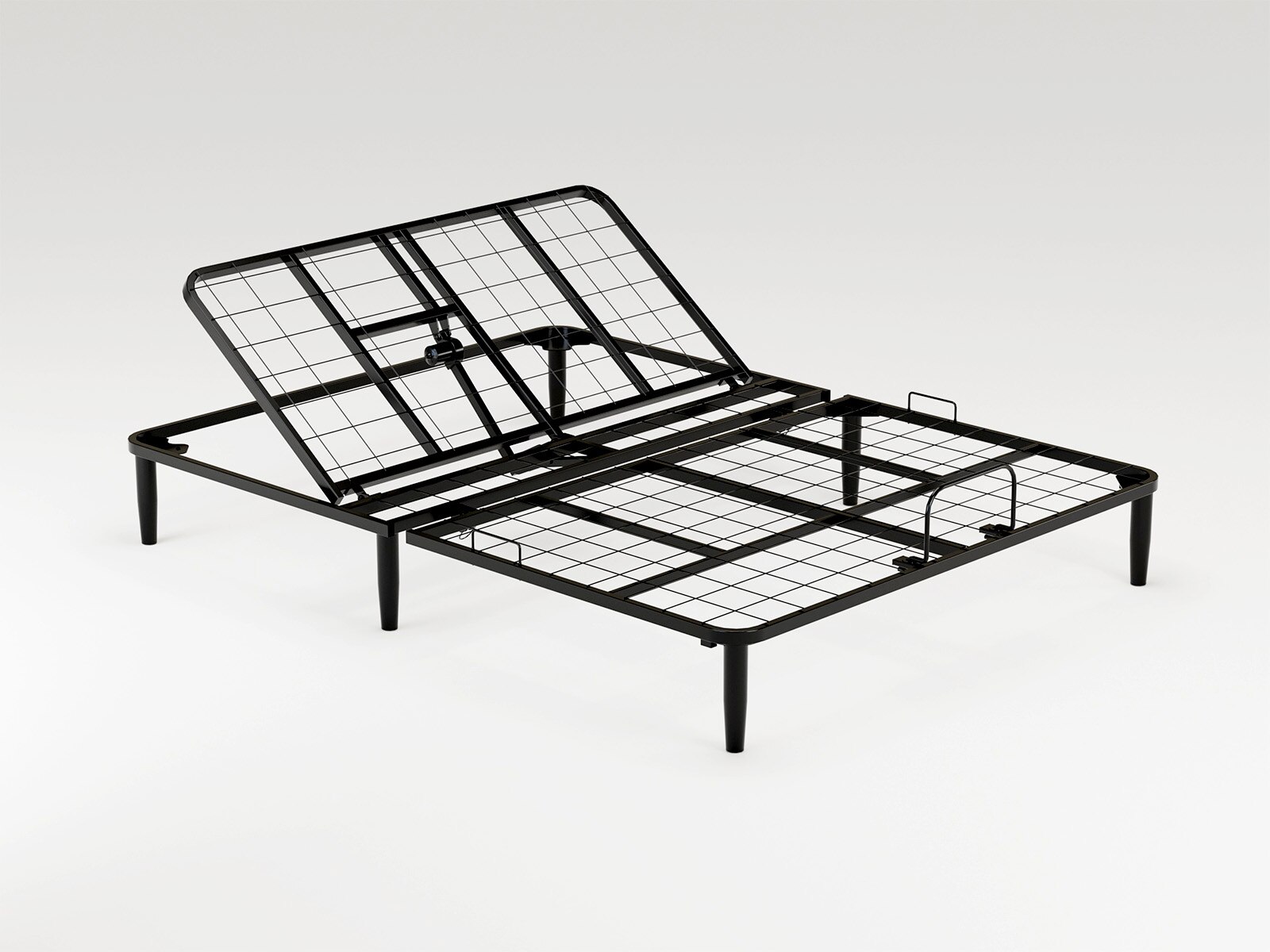
Materials, dimensions and construction all influence how orthopedic sleep aids feel through the night. Memory foam typically contours gradually under pressure, creating a close-fitting cradle around the head or legs. Latex often has a more responsive feel, compressing under weight and rebounding as the sleeper moves. Fiber-filled supports can feel softer and more moldable, although they may need regular fluffing to maintain their shape. None of these materials is automatically the right choice for every sleeper, and firmness alone does not determine support. A cushion can feel soft at the surface yet still have enough structure to hold its shape, while an overly firm support may create an uncomfortable edge beneath a sensitive area. Pillow loft, or height, also changes once weight is applied. A tall pillow that compresses deeply can feel lower than a shorter, denser one, so listed dimensions tell only part of the story. Mattress cushioning matters for the same reason: when the shoulder sinks farther into the bed, the space beneath the head becomes smaller. Contoured neck pillows use raised and recessed areas to accommodate these curves, but the contour needs to match the sleeper rather than simply look supportive. Knee cushions should be wide enough to separate the legs comfortably without pushing the hips apart. Leg wedges need sufficient length and width to support the intended area without leaving an abrupt edge behind the knees. Upper-body wedges create an incline beneath the torso rather than merely raising the head with a stack of pillows. When elevation is recommended for a medical reason or during recovery, a healthcare professional should advise on positioning and suitability. A supportive mattress or an adjustable base may also affect the overall setup, but adding several supports at once can make it harder to identify what feels helpful. A small change, followed by a careful check of comfort and freedom of movement, is often a more practical starting point.
Everyday use and care deserve as much attention as shape. A support that works well at bedtime should also be manageable when changing positions, getting out of bed or making the bed in the morning. Someone who turns frequently may prefer a cushion that is easy to reposition, while someone who stays mostly on one side may appreciate a broader surface that remains steady. Body-length supports can provide a place to rest an upper arm and leg, which may feel more comfortable than allowing the shoulder to roll forward. These larger shapes also take up more space, so bed size and a partner’s sleeping area matter. Removable, washable covers make routine care simpler, especially for supports used directly against the skin. Check care labels for both the cover and the inner cushion, since a washable cover does not mean the foam beneath it can be machine washed. Some foam cores require spot cleaning and thorough air drying, while other fills have different care requirements. A properly fitted cover should lie smoothly without tightly compressing the cushion or changing its contour. Durability depends on construction, frequency of use and care, not just the initial feel. Flattened areas, crumbling foam, shifting fill or seams that no longer hold their shape can change how evenly a support carries weight. Persistent flattening is a useful reason to reassess fit, particularly if a familiar position no longer feels comfortable. Orthopedic sleep aids can be thoughtful gifts for someone who values a carefully arranged sleep space, but pillow height, firmness and positioning preferences are personal. Knowing how the recipient sleeps is more useful than choosing solely by appearance. For anyone managing an injury, recovering from a procedure or experiencing ongoing pain, numbness or weakness, professional guidance should come before changing the sleep setup. Orthopedic describes an intended support function, not a guarantee of pain relief or treatment. The goal is a comfortable arrangement that suits the individual and complements appropriate care.