Side sleeper aids are pillows, cushions and positioning supports designed to make resting on either side more comfortable. Depending on their shape and intended use, they can support the head and neck, separate the knees, cushion contact points or help maintain a preferred sleeping position. The goal is support that follows the body’s natural contours without forcing the neck upward or allowing the head to drop toward the mattress. That fit is personal: shoulder width, body proportions, mattress firmness and how deeply the shoulder settles into the sleep surface all influence the space a pillow needs to fill. Someone with broader shoulders on a firmer mattress may prefer more pillow height, while someone whose shoulder sinks farther into the surface may need less. Loft describes that height, but the pillow’s feel under the weight of the head matters as much as its dimensions before use. A tall pillow that compresses easily can feel quite different from a shorter, denser design. Adjustable fill offers a way to fine-tune that balance, especially for someone who moves between side and back sleeping. Contoured shapes may provide more defined neck support, while a traditional rectangular shape leaves room to shift position. Some side sleeping pillows include shoulder cutouts or arm channels that create space around the upper arm instead of encouraging it to stay tucked beneath the head. Those features may suit someone who often wakes with an awkwardly folded arm, although fit still depends on body size and the pillow’s overall shape. Memory foam generally has a close-conforming feel, latex tends to feel more responsive and fiber fill usually offers a softer, more moldable surface. Shredded fills can often be reshaped, while solid cores tend to hold a more consistent profile. The most comfortable choice is not necessarily the thickest or firmest option; it is the one that supports an easy resting position without making the shoulder feel crowded.
Support below the shoulders can be just as important to the overall feel of side sleeping. When the upper knee falls forward onto the mattress, the pelvis can rotate and leave the lower body feeling twisted. A cushion between the knees can help keep the legs comfortably separated, while a longer design may also support the ankles. Thickness matters here, too: enough cushioning to fill the gap can feel supportive, but too much can push the legs farther apart than feels natural. A body pillow provides a larger surface to hug and rest a leg across, making it useful for someone who likes support along the front of the torso rather than at a single contact point. During pregnancy, a longer pillow may offer welcome support around a changing body, with positioning recommendations from a healthcare professional taking priority. Curved and wraparound shapes occupy more mattress space, which is worth considering when sharing a bed or using a narrower sleep surface. Back supports and wearable positioning aids serve a different purpose: they are intended to discourage rolling onto the back rather than cushion the neck or knees. They should allow comfortable breathing, easy repositioning and straightforward removal. Although sleep position can influence snoring for some people, these accessories are not a substitute for evaluation of persistent snoring or suspected sleep apnea. The mattress underneath also affects how well any positioning aid works. A pillow cannot fully compensate for a surface that leaves the shoulder feeling pressed against the bed or lets the hips sink noticeably out of line. For a mattress that remains supportive but needs a different surface feel,
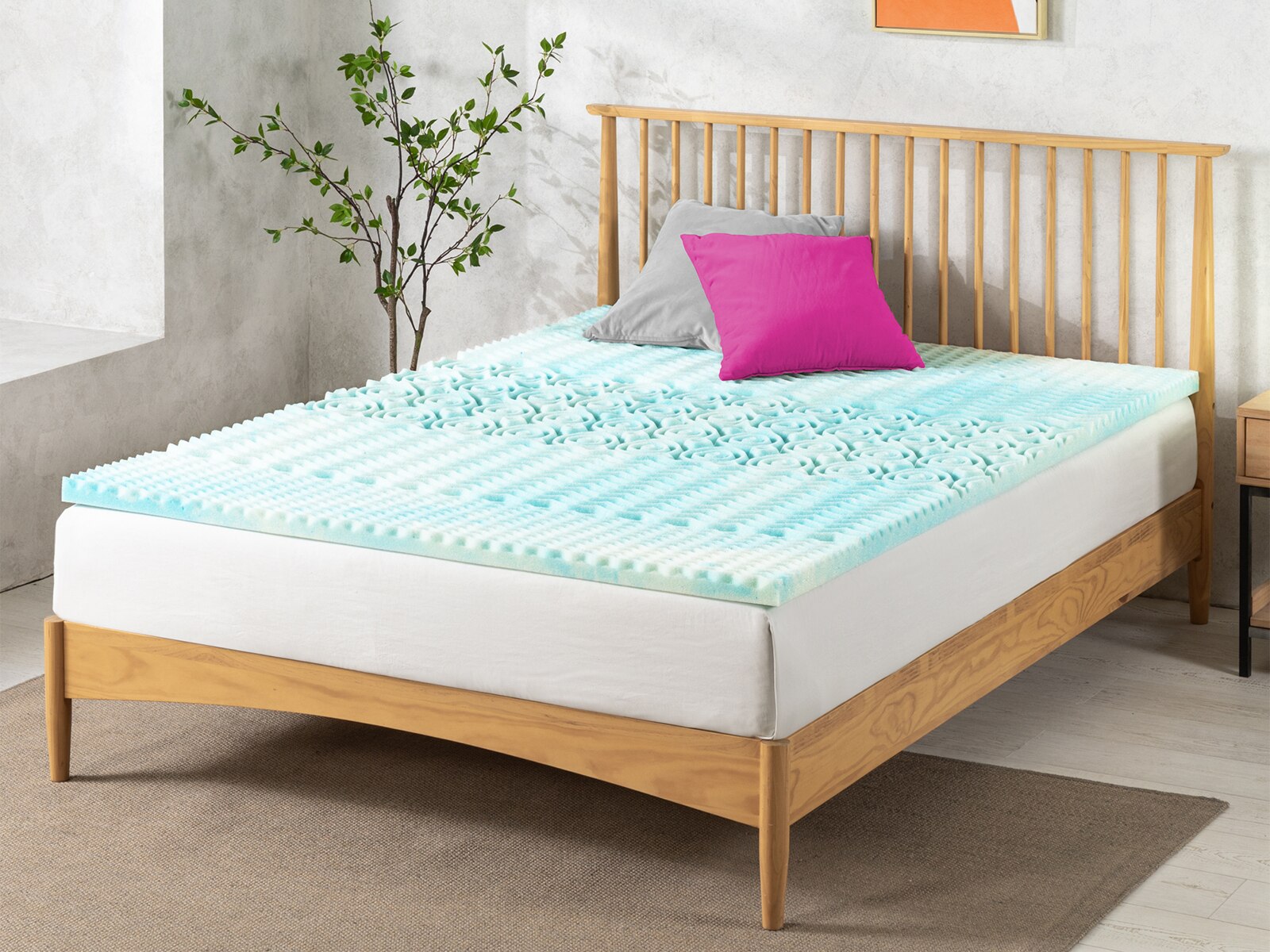
Side Sleeper Mattress Toppers offer another category to consider alongside pillows and cushions. A topper changes the cushioning above the mattress, which can also change the pillow height that feels comfortable. Considering the sleep surface and accessories together helps avoid stacking support in one area while leaving another unsupported.
Everyday usability often determines whether a side sleeping aid becomes a lasting part of the bedtime routine. A generously sized body pillow may feel comfortable in one position but prove cumbersome for someone who turns frequently, while a compact knee cushion may be easier to move without rearranging the bedding. Covers should fit smoothly without pulling a shaped pillow out of position, and closures or seams are best kept away from areas where the face or legs rest. Removable, washable covers can simplify care, particularly for an accessory used every night, but the cover and inner fill may require different cleaning methods. Foam cores are often unsuitable for machine washing, so the care label matters before any cleaning begins. Fully drying washable components before putting them back together helps keep moisture from lingering inside. Loose-fill pillows may benefit from occasional fluffing or redistribution when the manufacturer recommends it; molded shapes generally need their contours preserved rather than folded tightly for storage. Durability is less about how substantial an accessory looks and more about whether it continues to provide consistent support. Persistent flattening, clumped fill, crumbling foam or a contour that no longer holds its shape can change how the body rests against it. An aid that once fit comfortably may also need reassessment after a mattress change or a change in preferred sleeping position. For gifting, familiar preferences are more useful than guessing: knowing whether someone hugs a pillow, prefers a softer feel or needs a washable cover can help narrow the choice. Adjustable designs may offer flexibility, but size and care requirements still deserve attention. Side sleeper aids are intended for comfort and positioning, not for diagnosing the cause of discomfort. Ongoing pain, recurring numbness or symptoms that interrupt sleep warrant guidance from a healthcare professional rather than simply adding more cushioning.