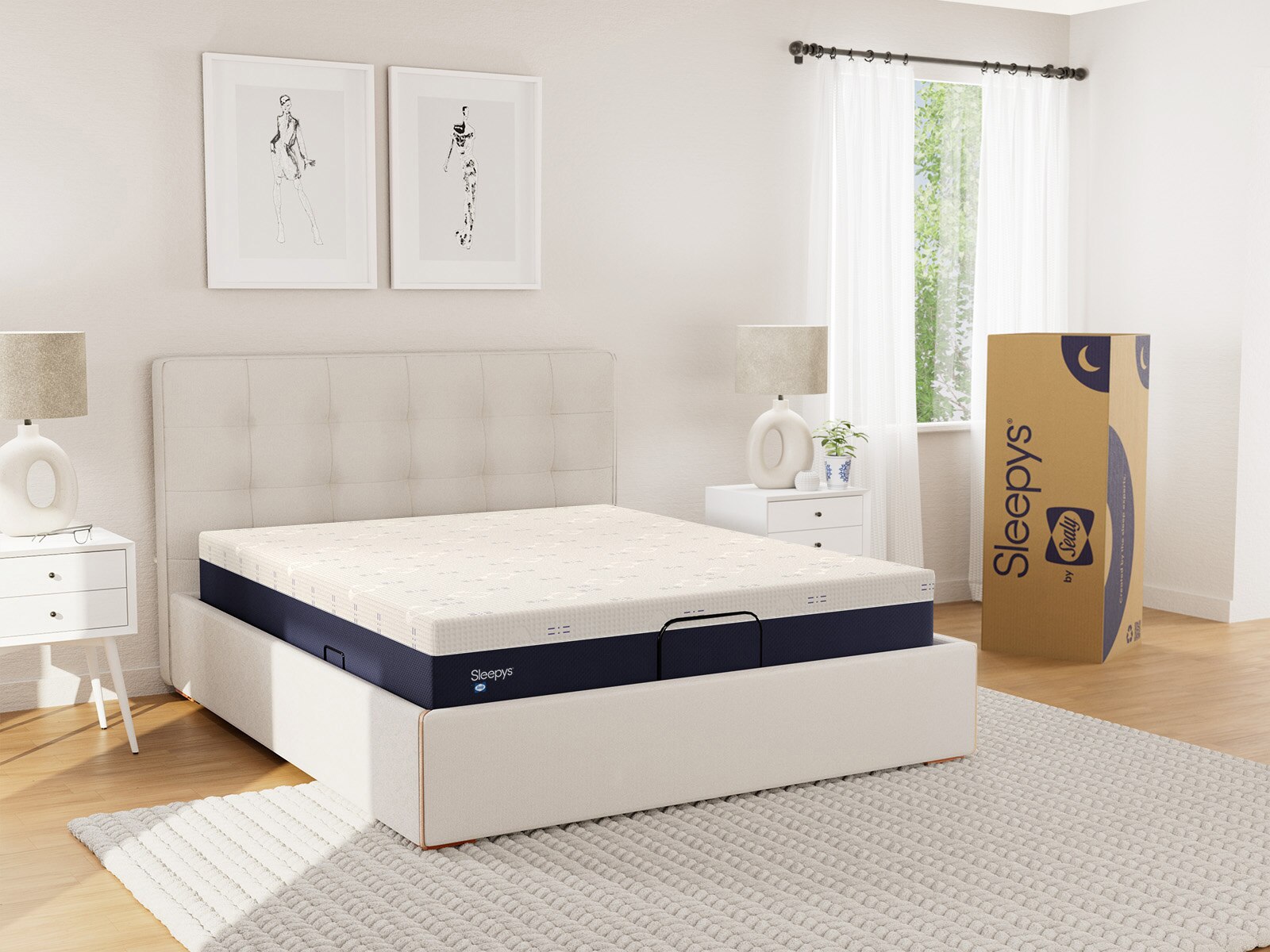
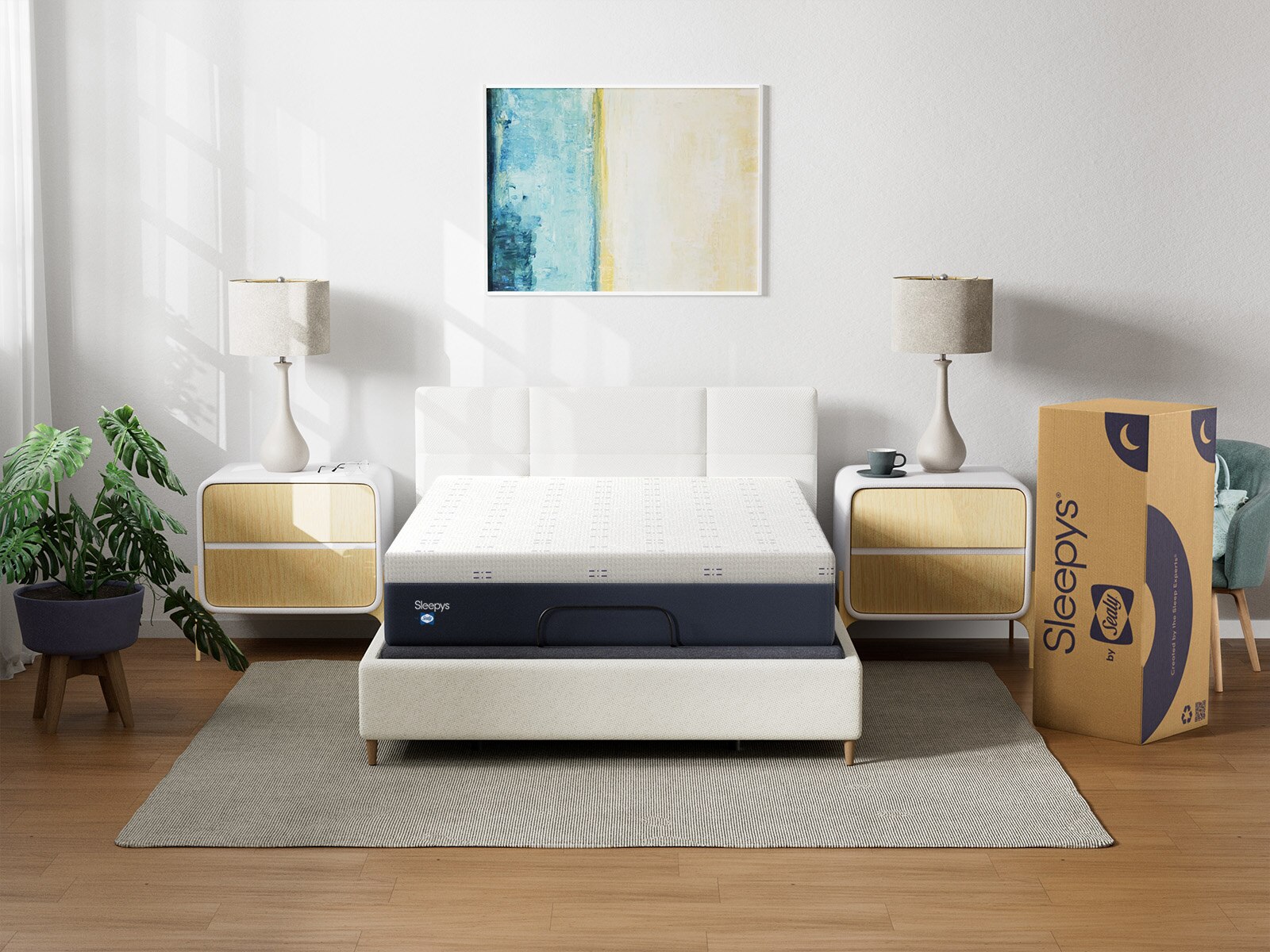
Hip support sleep solutions include pressure-relieving mattresses, contoured knee pillows, body pillows and adjustable bed bases that can help create a more comfortable resting position. The goal is to cushion the hip area without allowing the pelvis to sink so deeply that the lower back feels strained. Support and cushioning serve different purposes: a mattress needs enough underlying structure to hold the body comfortably, along with a surface that distributes pressure rather than concentrating it at the hip. This balance matters especially for side sleepers, whose shoulders and hips bear much of their weight against the mattress. A surface that feels comfortably firm beneath the torso may still need a contouring comfort layer to accommodate those curves. Memory foam responds to body weight and gradually conforms around the hips, while latex typically has a more buoyant feel that makes changing positions easier. Hybrid mattresses combine comfort layers with a coil support system, offering cushioning above a more responsive foundation. Some mattresses also use different support zones, although how those zones feel depends on body proportions and where the sleeper rests. A medium-firm mattress can be a useful starting point for people seeking hip support, but that label alone does not establish the right fit. Body weight, preferred sleep position and sensitivity to pressure all affect how a mattress feels. Someone with broader hips may need more surface cushioning when lying on their side, while another sleeper may prefer a steadier feel that limits sinking. For back sleepers, the useful balance is gentle contouring beneath the pelvis with support through the lower back. Stomach sleepers generally need enough support to keep the midsection from dipping excessively. The most comfortable choice is not necessarily the softest or firmest option; it is the combination that lets the hips settle without leaving the rest of the body feeling tilted or unsupported. Ease of movement matters, too, particularly for someone who changes sides several times before finding a comfortable position.
Pillows for hip support address a different part of the sleep setup: the position of the legs relative to the pelvis. For a side sleeper, a pillow between the knees can help keep the upper leg from dropping forward and rotating the pelvis. Picture settling onto one side with the knees slightly bent; without something between them, the top knee may slide toward the mattress while the torso stays facing sideways. A contoured knee pillow fills that space, while a longer leg pillow can support both the knees and ankles. A body pillow offers another option for someone who likes to rest an arm and the upper leg against the same cushion. The right thickness depends on the sleeper’s build and position. Too little loft may leave the legs crowded together, while too much can lift the upper leg higher than feels natural. A useful fit maintains comfortable spacing without forcing the hips into a stretched position. For back sleeping, a pillow beneath the knees can provide gentle elevation that may ease tension through the lower back and hip area. This is a different use from placing a pillow between the knees, so shape and size matter. A compact contoured pillow may work well for side sleeping, while a broader cushion can feel steadier beneath both knees. Memory foam offers a conforming feel, and resilient foam can provide a more consistent shape as the legs move. Softer fiber-filled pillows are easier to reshape but may flatten or shift more readily. Covers, seams and straps also affect everyday comfort: a smooth cover should feel pleasant against the legs, and any strap should hold the pillow without feeling restrictive. A partner who turns frequently may appreciate a smaller cushion that stays close to the body rather than taking up extra mattress space. The head pillow remains part of this arrangement as well, since comfortable hip positioning works best when the shoulders, neck and head are supported rather than pulling the torso into a twist.
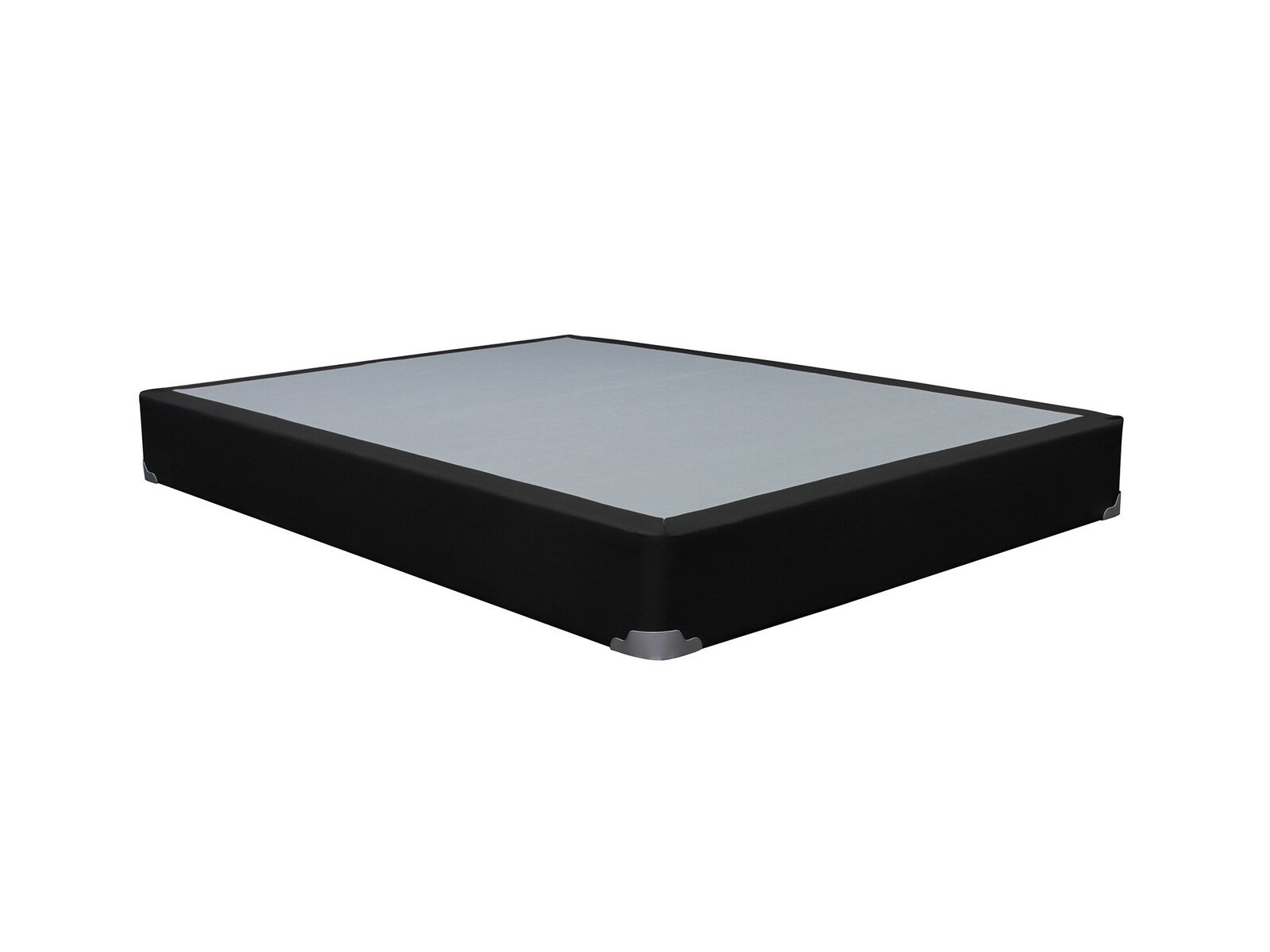
The rest of the bed can influence how well hip support products work together. A mattress needs a compatible foundation, whether that is a platform, a slatted frame or an adjustable base approved for its construction. An uneven or insufficiently supported surface can change the mattress feel and allow unwanted sagging. Adjustable bases offer another way to change the resting position, including gentle knee elevation for back sleepers, but mattress compatibility and a comfortable range of movement are important considerations. More elevation is not automatically more comfortable, and a position that feels relaxing for reading may not suit a full night of sleep. Mattress toppers can add cushioning when an otherwise supportive mattress feels too firm at the hips, but they cannot restore the underlying support of a mattress with a deep, lasting impression. Thickness also changes the overall bed height, which matters when sitting at the edge or getting in and out of bed. Practical details make a difference over time: fitted sheets need enough depth for the complete mattress setup, pillow covers should be removable when possible and protectors should fit smoothly without bunching beneath the body. Care requirements vary by material, so washing covers and cleaning foam according to their care labels helps preserve the intended feel. Foam inserts generally need different care from fabric covers, and thoroughly drying washable components helps keep the sleep surface fresh. Durability depends on construction, regular use and proper support, not simply on how thick or plush a product appears. Changes such as persistent flattening, uneven cushioning or a pillow that no longer holds its shape can affect comfort. Because the hips and lower back work together during sleep,
Solutions For Back Support While Sleeping offers related options for a more coordinated sleep setup. These products can support comfort and positioning, but persistent hip pain, new pain or discomfort following an injury deserves guidance from a healthcare professional rather than relying on a bedding change alone.