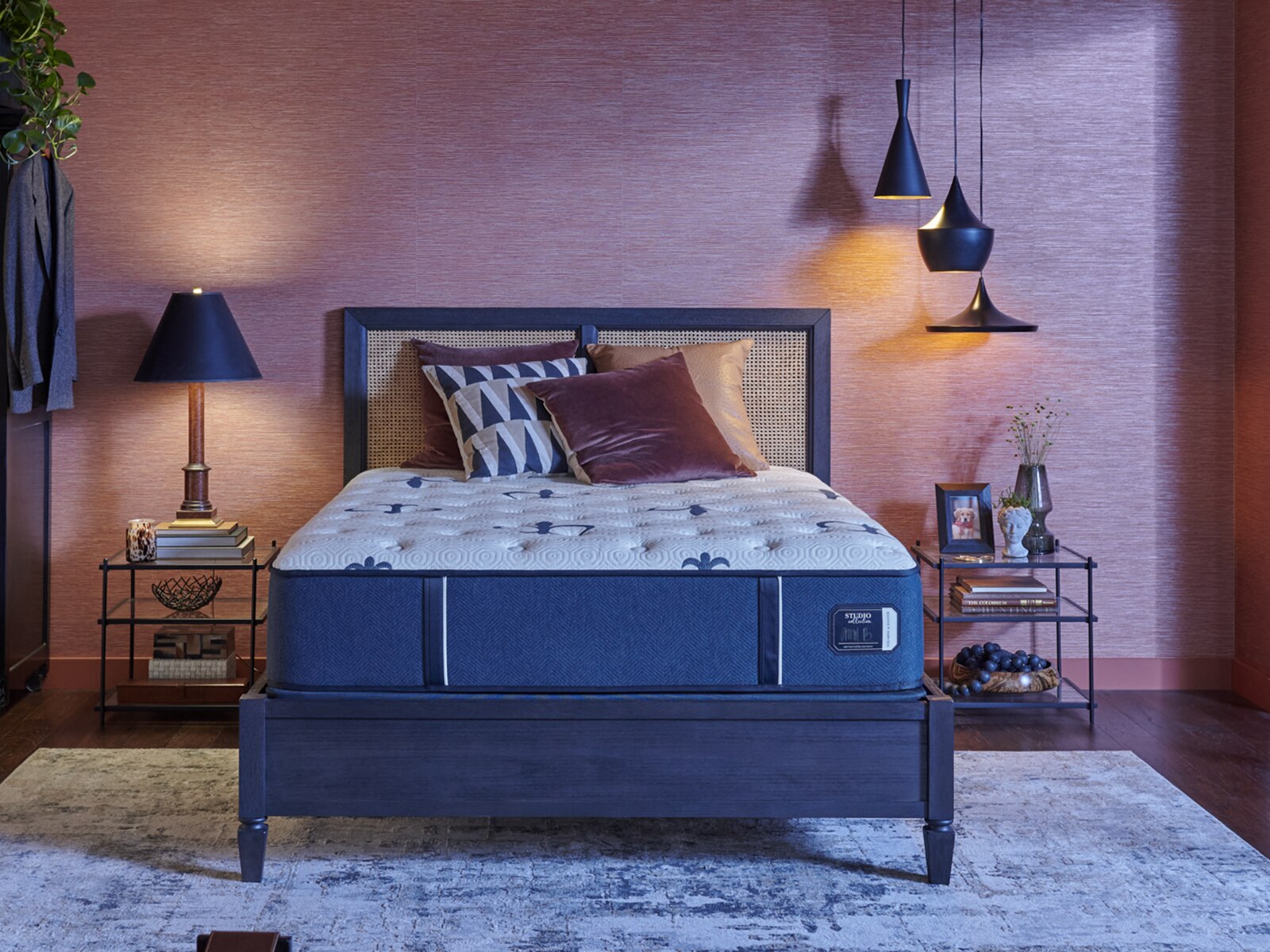
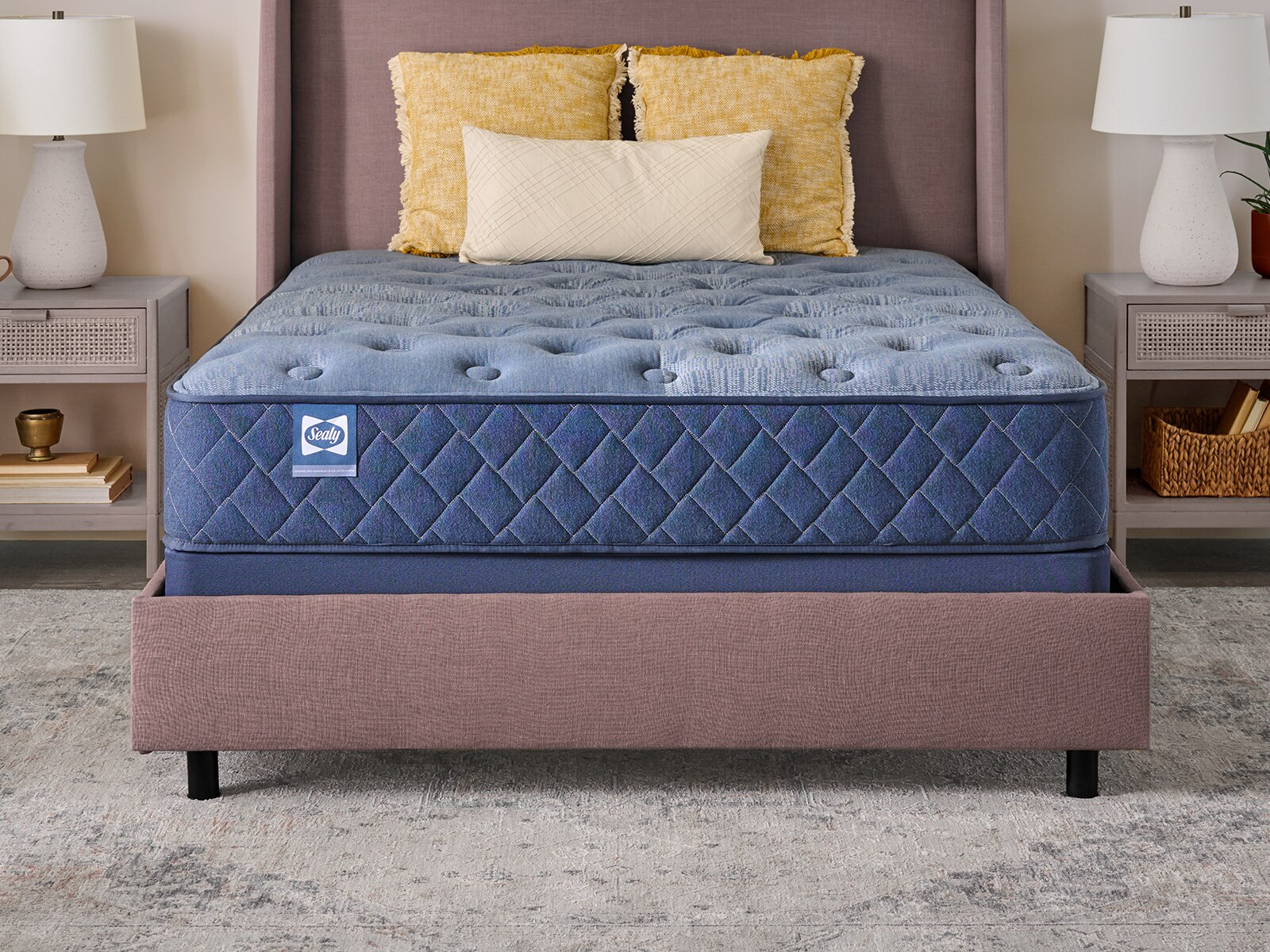
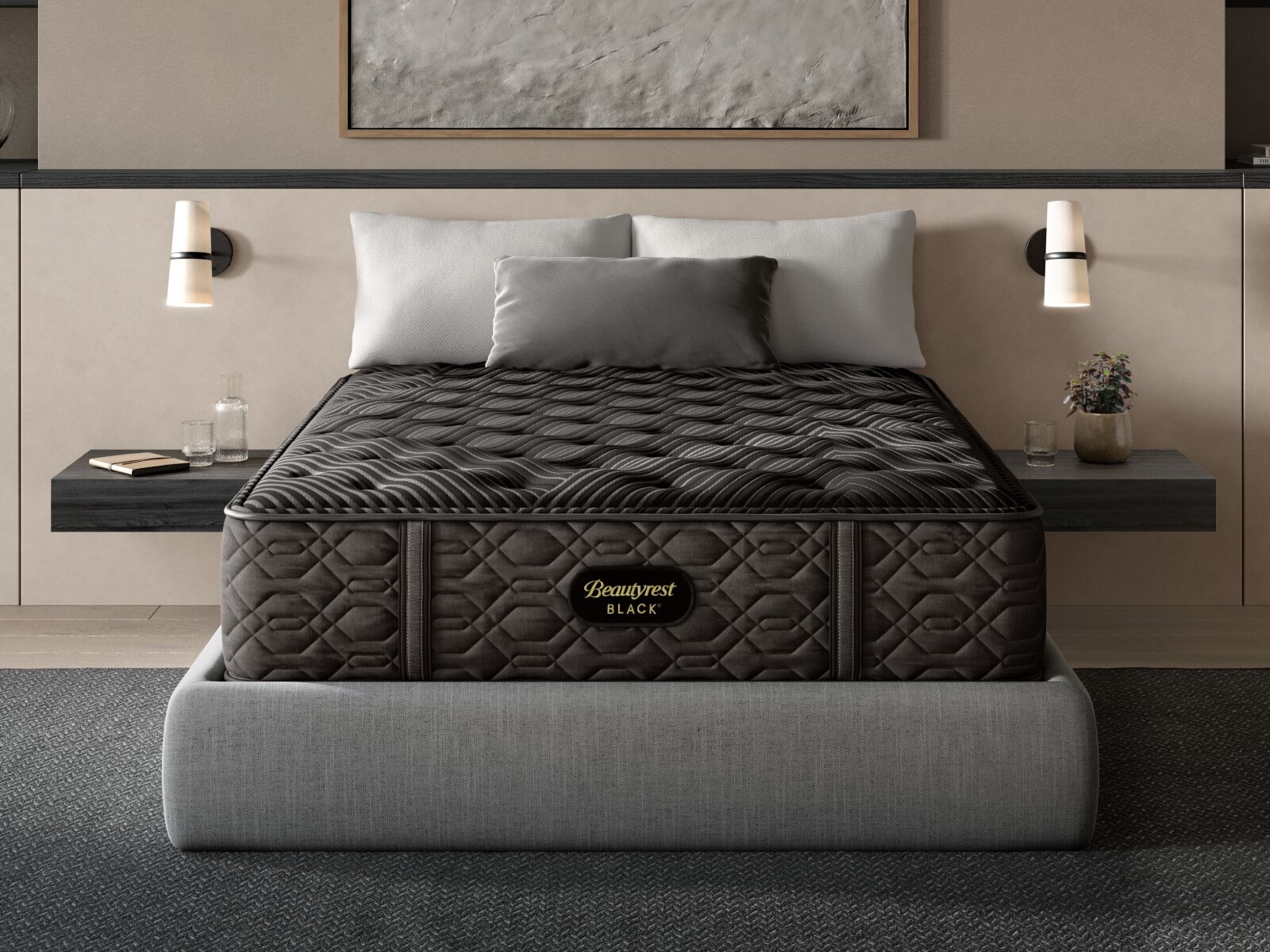
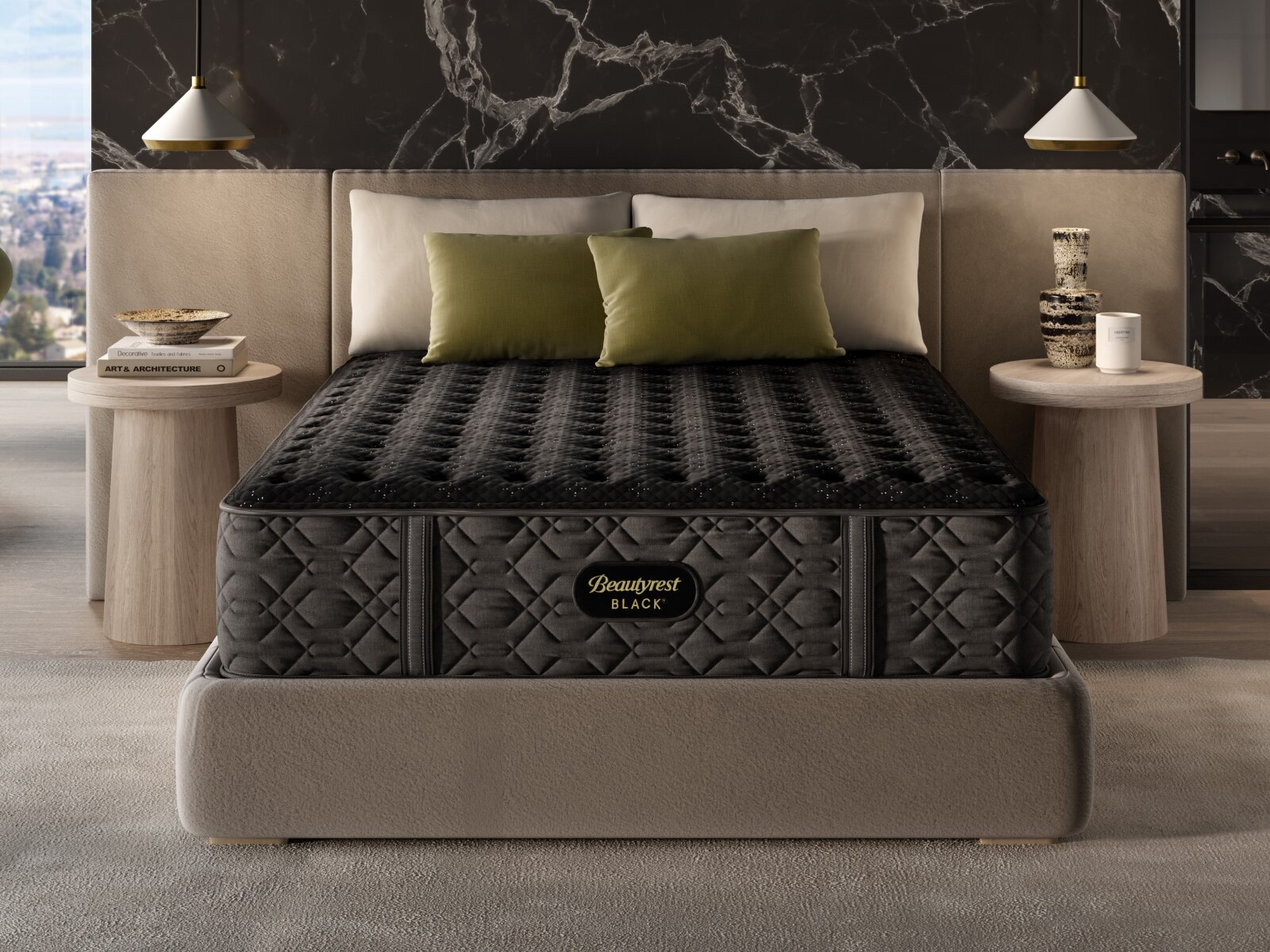
A 14.5-inch mattress has a substantial, high-profile design, with a depth of 14.5 inches from its bottom surface to the top of its sleep surface. That measurement describes mattress height, not firmness, bed size or a guaranteed level of cushioning. Depending on its construction, a mattress this tall can feel gently conforming, noticeably plush or relatively firm. The added depth can accommodate several comfort and support layers, creating room for cushioning above a sturdy core. Memory foam can contour around the shoulders and hips, while latex can provide a more buoyant feel that makes changing positions feel less restrictive. Other cushioning foams may soften the surface or create a gradual transition into the support system below. In a hybrid construction, foam or latex comfort layers work with a coil support core; other designs may use a foam core without springs. Individually wrapped coils can respond to pressure independently, although motion transfer also depends on the materials above them and the overall design. A pillow top adds a distinct cushioning section at the surface, while a Euro top is typically sewn flush with the mattress edges for a more integrated appearance. Neither style alone determines how soft the mattress feels. The combination of materials, layer thicknesses and underlying support matters more than the profile measurement by itself. For someone who enjoys a generously upholstered bed, a 14.5-inch profile can create that substantial look without requiring a separate topper. For someone who prefers a flatter, firmer surface, the same height may still be suitable when the comfort layers are less yielding. Product descriptions that explain the construction and firmness offer a clearer picture than height alone, especially when distinguishing a deeply cushioned surface from one that provides gentler contouring over a firm support core.
The right feel depends on how the mattress supports the person sleeping on it. Side sleepers often appreciate enough cushioning for the shoulder and hip to settle without feeling pressed against a rigid surface. Back sleepers may prefer a balance of contouring and support beneath the lower back, while stomach sleepers generally benefit from a surface that limits excessive sinking around the midsection. Body weight changes how deeply the comfort layers compress, so the same 14.5-inch mattress can feel different to two people. For couples, motion isolation and usable space near the edges can be as important as surface softness. A partner turning over should not be the only consideration; sitting along the side to put on socks or sleeping close to the edge can also reveal whether the perimeter feels supportive enough. Beyond comfort, this profile affects the height and proportions of the entire bed. A 14.5-inch mattress on a tall foundation creates a different experience from the same mattress on a low platform. The finished height should make getting in and out comfortable, with a stable place to sit rather than a surface that requires climbing or dropping down. A taller mattress may also cover more of a headboard or sit above a footboard, so frame measurements deserve attention. Shoppers comparing nearby profiles can also explore
14 Inch Mattresses, keeping in mind that a half-inch difference does not establish which mattress offers better support. Width and length remain separate decisions: a queen provides a different amount of sleeping space than a king, regardless of thickness. This substantial profile can suit a primary bedroom or a thoughtfully furnished guest room, provided the bed frame, bedding and room layout work together. For bunk beds and loft beds, the frame manufacturer’s mattress-height limits take priority because guardrail clearance is a safety consideration.
Everyday comfort also depends on what surrounds and supports the mattress. A fitted sheet needs enough pocket depth to cover the full 14.5-inch profile, along with any protector or topper that adds height. Sheet labeling varies, so a stated pocket measurement is more useful than relying on the phrase “deep pocket” alone. A sheet stretched too tightly may pull free at the corners, while one with excessive fabric can bunch beneath the sleeper. A breathable, washable mattress protector helps keep perspiration and spills away from the upholstery without adding a thick extra layer. The support beneath the mattress deserves equal attention: platform spacing, foundation requirements and center support should match the mattress manufacturer’s specifications. Compatibility with an adjustable base is also construction-specific, not something mattress height can confirm. A thicker mattress is not automatically more durable, either. Foam quality, coil construction, stitching, edge design and an appropriate foundation all contribute to how well it holds its shape through repeated use. Care is usually straightforward but should follow the instructions for the particular mattress. Rotation may help distribute wear when permitted, while many layered and pillow-top designs are intended for one-sided use and should not be flipped. Surface cleaning should use the recommended method and minimal moisture, with the area allowed to dry thoroughly before bedding goes back on. Washable covers should only be removed when the care label explicitly permits it. For a frequently used primary bed, these practical details support consistent comfort; in a guest room, they help keep the sleep surface clean and ready between visits. If a mattress is being chosen as a gift for a household member, matching that person’s preferred firmness, sleeping position and bed height is more meaningful than selecting the tallest profile. A well-matched 14.5-inch mattress brings together cushioning, support and a substantial appearance, with the most satisfying choice grounded in how the whole bed fits daily life.