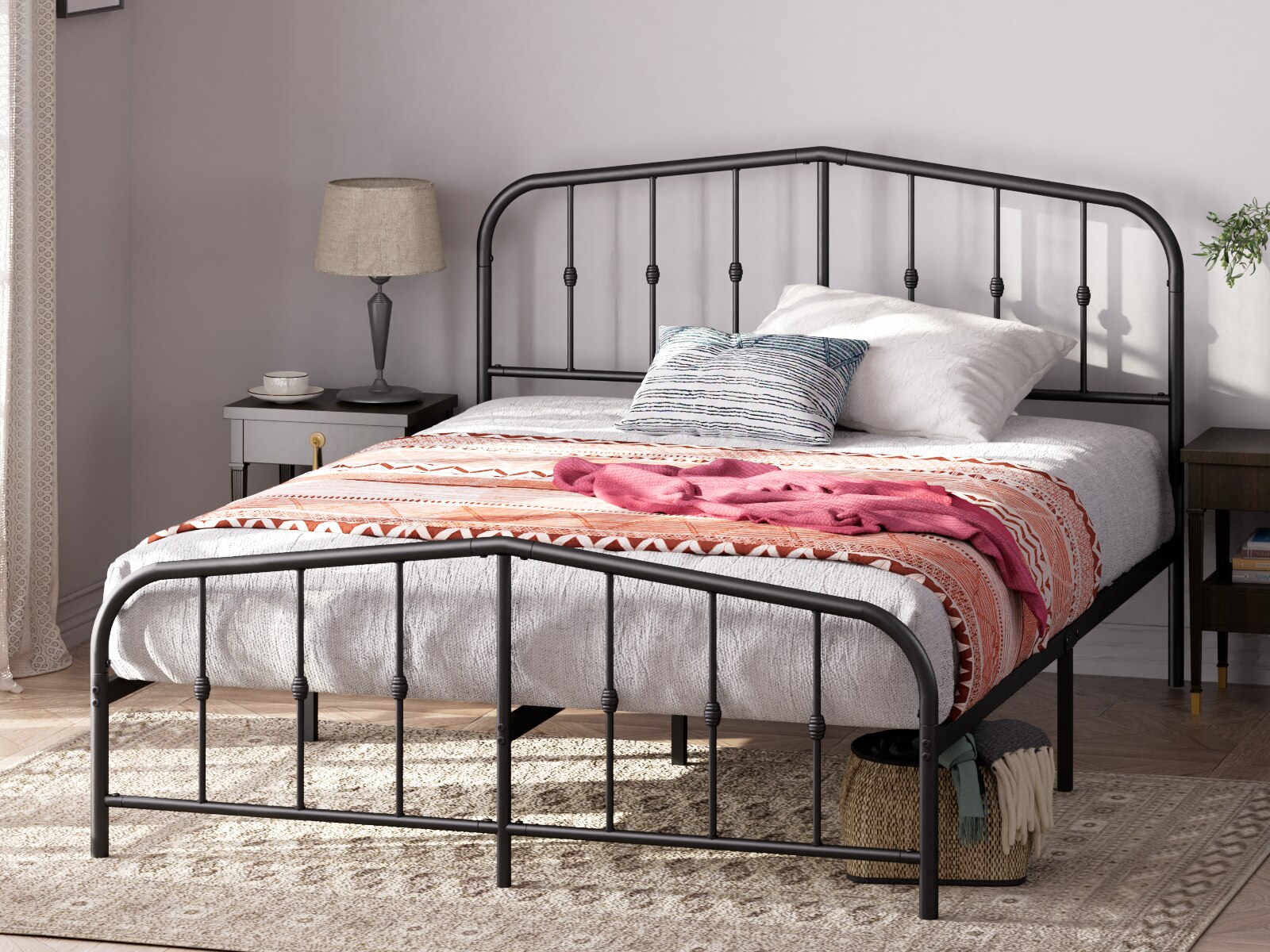
Affordable full size beds create a defined place to rest without requiring the footprint of a larger bed. A standard full size mattress measures approximately 54 inches wide by 75 inches long, although the bed frame’s outside dimensions vary with its construction. That distinction matters in a bedroom where a few inches can determine whether a dresser drawer opens fully or a bedside table fits comfortably. Full size beds offer more width than a twin, making them a practical option for teenagers, adults who sleep alone and guest bedrooms that also need space for everyday activities. Two adults can share a full, but the narrower sleeping area leaves less room for changing positions than a queen. Taller sleepers may also prefer a longer mattress size. In a compact bedroom, a simple frame with a low-profile footboard can keep the space feeling open, while a taller headboard creates a more prominent focal point. Wood brings visible grain and texture, metal can create a light, streamlined outline, and upholstery adds a soft surface behind pillows. These differences affect more than appearance: A projecting footboard takes up walking space, while a thick upholstered headboard can move the mattress farther from the wall. The most useful measurements include the frame’s complete length and width, headboard height and clearance around nearby doors. Room layouts work best when there is enough space to approach the bed, change the sheets and move between furniture without turning sideways. For a bedroom shared with a desk or reading chair, a full size bed can preserve room for those activities while providing a dedicated sleeping surface. Its proportions also suit many transitions, from a teenager’s room with space for schoolwork to a first apartment bedroom or a guest room furnished for overnight visits. The frame’s shape and dimensions help determine how comfortably that space functions each day.
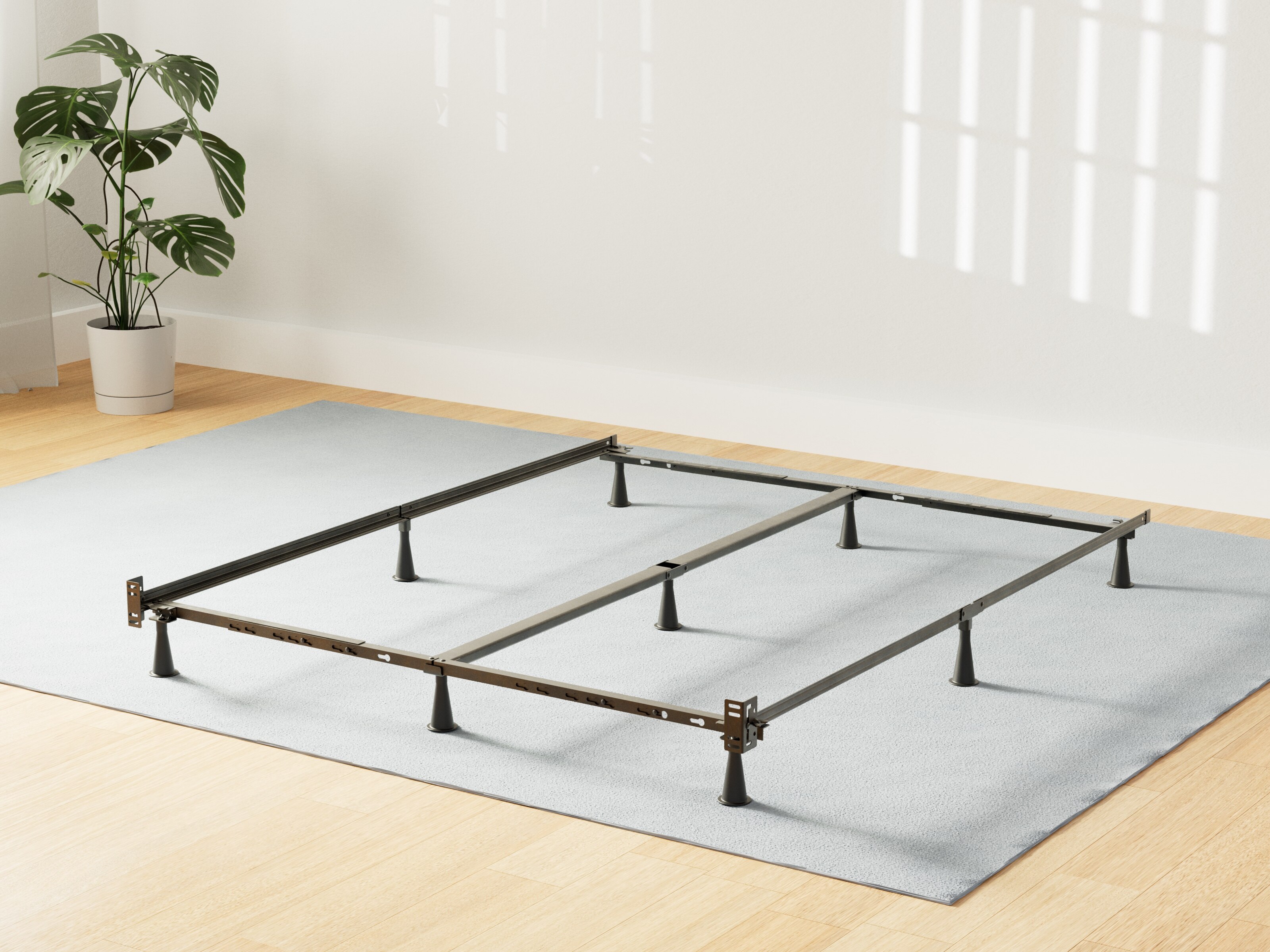
The construction beneath the mattress is just as important as the frame’s appearance. Full size platform beds typically support a mattress on slats or a solid surface, while other frames are designed to work with a separate foundation. A headboard alone does not provide mattress support, and a frame’s design should not be assumed to eliminate the need for a foundation. The mattress manufacturer’s requirements establish which support surface is appropriate, including any limits on slat spacing and requirements for center support. Comparing
Affordable Full Size Mattresses alongside frame dimensions helps clarify how the complete bed will fit together. Foam, innerspring and hybrid mattresses can have different support requirements, so matching the full size label is only part of the process. Mattress thickness also changes the finished bed height and how much of the headboard remains visible. A thick mattress on a tall platform may feel awkward for someone who prefers to sit with both feet resting on the floor; a very low frame can make standing up less comfortable for others. Strong connections, suitable support legs and a stated weight capacity that accommodates the mattress and sleepers are useful considerations for everyday use. Solid wood frames offer natural variation in grain, while engineered wood can provide a consistent finish across larger panels. Metal frames often use rails, crossbars and welded or bolted connections to create their supporting structure. Upholstered beds combine a structural frame with padding and fabric, making the underlying construction worth examining as closely as the covering. Smooth edges, secure slats and firmly attached hardware all contribute to a stable setup. The frame supports the mattress, but the mattress provides the cushioning and much of the feel at the sleep surface. A decorative headboard or substantial-looking side rail is not a substitute for an appropriate support system. Attention to both visible materials and hidden connections gives a clearer picture of how a bed is built for regular use.
Practical details can make a full size bed easier to live with long after assembly. Underbed clearance can accommodate shallow storage containers, but the usable space depends on the position of support legs and crossbars, not just the distance from the floor to the side rail. Built-in drawers offer another approach, provided there is enough room to pull them open without moving a nightstand or chair. A bed placed against a wall may make one set of drawers difficult to reach, so storage needs to match the actual room layout. Clearance also affects how easily a vacuum attachment can reach beneath the frame. For upholstered surfaces, regular vacuuming with an appropriate attachment helps remove dust, while spills require the care method specified for the fabric rather than an all-purpose cleaner. Wood and metal finishes generally benefit from gentle cleaning and prompt drying, with care instructions guiding which products are suitable. Moving the bed is another consideration: Lifting frame sections as directed, rather than dragging an assembled bed across the floor, can help protect connections and flooring. Assembly needs vary, and larger headboards or long side rails may be easier to position with another person’s help. Doorways, stair turns and hallways deserve a measurement before bringing components into the bedroom, especially in older homes with narrow passages. Once assembled, the bed should sit level with its support legs properly positioned. Periodic checks for loosened hardware, shifting slats or uneven floor contact can help address small problems before they affect stability. Bedding fit adds a final practical layer. Full size fitted sheets need pocket depths suited to the mattress, and a mattress protector should fit securely without pulling at the corners. A washable cover is especially useful in a frequently used guest room or a teenager’s bedroom. Together, compatible dimensions, dependable support and manageable care help a full size bed remain a comfortable, functional part of the room through everyday use.