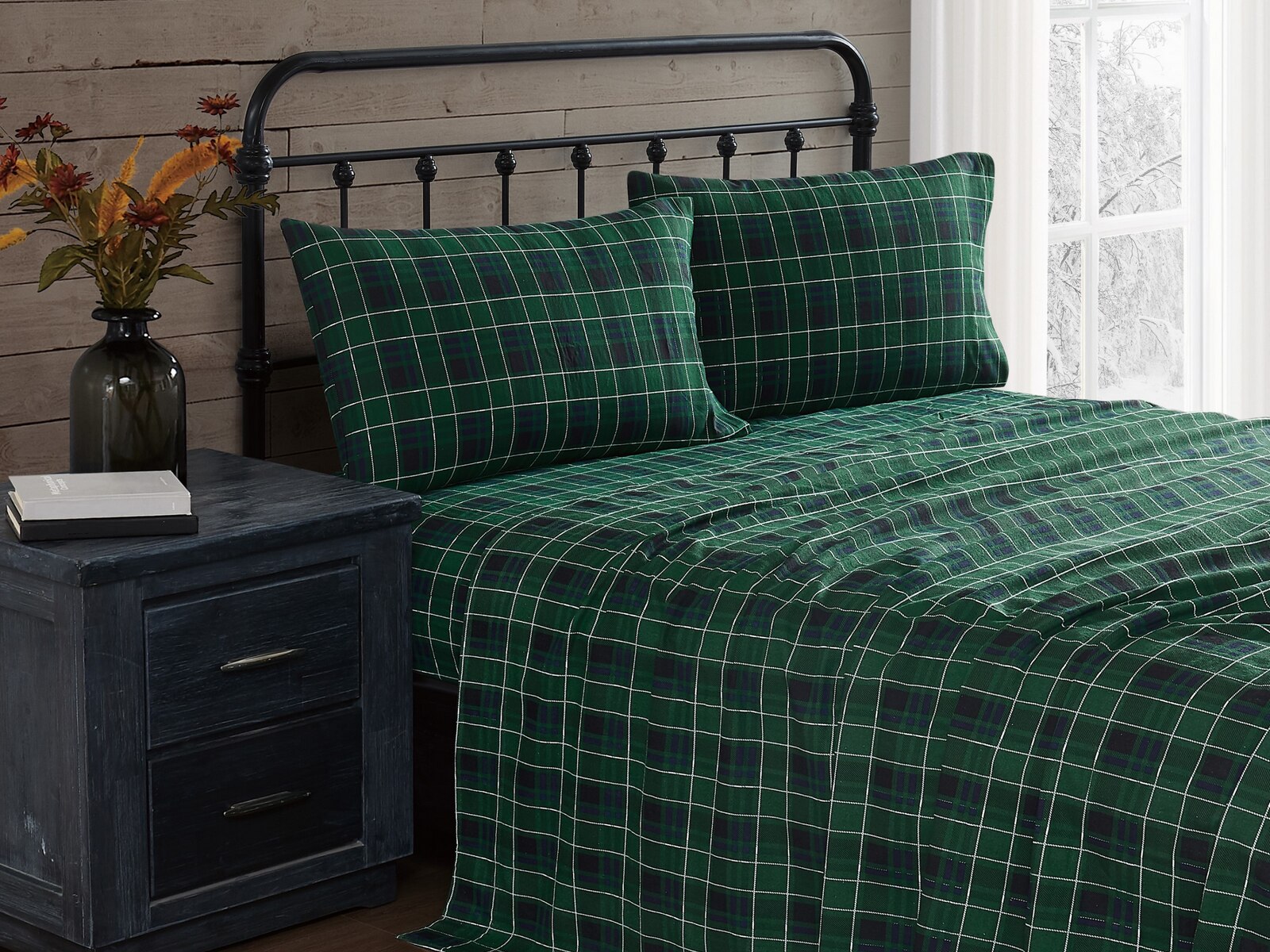
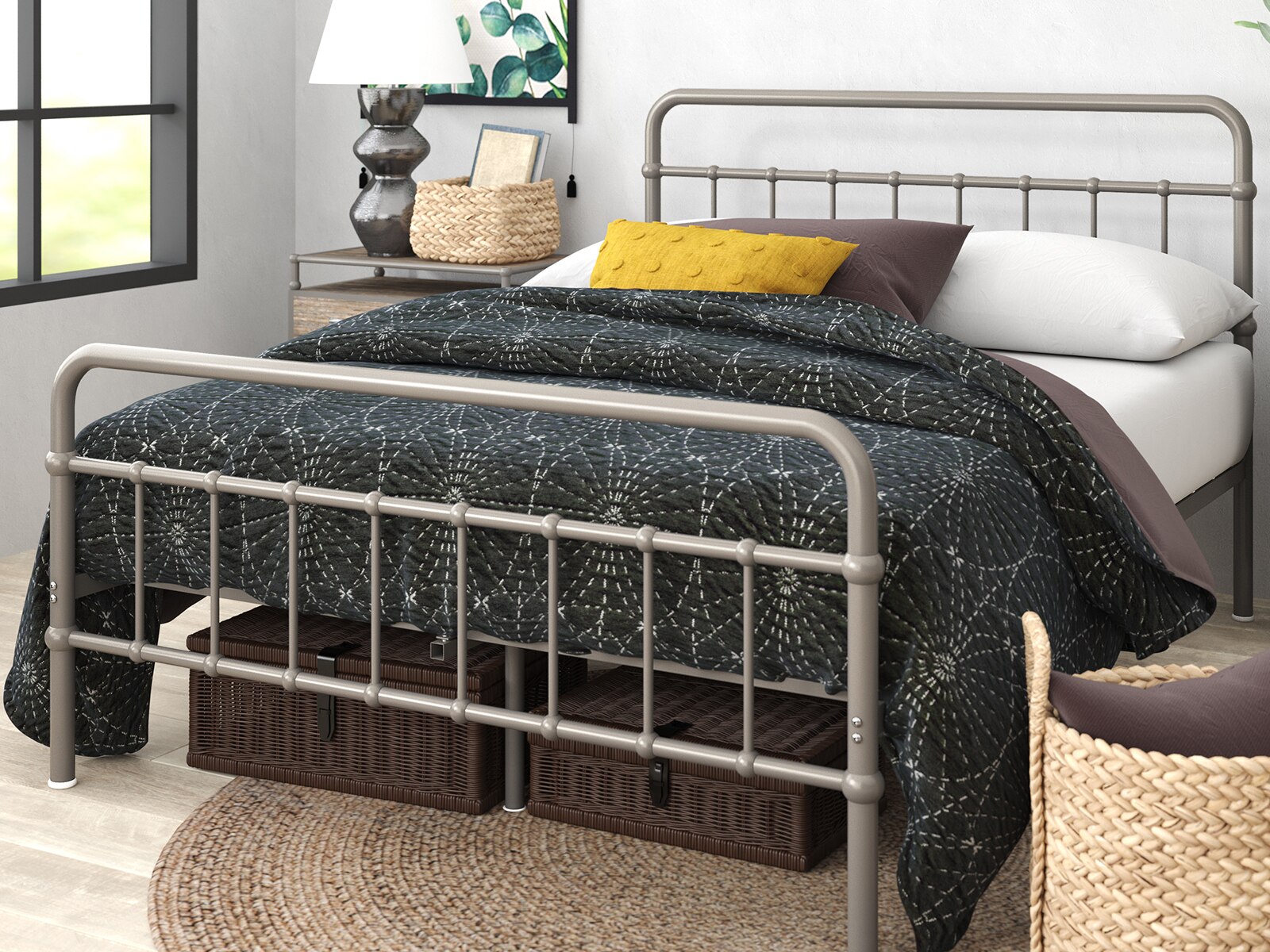
Twin beds for adults are a practical, space-saving choice for single sleepers in studio apartments, guest rooms and compact bedrooms. A standard twin mattress measures approximately 38 inches wide by 75 inches long, offering a smaller footprint than a full or queen mattress while providing a dedicated sleeping space for one person. Those measurements describe the mattress, not the complete bed: a frame, headboard or footboard can add several inches to the overall dimensions. For an adult furnishing a narrow bedroom, that distinction can determine whether a dresser drawer opens fully or there is enough room to walk comfortably beside the bed. A twin can leave space for a desk, reading chair or bedside table that might otherwise feel squeezed into the room. Length deserves just as much attention as floor space. Adults need room for a pillow and a comfortable sleeping position without their feet pressing against a footboard. A Twin XL mattress is approximately 38 inches wide by 80 inches long, providing five additional inches of length without increasing the mattress width. Standard twin and Twin XL mattresses require appropriately sized frames and fitted sheets, so the two sizes are not interchangeable in every setup. Width matters, too: a twin works best for one adult who feels comfortable within a relatively narrow sleeping surface. Someone who stretches diagonally, changes positions frequently or shares the bed with a pet may prefer more room. In a guest bedroom, two twin beds can give visiting friends or adult siblings separate places to sleep, with a shared nightstand between them if the layout allows. In a studio, a twin positioned along a wall can keep the sleeping area distinct from the rest of the living space. The strongest fit is a bed that supports the person using it while preserving enough open floor area for everyday routines.
Comfort in an adult twin bed depends on the mattress construction and its supporting base, not simply its dimensions. Foam mattresses can provide close contouring around the shoulders and hips, while innerspring designs generally have a more buoyant feel. Hybrid mattresses combine coils with comfort layers, and latex can offer a responsive surface that allows easier changes in position. These are broad characteristics rather than guarantees; layer thickness, construction and individual preferences all affect how a mattress feels. Side sleepers often appreciate cushioning at pressure points, while back and stomach sleepers may prefer a surface that limits excessive sinking. Body weight also changes the experience of firmness, making personal comfort more useful than choosing by a firmness label alone. Edge support can be especially noticeable on a twin because the sleeping surface is narrow. A stable perimeter may feel more reassuring when sitting to put on socks or shifting toward the side during sleep. Beneath the mattress, the frame and foundation need to provide the support specified by the mattress manufacturer. Slat spacing, the condition of the support system and any required center support all deserve attention. Weight capacity should be checked for the exact frame and should account for the mattress and everyone who will use the bed. Solid wood, engineered wood and metal frames each have distinct construction considerations, but material alone does not establish durability. Secure connections, appropriate reinforcement and a well-supported mattress matter more than appearance by itself. Upholstered frames add a softer visual finish and a cushioned surface behind pillows, while exposed wood or metal can be easier to wipe clean. For a bed used every night, sturdy construction and straightforward upkeep are particularly valuable. A guest bed may see less frequent use, but it still needs dependable support and a mattress comfortable enough for an adult staying more than a single night.
The look and proportions of a twin bed can help a small bedroom feel thoughtfully furnished rather than simply fitted with the smallest option. A low-profile frame can keep sightlines open, while a taller headboard can give the sleeping area a clear focal point. Upholstery introduces texture without requiring extra furniture, and a simple wood or metal frame can work with a range of bedding styles. The styling possibilities in
Twin Beds For Contemporary Homes suit spaces where a compact bed needs to feel intentional rather than temporary. Practical details make that look easier to live with. Underbed drawers can hold spare sheets or folded clothing, provided there is enough clearance to pull them out. Open space beneath a raised frame can accommodate storage containers, though the usable height depends on the frame’s actual measurements. Bed height also affects daily comfort: the combined height of the frame, foundation and mattress determines how easily someone can sit down and stand up. A thick mattress on a tall base may feel quite different from the same mattress on a low platform. Care requirements are worth considering alongside these design choices. A washable mattress protector helps shield the sleep surface from everyday spills and perspiration, while correctly sized sheets stay smoother and are easier to secure. Mattress rotation should follow the manufacturer’s instructions, and flipping is appropriate only for a mattress designed for use on both sides. Upholstered surfaces benefit from gentle vacuuming and cleaning methods suited to the fabric; wood and metal components need care appropriate to their finishes. Periodic checks for loose hardware, shifting slats or new movement can help keep the frame stable. Keeping the area beneath the bed accessible also makes routine cleaning less cumbersome. Together, a comfortable mattress, a properly matched frame and manageable care requirements make a twin bed a considered choice for adult living, whether it serves as an everyday sleep space or a welcoming place for overnight guests.