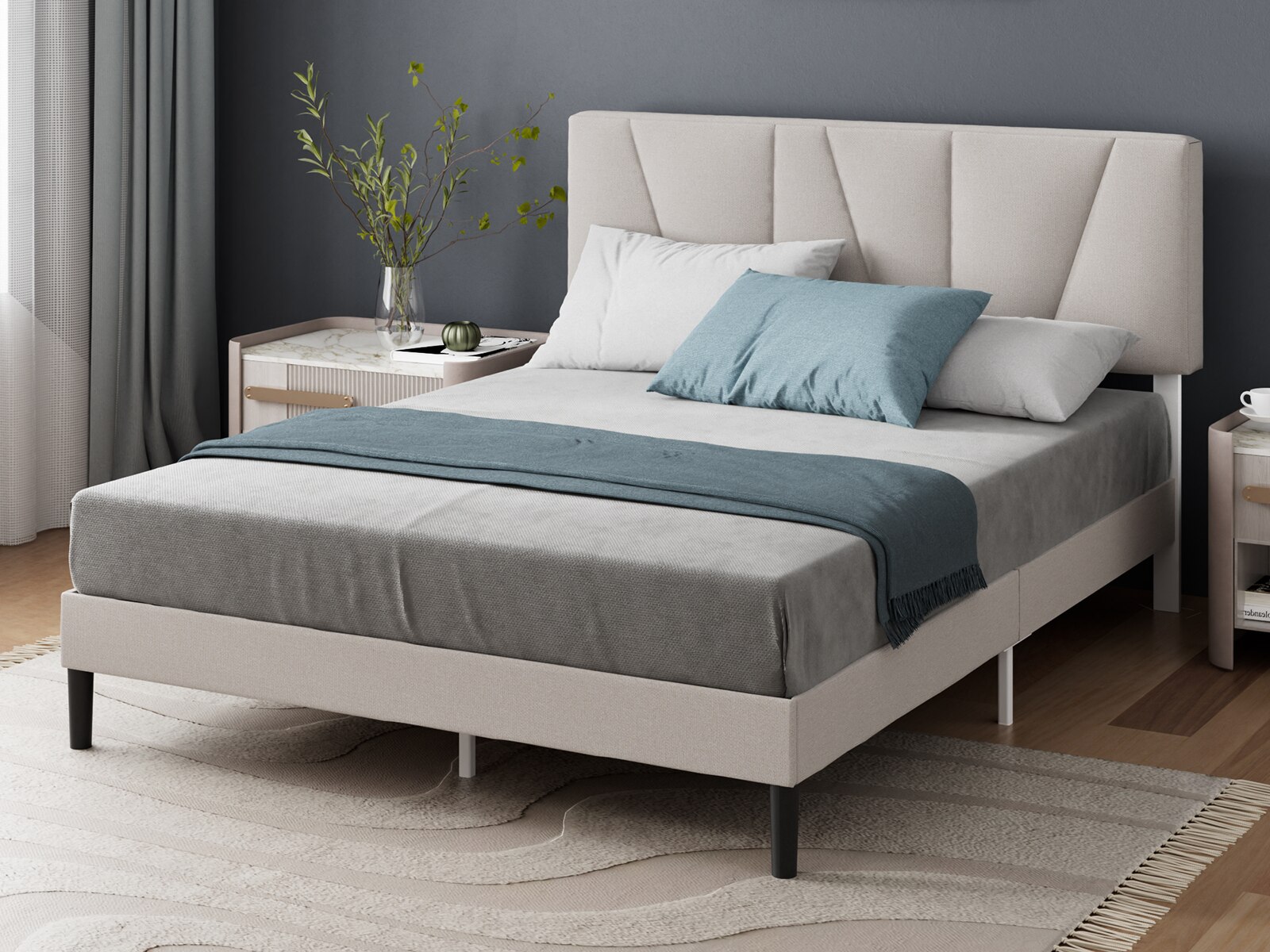
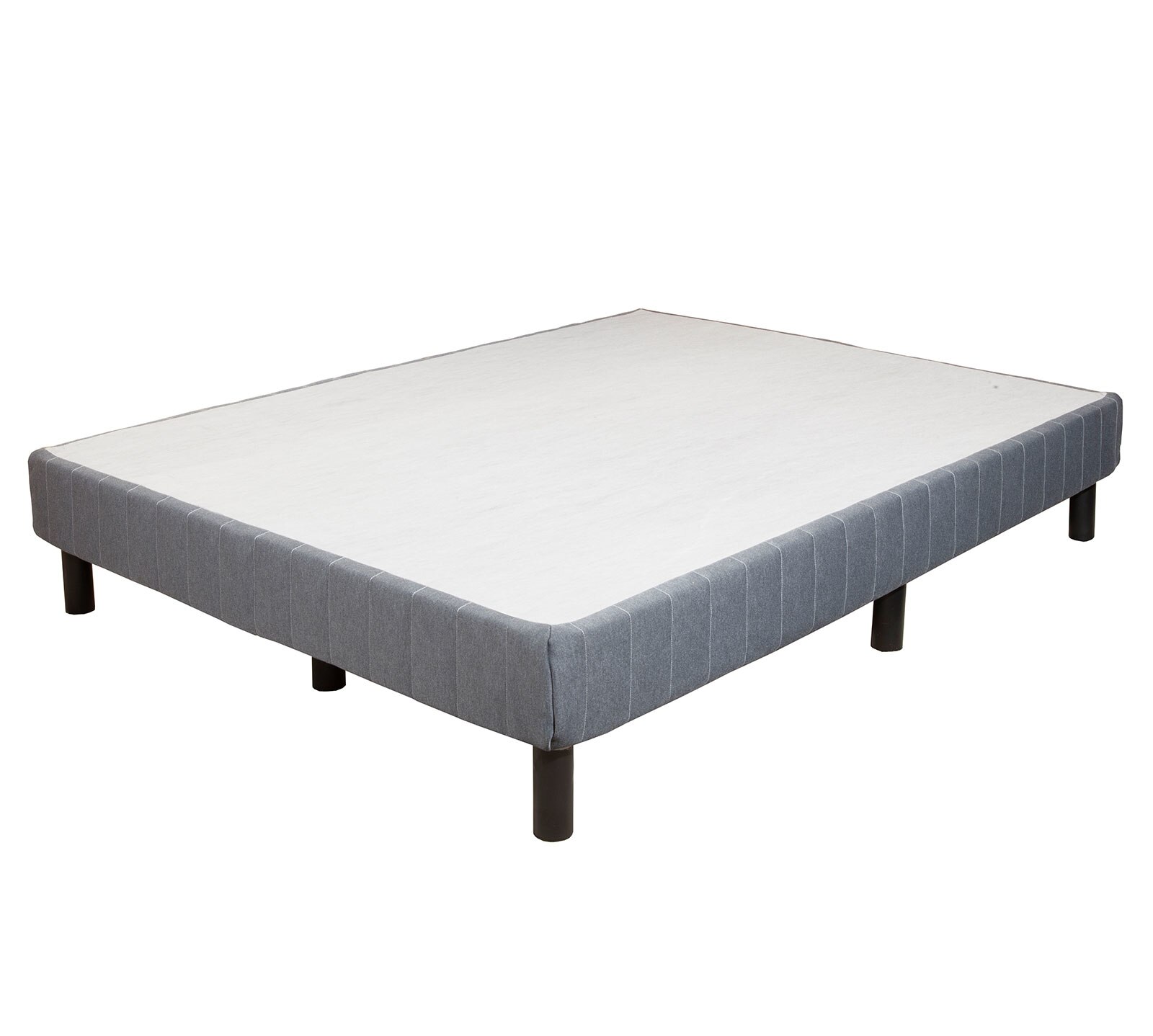
Bed frames for adults create the structure beneath a mattress, helping keep the sleep surface supported while giving the bedroom a finished look. The main types include platform frames, frames designed for a separate foundation, upholstered frames and storage frames, with some designs combining several features. A platform frame has an integrated support surface, such as slats or a solid deck, and often does not require a box spring when used with a compatible mattress. A traditional frame may instead need a separate foundation to provide the required support. Upholstery describes the outer finish rather than the support system, so a padded fabric frame can also be a platform or storage design. Materials shape both appearance and everyday upkeep. Metal frames can have slender profiles that leave more of the floor visible, while wood frames bring texture and a substantial furniture feel. Both can provide dependable support when their construction, connections and weight capacity suit the intended use. Solid wood and engineered wood have different construction characteristics, and neither appearance nor material alone determines how sturdy a frame will feel. Upholstered headboards and rails introduce a softer visual texture, with tightly woven fabric creating a different effect from plush velvet or textured upholstery. A padded headboard can make sitting up with a book more comfortable, although its height and cushioning vary by design. Exposed wood or metal surfaces may appeal to someone who prefers straightforward cleaning, while upholstery benefits from regular attention to dust and fabric care. When considering
Complete Bed Frames, the important distinction is between a frame with an included mattress-supporting surface and one intended to hold a separate foundation. Headboards, footboards and support components are not included in every configuration. Understanding that construction helps connect the bedroom’s visual style with the practical requirements of the mattress, rather than choosing on appearance alone.
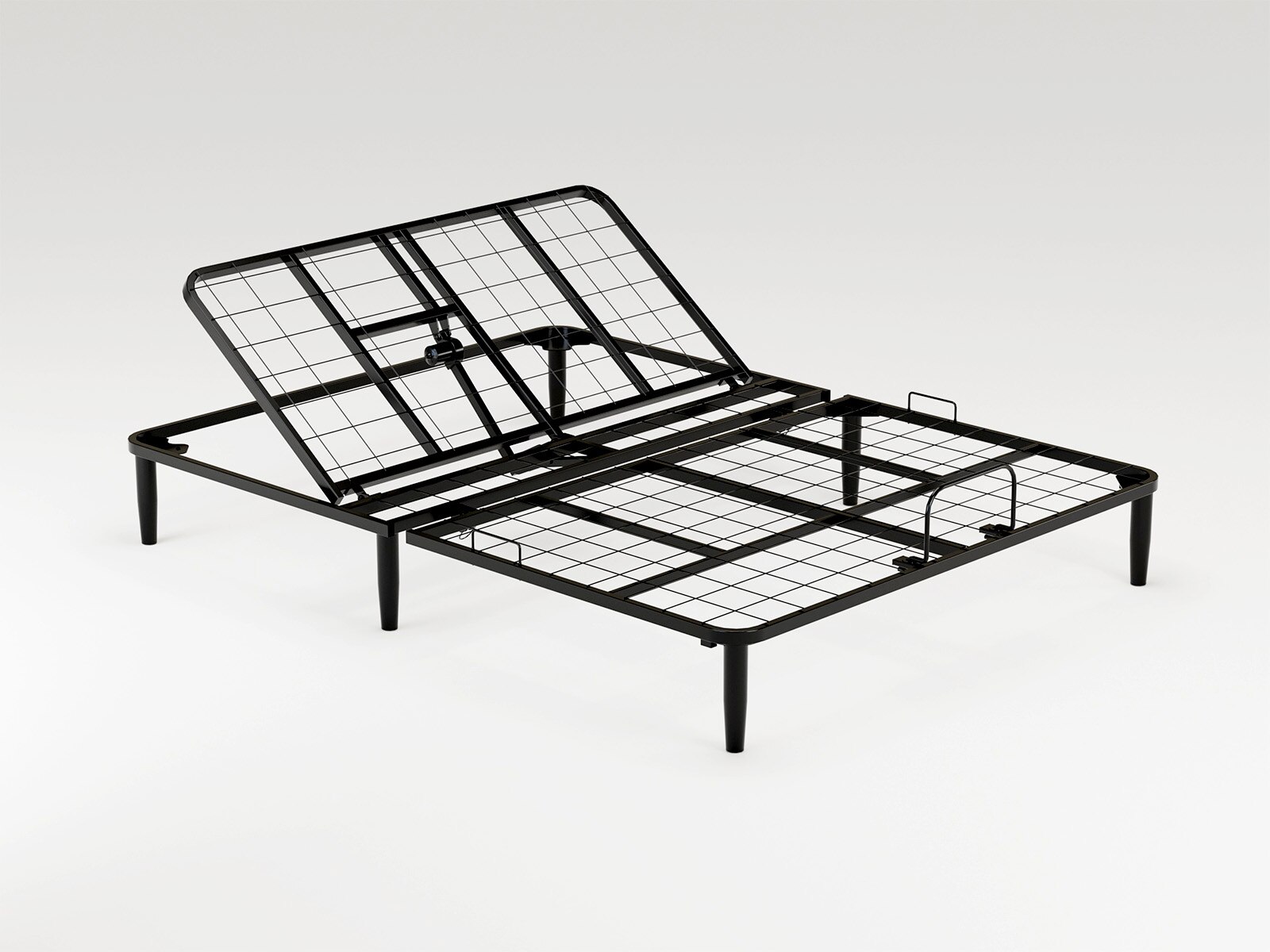
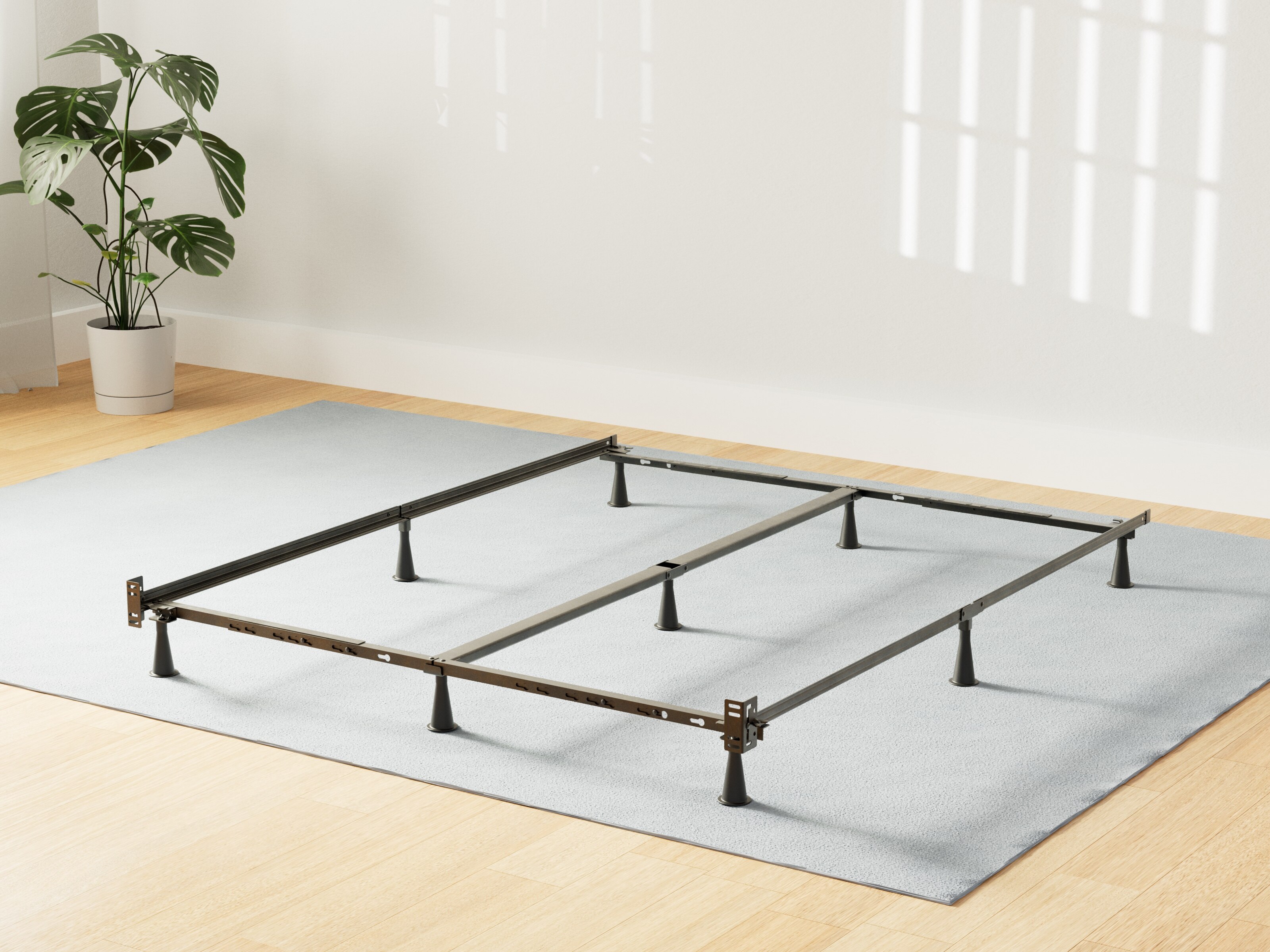
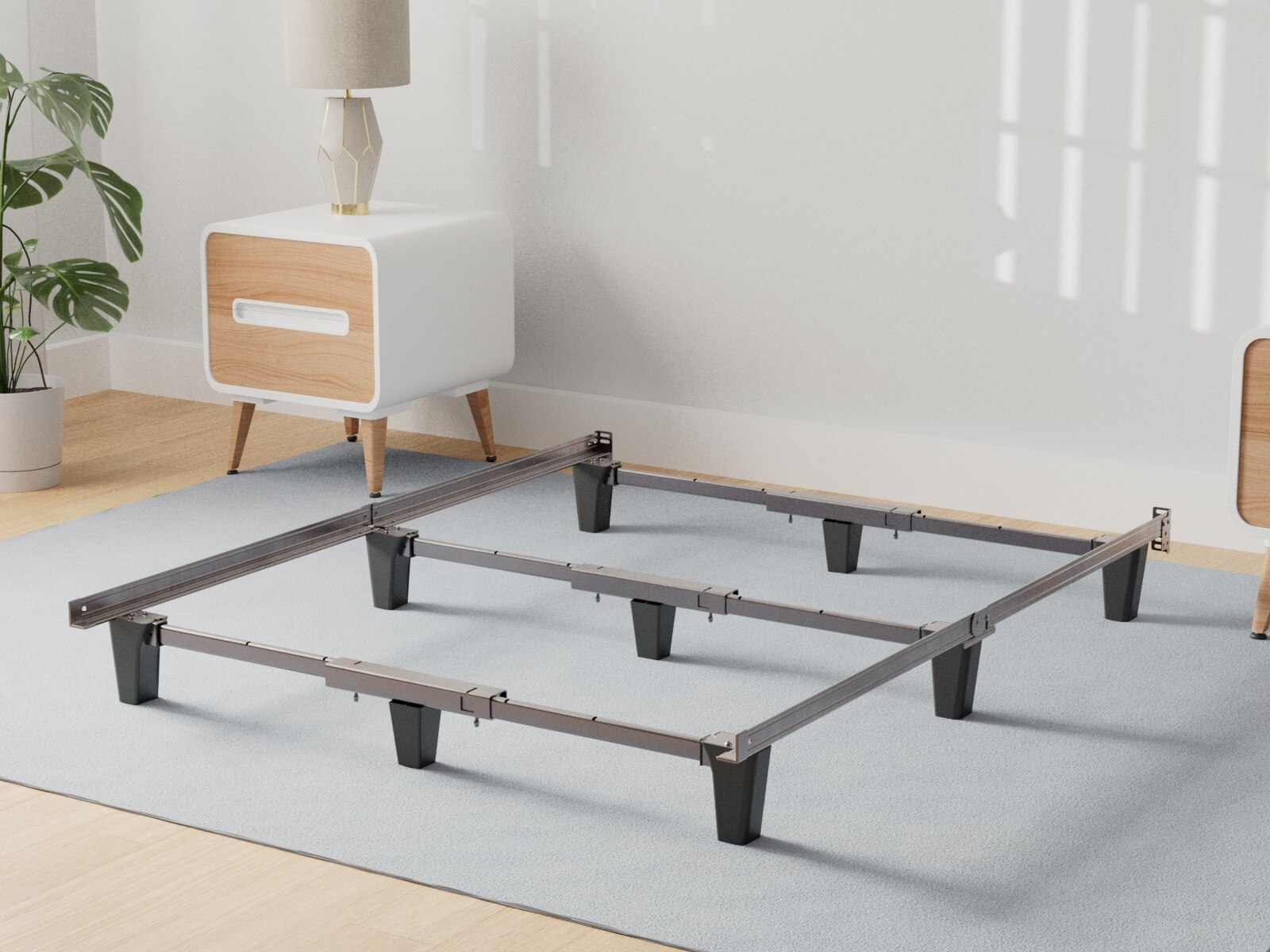
Size and support deserve equal attention because a frame must accommodate both the mattress and the room around it. Standard full mattresses measure approximately 54 by 75 inches, queen mattresses measure 60 by 80 inches and king mattresses measure 76 by 80 inches. California King mattresses are generally 72 by 84 inches, making them longer and narrower than standard king mattresses. A Twin XL mattress, typically 38 by 80 inches, can suit an adult who wants extra length without the width of a larger bed. These measurements describe the mattress, not the frame’s total footprint. Thick upholstered rails, projecting legs and an angled headboard can add inches beyond the sleeping surface, so overall frame dimensions matter in a bedroom with a narrow walkway or a dresser opposite the bed. Doorways, stairs and the route into the room also affect how easily larger components can be moved into place. Mattress thickness changes how much of the headboard remains visible and contributes to the finished bed height. A low frame paired with a deep mattress may sit higher than expected, while a tall frame with a foundation can create a substantial climb. For many adults, a useful height is one that allows comfortable sitting at the edge with feet resting on the floor, though individual preferences and mobility needs differ. Beneath the mattress, slat spacing, center support and the frame’s stated weight capacity are more important than decorative details. Mattress manufacturers may specify maximum slat spacing or particular foundation requirements, especially for foam and hybrid designs. Capacity information should be read carefully to understand whether it includes the mattress, sleepers or both. Larger frames often use center rails and additional legs to distribute weight, and those supports need to rest correctly on the floor. A frame intended to surround an adjustable base must have compatible interior clearance and construction; a standard platform cannot be assumed to work with one. These details help prevent a mismatch between an appealing frame and the support setup the mattress needs.
Everyday routines often reveal which bed frame features will be most useful. In a smaller bedroom, open space beneath the bed can hold shallow containers for spare sheets, luggage or clothing, provided the clearance accommodates their actual height. Built-in drawers offer another storage option, but they need room to open without hitting a nightstand, wall or nearby dresser. A frame with drawers on both sides may be less practical when one side of the bed sits against a wall. Someone furnishing a first apartment might prefer a straightforward structure that is manageable to assemble and move, while a shared bedroom may benefit from a frame with reinforced connections and support appropriate for two adults. In a guest room, a versatile silhouette and easy-to-maintain finish can work with changing bedding and different visitors’ preferences. A substantial footboard creates a defined outline, but a more open end may be preferable for a taller sleeper or a room with limited walking space. Care also contributes to long-term durability. Wood and metal surfaces generally benefit from gentle dusting and cleaning methods suited to their finish, with spills addressed promptly and harsh cleaners avoided unless the manufacturer permits them. Upholstery may need vacuuming with an appropriate attachment and spot treatment that follows the fabric’s care instructions; soaking padded sections can be difficult to dry thoroughly. Hardware can loosen with repeated movement, so periodic checks of bolts, brackets and support legs help maintain a secure structure. Any new squeak or movement is worth tracing to its source rather than covering it with extra bedding. Dragging an assembled frame can strain joints or damage flooring, making proper lifting or disassembly important when rearranging a room. Bed frames for adults work best when their materials, proportions and support match the way the room is lived in, from reading before sleep to making the bed and reaching stored belongings underneath. The result is a bedroom that feels thoughtfully arranged, with a stable foundation for the mattress and space for daily life around it.