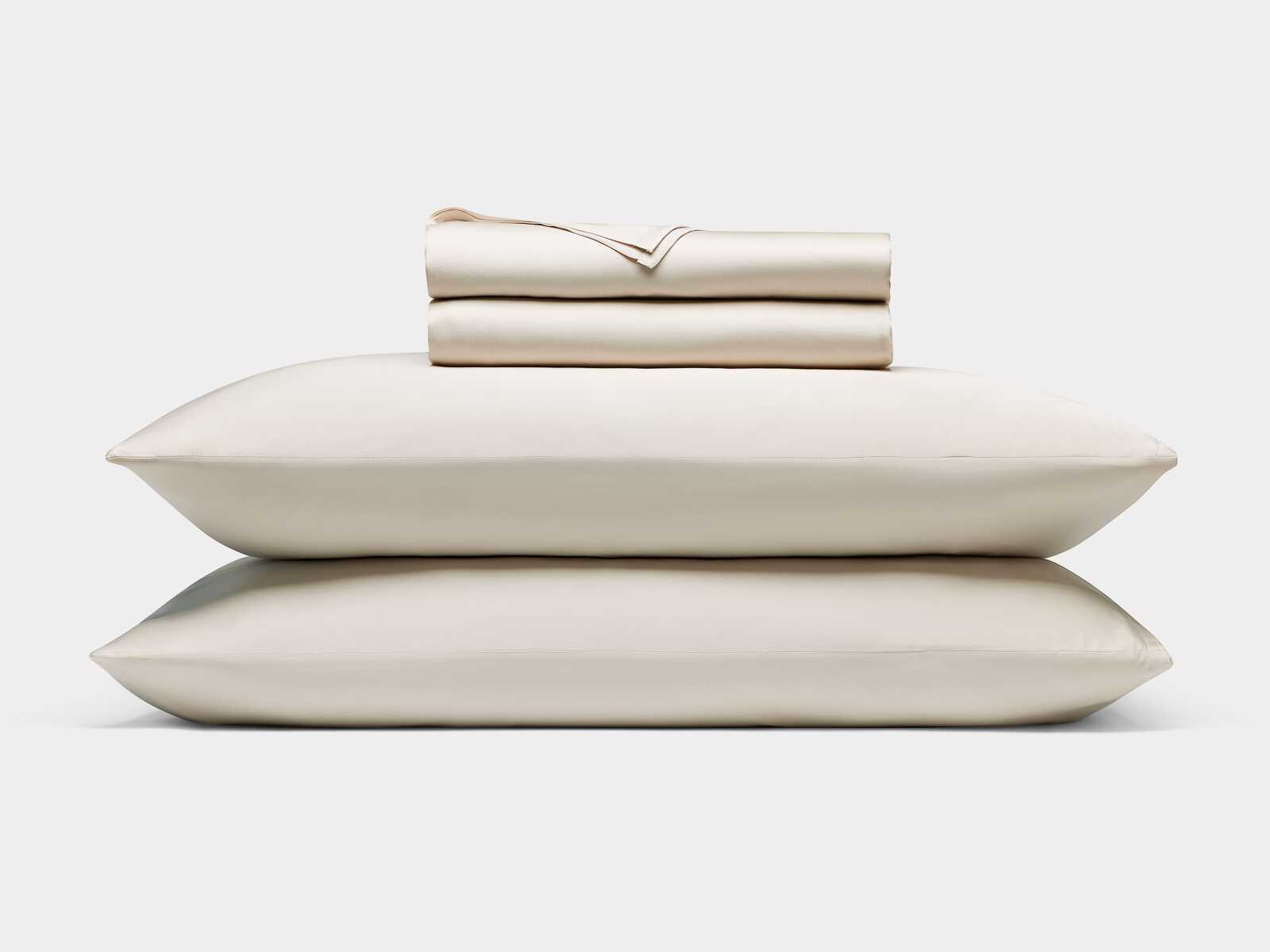
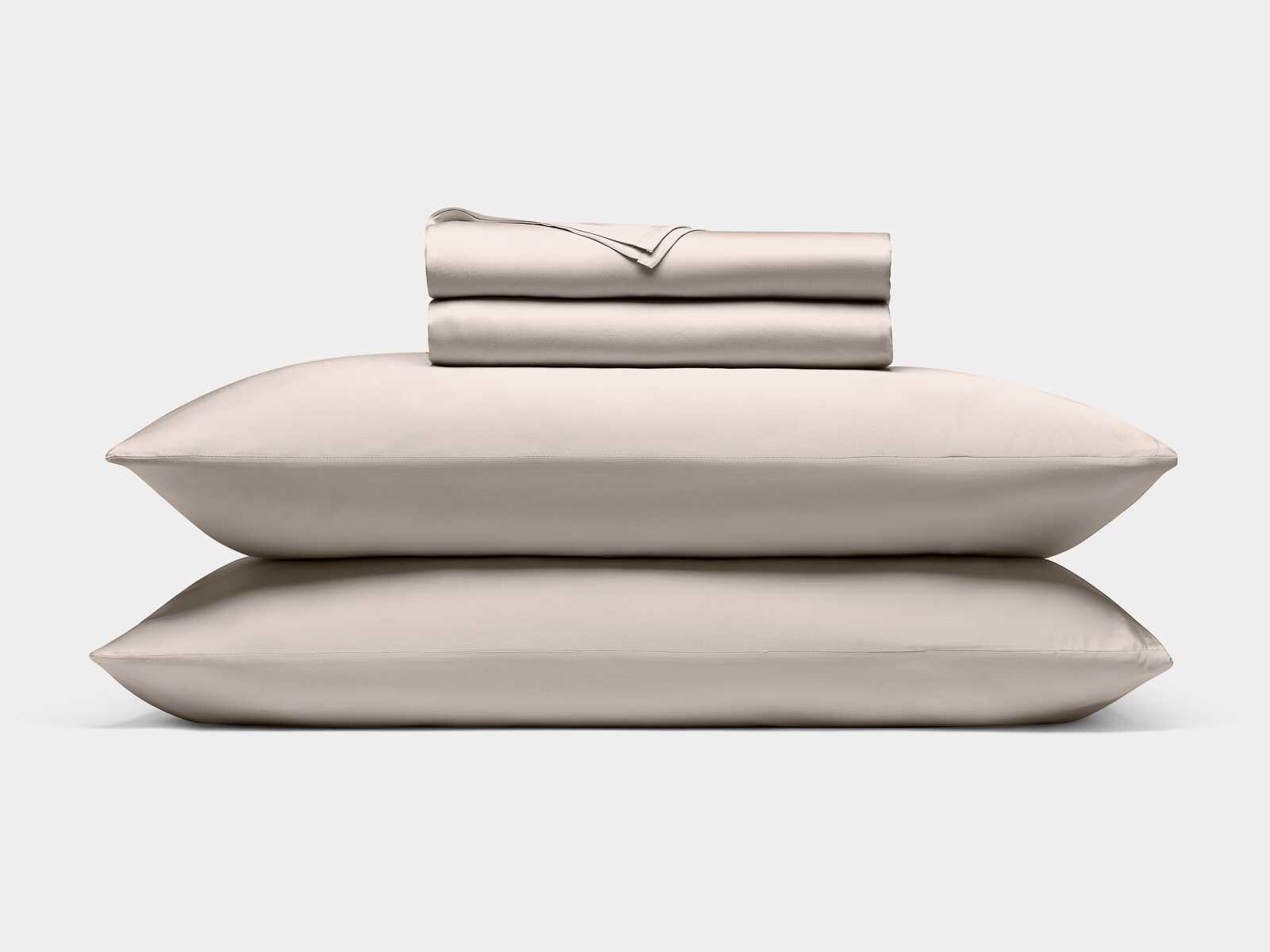
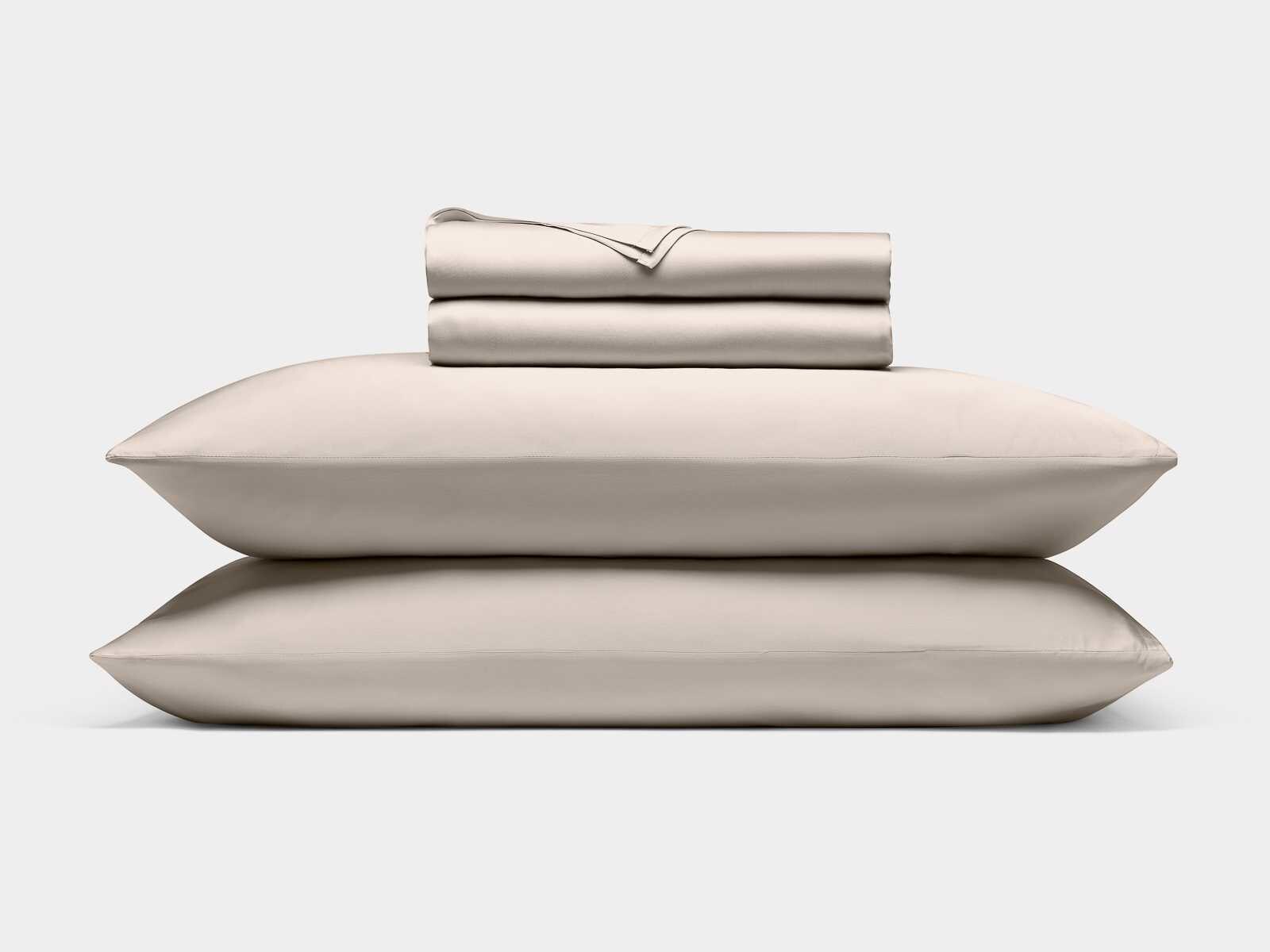
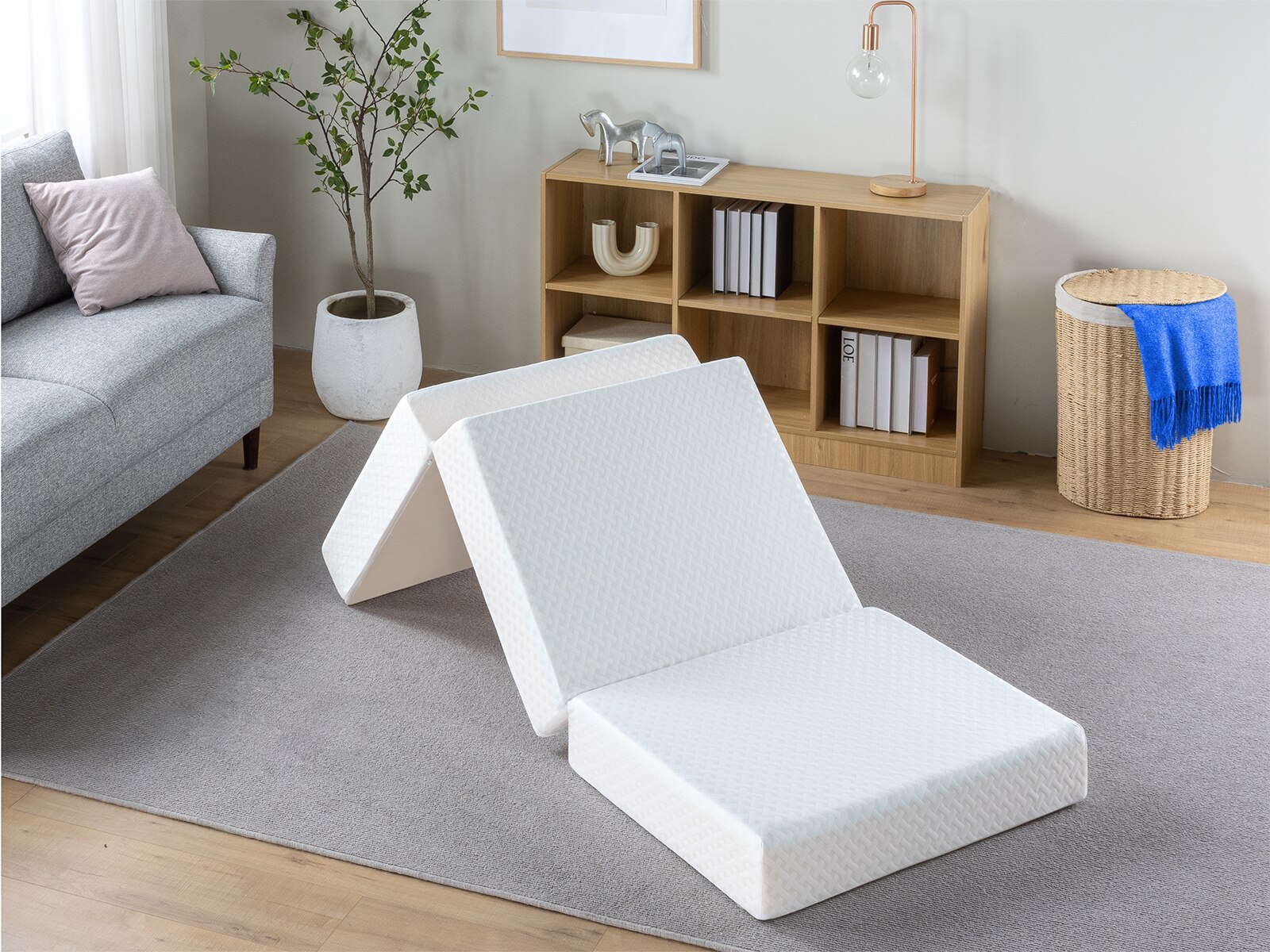
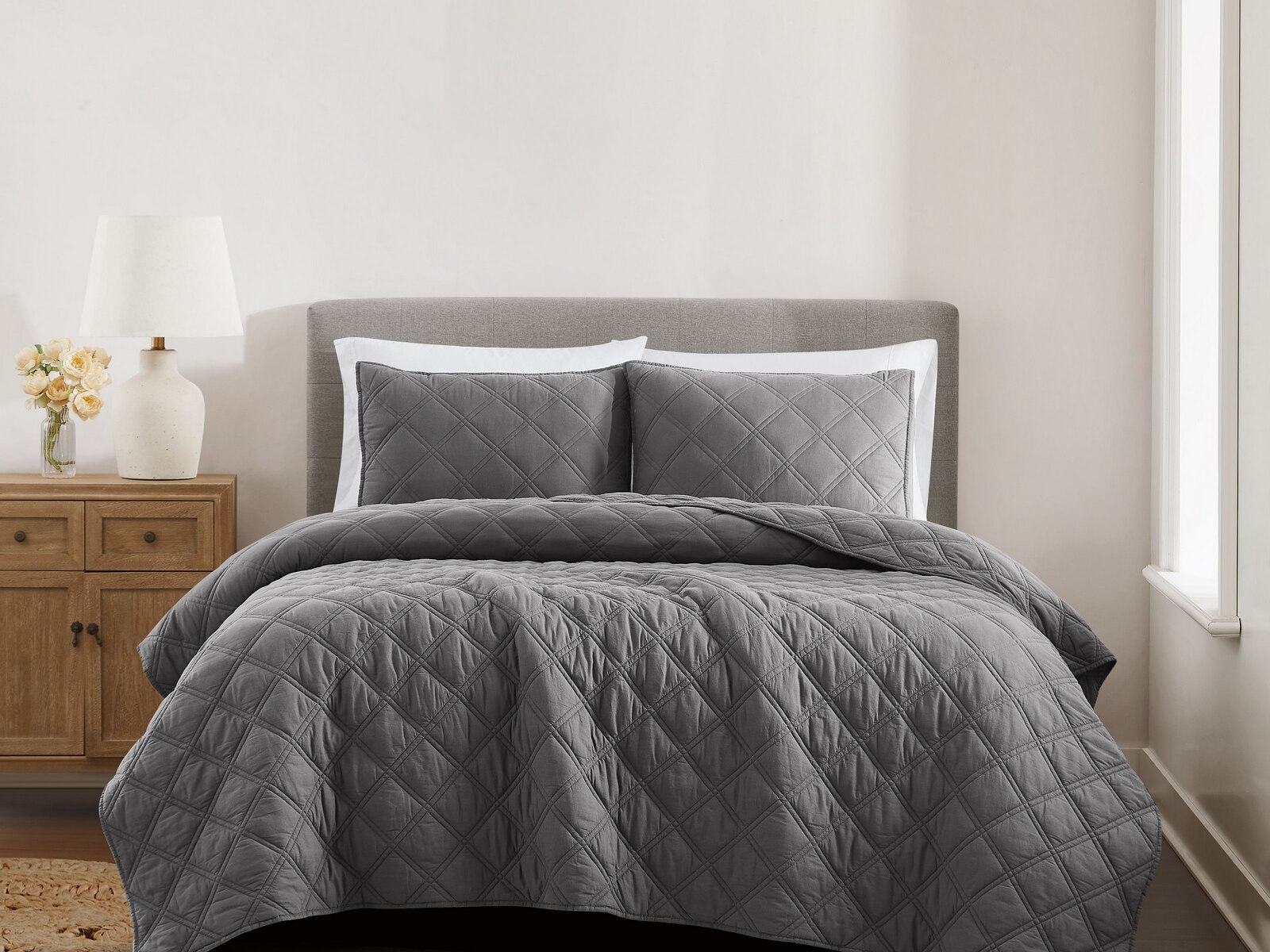
Bedding for overnight guests typically includes sheets, pillowcases, supportive pillows and a blanket or comforter, with a mattress protector beneath the sheets to help keep the sleep surface clean. Together, these layers turn a spare bed, sleeper sofa or temporary sleeping space into somewhere a visitor can settle in comfortably. The most useful guest bedding feels inviting without requiring a complicated setup: a fitted sheet that stays in place, a top layer that is easy to adjust and pillows that offer more than one level of support. A dedicated guest room may accommodate a coordinated bedding collection, while a home office that doubles as a sleeping space benefits from pieces that fold neatly into a closet between visits. Fit matters in either setting. A fitted sheet should match both the mattress size and its depth, including any topper that stays on the bed. Extra fabric can bunch beneath a sleeper, while pockets that are too shallow may pull loose at the corners. Twin XL and twin mattresses require different sheet lengths, and a sleeper sofa should be measured rather than assumed to match a standard bed size. Flat sheets, blankets and comforters also need enough coverage for the way the bed will be used. Two adults sharing a guest bed may appreciate generous side coverage, while an oversized layer on a narrow sleep surface can trail onto the floor. Bedding for overnight guests should suit the space as well as the people using it, whether that means grandparents staying for several nights, a friend visiting after a long drive or an adult child coming home for a weekend. Simple colors and understated patterns make it easier to mix clean pieces between visits, especially when sheets and pillowcases are washed separately. A thoughtfully coordinated bed does not need every layer to match exactly; a consistent color palette and fabrics that feel pleasant together can create a welcoming, finished look.
Fabric and fill influence how guest bedding feels, how much it weighs and how easily it can be maintained. Cotton sheets are a familiar choice for their softness and breathability, though the weave makes a noticeable difference: percale generally has a crisp, matte feel, while sateen tends to feel smoother and drape more closely. Linen has a more textured surface and a relaxed appearance, with natural creasing that remains part of its character. Microfiber can offer a soft, smooth finish and often resists wrinkling, although its feel differs from natural fibers. Fiber content, construction and finishing all matter, so thread count alone is not a complete measure of sheet quality. For a bed used by many visitors, a fabric that tolerates routine laundering may be more practical than one requiring special handling. The same balance applies to the top layer. A quilt can provide a flatter, more tailored look, while a comforter or duvet insert creates a fuller appearance. A removable duvet cover allows the outer layer to be washed separately, provided the cover and insert are compatible in size and attachment points. An additional blanket folded within reach gives guests a simple way to adjust the weight of their bedding without searching through an unfamiliar closet. Pillows deserve equal attention because preferences vary considerably. Someone who sleeps on their side may prefer a fuller pillow, while a stomach sleeper may find a lower profile more comfortable; body size and mattress feel also affect that preference. Offering different pillow profiles is often more useful than stacking several identical pillows on the bed. Washable pillow protectors beneath the pillowcases can help keep pillows clean between visits. When choosing fills, consider any sensitivities a visitor has shared rather than assuming that a particular material will suit everyone. Mattress protectors should also be selected for fit, care requirements and surface feel, with secure edges that stay in place beneath the fitted sheet.
Guest bedding earns its place through repeated use, so durability and care are important parts of a comfortable setup. Secure stitching, well-finished hems and resilient fitted-sheet elastic are useful details to look for, particularly when bedding moves frequently between a closet and a sleeper sofa. Care labels provide the best direction for washing, drying and stain treatment; a blanket that fits on the bed may still be too bulky for a household washing machine. Some pillows and inserts are machine washable, while others need different care, and removable covers do not make every inner component washable. Keeping bedding completely dry before folding and storing it helps prevent lingering dampness and musty odors. A clean, dry shelf or breathable storage bag can keep a guest set together without compressing every piece into a crowded drawer. For homes where the guest bed is assembled only when needed, storing the fitted sheet, flat sheet and pillowcases together makes preparation simpler. An extra sheet set is also useful for longer visits or an unexpected spill, allowing the bed to be refreshed without waiting for a wash cycle. The same attention to fabric feel, fit and easy care applies when choosing
Bedding For Summer Guests. Beyond the bedding itself, small decisions can make an unfamiliar room easier to use: leaving an extra pillow where it is easy to find, folding back the top layer so the bed is ready and keeping spare linens separate from personal belongings. Bedding can also be a thoughtful housewarming gift for someone furnishing a first guest room, especially when the mattress dimensions and care preferences are known. Neutral pieces are often easier to incorporate into an existing room than a strongly patterned set. Whether the sleeping space is permanent or put together for a single night, the goal is a clean, comfortable bed with layers that fit properly and give visitors room to settle in their own way.