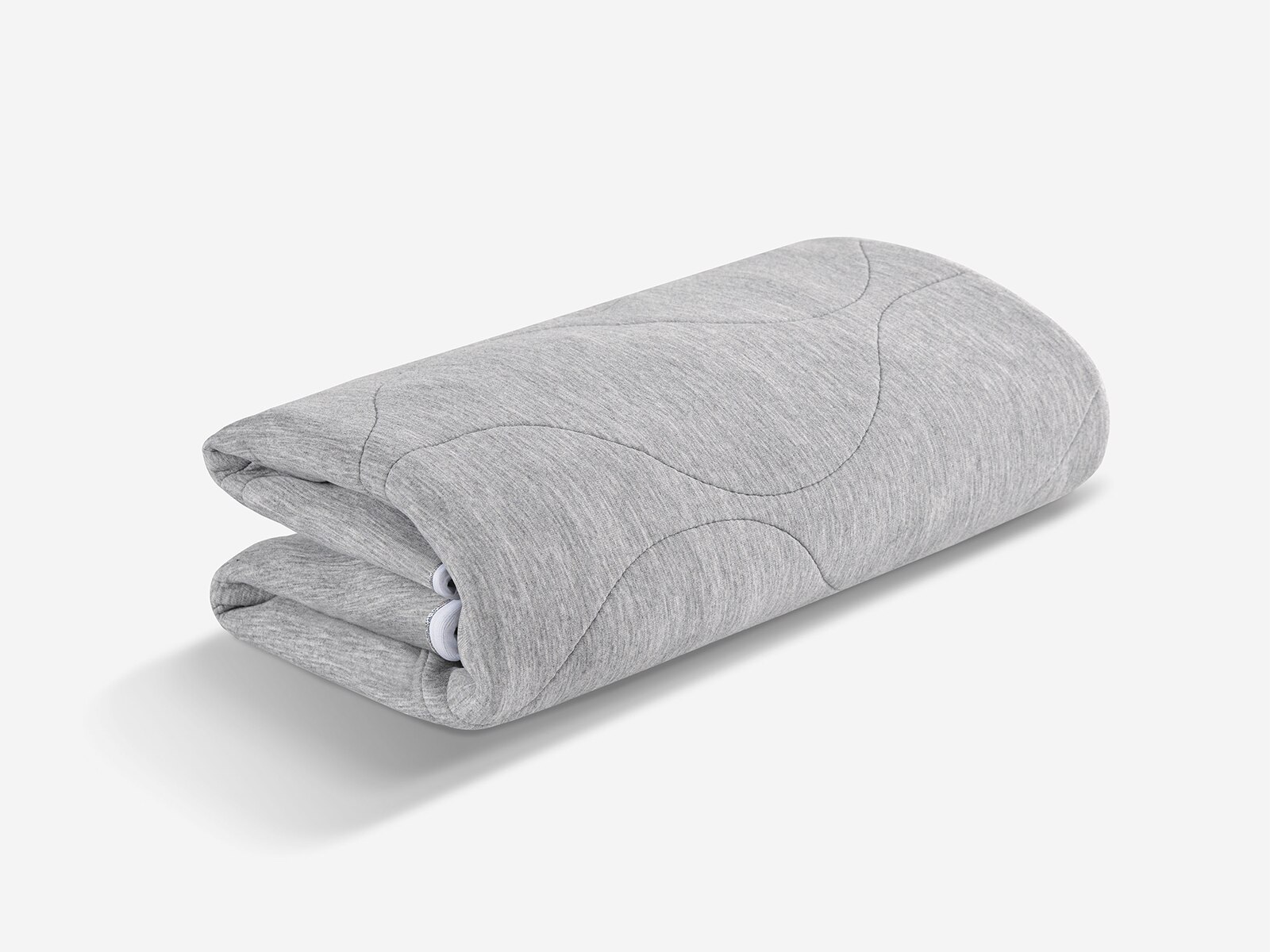
Bedding protection is a category of removable covers and protective layers designed to help shield mattresses, pillows and other bedding from everyday wear, body oils, perspiration and accidental spills. Depending on their construction, these layers can also help reduce contact with dust mites, pet dander and other particles that collect around a bed. Mattress protectors typically sit beneath the fitted sheet, while pillow protectors fit between a pillow and its pillowcase. A mattress encasement surrounds the mattress on all sides and closes with a zipper, offering more complete coverage than a fitted protector. Duvet covers provide a washable outer layer for comforters and duvet inserts, helping keep routine soil away from the filled bedding inside. These categories serve different purposes: an ordinary fabric cover does not necessarily block liquids, and a waterproof protector does not necessarily provide an allergen barrier. Materials and construction determine how each layer performs. Cotton offers a familiar fabric feel and absorbs moisture, but it needs a separate barrier to prevent liquid from reaching the bedding underneath. Polyester and blended fabrics can offer durability and straightforward care, while stretch-knit surfaces may move more easily with the mattress. Some protectors combine a soft fabric face with a thin waterproof backing, keeping the protective layer less noticeable beneath a sheet. Breathability, texture and sound all contribute to comfort, especially for someone who notices a rustle when turning over. A smooth protector generally changes the feel of the sleep surface less than a thick, quilted layer. Mattress pads often add a modest amount of cushioning, while toppers are intended to make a more noticeable comfort adjustment; neither should be assumed to provide waterproof protection unless labeled for that purpose. For people sensitive to certain household allergens, a closely woven or specially constructed encasement may help limit exposure when used as part of regular bedding care. That benefit depends on the barrier design and closure, rather than simply having an extra layer on the bed.
The most useful bedding protection matches both the bed and the routines around it. A mattress in a child's room may need dependable liquid protection and frequent washing, while a guest bed may benefit from a discreet, easy-care cover that helps keep the sleeping surface fresh between visits. Pet owners may appreciate a removable layer that catches fur and everyday soil, although fabric protectors are not designed to withstand persistent scratching or chewing. For someone managing nighttime accidents, recovery or caregiving needs, protection that can be changed without stripping every layer can make cleanup more manageable. Waterproof fitted protectors cover a broad surface, while absorbent bed pads can provide targeted coverage where it is needed most. Absorbency and waterproofing are separate features: an absorbent surface takes in liquid, while a waterproof backing helps keep it from passing through. Families considering these needs can explore
Bedding For Bedwetting for protection suited to nighttime accidents. Whatever the intended use, fit deserves as much attention as fabric. Mattress size establishes the starting point, but mattress depth determines whether a fitted protector can reach securely around the corners. A topper adds height, so the combined depth matters when choosing a cover intended to fit over both layers. Excess fabric can bunch beneath a sleeper, while a protector stretched too tightly may pull loose or interfere with the mattress's contouring. Full encasements need enough depth to close without straining the zipper or seams. Pillow protectors also work best when their dimensions match the pillow, leaving room for the fill to move naturally without loose folds inside the pillowcase. Beds with adjustable bases need flexible protection that can move through position changes without slipping. Secure elastic, well-finished corners and an appropriate pocket depth help keep the surface smooth. Coverage also varies: some fitted designs protect only the top, while others include protective side panels. That distinction matters when liquid could reach an edge rather than staying near the center.
Easy care is central to bedding protection because the removable layer should make routine upkeep simpler, not create another complicated chore. Machine-washable construction can be especially useful for children's beds, frequently used guest rooms and households where spills are more likely. Care requirements still vary by fabric, backing and closure, so the care label is the best reference for washing and drying. Some waterproof barriers can be damaged by excessive dryer heat, bleach or fabric softener, and a cover that looks intact on the surface may no longer perform as intended if its backing has deteriorated. Gentle handling of zippers and seams helps preserve the parts that keep an encasement closed. Thorough drying before the bedding goes back on the bed is important, including corners and layered areas that may retain moisture longer than the main fabric panel. An extra protector can make an unexpected overnight change less disruptive: one layer can go into the wash while a clean, dry replacement goes beneath the fitted sheet. Durability shows up in small details over time, including elastic that continues to hold, seams that remain flat and backing that stays flexible rather than peeling or cracking. Persistent shifting, visible tears, damaged closures or moisture passing through a previously waterproof layer are reasons to reassess its condition. Protective bedding can reduce how often bulky bedding needs cleaning, but it does not replace laundering sheets, cleaning up spills promptly or following the mattress's care instructions. A duvet cover still needs regular attention, and a pillow protector does not make the pillow beneath it maintenance-free. For a new bedroom setup, a shared household or a thoughtful practical gift, well-chosen protection supports a cleaner, easier-to-maintain bed without needing to change its familiar feel. The right combination is usually the one that addresses a real need, fits securely and is simple enough to keep using after every wash. A soft surface, dependable coverage and manageable care can make that extra layer feel like a natural part of the bed rather than an added task.