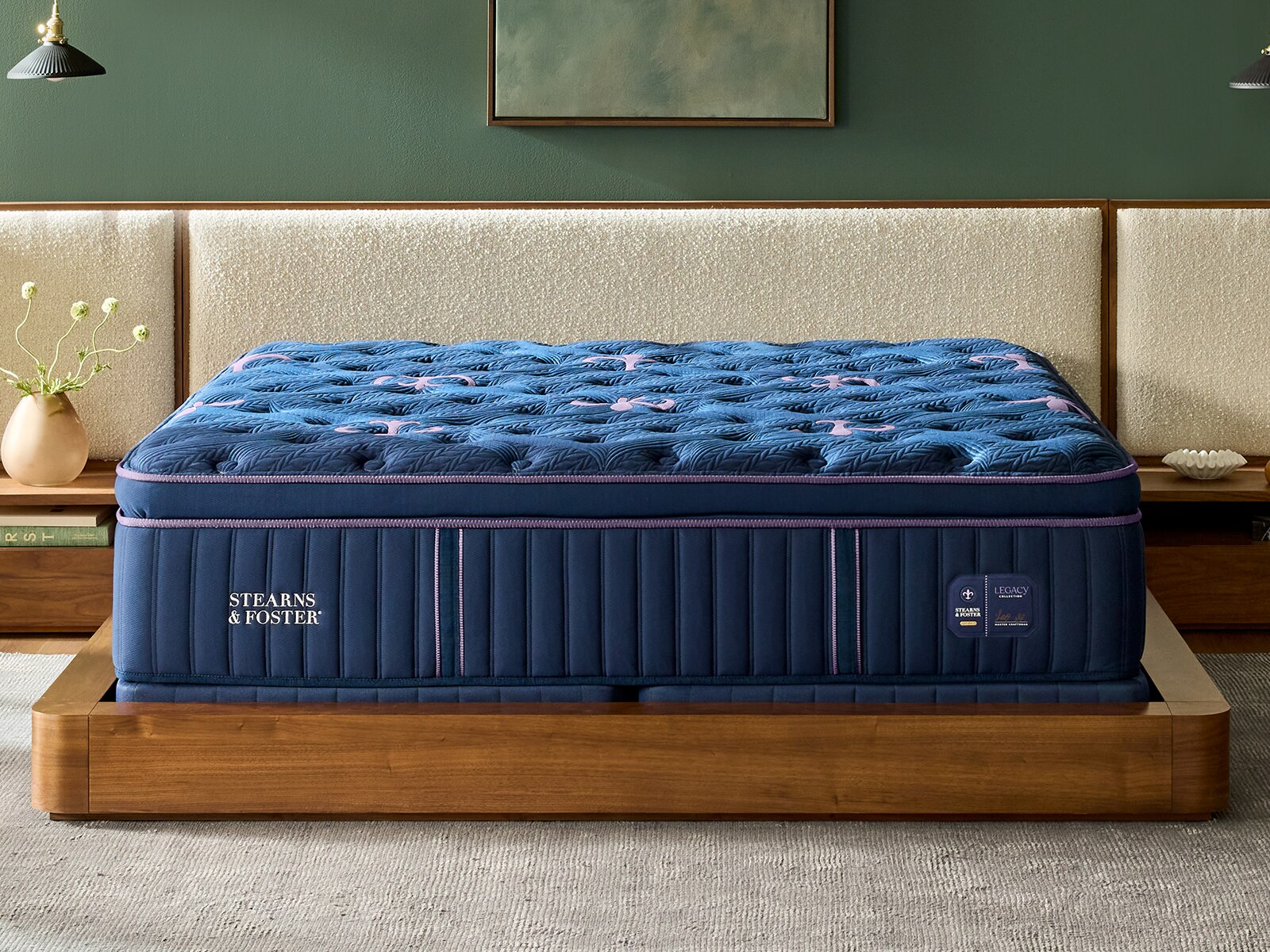
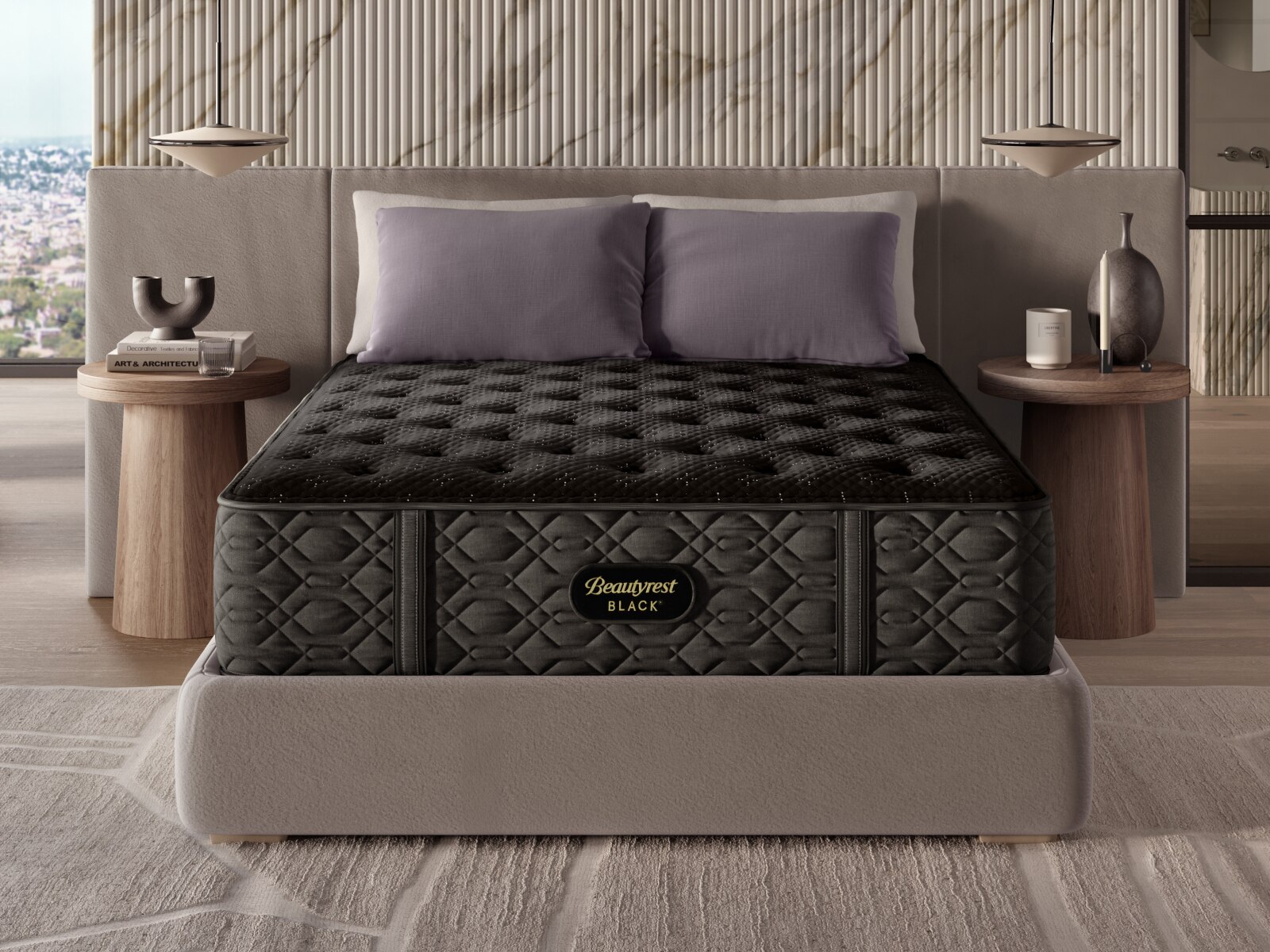
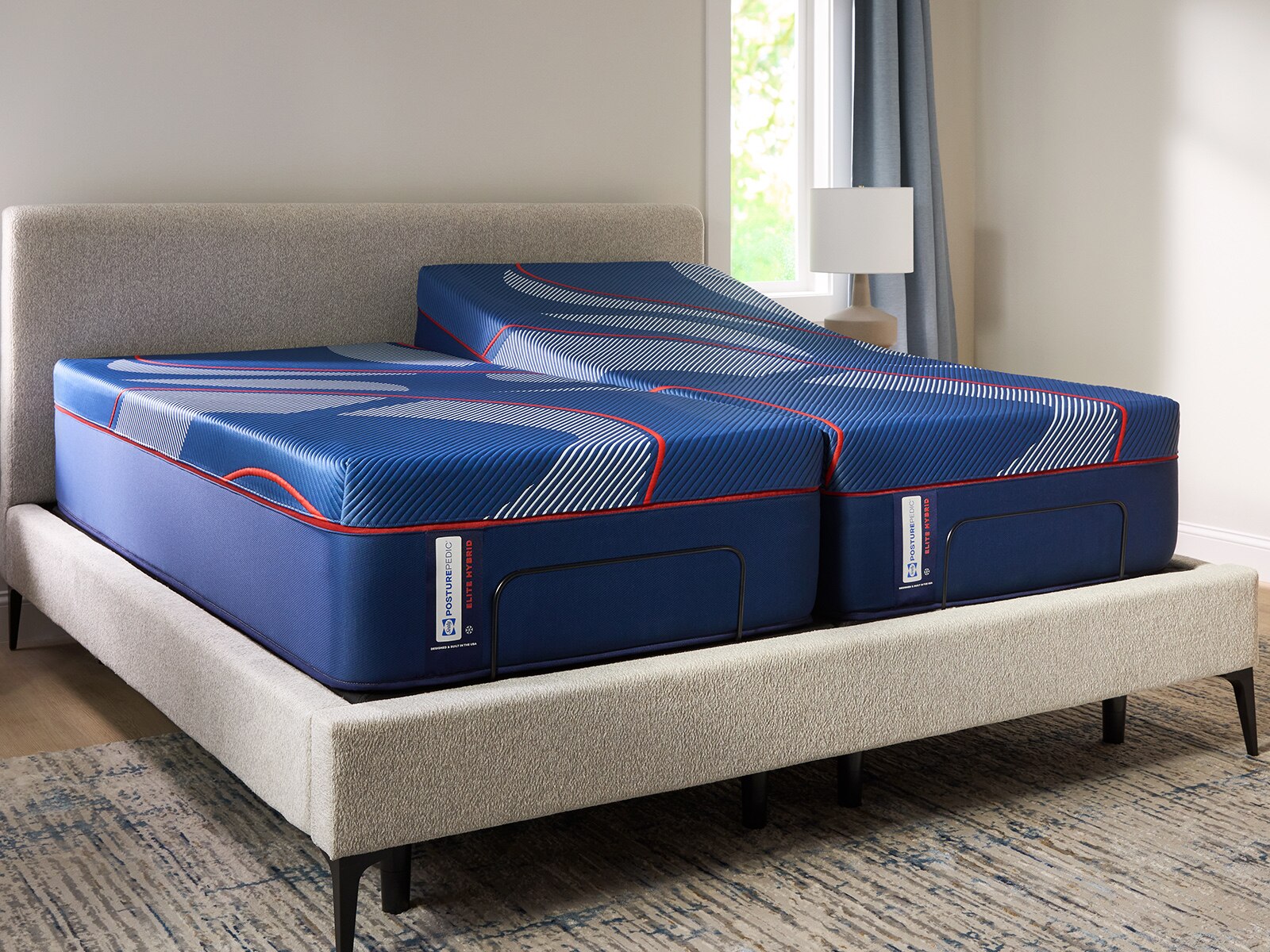
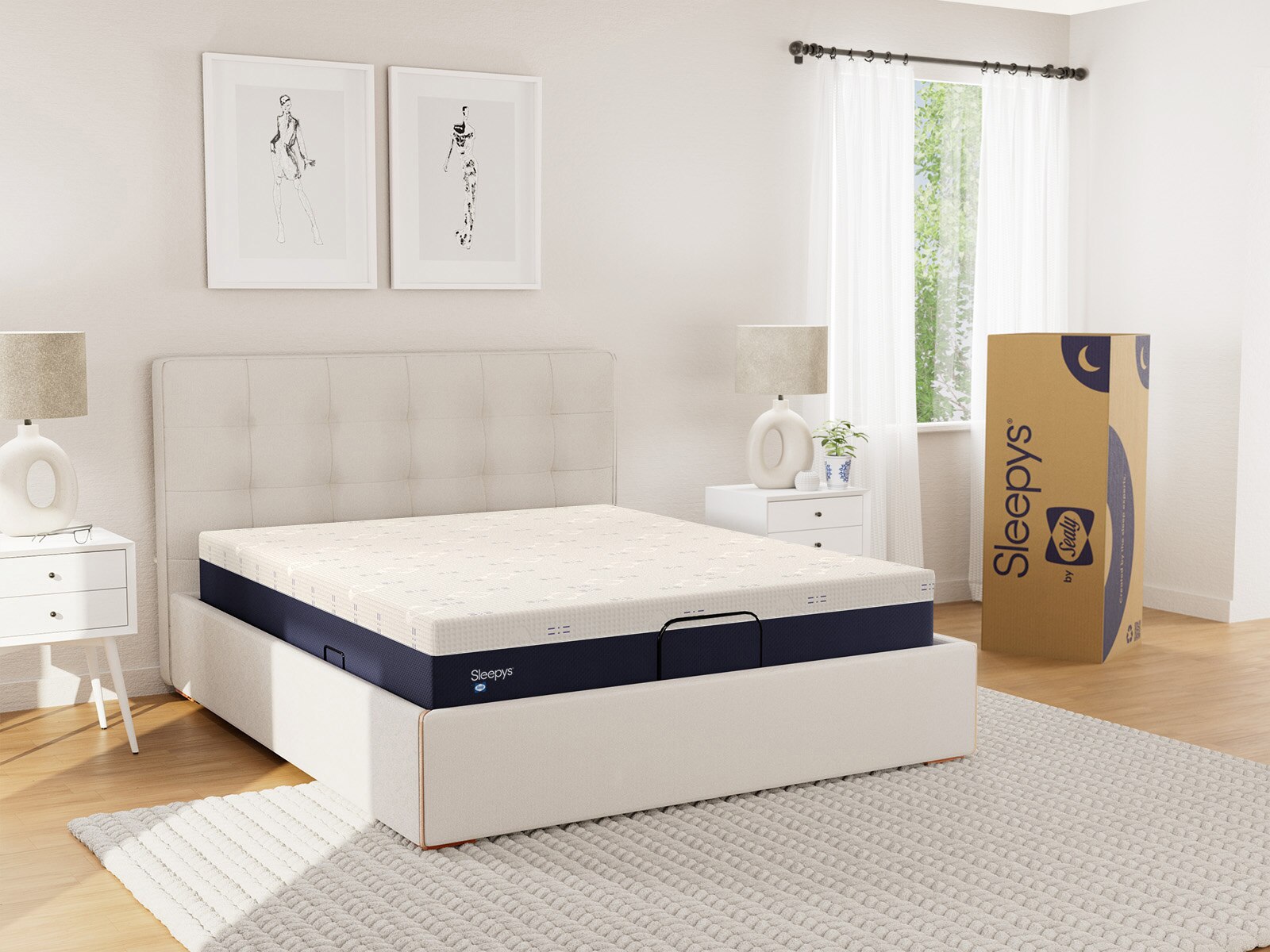
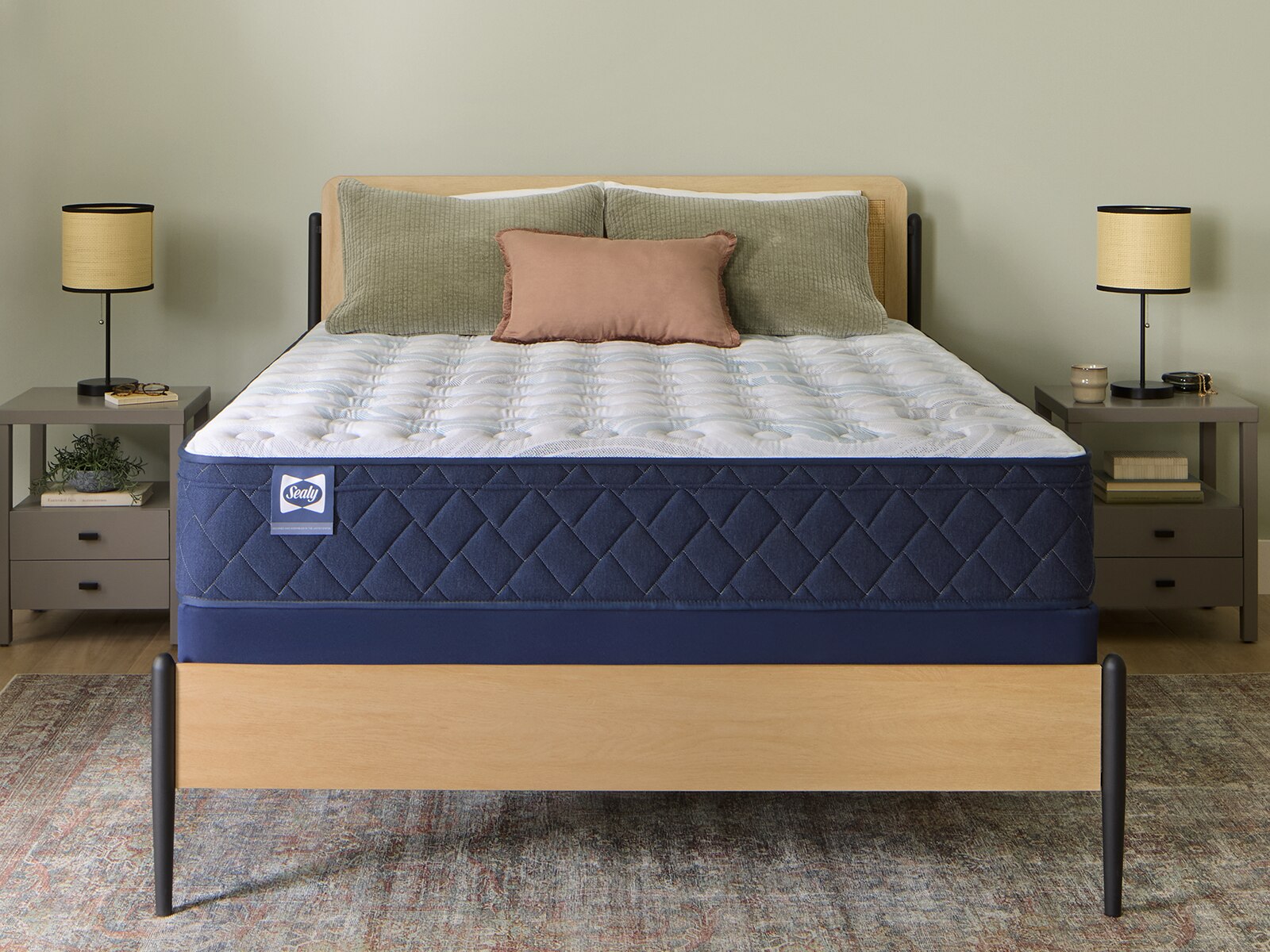
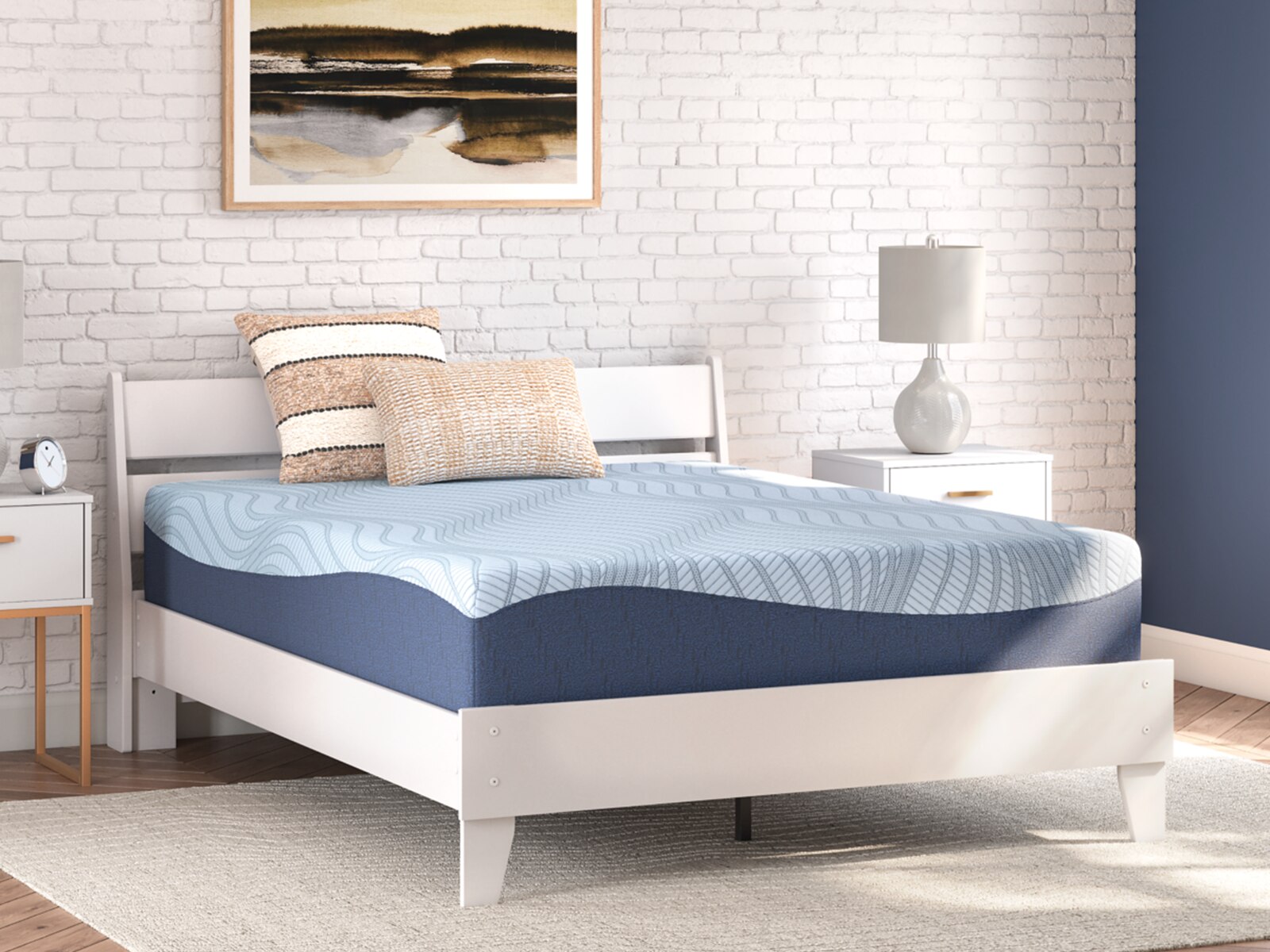
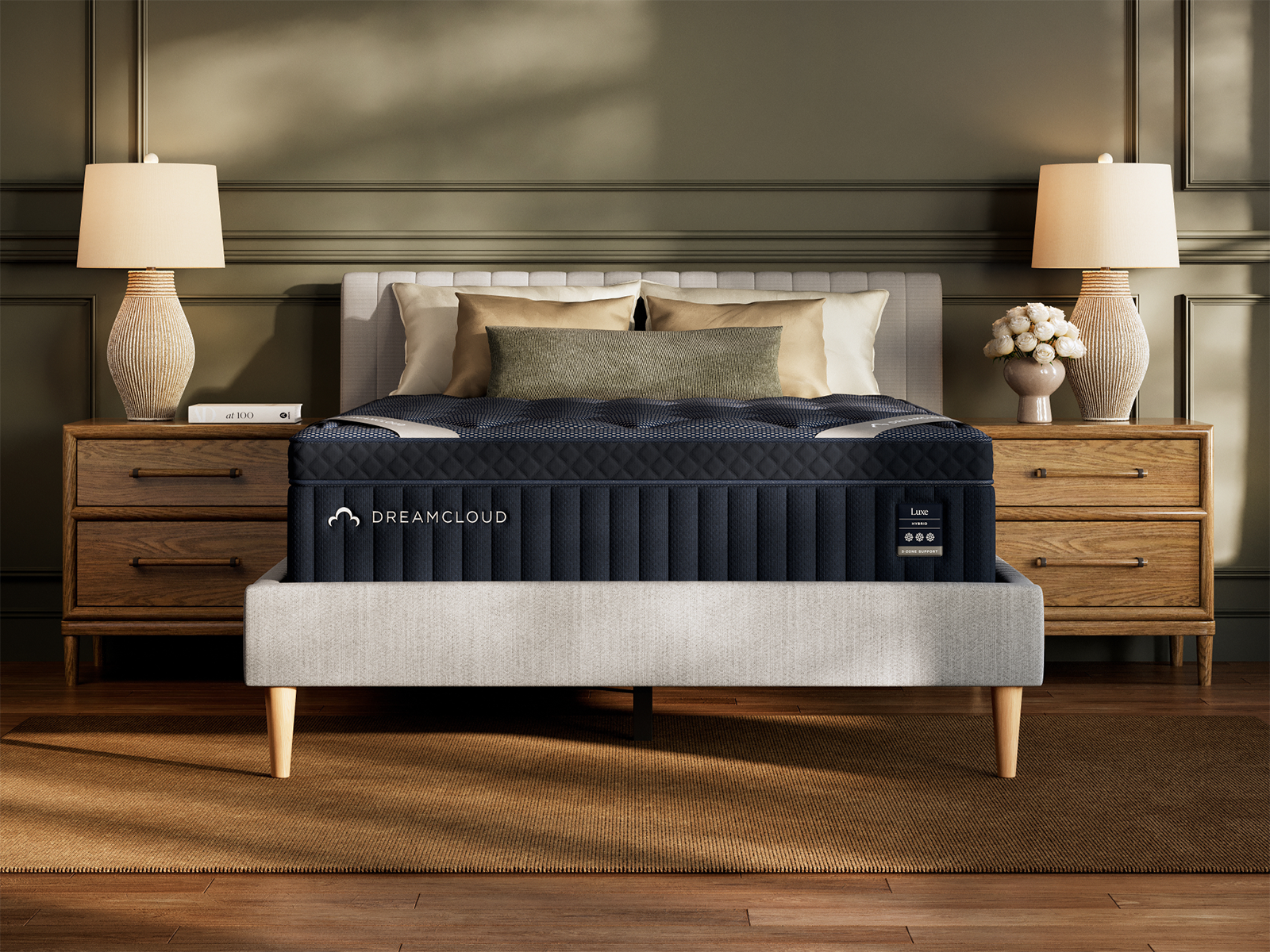
California King soft-feel mattresses combine a sleep surface measuring 72 inches wide by 84 inches long with plush cushioning that gently contours around the body. Often called Cal King mattresses, they are four inches longer and four inches narrower than a standard king, making their proportions especially appealing to taller sleepers who want more room to stretch out. The extra length can keep feet from hanging over the end, while the width gives two people space to settle into their preferred positions. A soft feel describes the cushioning near the surface, not the strength of the support underneath. A well-matched mattress can feel inviting at the shoulders and hips while still supporting the rest of the body. For side sleepers, that distinction matters: the shoulder and hip need room to settle without allowing the waist to sag between them. People with lighter body weights may also appreciate a plush surface because they tend to compress comfort materials less than heavier sleepers. Someone who spends most of the night on their back may prefer softness with a more restrained contour, while stomach sleepers often need a firmer surface to limit sinking through the midsection. These are useful starting points rather than fixed rules, since body shape, sleep position and personal preference all influence how a mattress feels. Even two people sharing the same bed can experience its softness differently. A soft California King can work well as an everyday mattress in a spacious primary bedroom or as a welcoming bed in a generously sized guest room. Its shape is particularly useful when length matters more than maximum width. For couples sharing space with a child or pet, the narrower width compared with a standard king is worth considering. The most comfortable fit accounts for who sleeps there, how much each person moves and whether the mattress leaves enough room for both sleepers to turn over without feeling crowded.
The materials inside a California King soft-feel mattress determine whether that plushness feels close-conforming, buoyant or somewhere in between. Memory foam typically responds gradually to pressure, creating a close contour around curves and helping absorb movement when a partner changes position. That cradling sensation may appeal to someone who likes to settle into the surface, although a deep contour can make turning over feel more deliberate. Latex generally has a springier response, cushioning the body while recovering more quickly as weight shifts. Other cushioning foams vary widely in density, resilience and feel, so the word “foam” alone does not describe the full experience. Hybrid constructions combine comfort layers with a coil support system, bringing together surface cushioning and the responsiveness of springs. Individually wrapped coils can respond to pressure in different areas, though motion transfer still depends on the complete mattress design. Quilted tops and pillow-top designs add cushioning near the surface, but their appearance does not reveal how supportive or durable the layers below will be. Thickness is another detail that needs context: a taller mattress is not automatically softer, more supportive or longer-lasting. Material quality, the arrangement of the layers and the suitability of the foundation all contribute to performance over time. Edge construction can also make a noticeable difference on a large bed. A supportive perimeter may feel steadier when sitting to put on socks and can help the surface feel more usable near its sides. For a sleeper who changes positions frequently, a responsive plush mattress may feel easier to move across than one with a deeper, slower-moving contour. For someone easily disturbed by a partner’s movements, cushioning that absorbs motion may take priority. Neither sensation is universally better; the useful distinction is how the mattress responds during the ordinary movements and resting positions that make up a night.
Fit and care help preserve the comfort of a soft California King mattress long after the bedroom is arranged. California King sheets, protectors and foundations need to match the mattress dimensions; standard king bedding is not interchangeable simply because both sizes carry the king name. Fitted-sheet pocket depth matters as well, especially with a thick quilted surface or an added protector. Sheets that are stretched too tightly can compress the cushioning and make a plush mattress feel less yielding, while overly loose fabric may bunch beneath the sleeper. The bed frame should accommodate the mattress and provide the support specified by its manufacturer, including appropriate slat spacing and center support where required. An adjustable base requires a mattress designed for that use. Beyond the frame, the room needs comfortable walking space, clearance for drawers and a delivery path that accounts for doorways, stairs and tight turns. A footboard can also affect how much of the extra length feels usable to a taller person. For everyday care, a properly fitted mattress protector helps shield the surface from spills and routine wear without replacing regular attention to the bedding. Cleaning methods should follow the mattress care instructions, since soaking upholstery or applying unsuitable cleaners can damage materials. Many mattresses are designed to be rotated rather than flipped, but the correct approach depends on their construction. Consistent support and care can help reduce uneven wear, although no mattress maintains exactly the same feel indefinitely. Some initial settling may occur as cushioning materials respond to repeated use; lasting impressions, damaged support or a noticeable change in comfort deserve closer attention. The related
Cal King Deep Sleep Mattresses collection offers another place to explore this extra-long size. Across any collection, the most meaningful features remain the same: enough length to stretch out, cushioning that suits the sleeper’s body and a supportive construction that makes the plush surface comfortable for everyday rest.