A California King bed frame is designed to support a mattress measuring 72 inches wide by 84 inches long. Compared with a standard king mattress, which measures 76 inches wide by 80 inches long, a California King is four inches narrower and four inches longer. These measurements describe the mattress, not the frame’s outside dimensions; headboards, footboards and side rails can make the overall footprint larger. The extra length makes this size especially appealing to taller sleepers who want more room to stretch out without their feet reaching the end of the mattress. It can also suit couples who prefer additional legroom and have a bedroom layout that accommodates a longer bed. A California King mattress needs a frame specifically sized for it, since a standard king frame is not interchangeable despite the similar names. Fit involves more than matching the size label, though. The frame’s interior dimensions, support system and required foundation all help determine whether the mattress sits securely and receives the support its manufacturer specifies. In the bedroom, the full assembled measurements provide a more useful picture than mattress dimensions alone. A substantial upholstered headboard may extend beyond the mattress edges, while a projecting footboard can take up valuable walking space. Space beside the bed matters for opening nightstand drawers, reaching an outlet and getting in and out comfortably. At the foot, an unobstructed path helps keep the room practical rather than crowded. Painter’s tape on the floor can make the frame’s footprint easier to picture before rearranging furniture. An open-ended frame may feel less restrictive for a tall sleeper, while a footboard creates a more enclosed silhouette. For an upstairs bedroom or a room reached through a narrow hallway, the size of the largest frame component also matters. A frame that assembles inside the room may be easier to move through tight corners than one with large, fixed sections.
Materials influence the appearance, feel and everyday upkeep of California King bed frames. Wood brings visible grain and warmth, with finishes ranging from light and understated to dark and richly textured. Solid wood and engineered wood have different construction characteristics, so durability is best judged by the complete design rather than the material name alone. Secure joints, well-supported rails and a center support system suited to the frame’s span are important details in a bed this size. Metal frames can create a slim, open profile, although their stability also depends on sound connections and appropriate support. Upholstered frames add softness around the bed and can make a headboard more comfortable to lean against while reading. Tightly woven fabric, textured upholstery and smooth coverings each have different cleaning needs, making the care label particularly useful in homes with pets or frequent spills. Style also affects how a large bed sits within a room. For a streamlined look, a
modern California King bed frame can bring together simple lines and a restrained silhouette without making the bed feel visually heavy. A taller headboard creates a stronger focal point, while a lower profile leaves more wall space visible. The relationship between the headboard and mattress height deserves attention: a thick mattress and foundation can cover much of a short headboard or change where its cushioning meets the back. Storage designs offer another way to use the footprint of a large bed. Drawers can hold spare bedding, but they need enough clearance to open fully without hitting a nightstand or dresser. Under-bed space can accommodate storage containers when the frame provides sufficient height, though access should remain practical once the bedding hangs over the sides. A frame with exposed legs may also make it easier to clean beneath the bed. These details help connect the frame’s appearance with the routines it needs to support, from changing sheets to putting away an extra blanket.
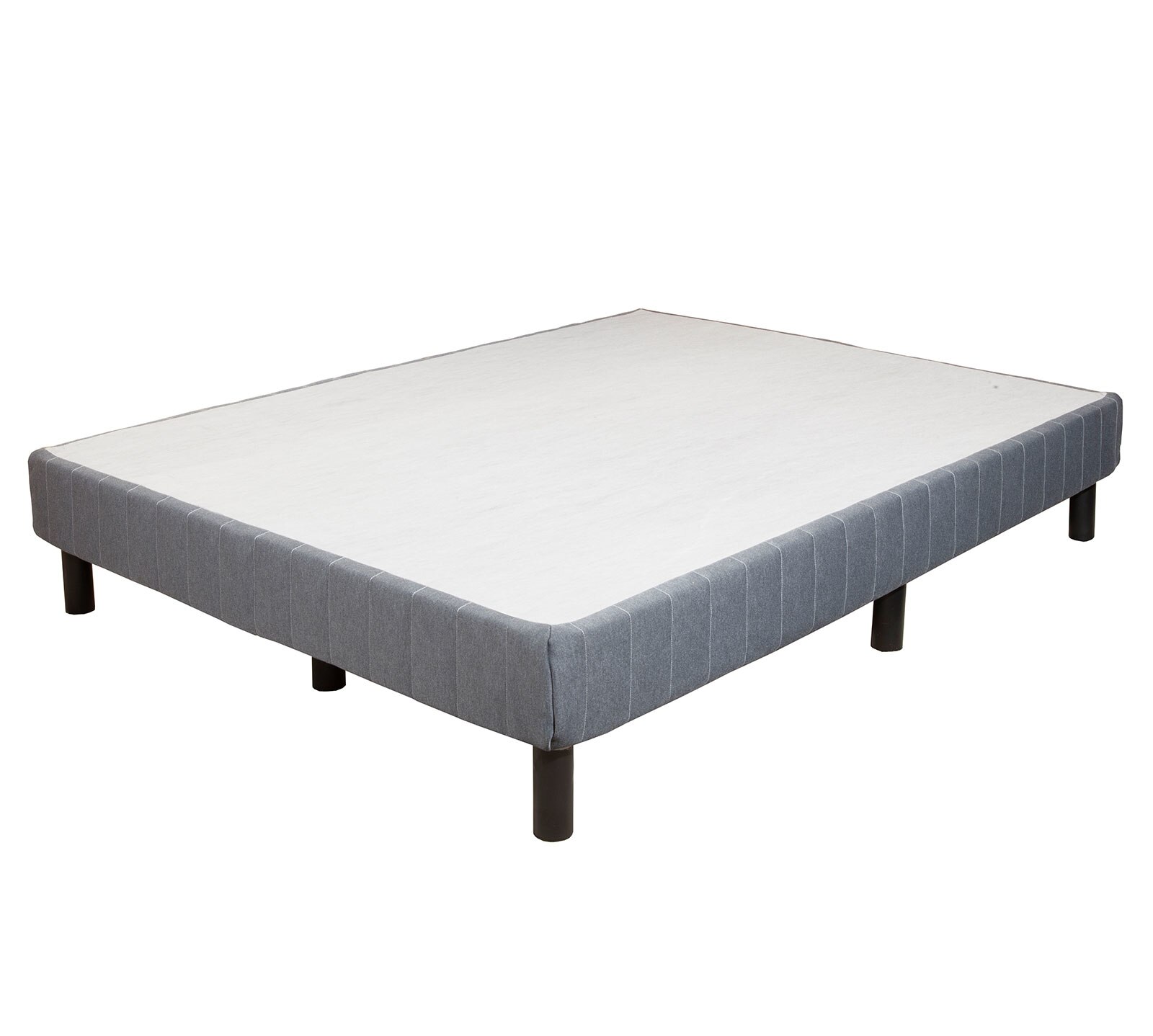
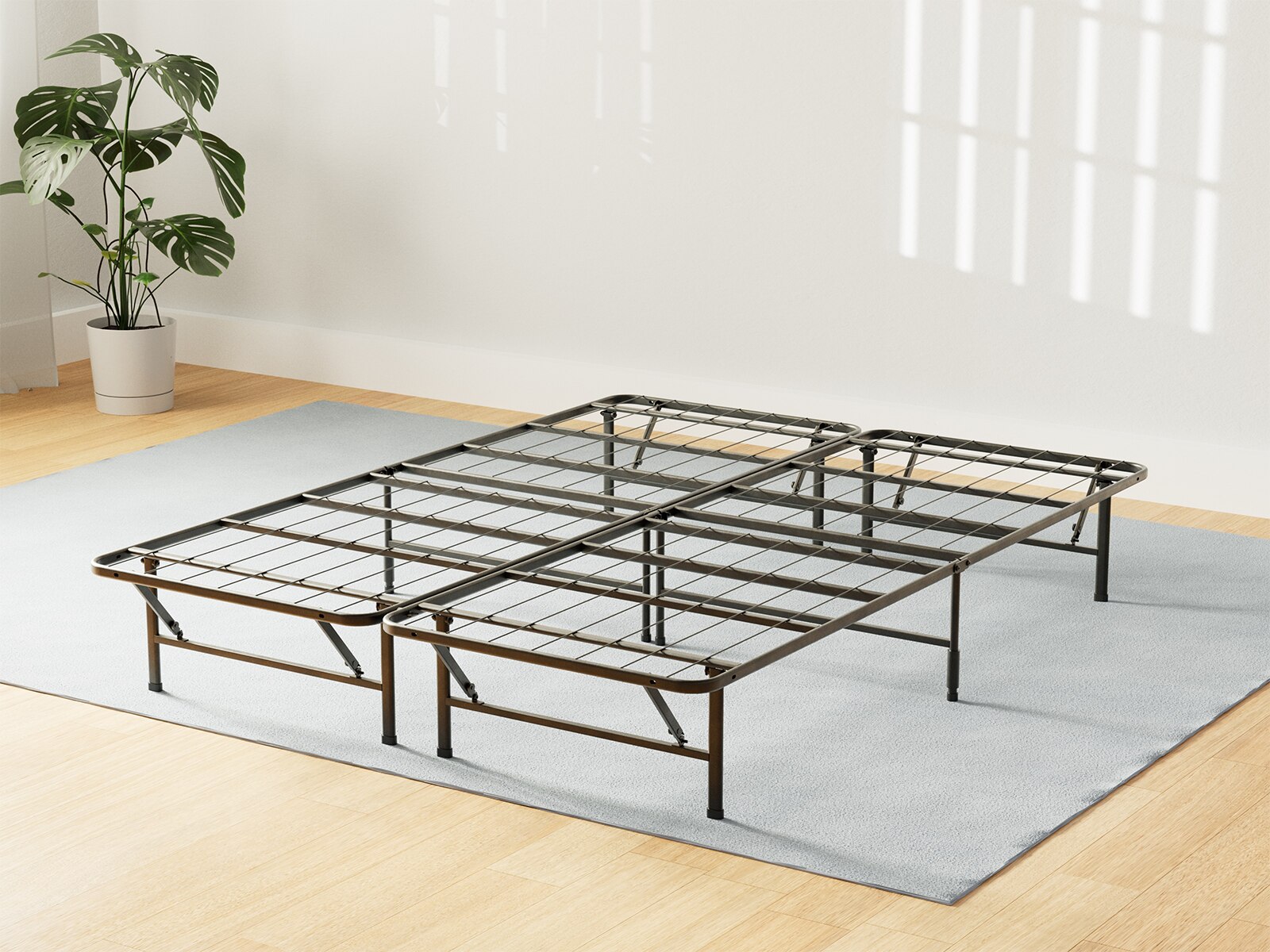
Support construction is especially important when choosing a California King bed frame for nightly use. Some frames are designed to hold a mattress directly on a platform or slats, while others require a compatible foundation or box spring. Slat spacing, slat strength and center support should meet the mattress manufacturer’s requirements; the presence of slats alone does not establish compatibility. A mattress that needs a closely spaced support surface may not work properly on a frame with wider gaps. Weight capacity also deserves a careful look, including whether the stated limit accounts for the mattress, foundation and sleepers together. For an adjustable base, compatibility is a separate consideration. Many bases provide their own support and may fit within a decorative frame, but interior clearance, cross rails and the base’s range of movement need to work together. The finished bed height matters just as much in daily use. Frame height, foundation thickness and mattress depth combine to determine how far the sleeping surface sits above the floor. A height that allows someone to sit on the edge with feet resting comfortably on the floor can make getting into and out of bed feel more natural. Once assembled, a frame benefits from straightforward care. Hardware should be secured according to the manufacturer’s directions and checked periodically, particularly after a move or if new movement or noise develops. Extra tightening is not always the answer; overtightening can damage some joints or fasteners. Wood and metal surfaces generally need gentle cleaning with methods approved for their finish, while upholstery may call for vacuuming with a suitable attachment and prompt attention to spills. Floor protectors appropriate to both the frame and flooring can help limit scuffs when positioned correctly. Moving the bed by lifting rather than dragging, with enough help for its size and weight, can reduce stress on the connections. Together, suitable support, a practical layout and consistent care help a California King frame serve as a dependable foundation for a comfortable bedroom.