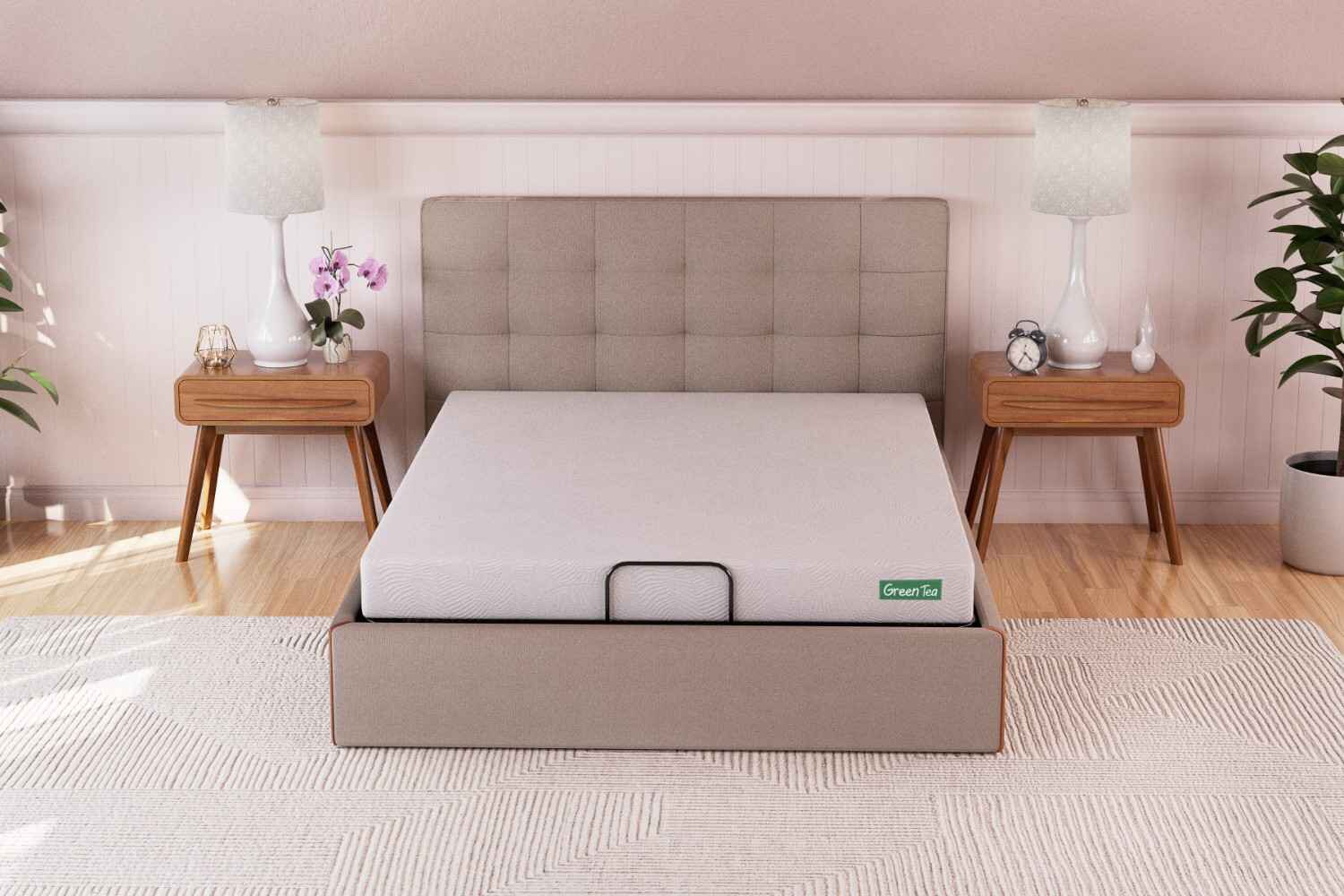
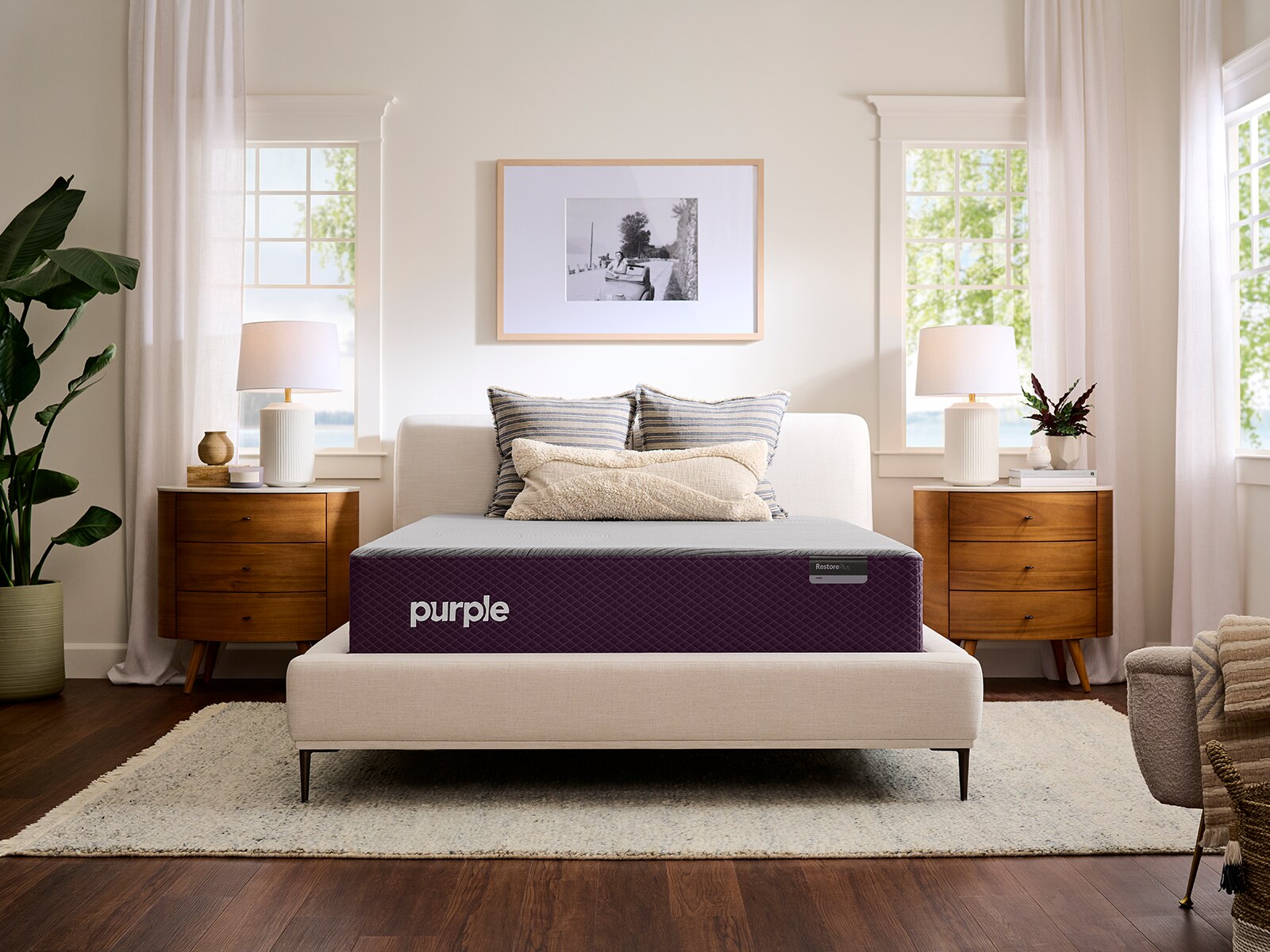
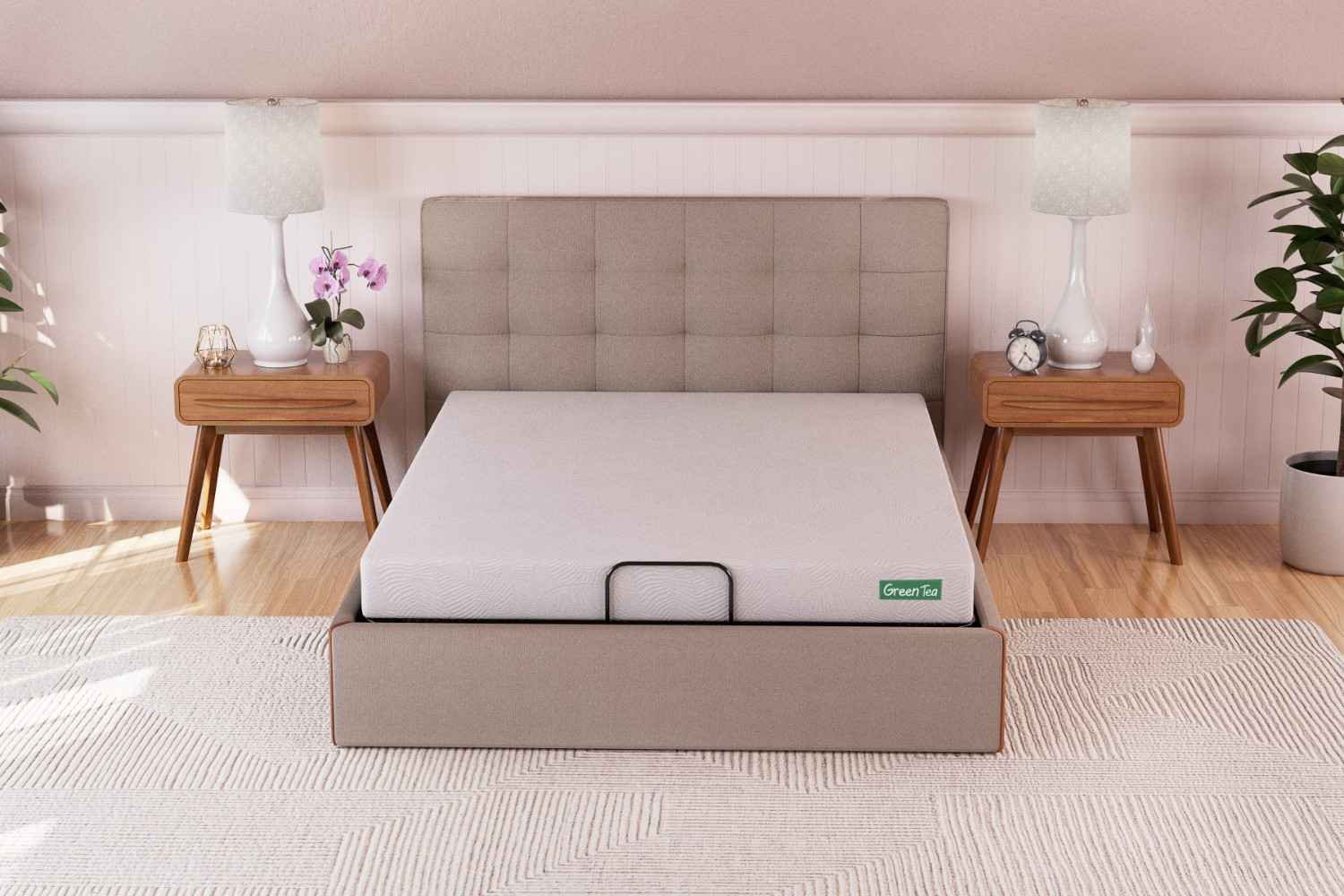
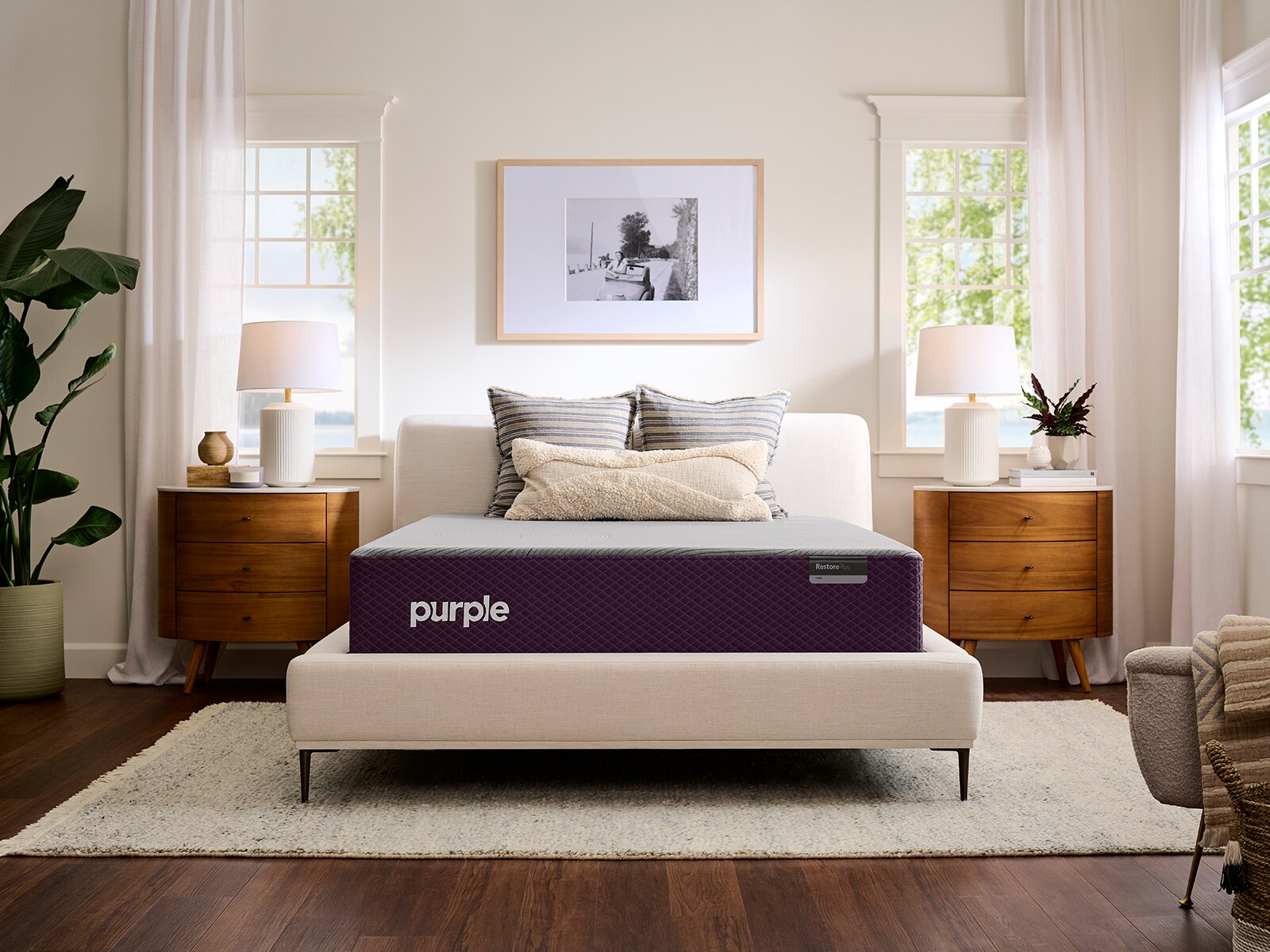
Cleaned queen mattresses combine the familiar dimensions of a queen mattress with an emphasis on surface care and cleanliness. A standard queen measures approximately 60 inches wide by 80 inches long, giving one sleeper room to stretch out or two sleepers space to share without the larger footprint of a king. The word “cleaned” describes a treatment or maintenance process, not a particular mattress construction, firmness level or guarantee of sanitation. The cleaning method, materials and overall condition all matter, and a cleaned surface does not establish how much support remains inside a mattress. This distinction is useful when comparing comfort features with practical care needs. Foam mattresses generally cushion the body through layers that compress under weight, while innerspring designs rely on coils with cushioning above them. Hybrid mattresses combine a coil support system with substantial comfort layers, and latex can offer a more responsive feel that makes repositioning easier. None of these constructions is automatically washable throughout. A cover may tolerate a cleaning method that would damage the foam, fabric or adhesive beneath it. Comfort also depends on the sleeper: side sleepers often appreciate cushioning around the shoulders and hips, while back and stomach sleepers may prefer a surface that limits excessive sinking. Body size, personal preference and the way two people share a bed can influence that choice as much as the mattress label. For a bedroom that doubles as a place to read or unwind, edge support may be another consideration, particularly for someone who regularly sits along the side to put on shoes. In a compact room, a queen can provide a useful balance between sleeping space and usable floor area, provided there is clearance for bedside furniture, doors and everyday movement. Mattress height deserves attention, too, because the combined height of the mattress and foundation affects how easily someone can sit down, stand up or reach the floor.
For cleaned queen mattresses, the most meaningful care details are specific rather than broad promises of freshness. Surface cleaning, stain treatment and sanitizing are not interchangeable, and an attractive appearance alone cannot confirm that a mattress is free of allergens, microorganisms or pests. Documentation of any cleaning treatment can help clarify what was done, which surfaces were treated and whether the process followed the mattress manufacturer’s instructions. Cleaning also cannot repair sagging, restore weakened coils or reverse the breakdown of cushioning. A removable cover can make routine upkeep more manageable, but a zipper does not necessarily mean that the cover is intended to come off for washing. The care label should explicitly permit removal and identify the appropriate washing and drying methods. Some covers require spot cleaning only, and some interior components should remain undisturbed. For everyday use, a properly fitted mattress protector adds a separate barrier between the sleeping surface and common spills, perspiration or skin oils. A waterproof protector may be useful for households with children or pets, while its fit and fabric can affect how the mattress feels beneath the sheets. Protectors and washable bedding do not replace mattress care, but they can reduce how often moisture or residue reaches the cover. Gentle vacuuming may help remove loose debris when permitted by the manufacturer, while spot treatments should use only approved methods and minimal moisture. Soaking a mattress can leave dampness trapped below a surface that already feels dry. Thorough drying before covering the bed again is important, and steam, bleach, harsh solvents or heavily fragranced treatments should never be assumed suitable for every material. For anyone sensitive to fragrances or cleaning residues, clear information about the treatment used is more useful than a general claim that the mattress smells fresh. Persistent odors or visible damage deserve attention rather than an attempt to mask them.
Support beneath the mattress is just as important as the condition of its sleeping surface. A queen mattress needs a compatible base that can support its weight and the people using it without uneven gaps, excessive flexing or a bowed center. Some designs work with a platform or closely spaced slats, while others have specific foundation requirements; compatibility with an adjustable base also depends on the mattress construction. The related
Cleaned Queen Box Springs collection provides a place to consider foundation options, with mattress and bed-frame requirements remaining the deciding factors. A box spring is not a universal substitute for a platform or another type of foundation, so dimensions alone do not establish a suitable match. The complete setup also affects bedding fit. A thick mattress paired with a protector or topper may need deeper fitted-sheet pockets, and a topper can change the surface feel without correcting a worn support system underneath. For couples, motion isolation can make one person’s repositioning less noticeable to the other, while a responsive surface may suit sleepers who change positions frequently. For a guest room, a queen offers flexibility for visiting adults and couples, although a mattress used only occasionally still benefits from clean bedding, a protective cover and periodic checks for moisture or damage. For an everyday bedroom, durability depends on material quality, construction, sleeper weight and consistent support rather than thickness alone. Rotation may help distribute wear when the manufacturer recommends it; flipping is appropriate only for a mattress designed for use on both sides. Visible impressions, loss of support and discomfort that persists after the foundation has been checked can indicate concerns that cleaning will not resolve. The strongest fit brings together comfortable cushioning, stable support, manageable care and clear information about condition, making cleanliness one important part of the mattress choice rather than the only measure of suitability.