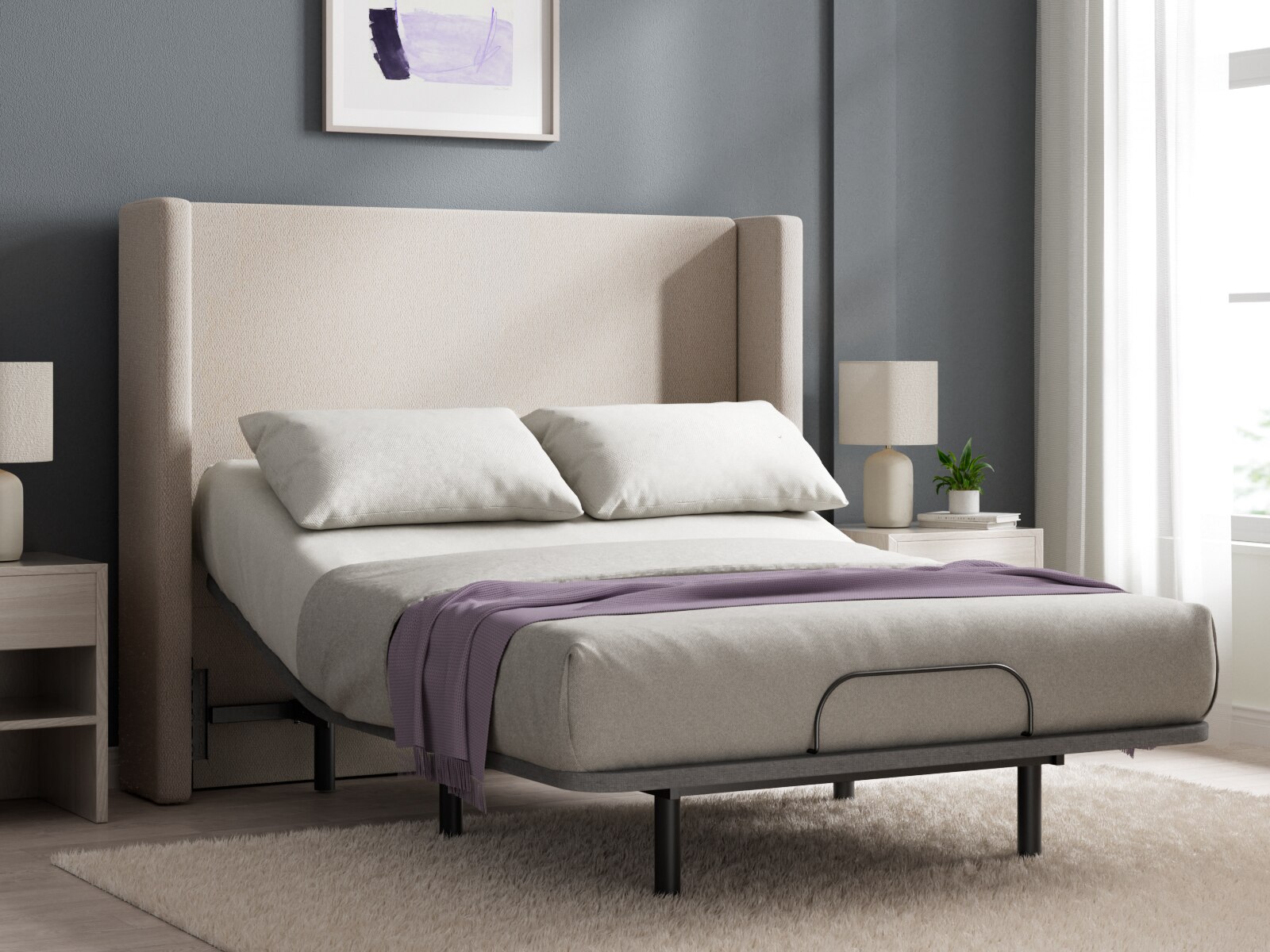
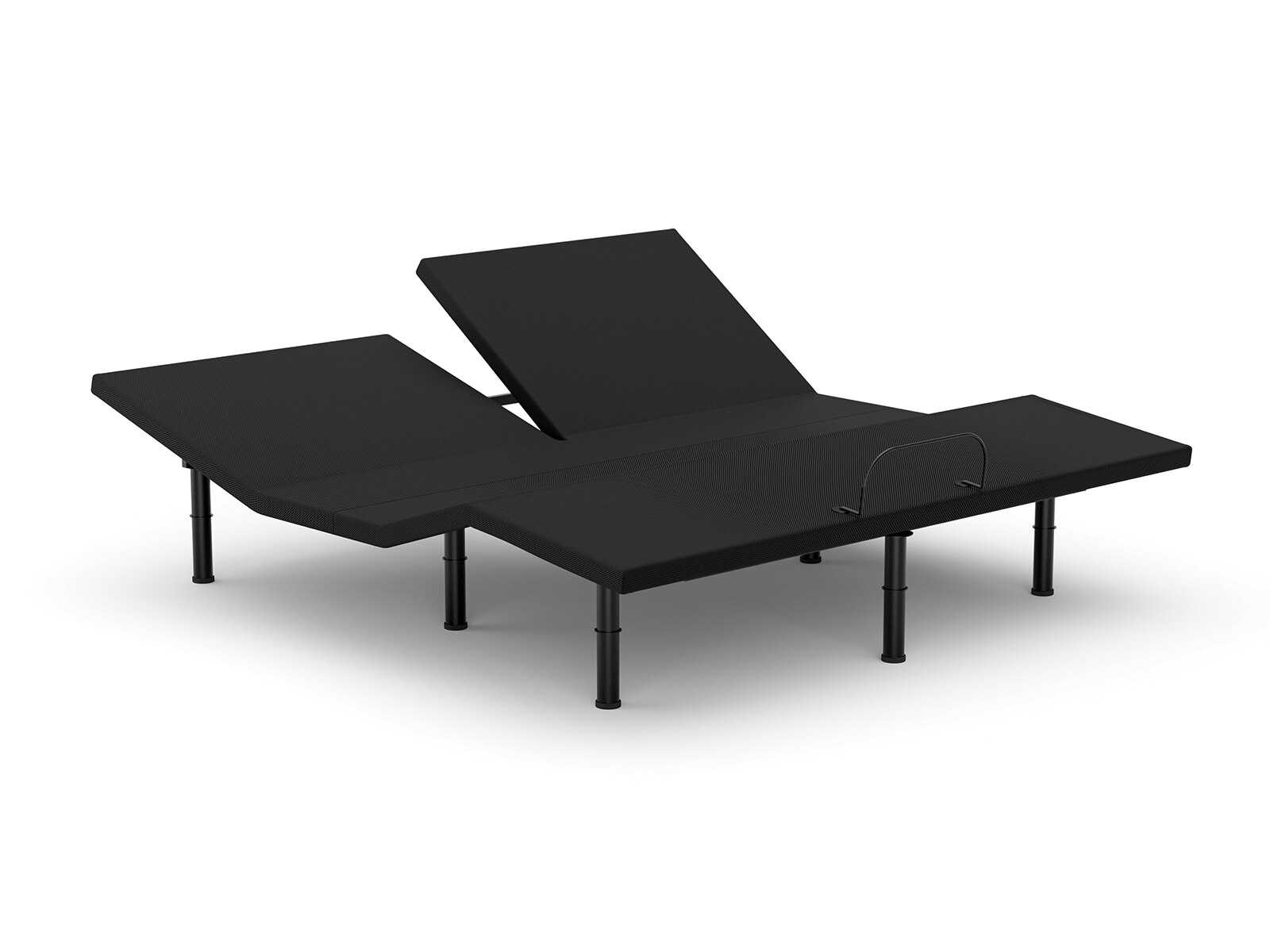
Couples bedroom essentials bring together a supportive mattress, individually suited pillows, comfortable bedding and practical bedside storage to help two people feel at home in one shared space. The most useful choices account for different sleep positions, bedtime routines and preferences rather than assuming both partners need exactly the same setup. A queen mattress can provide room for two adults while leaving space for furniture and walkways, while a king offers more width for partners who prefer extra separation or tend to spread out. A California King is longer and narrower than a standard king, making its proportions worth considering when either partner is tall. Mattress fit involves more than the floor space beneath the bed: open drawers, closet doors and a comfortable path along both sides matter, too. For couples with different schedules, motion isolation can help reduce how much movement travels across the sleep surface when one person turns over or gets up. Memory foam often absorbs movement, while hybrid designs combine foam or other comfort materials with a coil support system; performance depends on the full construction rather than the category alone. Edge support is another useful consideration, particularly when both people use the full width of the mattress or sit along its sides while getting dressed. Firmness should reflect each partner’s body size and sleeping position, with enough cushioning for pressure points and enough support to maintain comfortable alignment. A side sleeper may prefer more cushioning around the shoulders and hips than a partner who sleeps on their back. Neither person’s preference needs to become the default without considering the other. The bed frame and foundation also contribute to comfort and durability. A stable frame, appropriate center support and compatibility with the mattress help create a dependable setup. Upholstered surfaces add softness, while wood or metal frames offer different textures and care needs. Secure connections and a foundation suited to the mattress are more important than appearance alone, especially for a bed used by two people every night.
Bedding gives couples room to personalize comfort without making the bedroom look mismatched. Breathable sheets, separate pillows and flexible layers can accommodate a partner who sleeps warm alongside someone who prefers more coverage. Cotton offers a familiar feel and comes in a range of weaves, from crisp percale to smoother sateen. Linen has a textured hand that typically softens with washing, while microfiber often feels smooth and lightweight; fiber, weave and fabric weight all influence how bedding feels against the skin. Thread count alone does not establish quality, so construction, finishing and care requirements deserve attention as well. Sheet fit matters just as much as fabric. A fitted sheet needs pockets deep enough for the mattress and any topper, with secure elastic to help keep the corners in place as both people move. A generously sized top layer can reduce tugging, while separate blankets let each partner adjust coverage without disturbing the other. A lighter shared layer with an additional blanket within reach can also work well for different comfort preferences. Pillows are especially personal, even when their covers coordinate. Side sleepers often need enough loft to fill the space between the head and mattress, while back sleepers may prefer a more moderate height and stomach sleepers often need a lower profile. The appropriate choice depends on body proportions and how deeply the sleeper settles into the mattress. Adjustable fill can offer flexibility, but comfort should still be evaluated individually. A mattress protector adds a practical barrier against everyday spills and moisture; its fit, fabric feel and care instructions should suit the way the bed is used. Washable pillow protectors serve a similar purpose without replacing regular pillow care. Following fabric care labels, drying bedding thoroughly and avoiding excessive detergent can help maintain softness and reduce residue. An extra set of sheets makes laundry routines easier when two people share the bed. Coordinated linens can also make thoughtful wedding or housewarming gifts when the mattress size, preferred materials and household care routine are known.
The surrounding furnishings help a shared bedroom work smoothly from the last few minutes before sleep to the first moments of the morning. A bedside surface on each side gives both partners a place for glasses, a book and a glass of water without reaching across the bed. Nightstands do not have to be identical, but similar heights and coordinated finishes can make the room feel balanced. Drawers keep small necessities tucked away, while open shelves make frequently used belongings easy to reach. When considering
Bedroom Essentials For Adults for a shared room, the same attention to useful storage and comfortable proportions helps accommodate two sets of habits. Shared dressers work best when each person has clearly defined space, and sturdy drawer construction matters for furniture that gets opened every day. A bench or compact chair can provide a spot for putting on shoes or laying out clothing, provided it leaves a clear walking path. Lighting deserves individual control, especially when one partner reads while the other settles down. Adjustable bedside lamps or directed reading lights can illuminate a book without flooding the entire room, while reachable switches avoid unnecessary movement across the bed. Light-blocking curtains can help limit incoming light for partners whose sleep schedules differ, though the amount of coverage depends on the fabric and installation. A sound machine may help mask intermittent household or outside noise, with placement and volume chosen for both people’s comfort; it does not address the cause of persistent snoring. A soft bedside rug adds texture and a comfortable landing for bare feet, and a suitable rug pad can help keep it from shifting. Washable surfaces, accessible storage and finishes that tolerate regular use make these supporting pieces easier to live with. Personal photographs or artwork can give the room a shared identity without filling every surface. The result is a bedroom that feels connected rather than crowded, with everyday essentials serving both the couple and each individual.