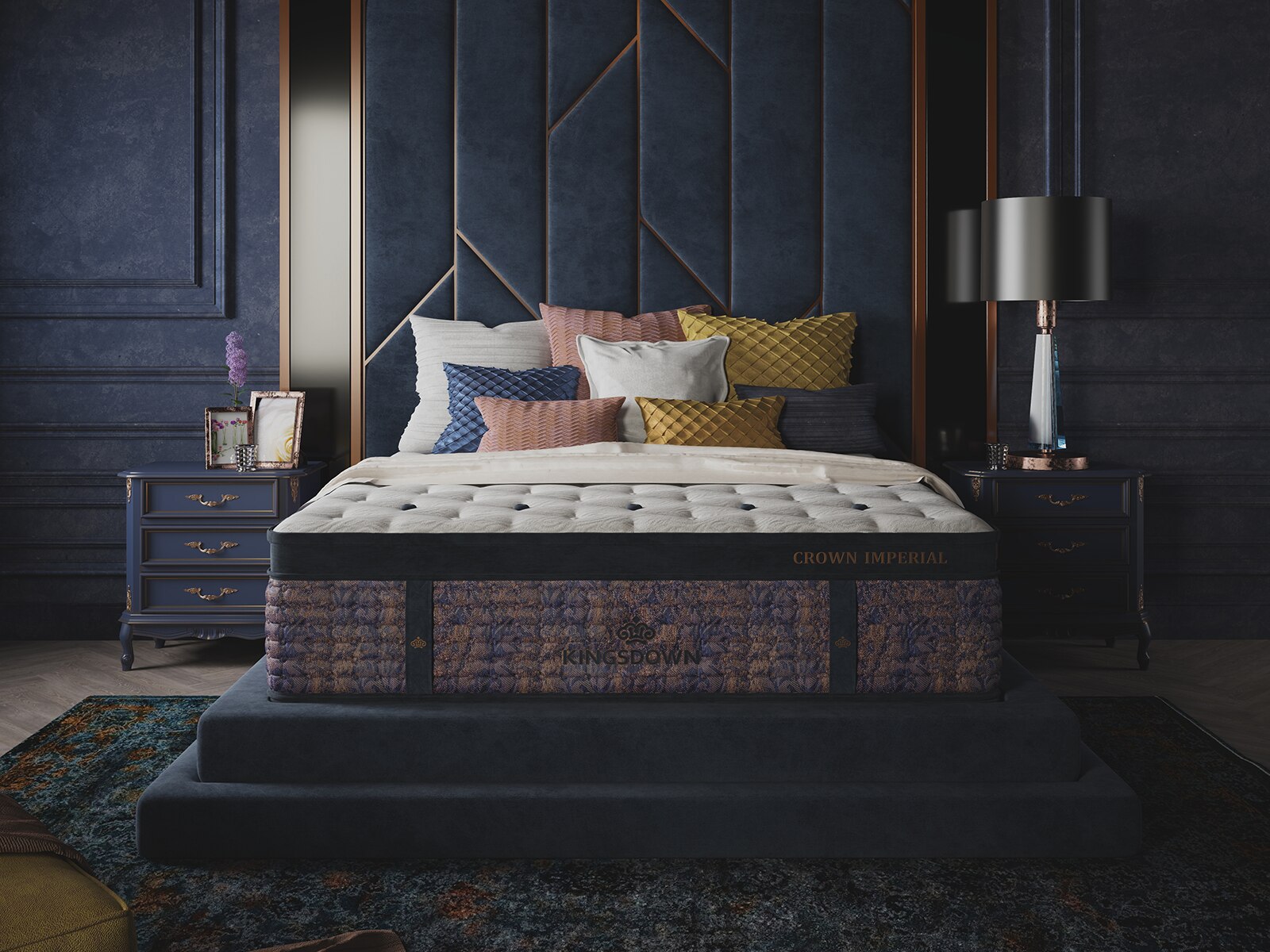
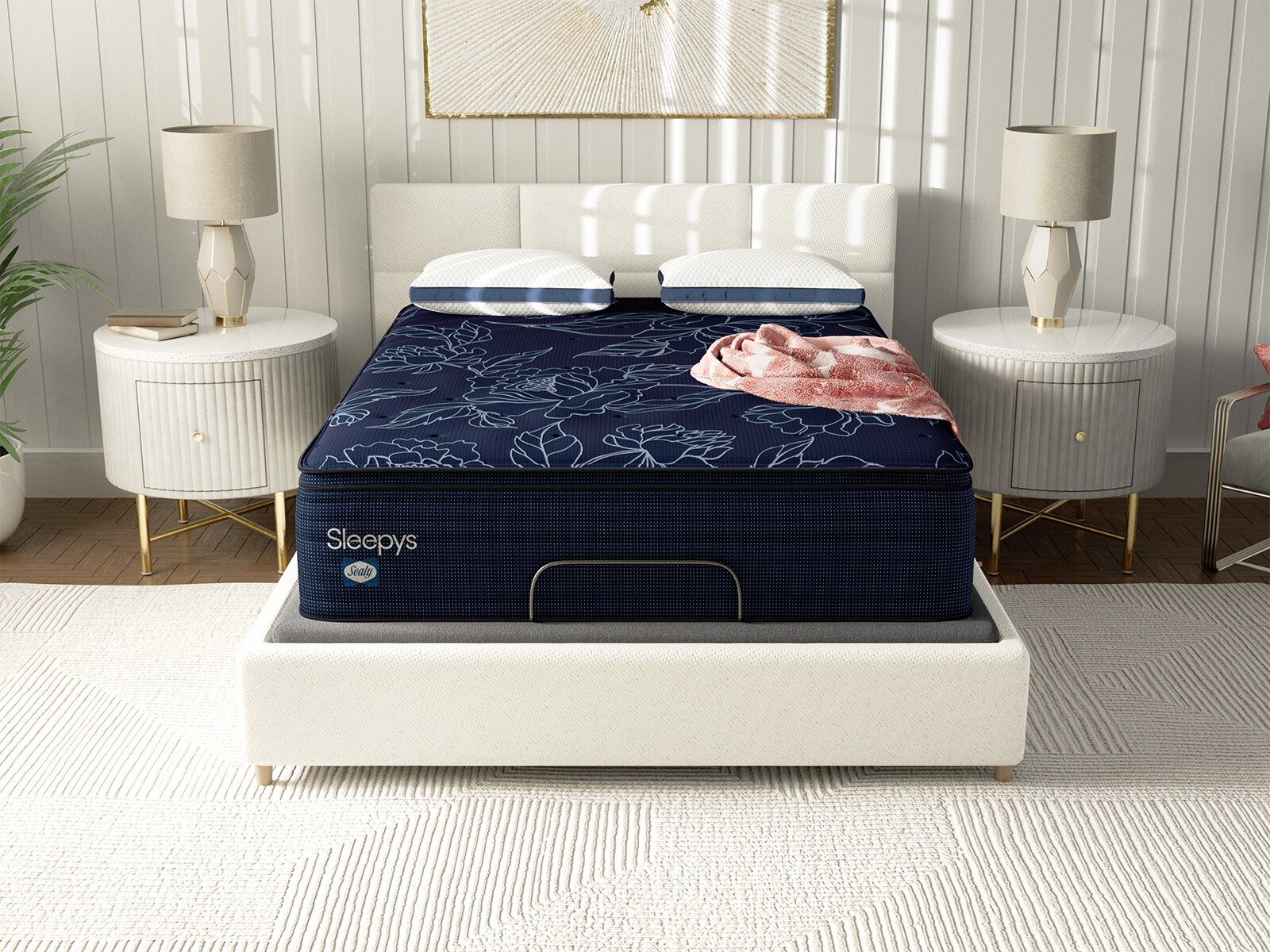
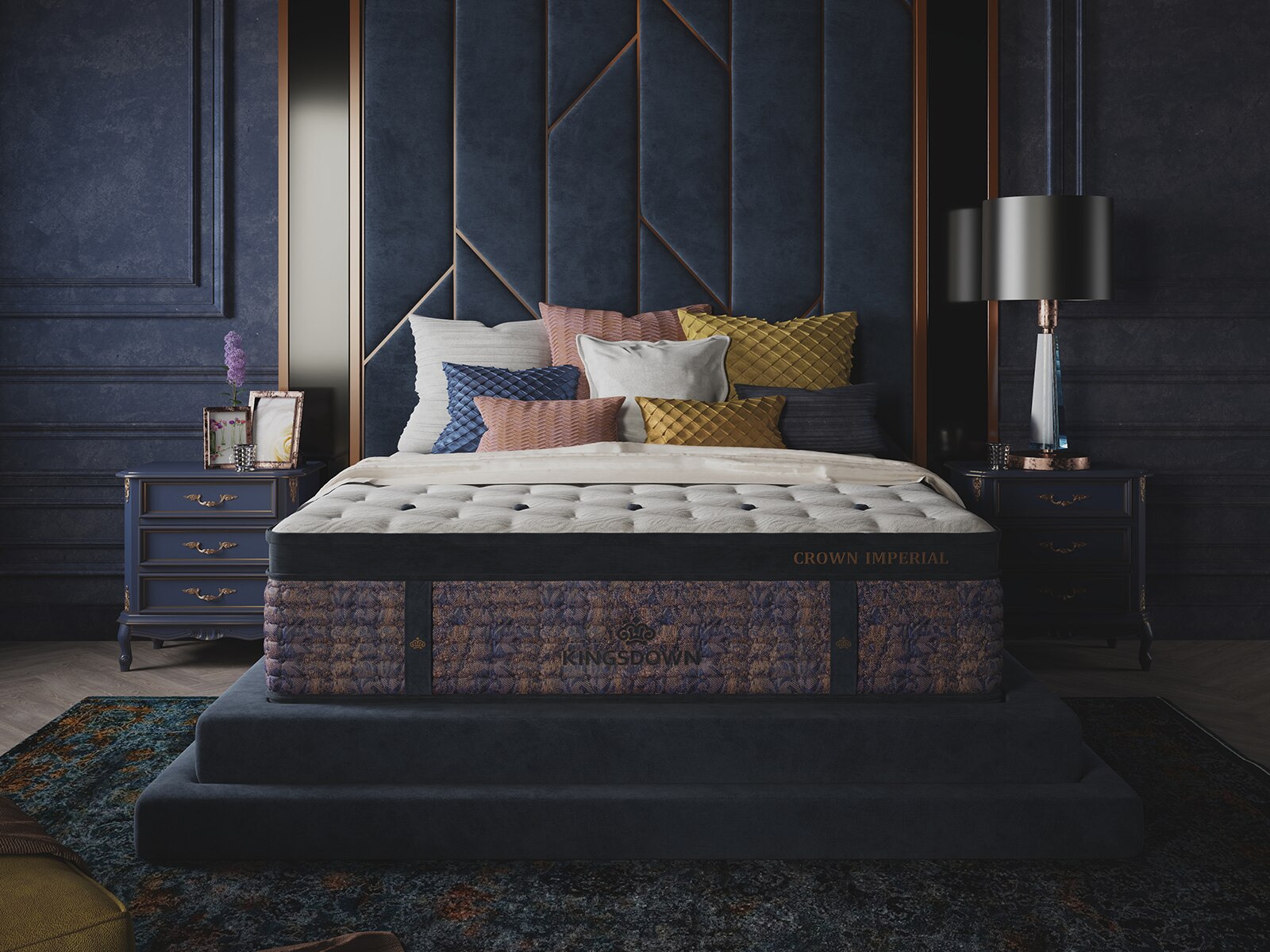
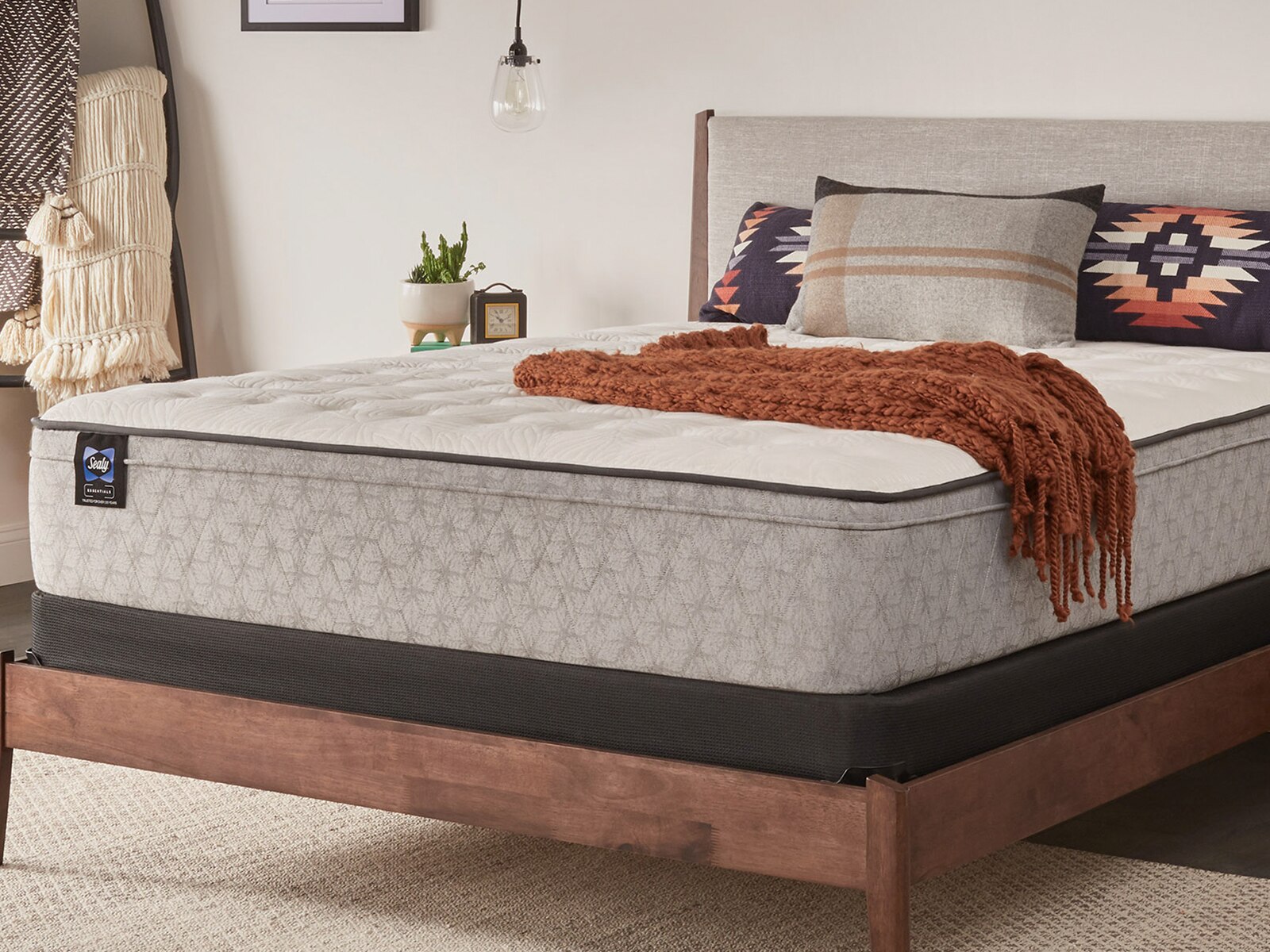
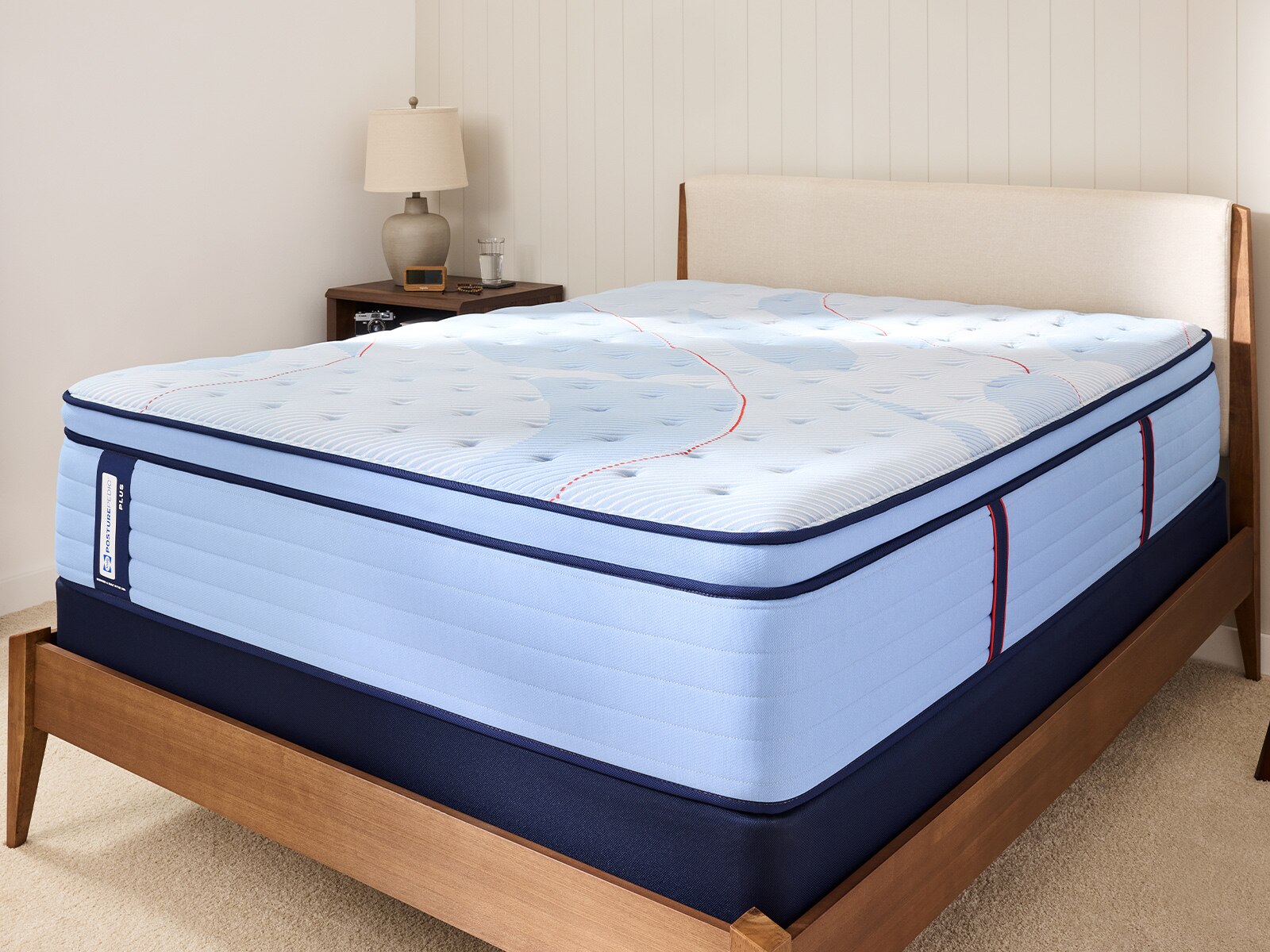
Deep plush Euro top mattresses pair a generously cushioned sleep surface with a tailored top layer sewn flush with the mattress edges. That construction creates a smooth, integrated profile rather than the more visibly separate cushion found on a traditional pillow top. The defining appeal is a soft, cradling feel: shoulders and hips can settle into the comfort layers while the underlying support system carries the body’s weight. For side sleepers especially, that extra cushioning may help ease pressure where the body presses most firmly against the bed. “Deep plush” describes a comfort feel, not a standardized measurement, so two mattresses with that description can respond differently. The materials beneath the cover make a meaningful difference. Memory foam tends to contour gradually and closely, while latex generally responds more quickly when a sleeper shifts position. Other comfort foams and fiber fills can add softness, loft or a gently quilted texture. Beneath those layers, individually wrapped coils, other spring systems or supportive foam provide the foundation. A soft surface does not necessarily mean weak support, just as a tall mattress does not automatically provide deeper cushioning. The useful distinction is between how the top feels against the body and how well the entire mattress supports a comfortable resting position. Some deep plush Euro tops create a pronounced, enveloping sensation; others combine a pillowy first impression with a more buoyant response underneath. The flush finish also gives the bed a neatly upholstered appearance, even before sheets are added. Although that design can look substantial around the perimeter, it does not guarantee stronger edges. Perimeter stability depends on the support construction, including any reinforced coils or foam around the sides. For someone who sits near the edge to put on socks or regularly sleeps close to one side, that detail deserves as much attention as the softness at the center.
The right deep plush Euro top mattress should suit both a sleeper’s preferred position and the way their body settles into the surface. A side sleeper may appreciate enough cushioning for the shoulder to sink in without feeling compressed, while the waist remains supported rather than suspended above the bed. Back sleepers who enjoy a softer feel may prefer a plush top over a steadier core that keeps the pelvis from settling noticeably lower than the upper body. Stomach sleepers often need a firmer overall feel to limit excessive sinking through the middle, so a deeply cushioned surface is not automatically the best match. Body weight also changes the experience: a lighter person may rest closer to the top, while a heavier person may compress more of the comfort system and feel the layers beneath it. During an in-person comparison, spending several minutes in a usual sleeping position can reveal more than briefly pressing a hand into the cover. Notice whether the shoulders feel cushioned, whether the lower back feels supported and whether rolling over takes more effort than expected. Combination sleepers may enjoy plushness but prefer responsive materials that make changing positions easier. For couples, motion isolation and usable space matter alongside comfort. Individually wrapped coils and certain foams can help reduce movement traveling across the surface, although performance varies by construction. A queen or king can give two sleepers more room to move without crowding, provided the bedroom allows comfortable access around the frame. Mattress height deserves a practical check, too. A deep profile on a tall foundation may make getting into bed awkward, while a lower platform can create a more manageable finished height. Measure the mattress and any foundation together, then consider fitted-sheet pocket depth, headboard proportions and frame requirements. For an adjustable base, confirm compatibility with the mattress manufacturer rather than assuming every Euro top will flex appropriately. In a primary bedroom or a frequently used guest room, these everyday details help turn an appealing first impression into a comfortable fit.
Materials, assembly and consistent care all influence how a deep plush Euro top mattress feels over time. Foam density, coil design, the quality of cushioning fibers and the way layers are secured can affect durability, but no single specification tells the whole story. Higher-density foam is not necessarily firmer, and a larger coil count alone does not establish better support. Tufting is another construction detail worth considering;
Hand Tufted Plush Euro Top Mattresses feature a technique that secures layers at intervals and can create a gently dimpled surface. Depending on the construction, tufting may help limit shifting within the upholstery, though it does not replace the need for a suitable foundation. Before setting up any mattress, check the required frame support, including center supports and slat spacing where applicable. A supportive base helps the mattress perform as intended and reduces avoidable stress on its structure. A well-fitting protector can help shield the sleep surface from spills and everyday buildup without bunching beneath the fitted sheet. Choose bedding with enough depth to accommodate the full mattress profile; sheets stretched too tightly across a plush top may restrict its cushioned feel or slip loose at the corners. Follow the manufacturer’s care directions for cleaning and rotation. Many Euro top mattresses are designed for use on one side and should not be flipped unless their instructions specifically allow it. If rotation is recommended, moving the mattress from head to foot can help distribute regular use. Clean small spills promptly using the approved method, avoid saturating the padding and let the surface dry fully before replacing bedding. Some softening and body impressions can develop as cushioning settles, but persistent discomfort, substantial sagging or a noticeable loss of support deserves attention. The most satisfying choice balances a welcoming surface with dependable support, practical upkeep and enough freedom of movement for the person sleeping on it. That balance lets deep plush cushioning feel inviting without overlooking the structure that makes a mattress comfortable night after night.