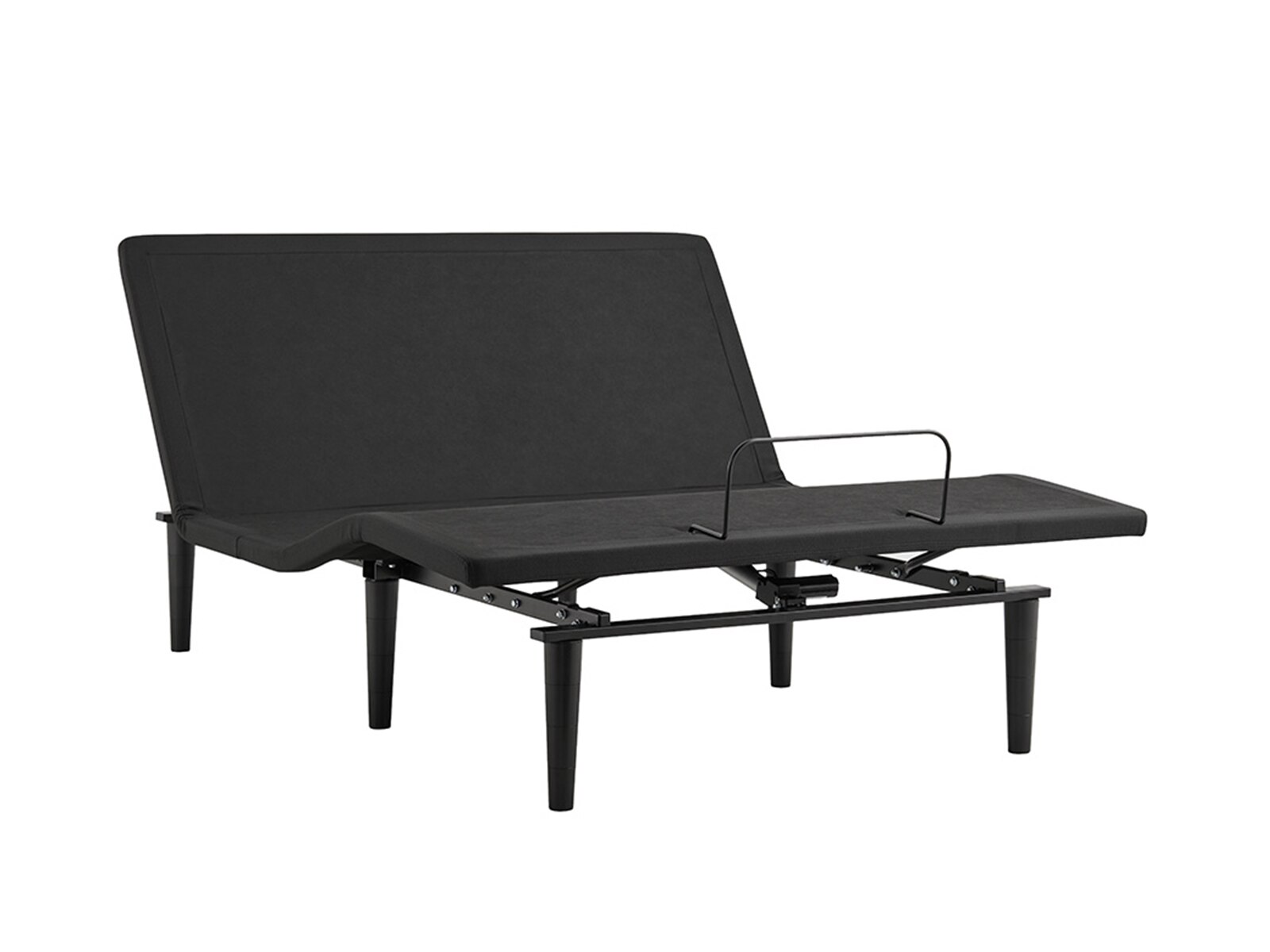
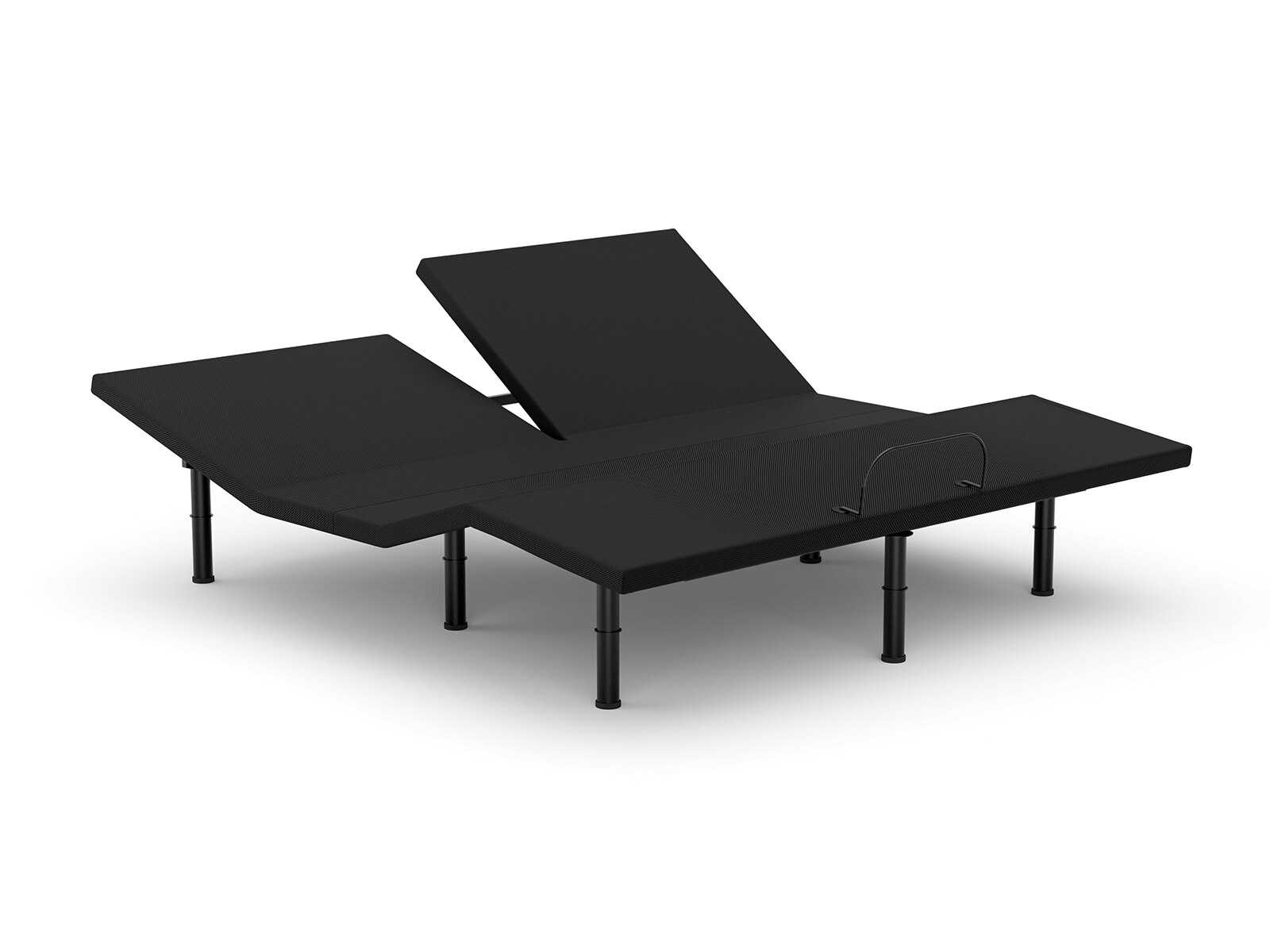
A double adjustable bed is a full-size sleep setup built around a powered base that raises or lowers the head section and, on many models, the foot section. A standard full mattress measures approximately 54 inches wide by 75 inches long, although the base’s exterior dimensions can vary. With a compatible mattress, the sleeping surface bends along with the base, allowing a flatter position for sleep or a raised position for reading, watching television or settling in before bedtime. The word “double” refers to the mattress size, not necessarily to separate controls for two sleepers. Most full-size adjustable bases move one continuous mattress, so anyone sharing the bed shares its position. Independent adjustment generally requires a split configuration with separate compatible mattresses and bases. For a single sleeper who likes extra room to stretch, a full-size adjustable bed offers more width than a twin without taking up as much floor space as a queen. Two adults can share a full mattress, but its width leaves approximately 27 inches per person, making personal space an important consideration. In a smaller bedroom, the footprint may leave room for a nightstand, dresser and a clear path around the bed. Measuring the room also means accounting for doors, drawers and the space needed as the base moves. The mattress length matters, too: taller sleepers may prefer a longer size rather than having their feet extend beyond the edge. Adjustable positioning can make familiar activities more comfortable, whether that means lifting the head to read a few chapters or gently raising the legs after a long day. Comfort is personal, and a position that feels supportive for one sleeper may not suit another. Persistent back discomfort, snoring or breathing concerns deserve guidance from a healthcare professional rather than an assumption that a different bed position will address the cause.
Mattress compatibility is central to how a double adjustable bed feels and performs. A flexible mattress needs to follow the base’s bends without resisting movement, bridging above the surface or developing excessive pressure at its folding points. Many foam, latex and hybrid mattresses are designed for adjustable foundations, but construction matters more than the category name alone. Foam layers can contour closely around the shoulders and hips, while latex often has a more buoyant feel. Compatible hybrids combine comfort layers with a coil system designed to flex with an adjustable base. Traditional innerspring construction is not automatically suitable, and a mattress should only be paired with an adjustable foundation when its manufacturer permits that use. Full-size dimensions alone do not establish compatibility. Mattress thickness, internal components, weight and flexibility all affect how smoothly the surface follows the frame. A thick, less flexible mattress may feel different in a raised position than a thinner, more responsive design, even when both fit the base. Firmness remains a separate choice: lifting the head or feet changes body position, but it does not turn a firm mattress into a plush one. Side sleepers may appreciate cushioning at the shoulders and hips, while back sleepers may prefer a balance of contouring and support. For shoppers interested in upper-body positioning,
Head Adjustable Beds provide another category to explore, with adjustment functions worth comparing carefully. Bedding should accommodate movement, too. A fitted sheet with an appropriate pocket depth and secure elastic can help keep corners in place as the mattress bends. A stretchy mattress protector can provide everyday protection without pulling tightly across raised sections. Existing bedroom furniture also needs attention: some adjustable bases can sit within a compatible decorative frame, while others require their own legs and specific headboard attachments. Interior clearance, slat removal requirements and support specifications determine whether the pieces work together.
Everyday usability often comes down to details that are easy to overlook until the bed becomes part of a nightly routine. Clearly marked remote buttons can make small adjustments straightforward, especially when lowering the bed after reading. Preset positions and memory settings, when included, may reduce repeated adjustments, while separate head and foot controls allow more specific positioning. A gentle lift beneath the knees can feel different from raising the entire foot section substantially, so a broad adjustment range is most useful when the controls make it easy to find a comfortable stopping point. Motor sound may matter in a shared room, particularly when one person settles in later than the other. Features such as underbed lighting or charging connections can add convenience, but they should complement dependable movement and a supportive mattress rather than take their place. Bed height deserves equal consideration. The combined height of the legs, base and mattress affects how easily someone can sit at the edge with feet resting on the floor. Adjustable positioning does not necessarily provide assistance with standing or transferring, so anyone with mobility needs should confirm that the bed’s functions match those needs. Durability depends on appropriate use as well as construction. The stated weight capacity should account for everything the manufacturer includes in that limit, which may encompass sleepers, the mattress and bedding. Sitting or standing on a raised section can place stress on parts not intended to support concentrated weight. Care typically involves keeping the moving mechanism clear, checking accessible connections as directed and cleaning upholstery according to its fabric instructions. Electrical components should stay dry, and cords need a clear route away from hinges and pinch points. Children and pets should remain clear while the base moves. Following the manufacturer’s instructions for assembly, operation and moving helps protect both the frame and its mechanisms, supporting a comfortable setup that fits naturally into everyday life.