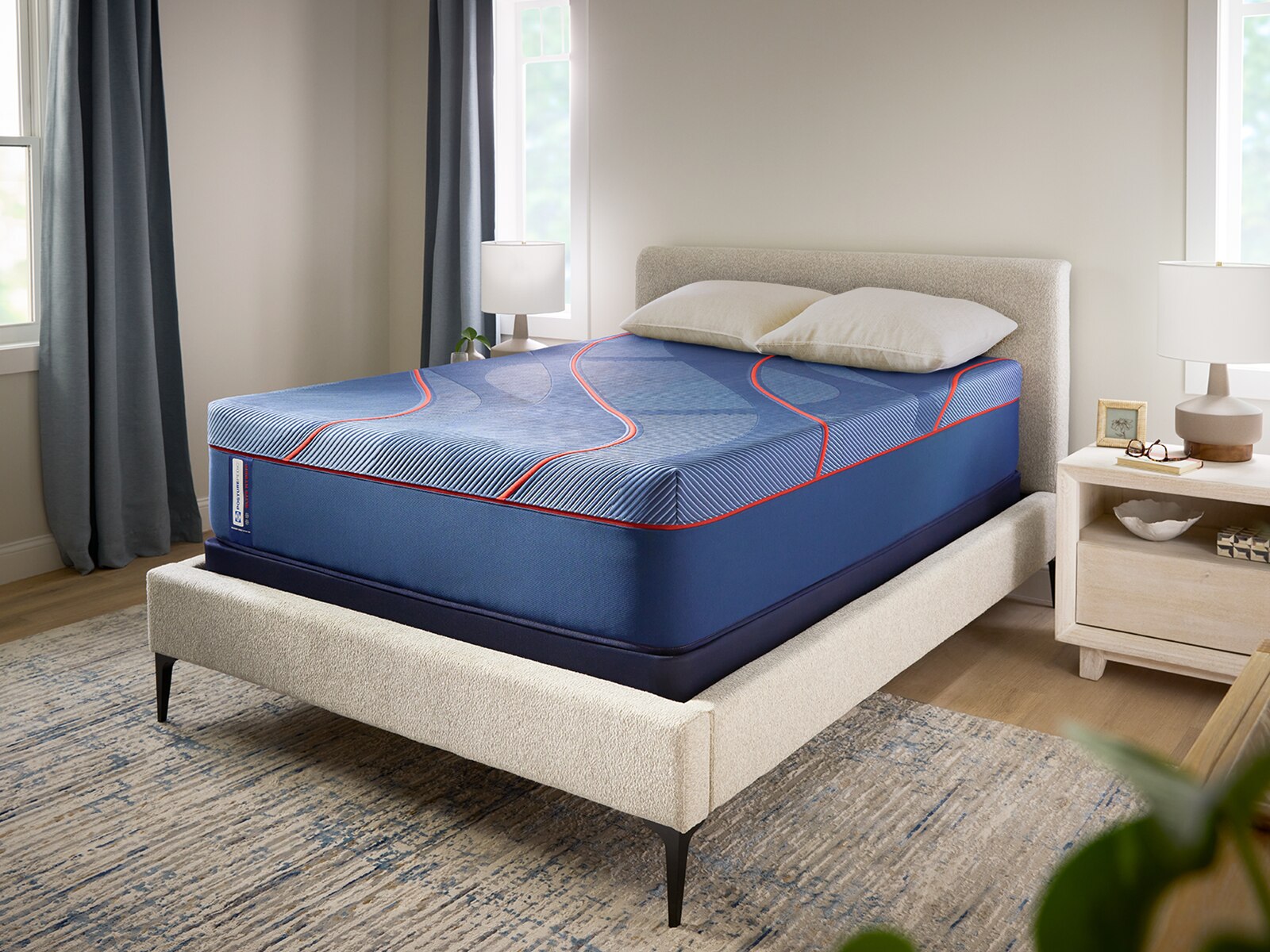
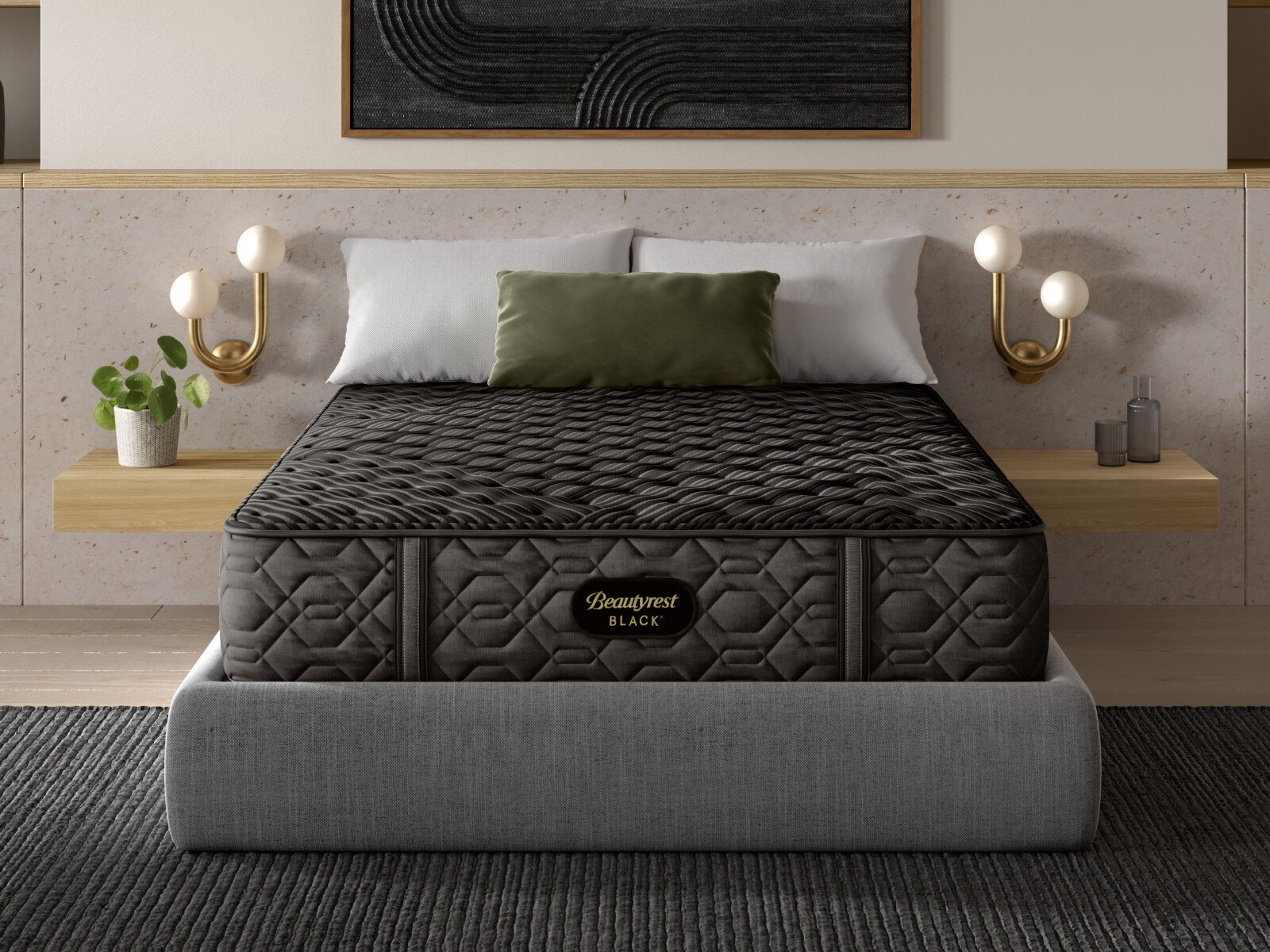
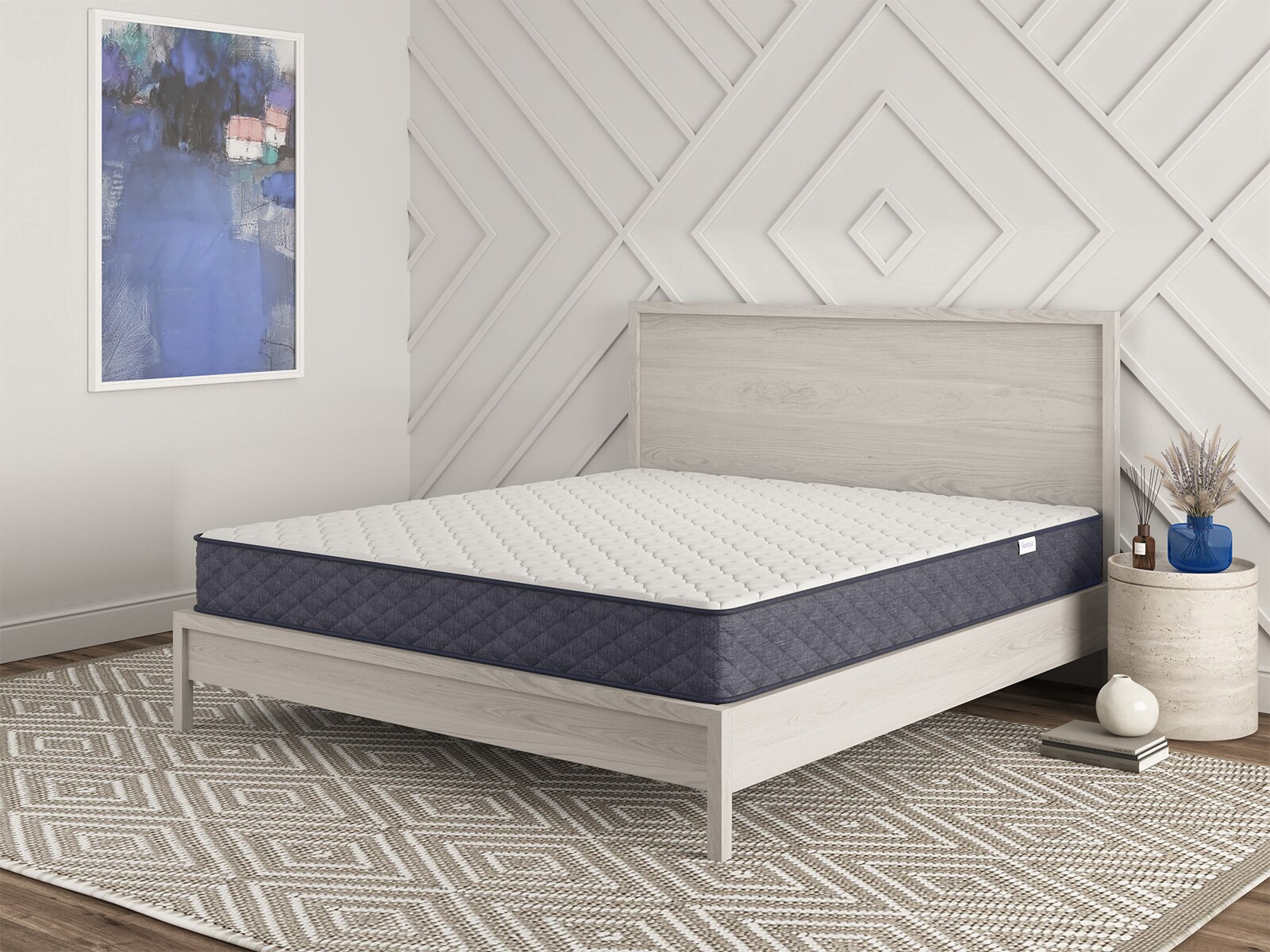
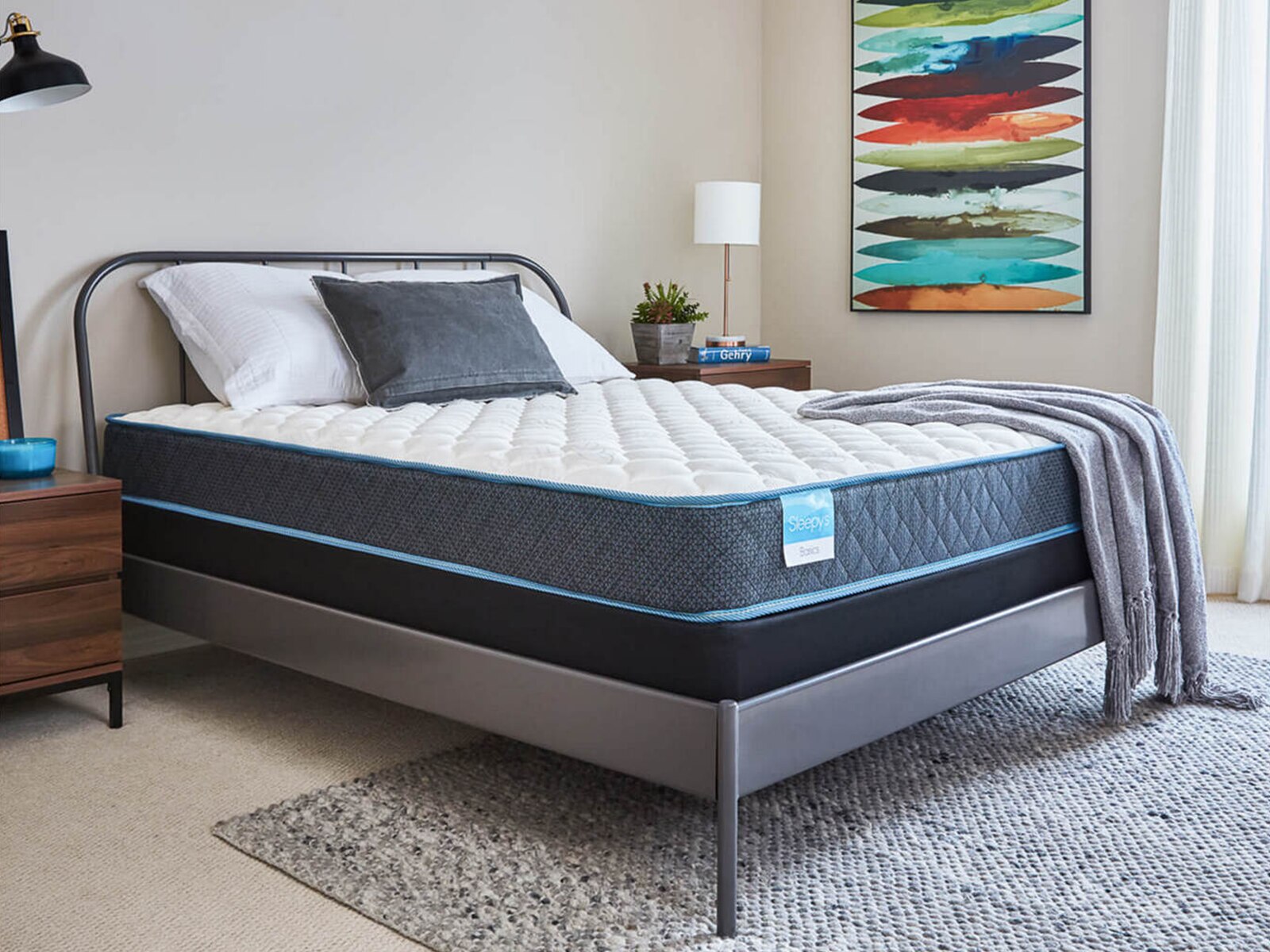
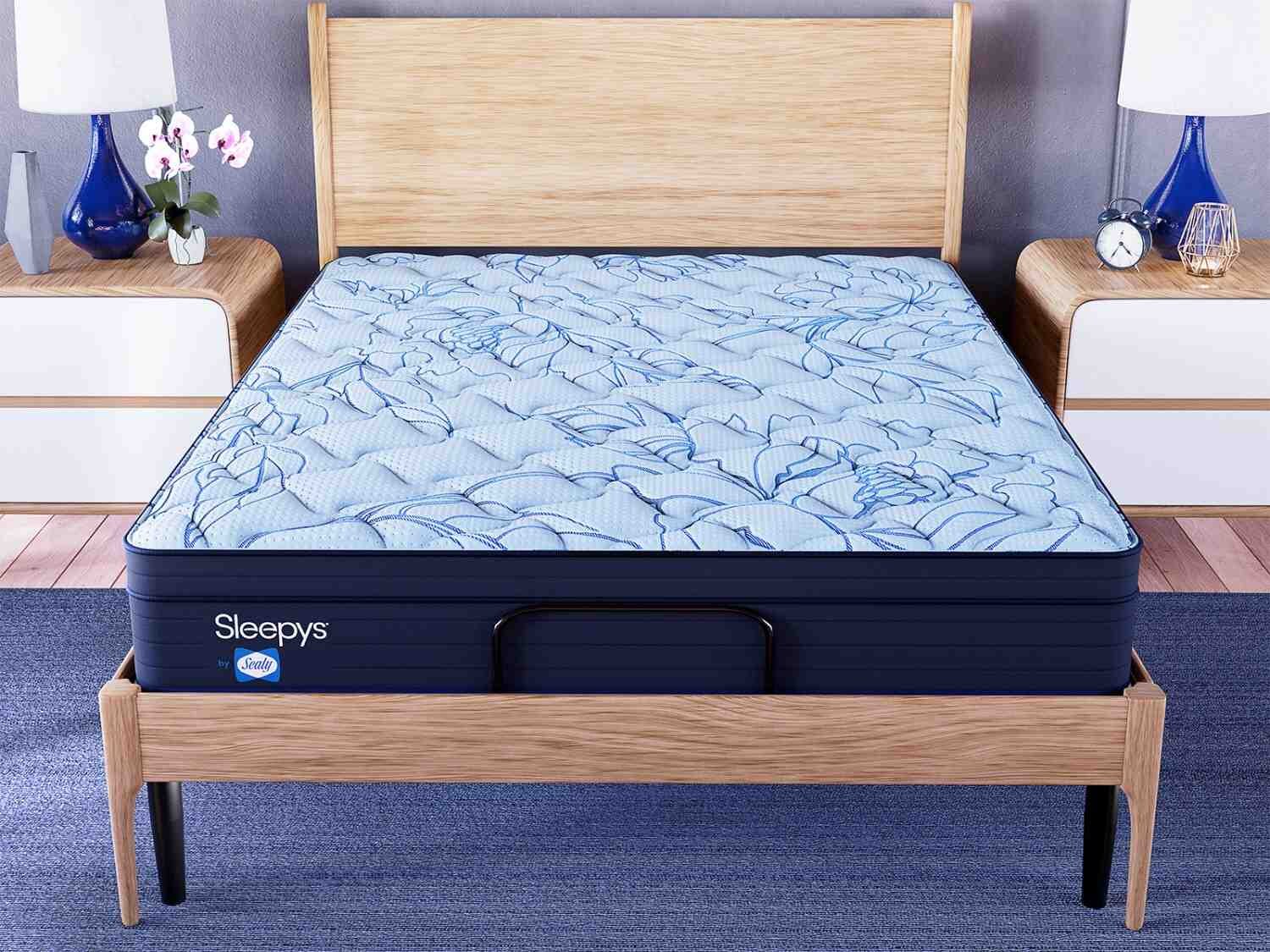
DuraFlex™ coil mattresses feature a reinforced coil perimeter designed to strengthen the outer edge of the mattress. The DuraFlex™ Coil Edge uses densely packed, smaller-diameter encased coils around the border to help that area withstand the repeated pressure of sitting, sleeping and getting in and out of bed. This edge system is a distinct part of the mattress construction, not a description of every coil throughout the interior. Its purpose is to create a more supportive border, help resist edge sagging and make the sleeping surface feel usable closer to the sides. That can matter during ordinary moments: sitting down to pull on socks, settling beside a partner or stretching out without feeling as though the edge is giving way beneath the hips. A reinforced perimeter can be especially useful for people who sleep near the side of the bed or regularly sit along its border, although it does not turn a mattress into a rigid seating surface. The sensation depends on the cushioning above the coils, the mattress height and the amount of pressure applied. Edge support also differs from overall firmness. A mattress can have a sturdy perimeter and a soft, cushioned surface, while a firmer mattress may still compress when someone sits on a small section of its edge. Beneath the cover, comfort layers may include cushioning foams or other pressure-relieving materials, with a separate coil system providing support through the main sleeping area. Those layers work together to determine how deeply the body settles and how readily the surface responds to movement. Coil construction leaves space for air to move within the mattress, and some perimeter designs incorporate additional ventilation features. Breathability still depends on the full construction, including the cover and foam layers. For a useful comparison, look at the stated edge design alongside the comfort materials and interior support system rather than treating reinforced coils as a complete description of how a mattress will feel.
Choosing among DuraFlex™ coil mattresses starts with the way the bed will be used and the feel that suits the sleeper. A side sleeper may prefer enough cushioning for the shoulder and hip to settle comfortably, while a back sleeper may appreciate a surface that supports the lower back without letting the pelvis sink too deeply. A stomach sleeper often benefits from a firmer feel that limits excessive settling through the midsection. These are starting points rather than fixed rules; body size, personal preference and the thickness of the comfort layers can change the experience considerably. When trying a mattress, spend time lying in the usual sleeping position, then roll over and move toward the edge. Notice whether the surface feels balanced, whether changing positions takes effort and whether the perimeter feels supportive while lying down as well as sitting. Couples may value a reinforced border because it helps them make fuller use of the sleeping surface, particularly when one person tends to sleep close to the side. Even so, edge reinforcement does not increase the mattress dimensions or replace the extra room of a larger size. A queen or king should be chosen with the sleepers’ space needs, bedroom layout and walking clearance in mind. Movement is another consideration: individually encased coils can respond separately to pressure, but how much motion reaches a partner also depends on the comfort layers and the complete support design. Those comparing other coil-based constructions can also explore
Dynamic Coil Mattresses while keeping edge reinforcement, surface cushioning and overall responsiveness as separate points of comparison. Mattress height deserves attention, too. A thick mattress placed on a tall foundation may make sitting at the edge less comfortable if the sleeper’s feet cannot rest securely on the floor. Measure the combined height of the frame, foundation and mattress, and consider how comfortably someone can move from sitting to standing. For a primary bedroom, prioritize the feel needed for nightly sleep; for a guest room, a balanced surface and a practical bed height can accommodate a broader range of preferences.
The durability of a DuraFlex™ coil mattress depends on more than its reinforced border. The edge system is intended to help the perimeter hold up under regular use, but the comfort materials, interior support, foundation and care routine all influence how the mattress performs over time. A secure base is especially important: an uneven frame, unsupported slats or a foundation that does not meet the mattress manufacturer’s requirements can affect support even when the mattress itself has a reinforced edge. Check requirements for slat spacing, center support and the type of foundation before setting up the bed. If an adjustable base is part of the bedroom, confirm that the entire mattress is designed for that use rather than assuming a coil perimeter establishes compatibility. A properly fitted mattress protector helps keep everyday moisture and spills away from the cover, while sheets with an appropriate pocket depth stay in place without pulling tightly across the surface. Care instructions vary by construction, so follow the manufacturer’s directions for cleaning and rotation. Many mattresses are designed with a designated sleeping side and should not be flipped; rotate only when recommended. For small spills, use the approved cleaning method and let the affected area dry fully before replacing bedding, rather than saturating the upholstery. Regularly sitting in one spot places concentrated pressure on that section, and a reinforced edge is not a reason to jump on the mattress or use the border as a step. Over time, pay attention to changes in comfort as well as appearance. Some surface settling can occur with use, but persistent discomfort, a noticeable loss of support or a pronounced dip deserves a closer look at both the mattress and its base. Warranty terms and care requirements provide useful context, though they should not be read as a promise of unchanged comfort for a particular number of years. For someone furnishing a new bedroom, replacing a worn mattress or creating a welcoming guest space, this construction offers a practical benefit: added reinforcement where everyday use often puts pressure on the bed. The strongest match combines that supportive perimeter with comfortable cushioning, suitable dimensions and a stable foundation.