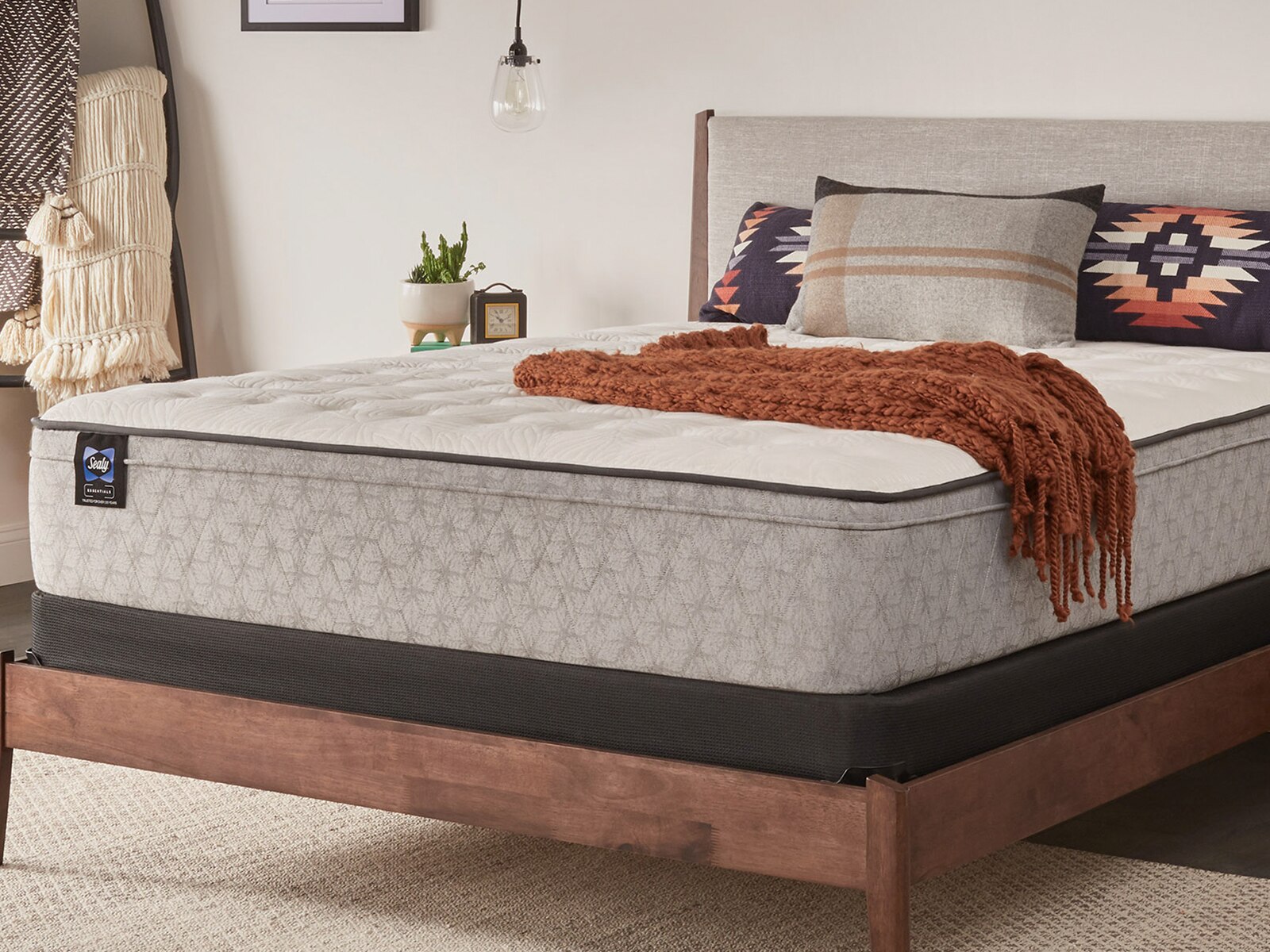
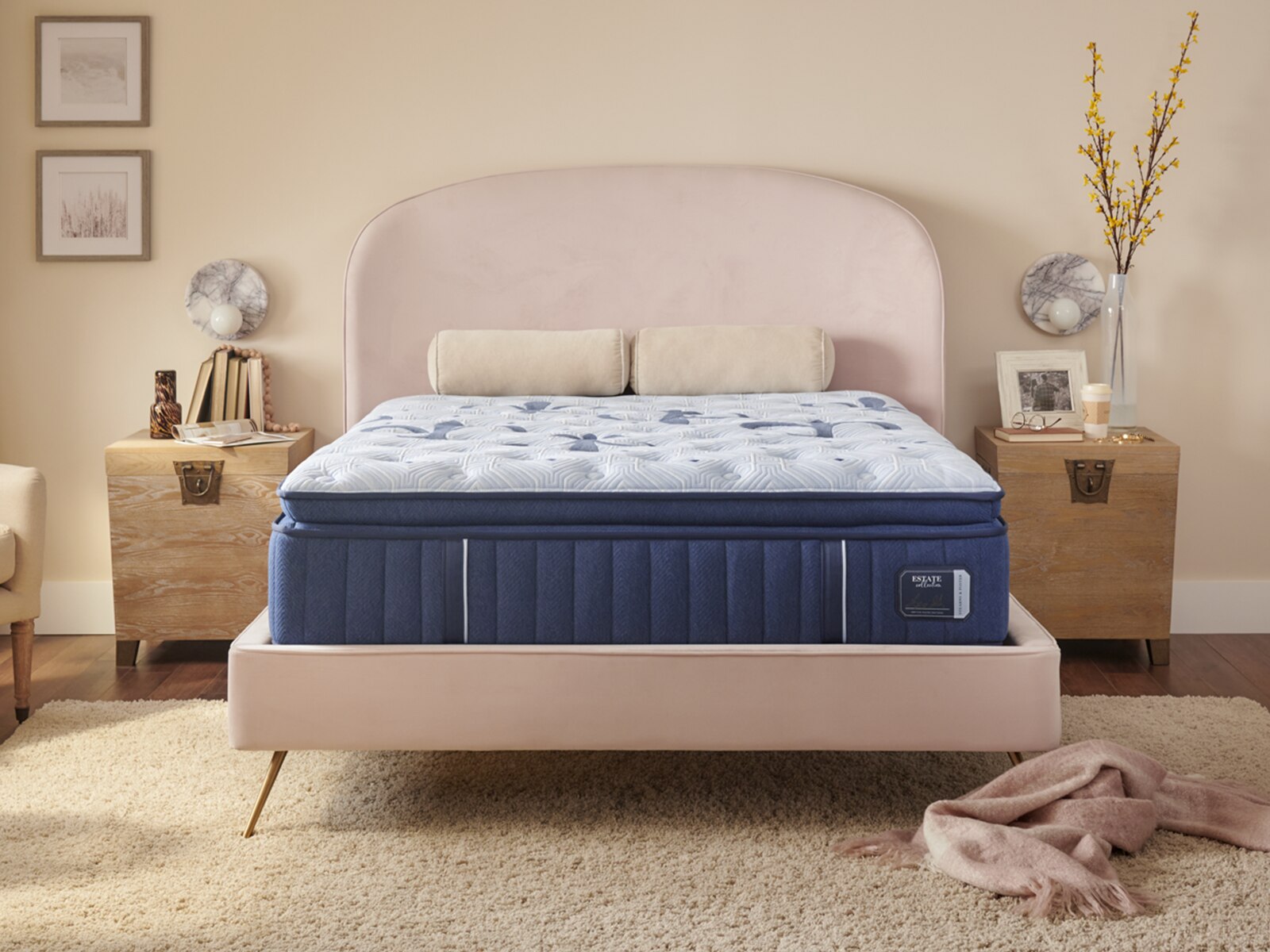
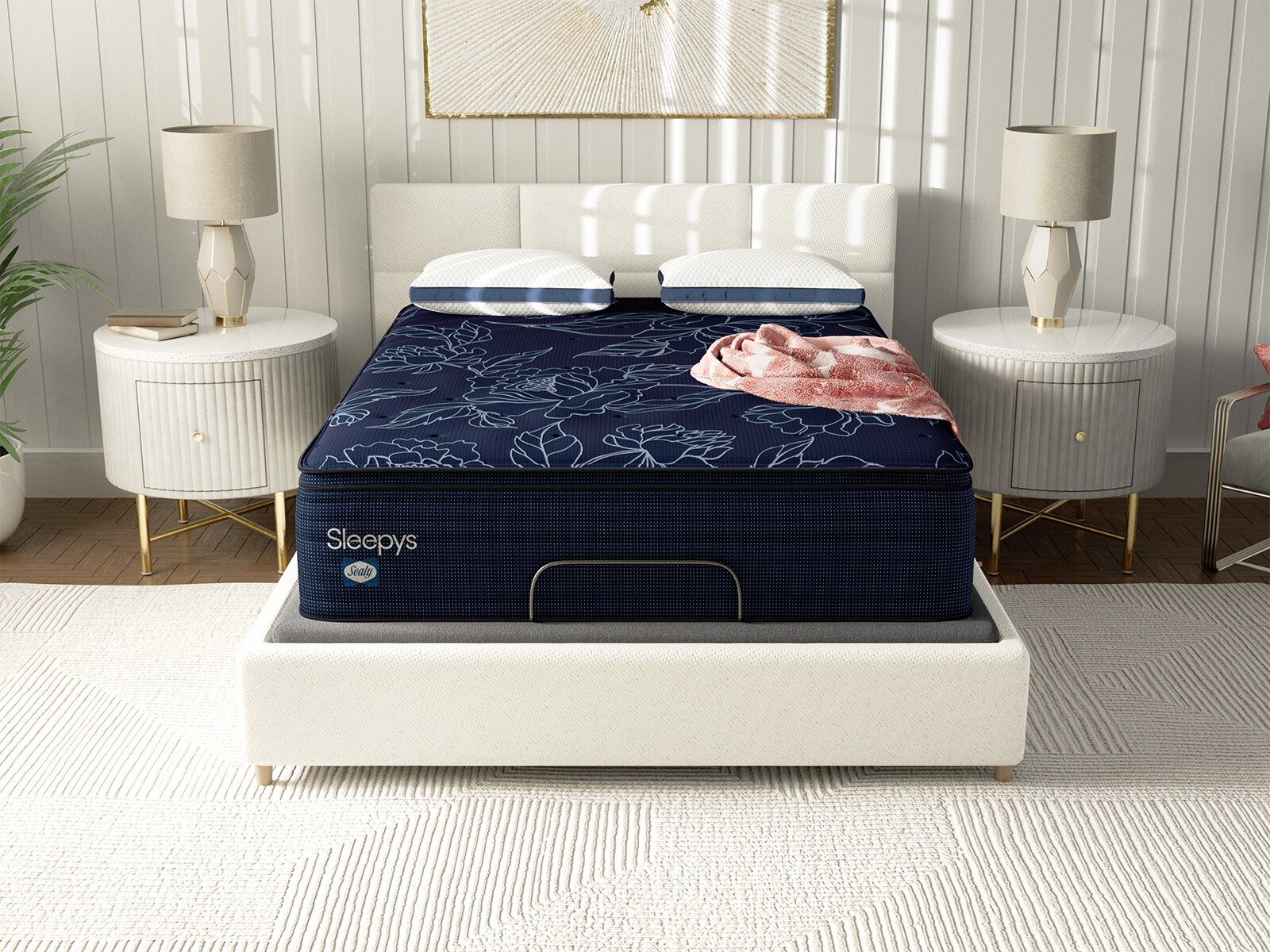
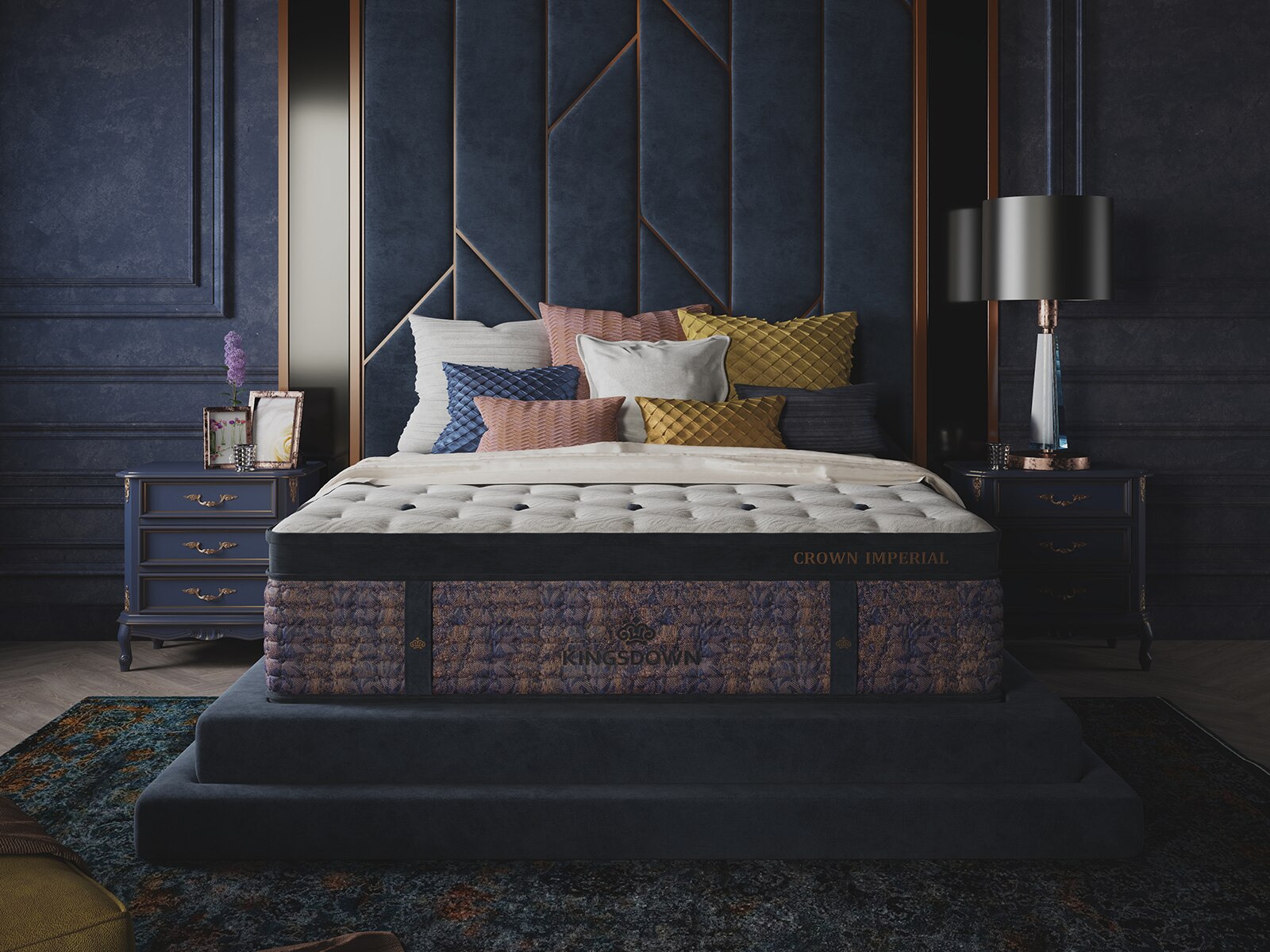
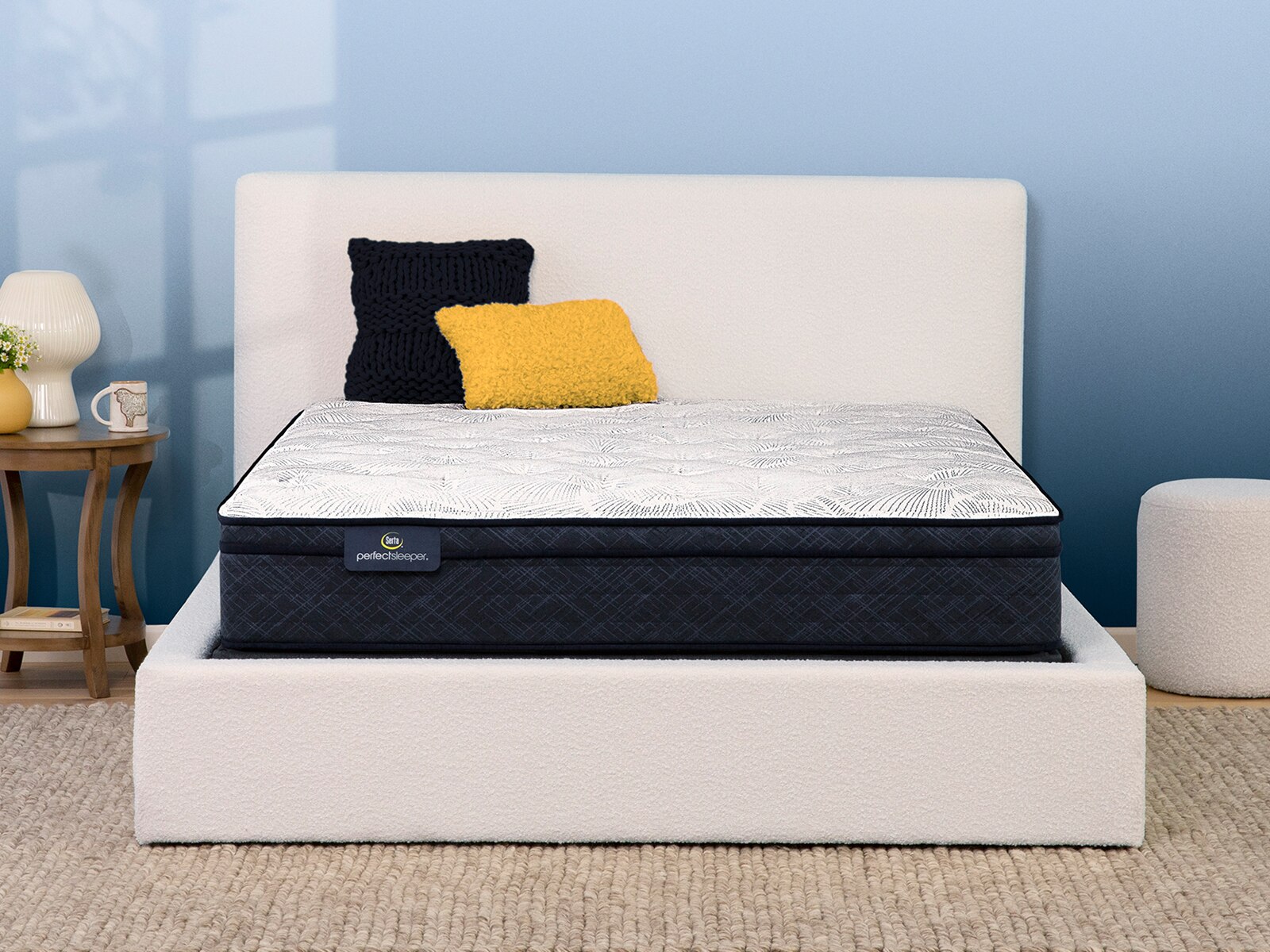
Euro top spring mattresses combine a cushioned upper layer with an innerspring support system, creating a sleep surface that can feel gently padded without losing the responsive feel of coils beneath it. The euro top is sewn into the mattress cover and extends to the edges for a flush profile. Unlike a traditional pillow top, which typically has a visibly separate cushion above the main mattress, a euro top has a more integrated appearance. This construction describes the way the upper layers are assembled, not a particular firmness level. A euro top spring mattress can feel plush, medium or firm depending on the cushioning materials, their thickness and the support system underneath. Common comfort materials include polyurethane foam, memory foam, latex and fiber padding. Memory foam tends to contour gradually around the body, while latex generally has a more buoyant feel and recovers more quickly when pressure is removed. Fiber padding can add a softly upholstered finish close to the surface. Beneath these layers, steel coils compress under weight and respond as the sleeper changes position. Some designs use interconnected springs, while others use individually wrapped coils that can respond more independently and help limit movement across the bed. Open space within a coil system also allows air to circulate through the mattress interior. The result depends on the whole construction: a thick comfort layer may soften the sensation of the springs, while a thinner or more resilient layer may make their responsiveness more noticeable. Coil count alone does not establish comfort or durability, since coil design, steel thickness, cushioning quality and the way the layers work together all matter. Reinforcement around the perimeter may provide a steadier edge, although edge support varies by design. For someone who enjoys a padded surface but dislikes feeling deeply enclosed by a mattress, this combination of upholstery and spring support offers a useful middle ground.
The right feel depends on how a sleeper’s body settles into those layers over the course of the night. Side sleepers often appreciate cushioning that lets the shoulder and hip sink in enough to reduce concentrated pressure without allowing the waist to dip excessively. Back sleepers may prefer a surface that follows the curve of the lower back while keeping the pelvis supported. Stomach sleepers generally need enough firmness beneath the torso to avoid sinking too deeply through the middle. Body weight also changes the experience: a lighter person may notice the top padding most, while a heavier person may compress it more fully and engage the coil system underneath. A plush label therefore does not describe exactly how a mattress will feel to every sleeper. For someone who rolls from side to back, responsive cushioning can make changing positions feel less effortful. For partners with different schedules, individually wrapped coils and motion-absorbing comfort layers may help soften the disturbance of one person getting up, though no spring construction eliminates movement completely. A couple who share a queen may also value usable space near the perimeter, particularly if either person tends to sleep close to an edge. In a smaller bedroom, a full may suit a single adult, while a Twin XL can provide extra length in a narrower footprint. King and California King sizes offer different proportions, so room dimensions and sleeping space both deserve attention. Mattress height matters as well: a deep euro top combined with a tall foundation can create a higher sleeping surface than expected. The overall height should make sitting down and standing up comfortable, and fitted sheets need pockets deep enough to accommodate the finished profile. For another perspective on surface cushioning,
euro top memory foam mattresses highlight a comfort material that can also appear in spring constructions. Reading the comfort-layer and support-core descriptions separately makes comparisons more meaningful than relying on the euro top label alone.
A euro top spring mattress performs best when its base supports the entire structure as intended. A platform, foundation or slatted frame should meet the mattress manufacturer’s requirements, including any limits on slat spacing and any need for center support. An adjustable base is suitable only when the mattress is designed for that use; having coils does not, by itself, establish compatibility. These details matter for an everyday bed as well as a guest bed, where a supportive, comfortable surface should accommodate overnight visits without complicated upkeep. A properly fitted mattress protector helps shield the upholstered top from spills and everyday buildup while preserving the feel of the cushioning. Its care label should guide washing, and the mattress itself should be cleaned only as directed by the manufacturer. Saturating foam or padding can leave moisture trapped inside, so spot cleaning generally calls for a restrained approach rather than soaking the fabric. Many euro top mattresses are built with comfort layers on just one side and should not be flipped. Head-to-foot rotation may help distribute wear when the manufacturer recommends it, but the correct schedule depends on the construction. Over time, upholstery can settle and cushioning can soften in the areas used most often. That gradual change is different from a damaged support system, and warranty terms typically distinguish normal impressions from qualifying defects. Durable construction depends on the quality of both the comfort layers and the coil unit, along with suitable support and consistent care. Thickness alone is not a reliable measure of longevity, nor does a deeply padded top automatically provide better pressure relief. The most useful match is a mattress whose cushioning feels comfortable in the sleeper’s usual position, whose support remains steady as weight shifts and whose dimensions work with the bed frame and bedding. Together, those qualities make a euro top spring mattress practical for nightly rest, from settling onto a softly upholstered surface to turning comfortably before morning.