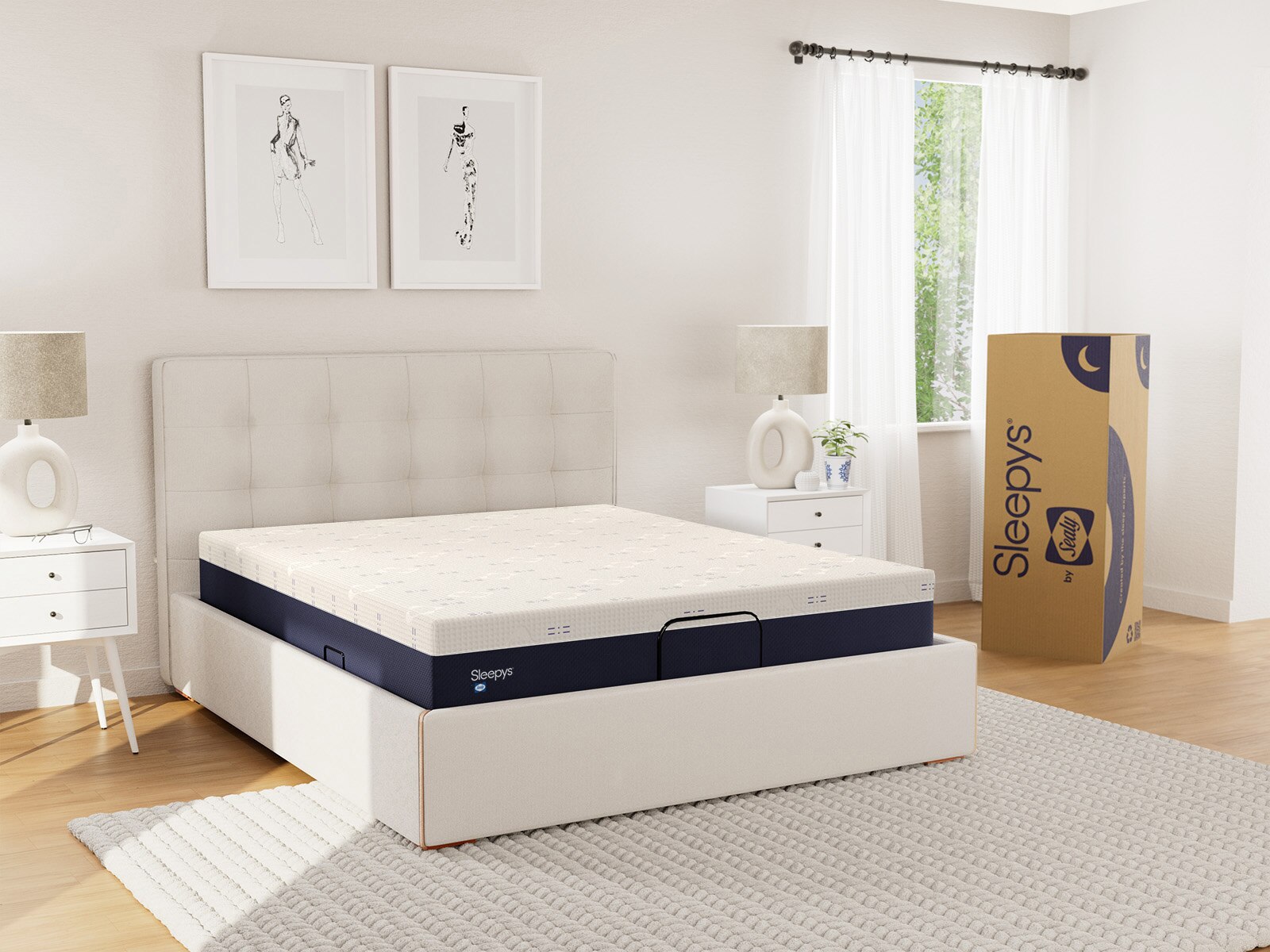
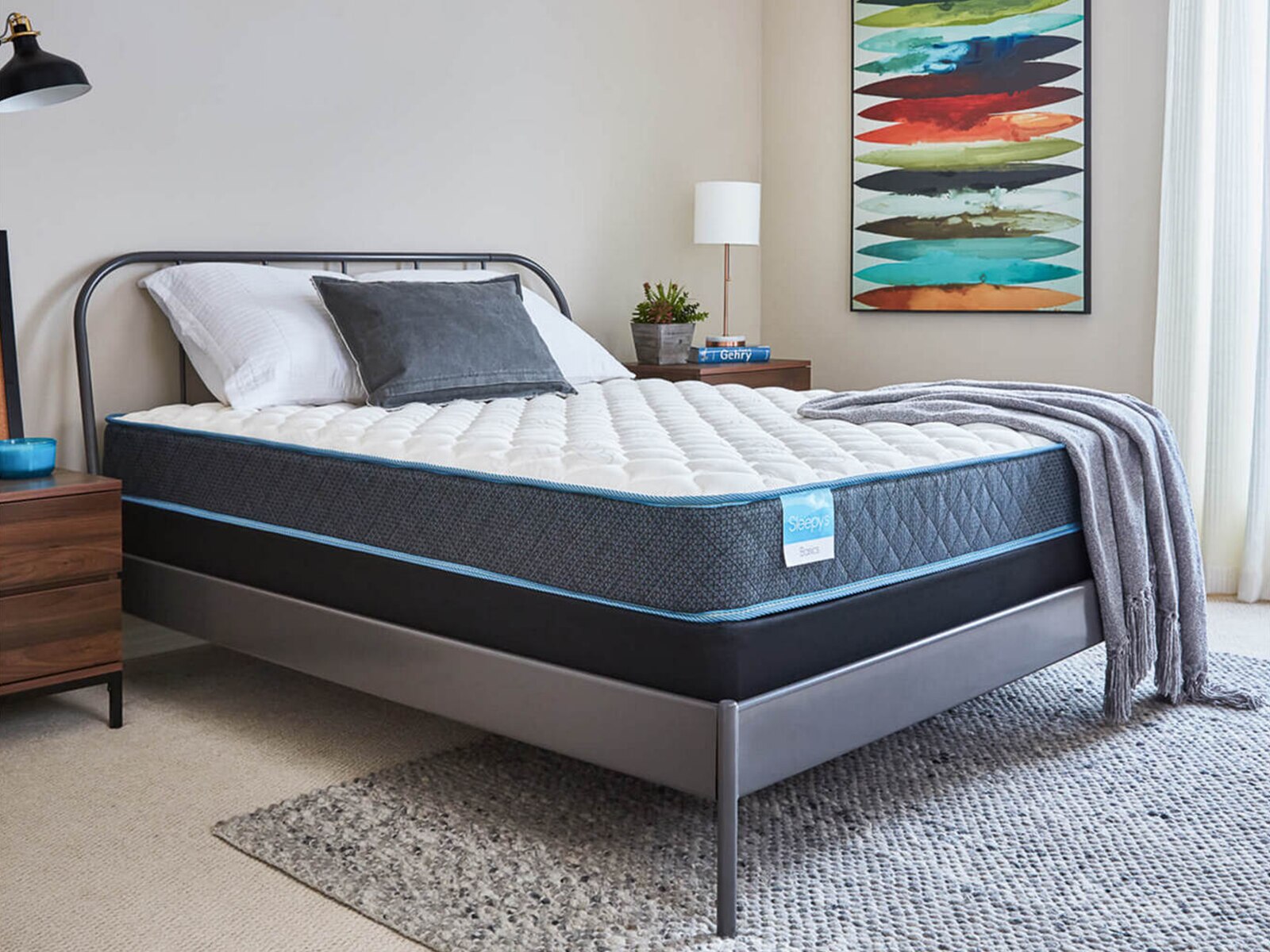
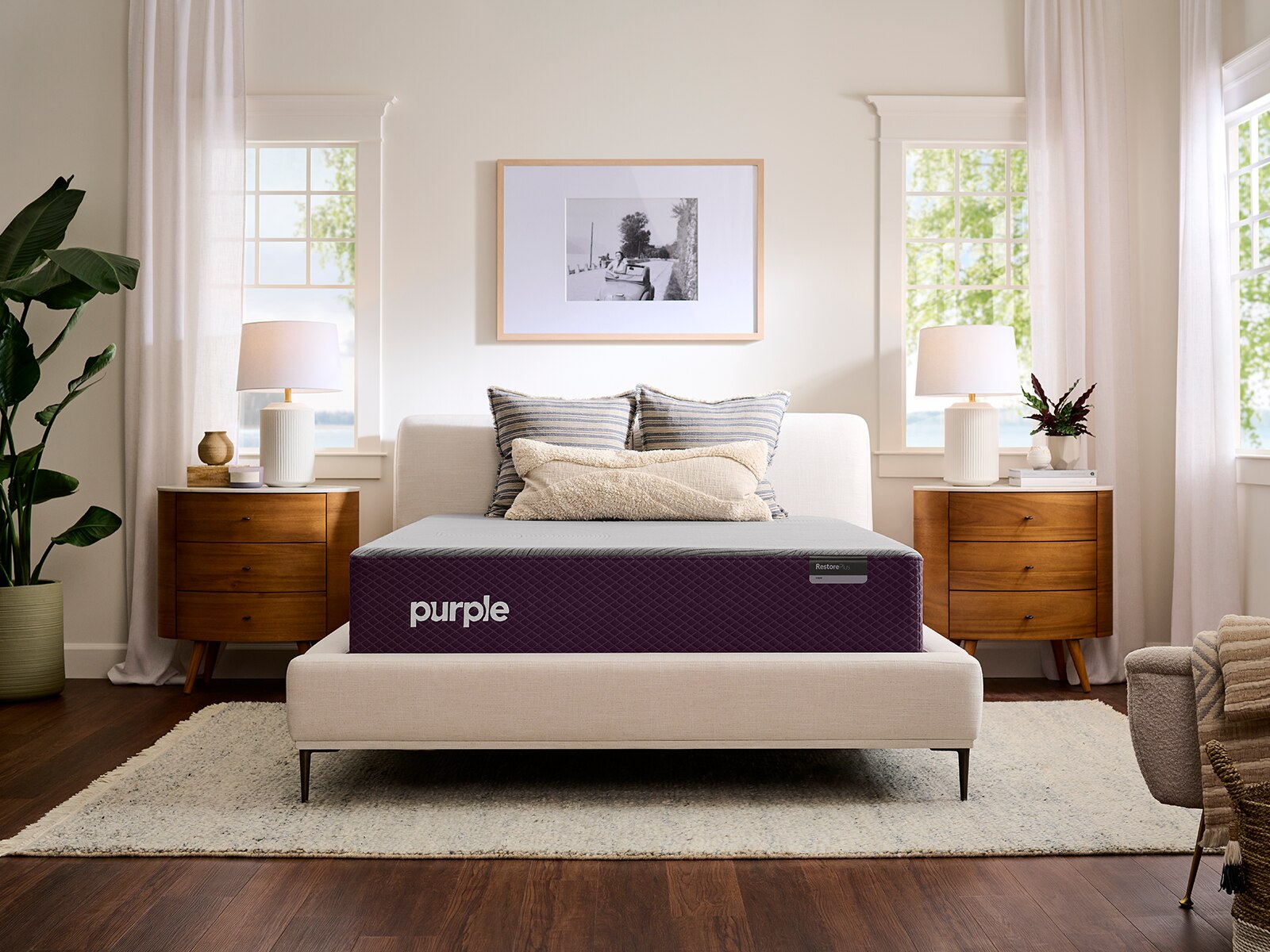
Full mattresses for college students offer extra room to stretch out without taking up as much floor space as a queen. A standard full mattress measures approximately 54 inches wide by 75 inches long, making it a practical choice for many off-campus bedrooms, shared apartments and college bedrooms at home. Compared with a Twin XL mattress, which typically measures 38 inches wide by 80 inches long, a full provides 16 additional inches of width but is five inches shorter. That difference matters for taller students, whose feet may reach the end of a full even though the sleeping surface feels spacious from side to side. A full generally gives one person comfortable room to change positions; two people may find its width restrictive for regular use. Room fit is just as important as mattress size. A bed that looks compact in an empty room can feel much larger once a desk, dresser and bookcase are in place. Measuring the floor area occupied by the entire bed frame—not just the mattress—helps account for a headboard, footboard or upholstered edges. Leaving space for a desk chair to pull out, closet doors to open and a clear path to the bedroom door makes a small room easier to live in. Many residence halls provide Twin XL beds, so a full mattress should not be assumed to fit an existing dorm frame. Housing rules may also limit changes to furnished beds. In an apartment, a compatible full-size platform or foundation gives the mattress the support its construction requires. Slat spacing, center support and foundation requirements vary, so the mattress and frame specifications should agree. Mattress thickness also affects the finished bed height and sheet fit, especially when a protector or topper adds depth. For a student moving from a narrow dorm bed into a first apartment, these details help turn added sleeping space into a setup that still leaves room for studying, getting dressed and everyday routines.
Comfort in a college mattress comes from the relationship between the support system, comfort layers and the person sleeping on it. All-foam mattresses often provide a close-contouring feel, with memory foam responding gradually as the sleeper settles in. Other foams feel more responsive, allowing easier movement across the surface. Innerspring mattresses use a coil-based support system, while hybrids combine coils with layers of foam, latex or other cushioning materials. Latex generally has a buoyant, resilient feel that may appeal to someone who prefers less of a sinking sensation. These categories describe construction, not a guaranteed comfort level: an all-foam mattress can feel firm, and a hybrid can feel plush. Side sleepers often appreciate cushioning around the shoulders and hips, while back and stomach sleepers may prefer a surface that limits excessive sinking through the middle. Body size and personal preference affect those needs, so a medium-firm feel is not automatically the best choice for every student. Pressure relief and support serve different purposes. Cushioning helps distribute contact pressure, while the underlying structure helps keep the body supported through the night. A surface that feels soft at first touch may still have a sturdy support core underneath. Edge support is another useful consideration in a compact bedroom, especially for someone who sits on the side of the bed to put on shoes. It can also affect how secure the perimeter feels when sleeping near the edge. For students who share a mattress, motion isolation may reduce the movement felt when another person changes position, although it does not create additional sleeping width. Durability depends on material quality, construction, use and proper support rather than thickness alone. Within the same type of foam, density can help inform durability, but it is not the same measurement as firmness. A well-matched mattress should accommodate ordinary nights of sleep, not simply feel inviting during a brief sit on the edge.
College living also puts practical demands on a mattress, from move-in day to the occasional spilled drink. Delivery access matters in buildings with narrow staircases, tight landings or small elevators. A compressed mattress in a box can simplify the initial trip through some spaces, but package dimensions and weight still need to suit the route and the people carrying it. Once expanded, that same mattress may be much less compact for the next move. Unpacking and expansion instructions vary, so allowing the time specified by the manufacturer helps avoid planning a first night around a mattress that is not ready for use. Ongoing care is usually straightforward when it follows the mattress care label. A washable mattress protector can help shield the surface from spills and everyday moisture, while regularly cleaned sheets keep the sleeping area fresh. A removable cover should only be washed if its instructions permit it; a zipper alone does not establish that the cover is washable. Spot cleaning should use the recommended method without soaking the mattress, and any damp area should dry completely before bedding goes back on. The right base supports the mattress and allows the airflow required by its design. Rotation may help distribute wear when recommended, but many mattresses have a designated sleeping side and should not be flipped. During a move, a protective cover helps keep the surface clean, and bending or folding should follow the manufacturer’s guidance rather than the shape of the stairwell. For a family member choosing a mattress as a gift, confirming the student’s room dimensions, preferred feel and existing frame makes the gesture more useful than guessing from size alone. The
Quality mattress for college students collection provides another way to explore options for student living. Whether the bed belongs in a first apartment or a bedroom used throughout college, the most useful full mattress is one that fits the space, feels comfortable night after night and is manageable to care for between moves.