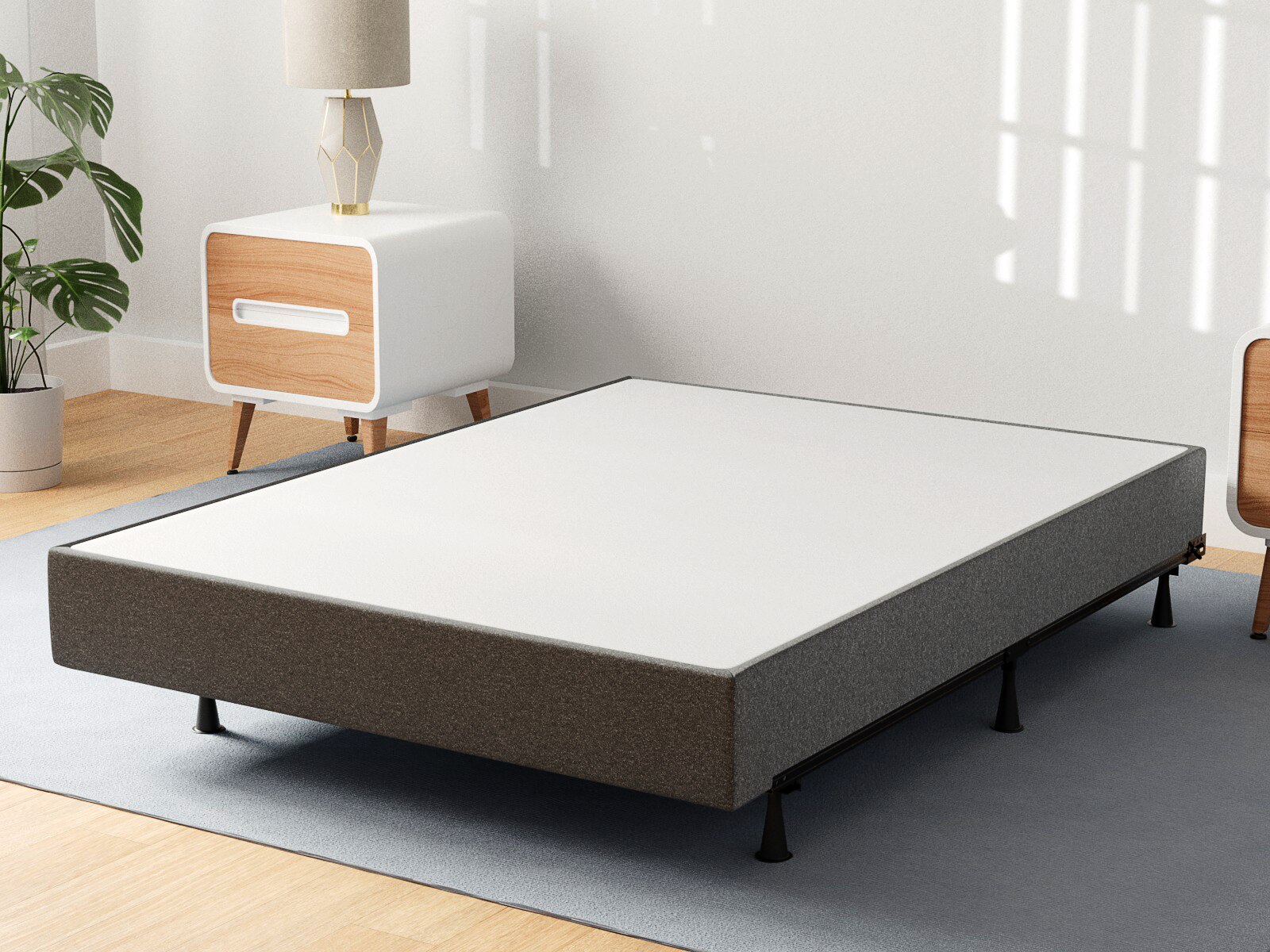
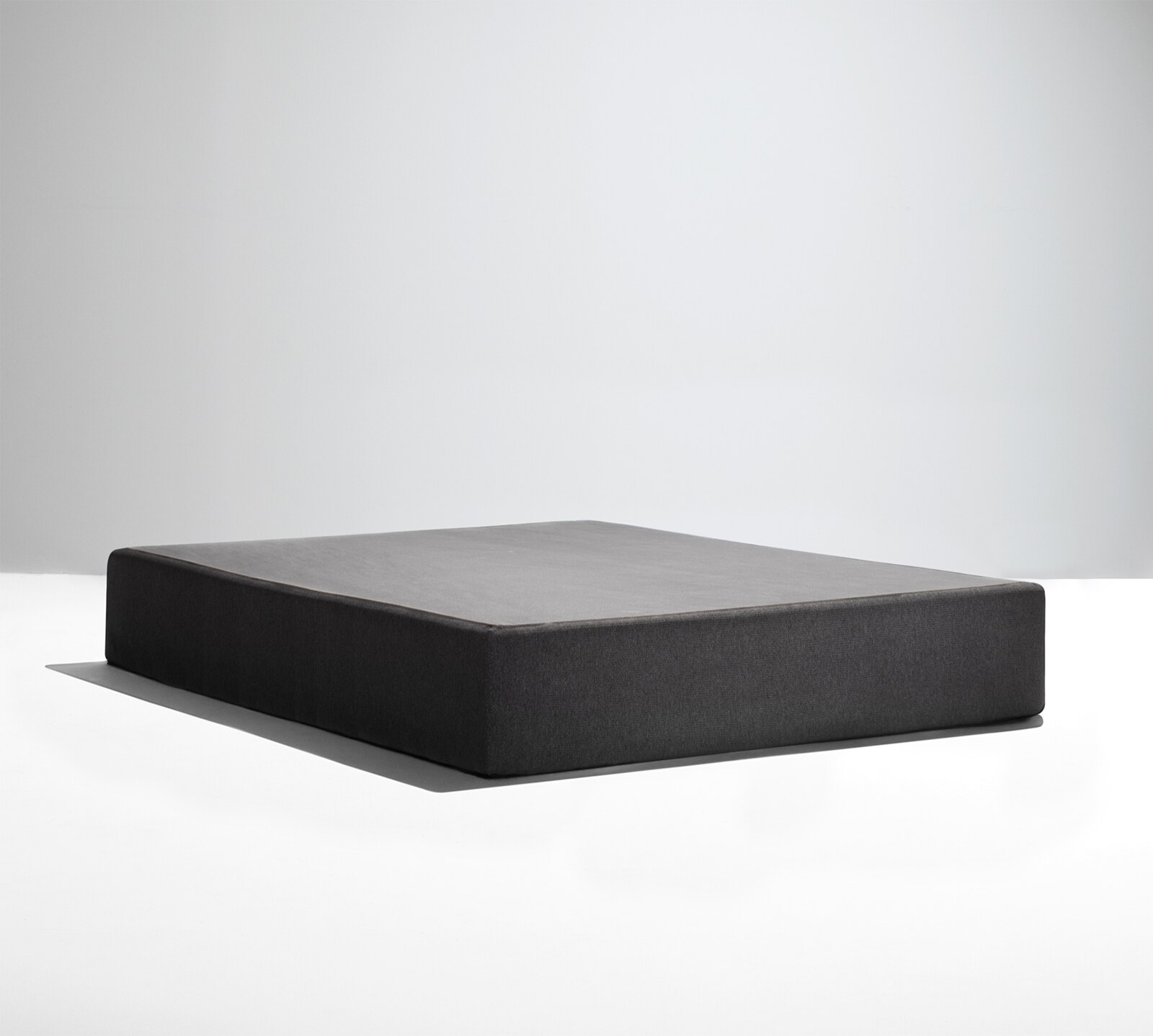
Full size box springs provide a supportive base beneath a compatible full mattress, making them a practical part of summer home improvement projects in guest rooms, vacation homes and everyday bedrooms. They typically measure about 53 to 54 inches wide by 75 inches long, although exact dimensions vary by manufacturer. That footprint suits many smaller bedrooms, where a bed needs to feel welcoming without taking over the space between a dresser, closet and bedside table. A full size setup can work well for a single adult, a teenager moving into a larger bed or overnight guests who appreciate more sleeping space than a twin provides. The term “box spring” is sometimes used broadly, but the construction underneath the cover matters: a traditional box spring contains springs designed to flex, while a foundation generally uses a more rigid wood or metal support structure. These bases are not automatically interchangeable. Many foam and hybrid mattresses require a solid surface or closely spaced supports rather than a flexible traditional box spring, so the mattress manufacturer’s support requirements should determine the match. A suitable foundation helps distribute weight across the intended support surface and holds the mattress at a useful height; it does not repair a worn mattress or guarantee a particular comfort level. Materials can include wood framing, steel components and fabric coverings, with durability depending on construction quality, load capacity and the frame beneath the foundation. For a summer bedroom refresh, that hidden structure deserves as much attention as the visible bedding. A crisp quilt and freshly painted walls can change the look of a room, but a stable, properly fitted bed base contributes to how the room functions when someone settles in for the night. In a frequently used bedroom, dependable support matters every day. In a vacation home, it matters just as much when the bed sits unused between visits and then needs to accommodate a weekend guest.
Fit involves more than matching the word “full” on the mattress and foundation. The foundation’s actual length and width need to suit both the mattress and the interior dimensions of the bed frame, including any rails, ledges or brackets that hold it in place. A frame that is too wide can allow movement, while one that is too narrow may prevent the base from sitting securely. Some bed designs already provide the support a compatible mattress needs, making an additional foundation unnecessary; others depend on a separate base and may require center support with legs that reach the floor. The complete support arrangement should follow the requirements for the mattress, foundation and frame. Height also changes the experience of using the bed. A lower-profile foundation can keep a thick mattress from making the sleeping surface awkwardly high, while a taller foundation may suit a lower frame or someone who prefers a higher seat when getting dressed. Neither profile is inherently more supportive simply because of its height. The relevant measurement is the finished distance from the floor to the top of the mattress, considered alongside the height of nearby furniture and the needs of the person using the room. Picture a guest sitting on the edge to put on shoes: the bed should feel manageable rather than require an uncomfortable climb or drop. Access through the home deserves similar attention. A full size foundation is broad and relatively rigid, so a narrow hallway, a sharp stairway turn or a low doorway can complicate an otherwise straightforward bedroom update. Comparing its packaged dimensions with the route into the room helps prevent surprises. Weight capacity is another practical consideration, particularly in a shared bed, because the supporting structure must accommodate the mattress and sleepers within its stated limits. These details help connect a room’s refreshed appearance with a bed setup that feels thoughtfully planned.
Care for a full size box spring or foundation is usually straightforward, but the construction and covering determine the appropriate routine. Following the manufacturer’s care instructions helps protect fabric, internal components and any applicable warranty coverage. Light surface vacuuming with a suitable upholstery attachment can remove dust from accessible fabric, while spills generally call for prompt attention using only approved cleaning methods. Saturating a fabric-covered foundation can introduce moisture into materials that are difficult to dry, so cleaning should be controlled rather than excessive. In a summer home that may be closed between visits, addressing leaks, dampness or poor ventilation helps protect the bed’s supporting components as well as the rest of the room. A foundation should remain on a suitable, stable frame instead of being placed where it can absorb moisture from a damp floor. Moving and rearranging furniture can also reveal problems that bedding normally hides: a cracked wood rail, bent metal section, loose connection or visibly uneven surface deserves attention before the bed returns to regular use. Squeaking does not always originate inside the foundation; connections between the frame, headboard and support legs can also contribute, so identifying the source is more useful than assuming the mattress is responsible. Longevity depends on appropriate support, careful handling and use within the stated load limits, rather than appearance alone. Coordinating more than one bedroom may also involve different mattress sizes and access needs. For a separate queen-size room with a tight stairway or doorway,
Split Queen Box Spring For Summer Home Improvement provides a related category to explore; queen-size components are not a substitute for a correctly fitted full size foundation. Whether the project centers on a guest room, a teenager’s bedroom or a vacation retreat, the most useful foundation is one that matches the mattress, fits the frame and accommodates the people who will use the bed. That practical match supports a finished room that is comfortable to use, easy to maintain and ready for everyday routines or overnight visits.