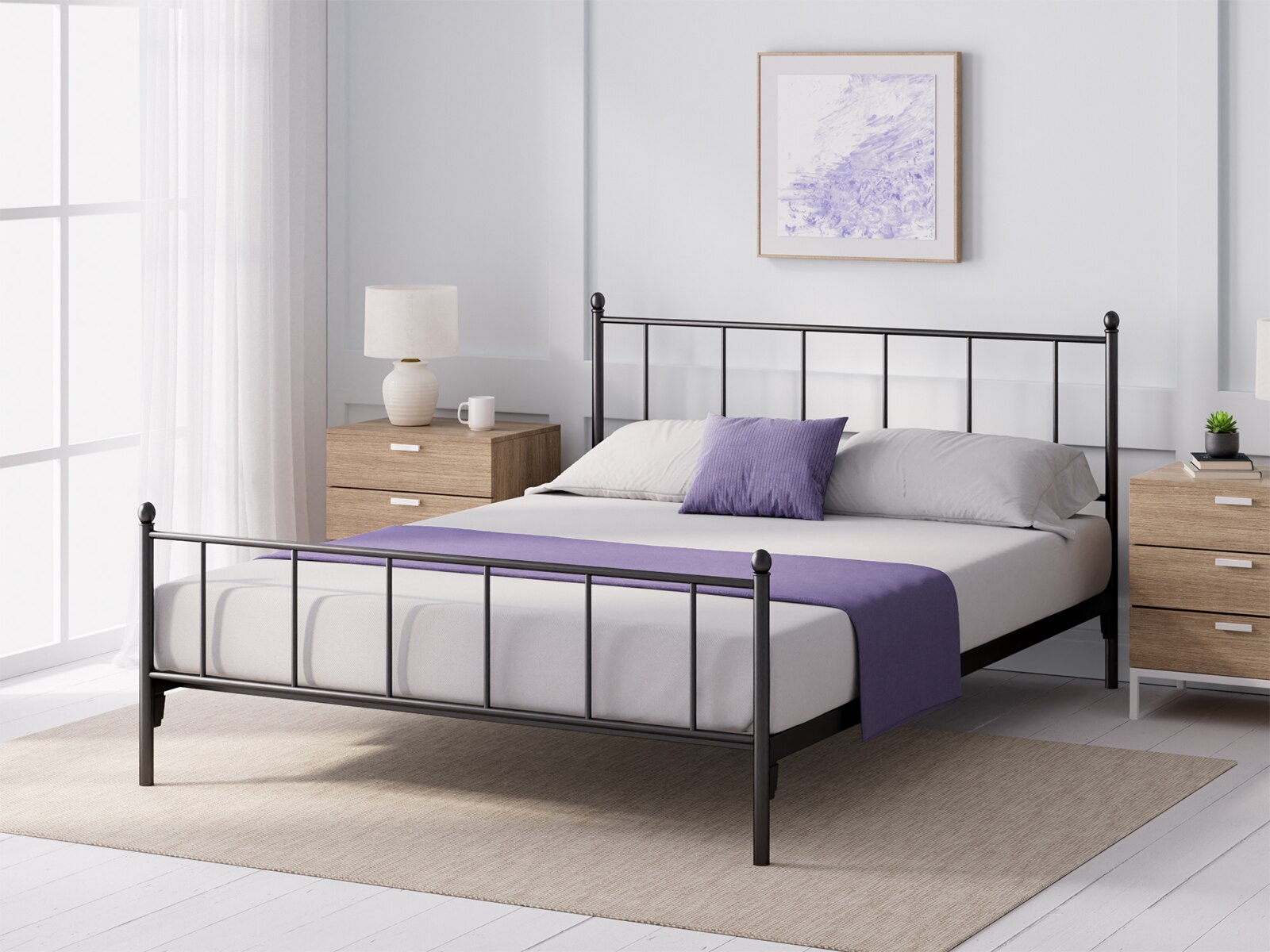
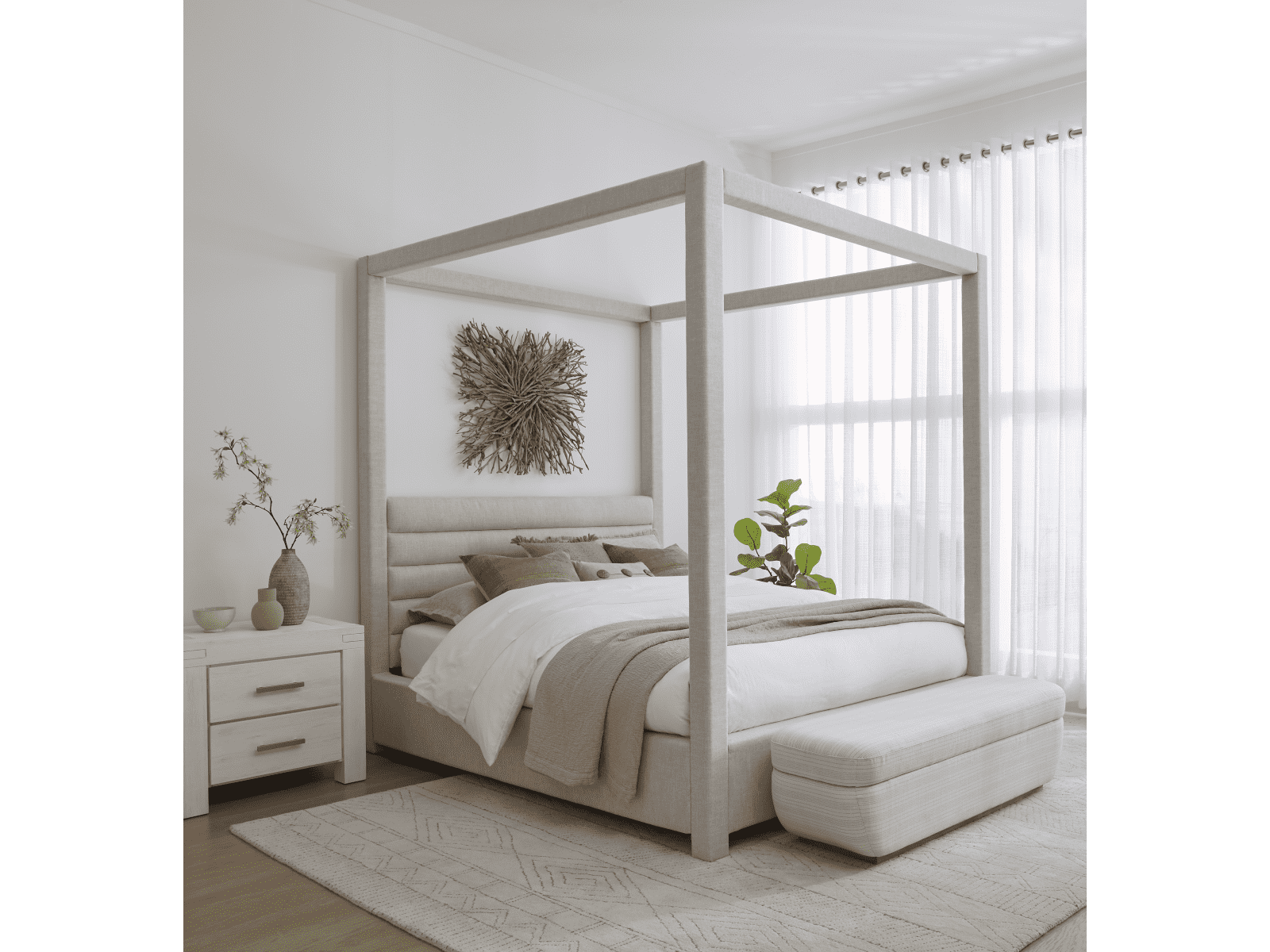
Full size furniture helps a bedroom feel complete without requiring the footprint of a larger bed. Centered around a mattress that measures approximately 54 inches wide by 75 inches long, this furniture size can suit a teen’s room, a guest bedroom or an adult’s personal sleep space. It gives a solo sleeper more room to stretch out than a twin while leaving more floor space than a queen or king typically would. The surrounding furniture determines how comfortably that space works throughout the day. A low-profile frame can keep a smaller room feeling open, while a taller headboard gives the bed a more defined presence against a broad wall. In a bedroom that also holds a desk, a full-size bed may help preserve a separate spot for studying, reading or getting ready. The mattress dimensions are only the starting point, though. Upholstered rails, a substantial footboard or a wide headboard can extend the overall footprint several inches beyond the sleep surface. Measure the complete bed dimensions against the room, including the path from the doorway, the swing of closet doors and the space needed to pull out dresser drawers. A storage bed needs clearance for its drawers, just as a nightstand needs enough room for its cabinet door to open. Outlining the intended footprint on the floor with removable tape can make those relationships easier to picture before furniture is moved into place. Consider height as carefully as width: the combined height of the frame, any required foundation and the mattress affects how easily someone can sit down or stand up. A bedside surface near mattress height keeps a book, glasses or a glass of water within comfortable reach. For two adults sharing a full-size bed, the narrower sleep surface deserves particular attention; room fit and personal sleep space both matter. The best arrangement balances a bed that feels comfortable to use with clear, practical routes around it.
Construction and mattress compatibility matter just as much as appearance when choosing full size furniture. Wood, metal and upholstered designs each bring a distinct look, but durability depends on the complete structure rather than the material name alone. Well-fitted joints, secure hardware and properly supported rails help a frame remain steady through everyday use. Solid wood can show natural variations in grain, while engineered wood can provide a consistent surface and support a range of finishes. Metal frames may have slim rails that take up less visual space, although their support layout and connection points still deserve a close look. Upholstered furniture softens the appearance of the bed and can provide a cushioned surface behind pillows, with fabric texture influencing how the piece feels within the room. A tightly woven fabric may behave differently from a pronounced looped texture around pets or frequently handled bedding, so care requirements and household habits should be part of the decision. Beneath those finishes, the support system needs to match the mattress manufacturer’s requirements. Some mattresses require a compatible foundation, while others can rest on an appropriate platform or slatted base. Slat spacing, center support and weight capacity should be checked rather than assumed, and the stated capacity may include the mattress as well as the people using the bed. A headboard labeled for a full-size bed also needs compatible mounting hardware and an appropriate width for the frame. If an adjustable base is part of the setup, confirm that the surrounding furniture allows the necessary movement and clearance. Storage features bring another layer of function: drawers can hold folded linens or clothing, while an open area beneath the bed can accommodate low storage containers if the usable height allows. Measure that clear space beneath the rails, not simply the distance from the floor to the top of the frame. These details help distinguish furniture that looks suitable in a photograph from furniture that fits the mattress, the room and the way the bed will be used.
A coordinated bedroom does not need every surface to match exactly. Full size furniture can anchor a room through shared proportions, repeated finishes or a consistent shape, leaving room for personal details. A wood bed with visible grain can sit comfortably beside a simpler painted nightstand, while a fabric headboard can add texture to a room with smooth drawer fronts and plain walls. Practical habits often point toward the most useful arrangement. Someone who reads before sleep may appreciate enough bedside surface for a lamp and a book; an overnight guest may need a clear spot for a phone and personal belongings. In a teen’s room, accessible drawers and an uncomplicated layout can make daily tidying easier. Furniture intended as a gift deserves the same attention to measurements and preferences, particularly when the recipient already has a mattress or other bedroom pieces. Full size furniture may also remain useful as a room’s purpose changes, such as when a personal bedroom becomes a guest space. Care helps preserve both its appearance and function. Dust finished wood and metal with a soft cloth, wipe up spills promptly and use cleaning methods approved for the surface. Upholstery may call for gentle vacuuming or a particular spot-cleaning method, so check its care instructions before applying water or cleaner. Avoid dragging an assembled bed across the floor, since that can strain joints and damage flooring; follow the manufacturer’s directions for moving and reassembly instead. Periodically inspect connections and tighten hardware as directed, especially after a move. Dressers and other furniture should be secured with any required anchoring hardware according to their instructions. When a room needs a broader sleep surface and has the space to accommodate it, the
King Size Furniture collection provides another size to consider. For a full-size arrangement, thoughtful measurements, compatible support and manageable care requirements help create a bedroom that feels settled, comfortable and easy to use.