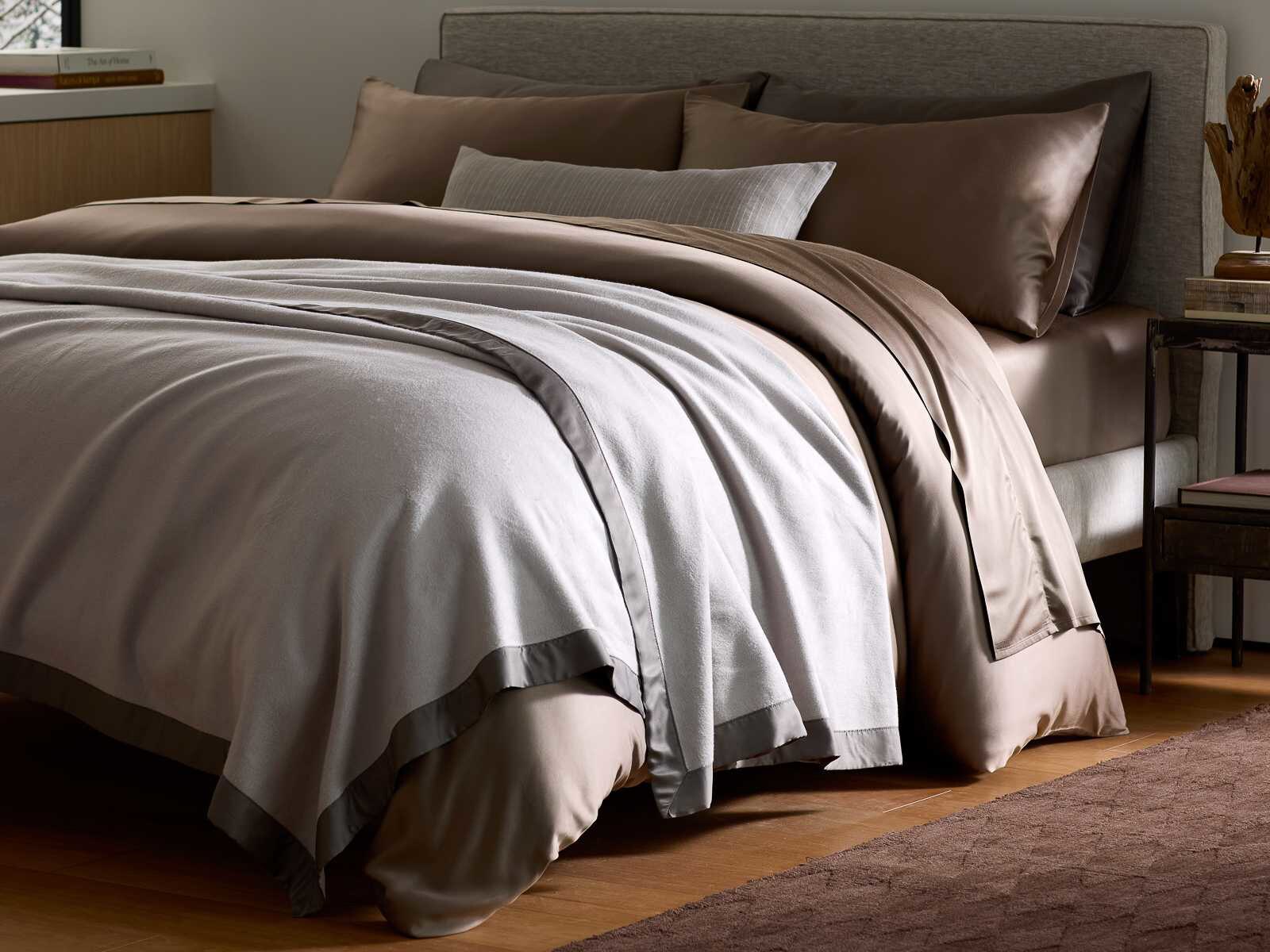
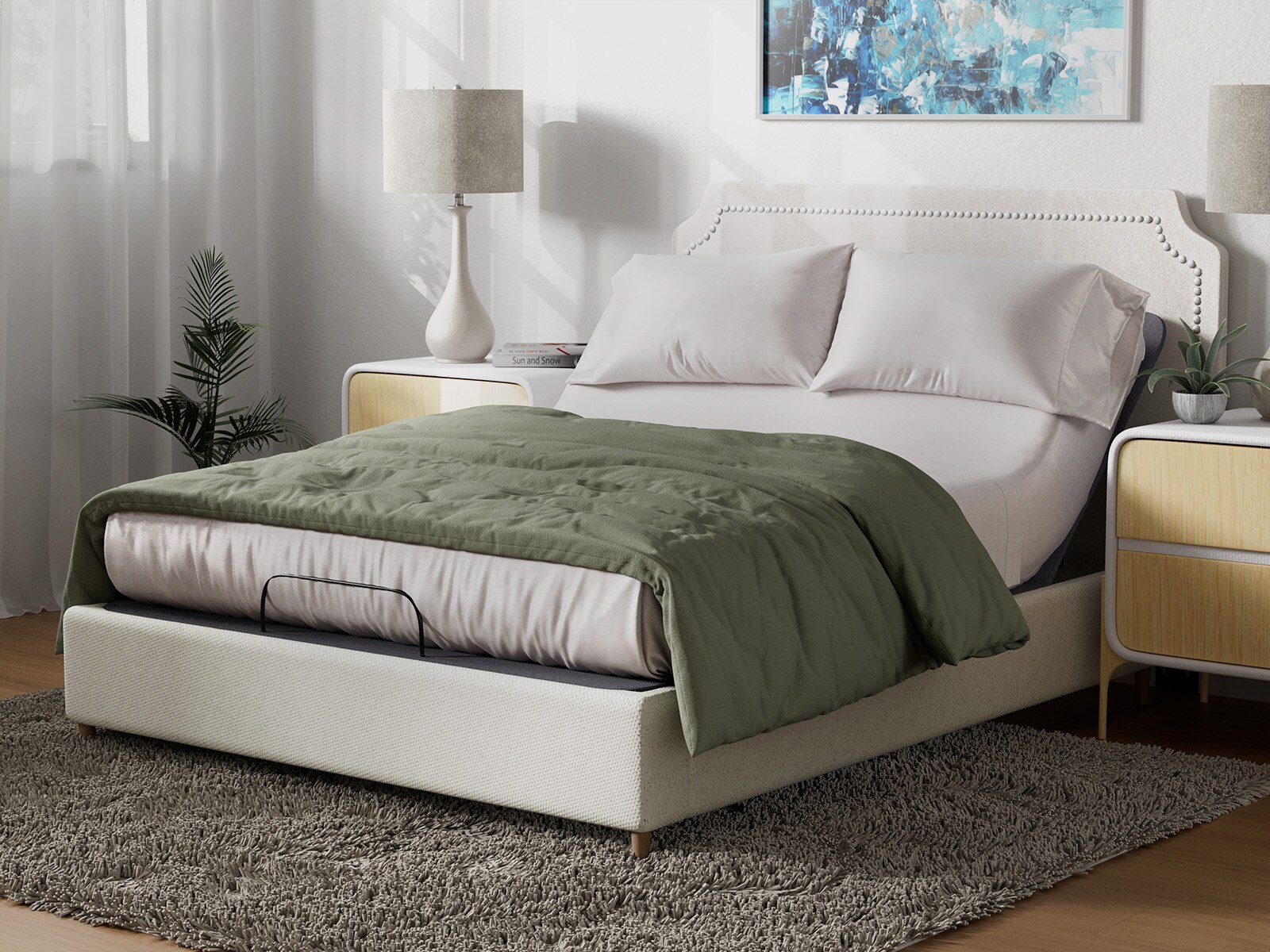
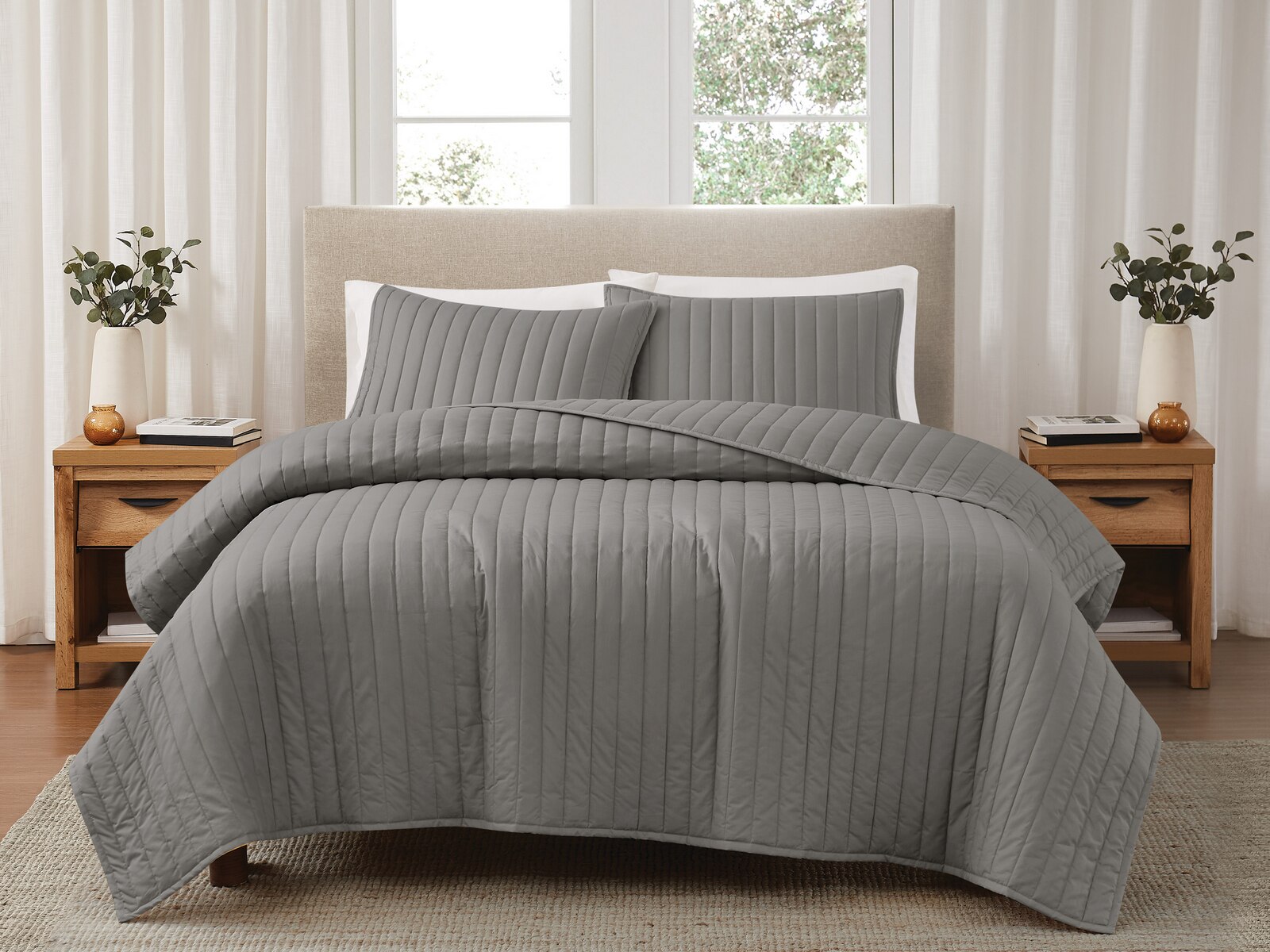
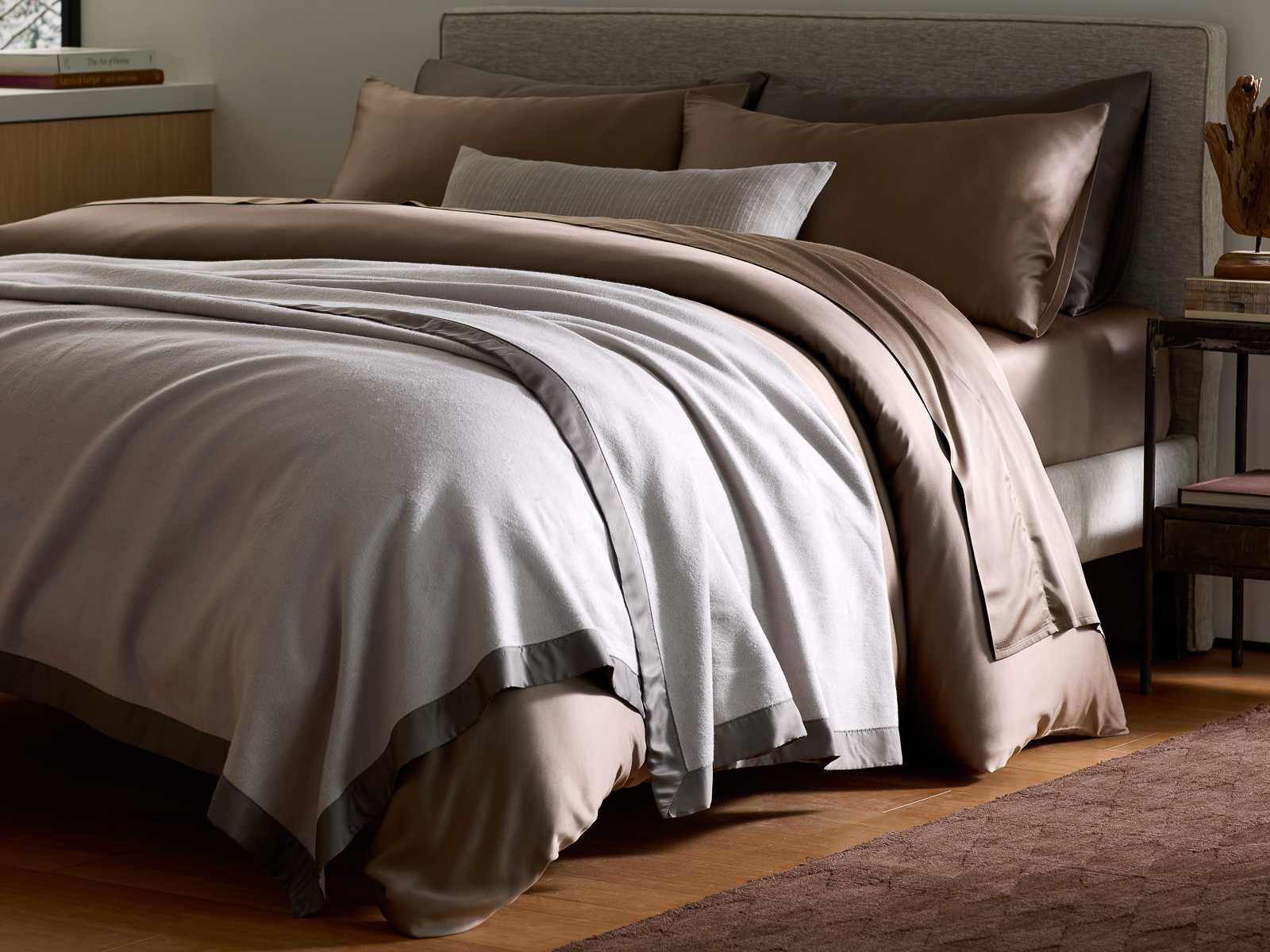
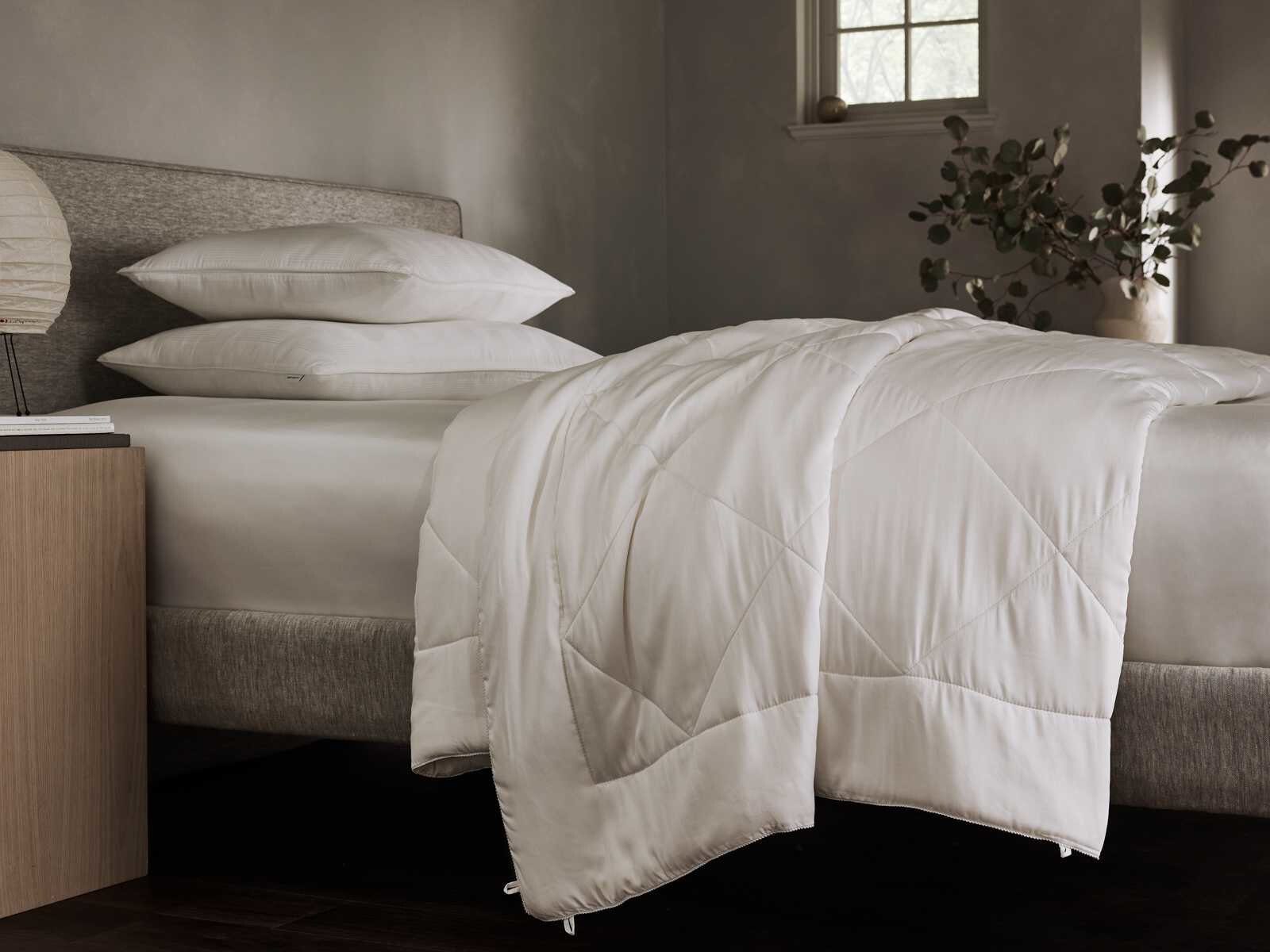
Gray Twin XL blankets bring a versatile neutral color to bedding sized for an extra-long twin mattress, making them a practical choice for college bedrooms, teen rooms and guest spaces. A Twin XL mattress typically measures 38 inches wide by 80 inches long, but a blanket needs additional fabric to extend over the sides and cover the foot of the bed. Measurements around 66 by 94 inches or 68 by 90 inches provide different proportions of side coverage and length; the dimensions on the label matter more than the size name alone. A thicker mattress takes up more of that coverage, especially when the blanket sits over a substantial comforter or mattress topper. On a bed positioned against a wall, some extra width can make it easier to tuck one side securely while leaving the other side loose. An open bed frame may look more balanced with an even drape on both sides. The extra length is particularly useful for taller sleepers who find a standard twin blanket stops short when pulled up toward the shoulders. Gray also works comfortably with a wide range of bedding, from crisp white sheets to navy pillowcases and textured beige cushions. A pale gray blanket can keep a compact bedroom looking light, while charcoal creates a stronger outline against a white bed frame. Medium gray provides a middle ground that pairs with both patterned and solid bedding. For a split king setup made with two Twin XL mattresses, separate blankets let each sleeper choose a preferred fabric and weight without sharing a single layer. The most useful fit leaves enough room to move beneath the blanket without excessive fabric gathering on the floor or around the bed frame. For adjustable bases, a little freedom around the edges also helps the bedding move with the mattress rather than pulling tightly across it.
Fabric and construction shape how a gray Twin XL blanket feels in everyday use. Polyester fleece usually has a soft, brushed surface and a flexible drape, making it easy to fold at the foot of a bed or pull across a reading chair. Velvet-style plush has a smoother pile that catches the light, so the same gray shade may look lighter or darker depending on which direction the fibers lie. A fleece blanket with a sherpa-style reverse offers two distinct textures: a smoother face for a tidy finish and a more deeply textured underside against the body. Cotton blankets generally have a less fluffy feel, with woven, waffle or knit structures that give the surface visible detail. An open weave allows more airflow, while a tighter weave creates a more continuous layer. Fiber content alone does not determine weight, softness or durability; fabric density, finishing and construction matter, too. A thin plush blanket may feel lighter in the hand than a substantial cotton weave, so texture and fabric weight are useful considerations alongside the material name. Bound edges, consistent stitching and neatly finished corners are worth attention because these areas receive repeated pulling during bed making and laundering. For a bedroom shared with a pet, a close weave may be easier to manage than a loose knit that can catch on claws. Care requirements also affect how well a blanket fits into daily routines. Machine-washable construction can be convenient in a college room or frequently used guest room, but the care label remains the best source for wash settings, drying instructions and any restrictions. Overloading a washer can limit movement and rinsing, especially with a bulky blanket. Excessive dryer heat may affect some synthetic textures or contribute to shrinkage in certain fabrics. Following the recommended care method, fastening nearby garment hooks and avoiding laundry loads with rough hardware can help protect the surface. Thorough drying before folding is important for storage, and a blanket that fits comfortably in the household washer is often easier to care for consistently.
The appeal of a gray Twin XL blanket extends beyond matching the mattress dimensions. It can serve as the main visible bedding layer over sheets, sit beneath a comforter or remain folded within reach for reading and relaxing. In a small bedroom, that flexibility helps one piece of bedding earn its place without adding visual clutter. A smooth solid gray surface lets patterned sheets stand out, while a ribbed or waffle texture adds depth when the rest of the bed is simple. The undertone makes a difference: gray with a blue cast pairs naturally with navy and bright white, while gray with a brown cast sits comfortably beside cream, beige and natural wood. Looking at the blanket beside existing bedding in the room’s usual lighting helps reveal those differences. Dark charcoal may show pale lint or pet hair more clearly, while very light gray can make everyday marks more noticeable. A medium shade can be a useful compromise, though no color replaces regular care. For households coordinating several sleeping spaces, the
Gray Luxury Blankets collection offers a related place to explore the color across other bedding needs. A gray Twin XL blanket can also make a thoughtful gift for a student moving into a residence hall, a teenager moving to a longer bed or someone furnishing a guest room. Confirming the mattress size and the recipient’s laundry setup makes the gift more useful than choosing by appearance alone. Someone carrying bedding to a shared laundry room may appreciate a lighter, less bulky fabric, while a person who enjoys a substantial drape may prefer a denser construction. For a bed used by different overnight guests, straightforward care and a broadly compatible shade simplify bedding changes. The right combination of length, texture and manageable care gives the blanket a clear role, whether it stays neatly tucked across the mattress or becomes the familiar layer reached for at the end of a full day.