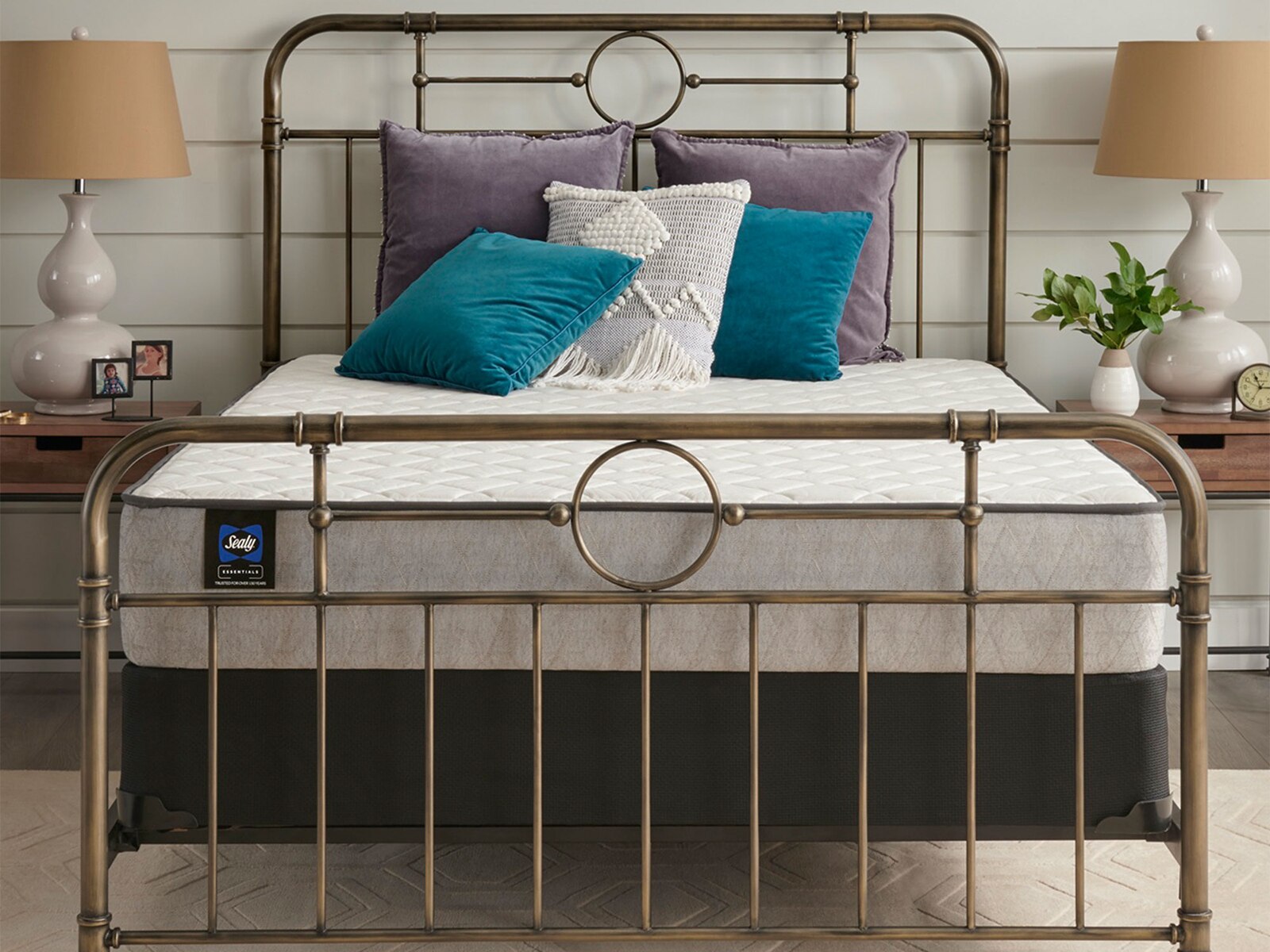
Guest room toppers are removable cushioning layers that sit above a mattress to adjust its surface feel, adding softness or gentle contouring without changing the entire bed. They are especially useful when a guest mattress is still supportive but feels firmer than visitors prefer. A thoughtfully matched topper can make an overnight stay more comfortable for visiting family, friends spending a long weekend or an adult child returning home. The material determines much of that experience. Memory foam responds to body weight and gradually contours around the shoulders and hips, which may help ease pressure for guests who sleep on their sides. Latex generally has a springier feel, offering cushioning with a quicker response when someone turns over. Fiber-filled toppers create a pillowy surface with less pronounced contouring, while feather and down constructions offer a lofty feel that typically needs regular fluffing. Each has a different character: the slow settling of memory foam, the buoyancy of latex or the softness of a fiber-filled layer beneath a freshly made sheet. Thickness also affects the result. A topper around two to three inches thick can make a noticeable comfort adjustment, although density, construction and the mattress underneath matter as much as height. A thicker layer is not automatically more comfortable, particularly for a guest who prefers a firmer surface or changes positions frequently. For a room used by different people, moderate cushioning often offers a more versatile starting point than an exceptionally deep, soft layer. Breathable covers and ventilated constructions may also contribute to comfort, but the full bedding arrangement matters; a dense protector and heavy layers can influence how the sleep surface feels. Gel-infused foam is another material variation, not a guarantee of a particular sleep experience. The most useful distinction is how a topper complements the existing mattress and the people likely to sleep on it, whether that means softening a firm surface, adding gentle contouring or giving a spare bedroom a more welcoming, hotel-style finish.
Fit makes a difference both to comfort and to how neatly the guest bed comes together. A guest room mattress topper should match the mattress dimensions, whether the room holds a twin bed for one visitor, a queen for a couple or another standard size. Checking measurements is particularly helpful with older bed frames, daybeds and convertible sleep surfaces, where the usable sleeping area may differ from expectations. The topper should lie flat rather than extend over the edges, bunch beneath the fitted sheet or leave an uneven border. Its height adds to the total depth of the bed, so fitted sheets and mattress protectors need enough pocket depth to accommodate both layers. A tightly stretched sheet can compress a plush topper, while a loose one may wrinkle or allow the surface to shift. Corner straps, a fitted skirt or a nonslip underside can help keep the layer aligned, depending on its design. These details matter when a guest sits along the edge to put on shoes or turns over during the night. Added height is also worth considering for someone who finds a tall bed difficult to get into or out of. Comfort preferences deserve the same attention as dimensions. Side sleepers often appreciate cushioning around the shoulders and hips, while back and stomach sleepers may prefer a less yielding surface that does not let the middle of the body settle too deeply. A topper cannot reliably correct sagging, damaged components or a mattress that no longer provides adequate support. If the guest bed has persistent dips or an uneven sleeping surface,
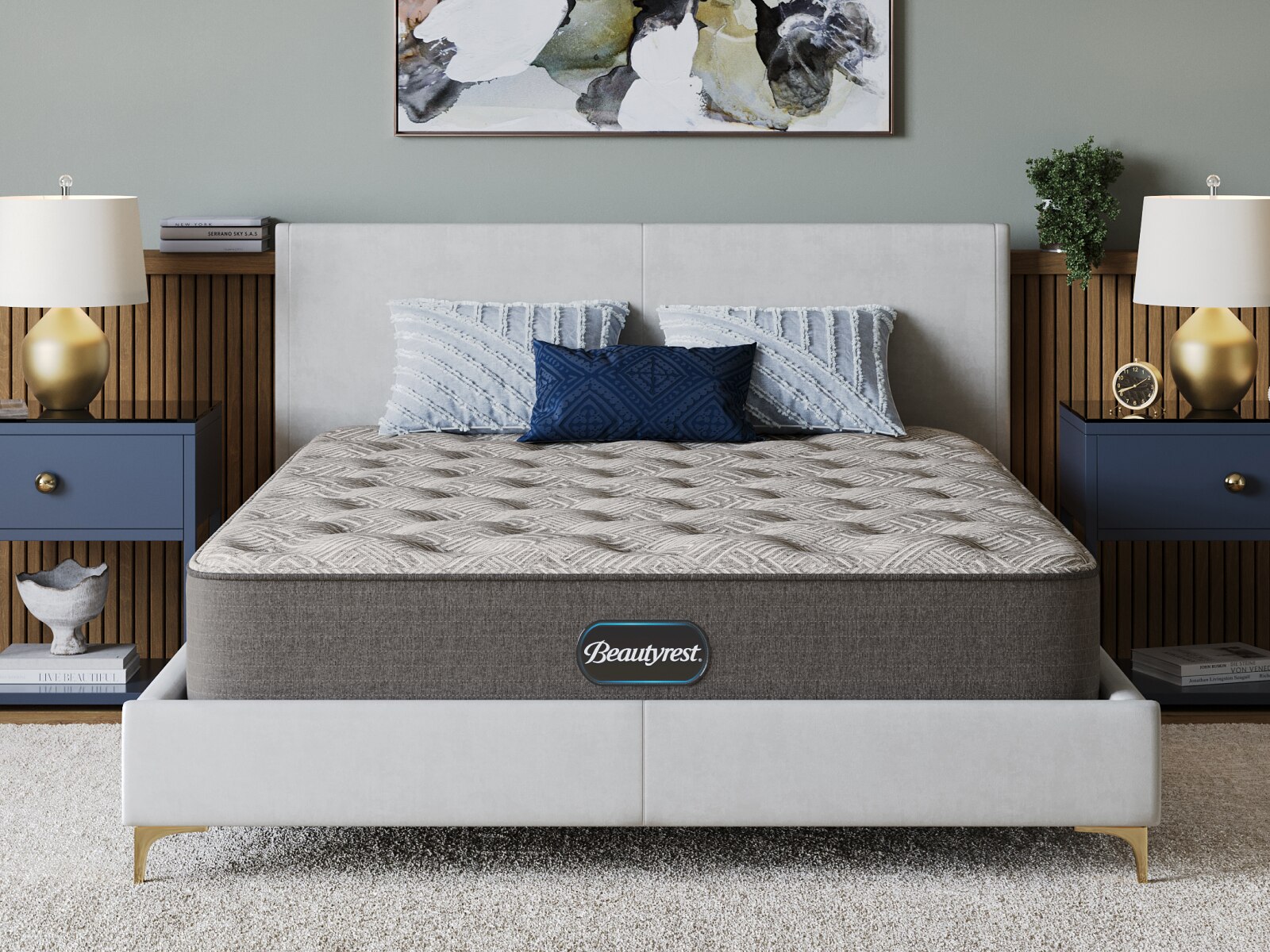
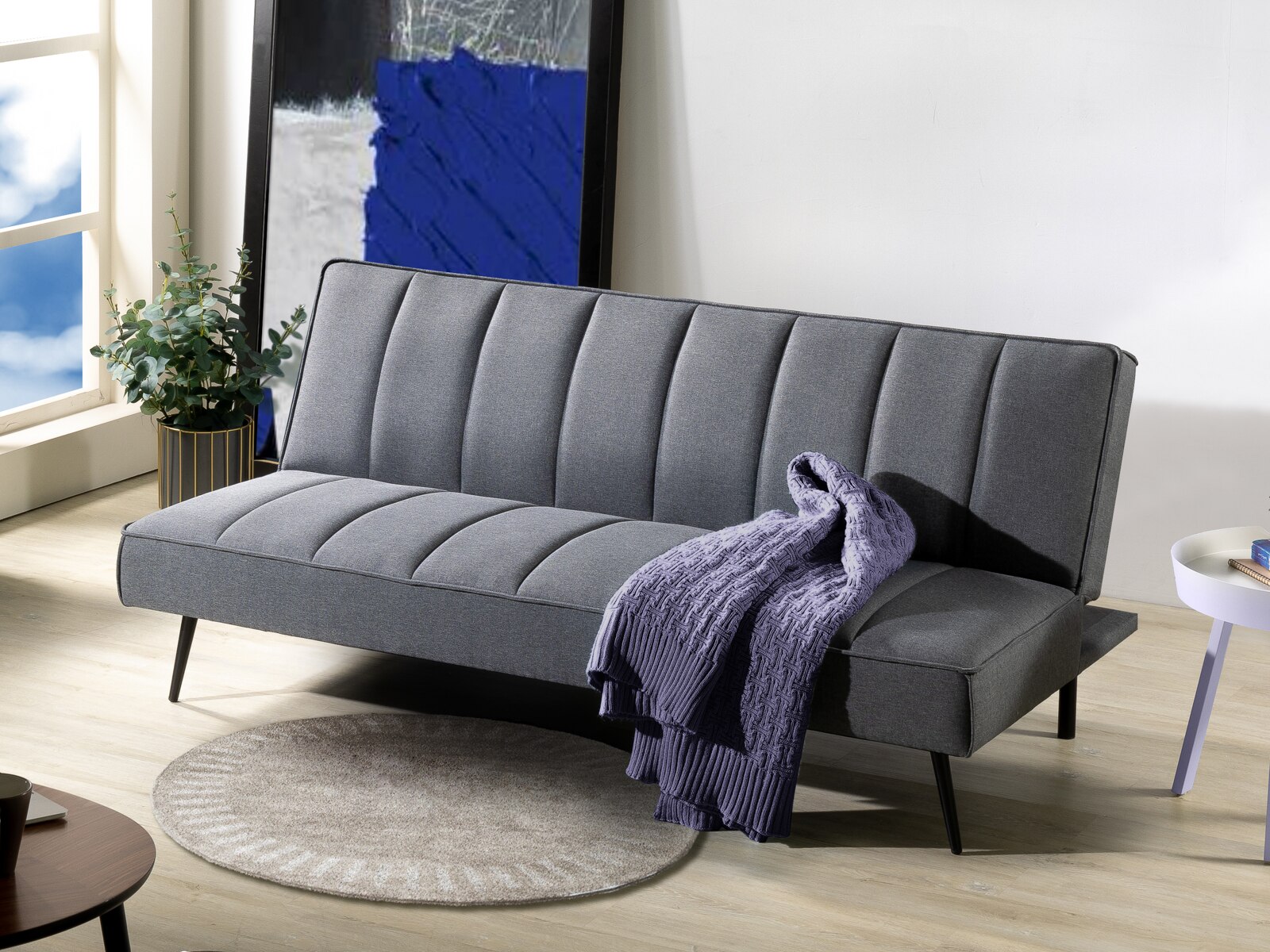
Guest Room Mattresses may be a more appropriate option than another cushioning layer. On a sound mattress, however, a topper offers a practical way to tailor the feel. For a sofa sleeper or folding bed, compatibility includes storage: some toppers need to be removed before the bed closes, and folding or compressing a material beyond its care instructions can shorten its useful life.
Care and durability are important in a guest room, even when the bed is used only occasionally. A washable cover can simplify freshening the sleep surface between visits, but the cover and the topper itself may have different cleaning requirements. Some fiber-filled constructions are machine washable, while many foam and latex layers require spot cleaning and should not be saturated. The care label is the best reference for washing, drying and stain treatment, including whether a household washer has enough capacity for the material to move freely. Complete drying matters before a topper is covered again or stored away. A compatible mattress protector helps create a barrier against spills and everyday moisture, although it serves a different purpose from the topper: protection rather than added cushioning. After guests leave, straightening the layer and checking for dampness, shifting or compressed areas helps keep the bed ready for another stay. Fiber and feather fills may benefit from fluffing to redistribute loft, while foam should be handled without pulling sharply at corners or forcing tight folds. Rotation may help distribute wear when the manufacturer recommends it. If the guest room doubles as an office or the bed is used only for visits, storage becomes part of the decision. A clean, dry topper needs a protected space and should be rolled, folded or laid flat only as its instructions allow. Long periods of heavy compression may affect some materials, so a convenient storage shape is not always the right one. Durable construction, resilient fill and a securely finished cover can make repeated setup and care easier, but occasional use does not eliminate the effects of age or improper storage. A topper can also be a thoughtful housewarming gift when the recipient’s mattress size, preferred feel and ability to care for it are known. Matched to those everyday details, guest room toppers help create a welcoming place to rest, with comfort that feels considered rather than simply layered on.