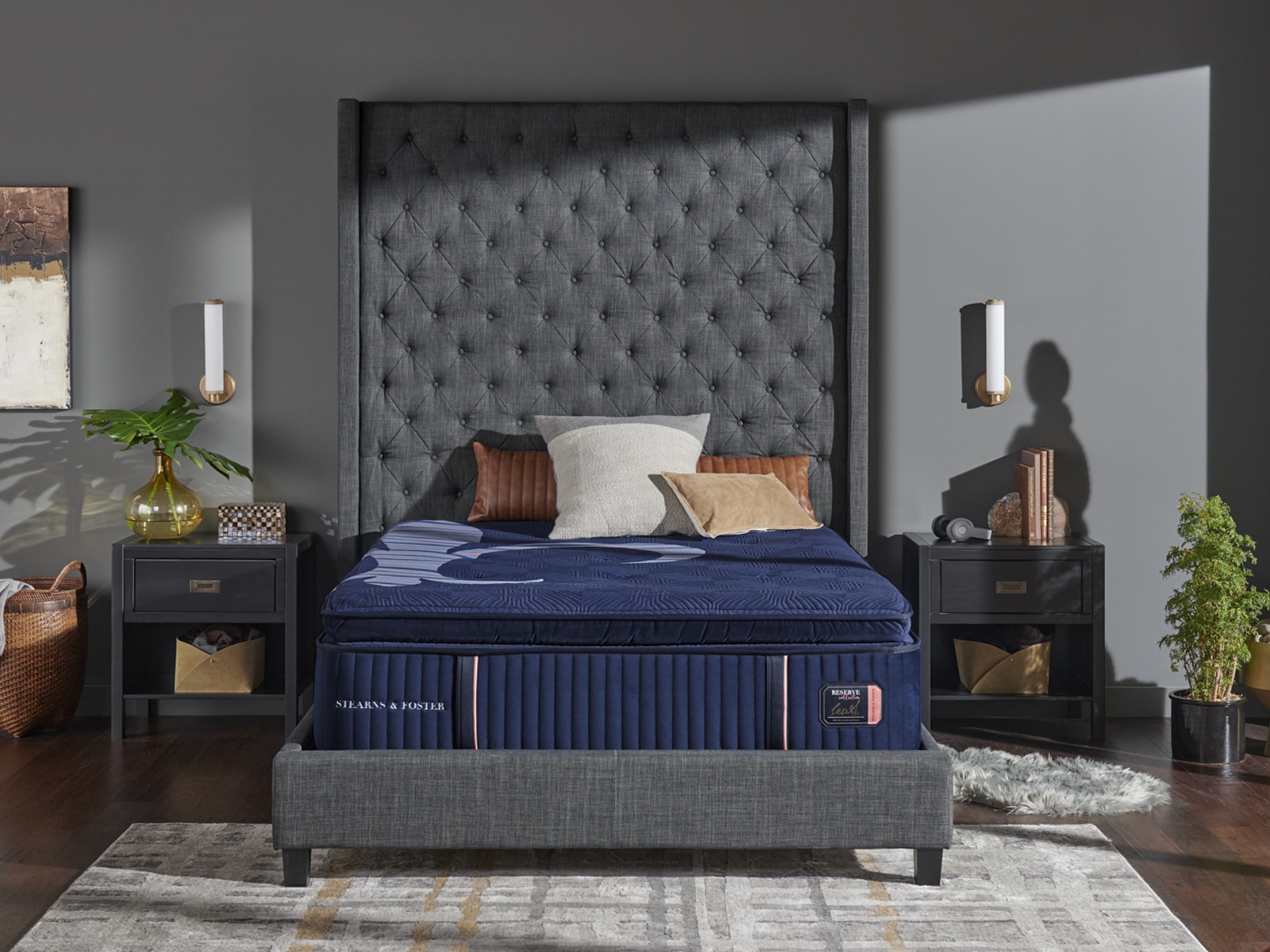
High-quality furniture combines durable materials, well-executed construction and a design suited to everyday use. Its quality is reflected in how securely it supports weight, how smoothly moving parts operate and how well its surfaces stand up to their intended purpose. Material names offer useful clues, but construction matters just as much as appearance. Solid wood brings distinctive grain and can sometimes be refinished, depending on the finish and design. Wood veneers provide the character of real wood over a supporting core, while well-made engineered wood can offer consistent surfaces and dependable performance when properly constructed and cared for. Hardwood alone is not a guarantee of quality, and a heavier piece is not automatically a stronger one. Look instead for materials that suit the furniture’s function, connections that fit securely and adequate reinforcement where weight or movement creates stress. In wood furniture, carefully fitted joints, secure corner supports and neatly finished edges are useful details to examine. Dovetail or mortise-and-tenon joinery can indicate thoughtful construction, although the overall design and execution remain important. Metal frames benefit from secure connections, appropriate bracing and an even protective finish. Drawers should travel smoothly without excessive sideways movement, and doors should align without scraping against the surrounding frame. Upholstered furniture deserves the same attention beneath its fabric: a supportive frame, consistent padding and neatly finished seams all contribute to lasting comfort. Fabric choice also affects everyday performance. A close weave may resist snagging better than a loose, textured weave, while removable covers can simplify care when the manufacturer permits washing. Published fabric testing can help compare materials, but it does not predict every household’s experience. Even details that are easy to overlook, such as a smoothly finished underside or hardware that remains accessible for tightening, can make furniture easier to live with. The most useful signs of quality are practical ones: stable support, careful finishing and components designed to work together through repeated use.
Good furniture also needs to fit the room and the routines taking place within it. Measurements should account for more than the width of an open wall. Check the furniture’s full depth and height, then allow space for drawers to extend, doors to swing and people to move comfortably around it. A dresser that fits neatly beside a bed may still feel awkward if an open drawer blocks the path to the closet. A bedside surface works best when everyday essentials are within easy reach without crowding the surrounding floor. Before bringing larger furniture home, compare its dimensions with doorways, stair landings and hallway turns, including any parts that cannot be removed. In the bedroom, bed frame compatibility is especially important. The listed mattress size is only the starting point; the frame’s interior dimensions, support system and center reinforcement should meet the mattress manufacturer’s requirements. Slat spacing, foundation needs and weight limits vary, so those details deserve a careful check rather than an assumption based on appearance. Consider the combined height of the frame, foundation and mattress as well. A setup that looks balanced in a photograph may be too high or too low for comfortable everyday use. Storage beds can make efficient use of a smaller bedroom, provided there is enough room to access their compartments. Upholstered headboards can create a comfortable surface for sitting upright, while smooth, unupholstered surfaces may suit someone who prefers simpler wipe-down care. For a shared bedroom, two people may need different amounts of storage or different bedside arrangements; coordinated finishes can create a cohesive look without requiring every piece to match. Rounded edges, easy-to-grasp hardware and clearly visible pathways may be helpful in busy households. Storage furniture should be assembled and secured according to the manufacturer’s instructions, including any required wall restraints. These practical details help furniture serve the people using it rather than forcing daily habits to work around its shape.
Durability depends on both the original construction and the care furniture receives over time. Start with the manufacturer’s care instructions, since finishes and upholstery can respond differently to the same cleaning method. Regular dusting with a soft cloth helps keep abrasive particles from building up on hard surfaces. For spills, blot promptly rather than rubbing, and use only cleaning methods appropriate for the material. Upholstery cleaning codes can help identify whether water-based cleaners, solvent-based cleaners or professional care are appropriate; test any permitted cleaner in an inconspicuous area first. Removable cushion covers are not necessarily machine washable, even when they have zippers. Coasters, protective pads and felt beneath decorative objects can help limit marks, while liners may protect storage surfaces from frequently handled belongings. Furniture should be lifted with appropriate help rather than dragged, and adjustable hardware or connectors should be checked as directed after assembly or moving. Replace worn protective glides before exposed hardware damages the floor. Staying within stated weight limits and using furniture only as intended protects both its structure and the people around it. Long-term satisfaction also comes from choosing details that remain useful as a room evolves. Straightforward shapes, comfortable proportions and finishes that coordinate with existing furnishings can make it easier to refresh bedding or accessories without replacing larger pieces. The appeal of
Luxury Furniture often includes distinctive textures, thoughtful detailing and a polished appearance, but those qualities are most meaningful when paired with sound construction and everyday functionality. Decorative trim cannot compensate for an unstable frame, just as substantial construction cannot make up for a poor fit. For a first home, a shared bedroom or an established space being thoughtfully updated, the strongest choice is furniture that balances appearance with measurable usefulness. Secure support, practical storage, suitable materials and manageable care create a room that feels considered, comfortable and ready for daily life.