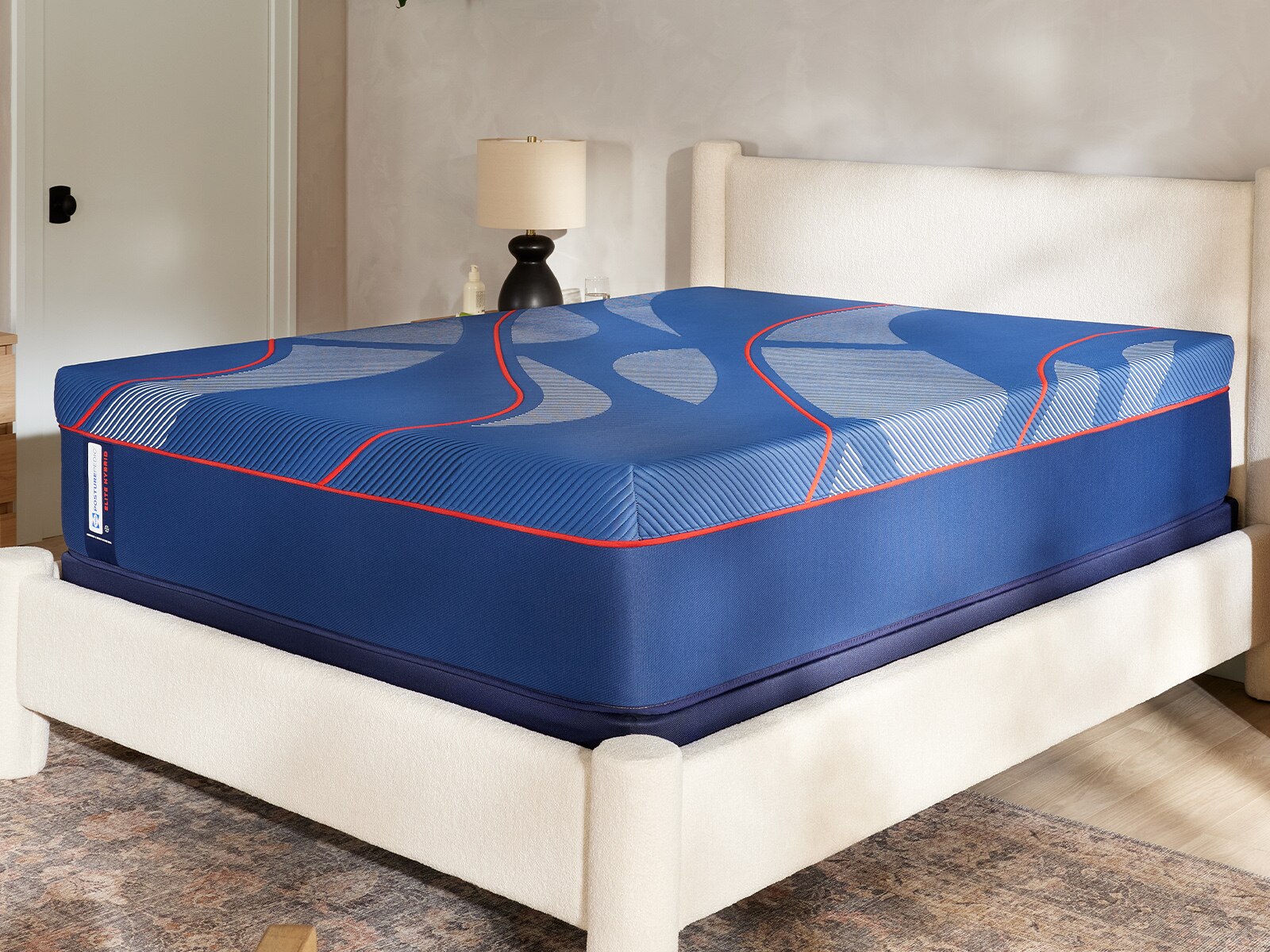
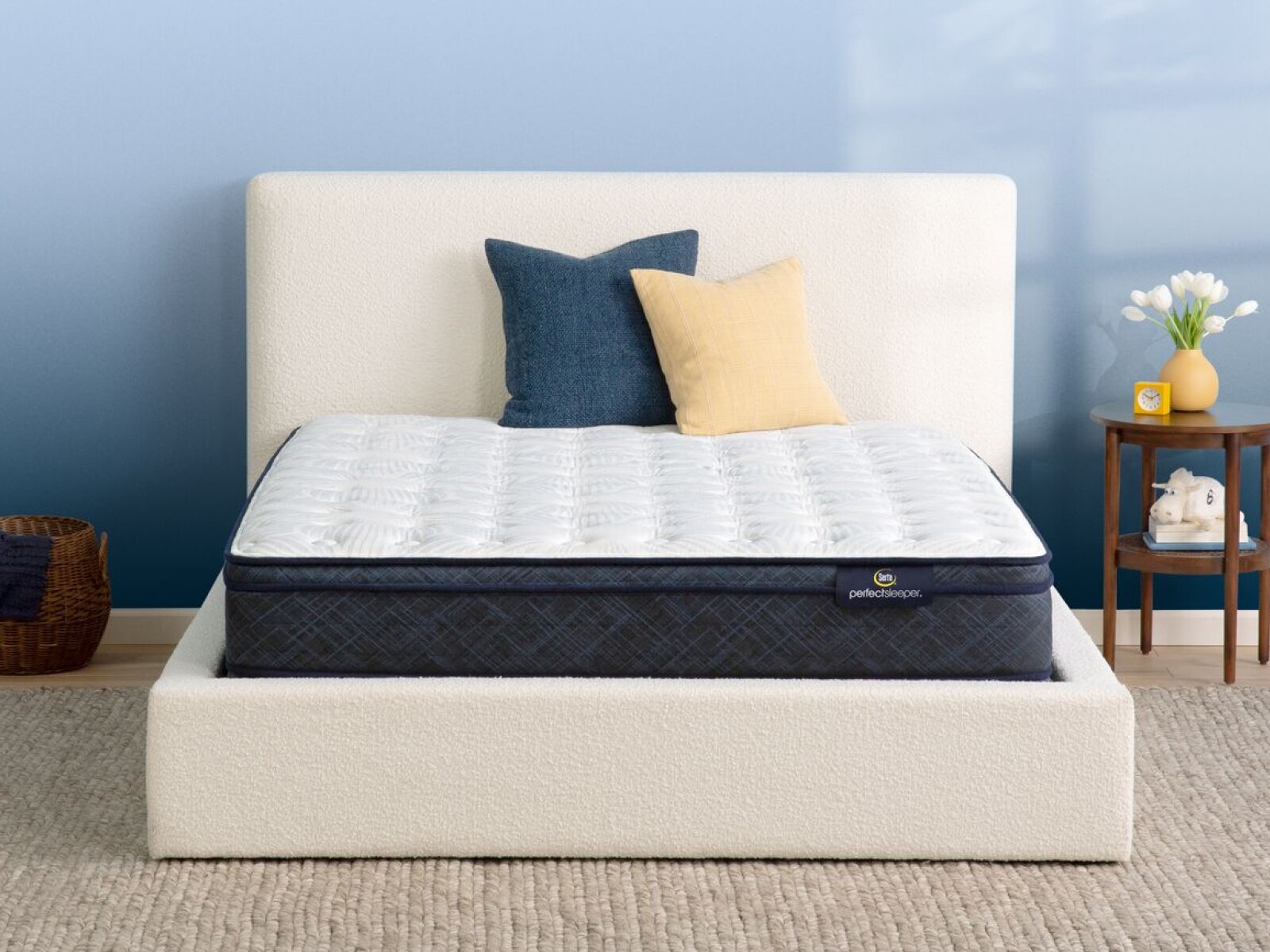
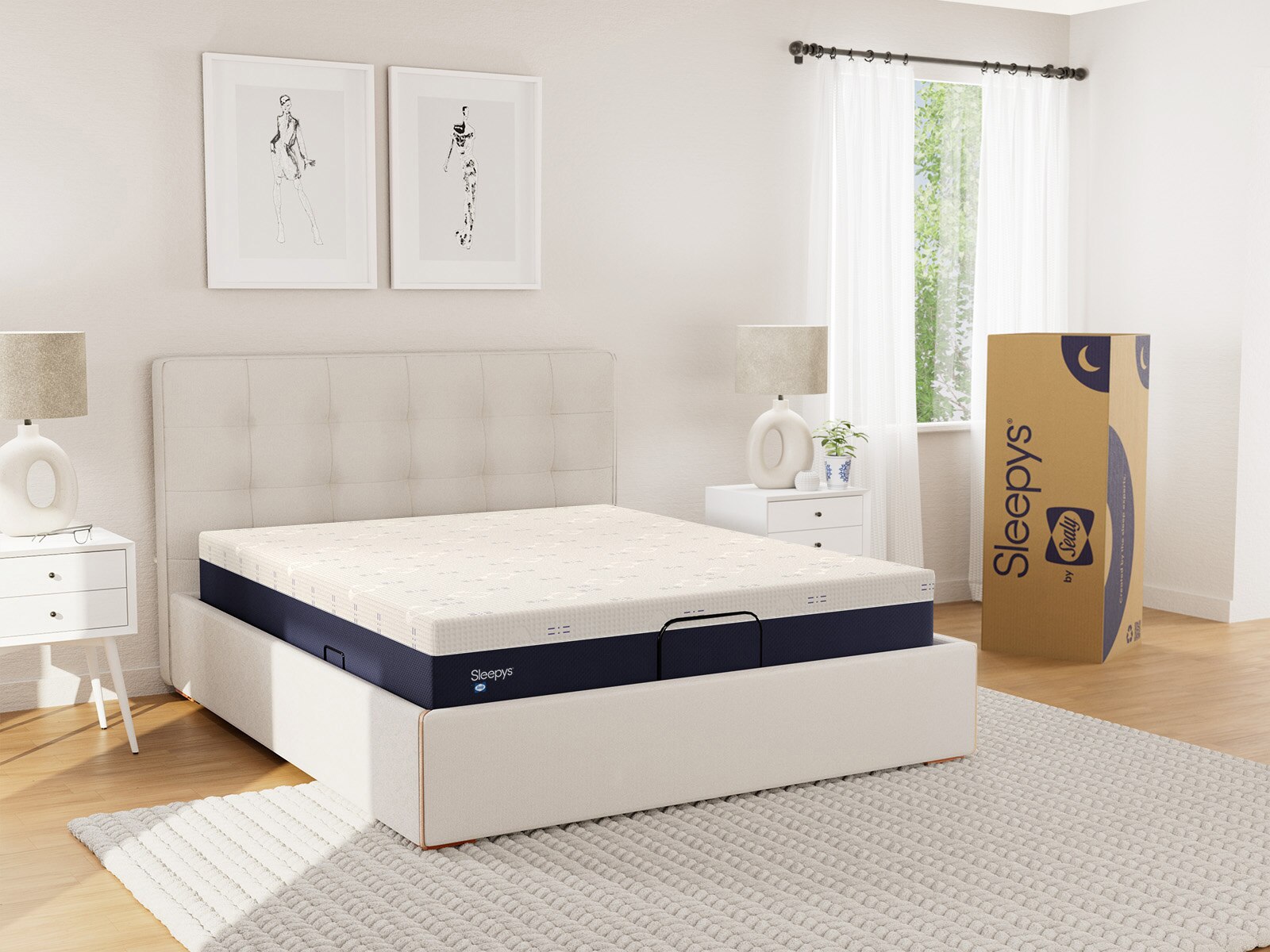
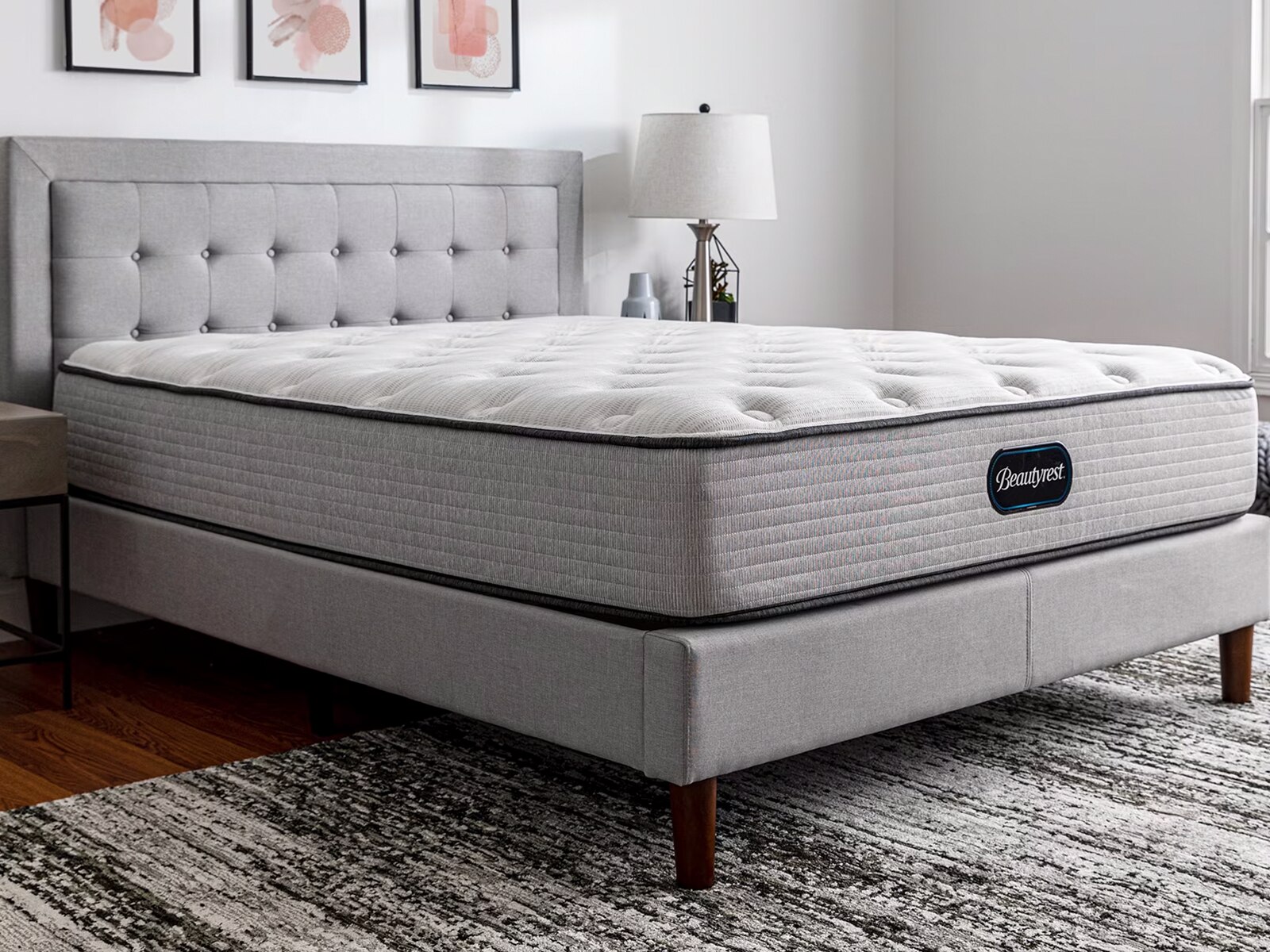
A hybrid bed combines foam or latex comfort layers with an innerspring coil support system, bringing cushioning and responsiveness together in one mattress. The upper layers shape how the surface feels against the body, while the coils underneath provide support and help the mattress respond as a sleeper changes position. That combination can appeal to someone who enjoys a cushioned surface but does not want the deeply enveloping sensation associated with some all-foam designs. Construction varies considerably, so “hybrid” describes the materials working together rather than a single firmness level or feel. Memory foam tends to conform gradually around areas such as the shoulders and hips, while latex generally has a springier response and a less enveloping feel. Other cushioning foams may add softness, resilience or a gentler transition between the comfort layers and the coil unit. Many hybrids use individually wrapped coils, which compress separately and can help limit how much movement travels across the bed. The coil section also leaves space for air to move through the mattress, although the cover and comfort layers influence the overall sleeping experience as well. Quilting, surface texture and the thickness of each layer all contribute to the initial feel. A plush top can feel inviting when someone first lies down, but the support underneath becomes just as important over a full night. Some constructions include reinforced edges or areas of differing support, though these features are not universal. A higher coil count or a taller profile alone does not establish how comfortable or durable a mattress will be; material quality, construction and the way those elements suit the sleeper matter together. For everyday use, a well-matched hybrid offers enough cushioning for comfortable contact with the surface and enough support to keep the body from settling into an awkward position. The result can feel balanced rather than simply soft or firm.
Comfort preferences are especially useful when comparing the construction choices within the
Hybrid Mattresses collection. A side sleeper may appreciate cushioning that allows the shoulder and hip to settle without leaving the waist unsupported. Someone who sleeps mainly on their back may prefer a surface that cushions the lower back while keeping the pelvis from sinking too far. Stomach sleepers often need a sturdier feel beneath the midsection, although body size and personal preference affect which firmness feels appropriate. These are starting points, not fixed rules: two people in the same sleeping position can experience the same mattress differently. A person who changes positions frequently may value responsive comfort layers that make rolling from side to back feel easier. For partners, the balance between motion isolation and bounce deserves attention. Individually wrapped coils and cushioning layers can reduce disturbance from a partner shifting position, but no construction eliminates every movement. Edge support can also matter when both people use the full sleeping surface or when someone regularly sits along the side to put on shoes. Mattress dimensions should suit both the sleepers and the room around the bed. A queen may fit a shared bedroom comfortably, while a king provides more room for partners to spread out; a twin or Twin XL can suit a smaller bedroom or a single sleeper. Space for walking, opening drawers and making the bed matters alongside sleeping width. Mattress height deserves similar consideration because it changes the finished height of the bed once paired with a frame or foundation. An especially tall setup may feel awkward for someone who prefers to sit with their feet resting on the floor. For a guest room, a hybrid with a balanced feel can be a practical choice for visitors with different preferences, while a primary bedroom calls for closer attention to the people using it night after night.
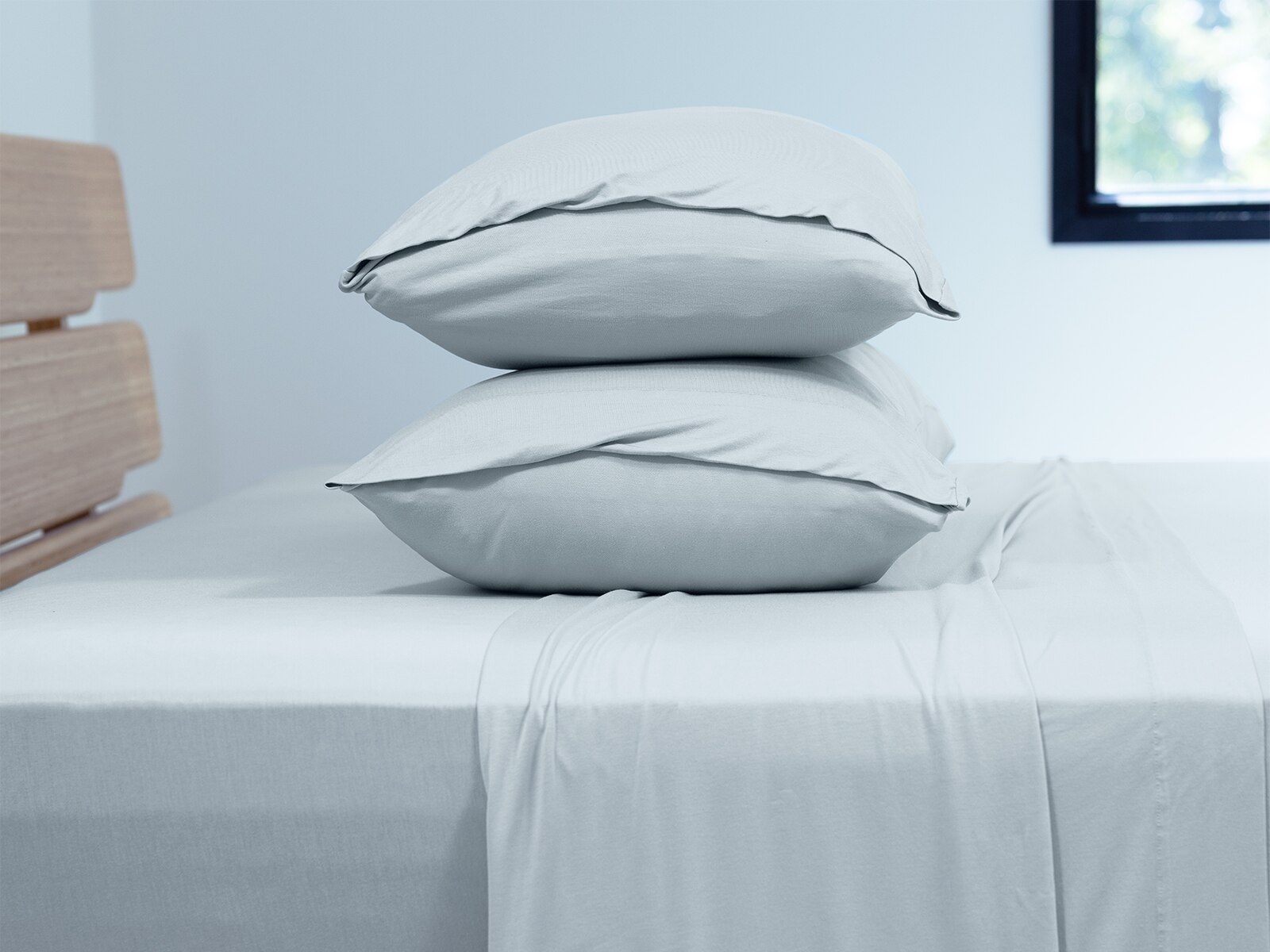
Long-term comfort depends on the mattress materials, the support beneath them and everyday care. A hybrid needs a compatible foundation or bed frame that supports its weight evenly, including the weight of the sleepers. Platform beds, slatted frames and adjustable bases each have different requirements, so compatibility and any slat-spacing or center-support specifications should be checked before pairing them with a mattress. Not every hybrid is designed to bend on an adjustable base, even when its surface feels flexible. Bedding fit matters, too: fitted sheets and protectors need enough pocket depth to stay secure without pulling tightly across the comfort layers. A washable mattress protector helps shield the surface from spills and everyday moisture, while regular sheet washing keeps the sleeping area fresh. Care instructions for the mattress itself should take priority over general cleaning advice. A removable cover is not necessarily machine washable, and saturating foam or padding can leave moisture trapped inside. When spot cleaning is permitted, a small amount of the recommended cleaning solution and thorough drying are preferable to soaking the surface. Many hybrids are built with comfort layers on one side and should not be flipped; head-to-foot rotation may be recommended to encourage more even wear, depending on the construction. Consistent support and avoiding repeated concentrated pressure in the same spot can also help preserve the mattress structure. Some surface settling can occur as cushioning materials respond to regular use, but a lasting loss of support or a pronounced change in comfort deserves attention. Durability cannot be judged from thickness alone, and no single replacement schedule fits every sleeper or construction. Material quality, frequency of use, body weight and care all affect how a mattress holds up. The most useful measure is whether it continues to provide comfortable cushioning, dependable support and enough room to move naturally. A hybrid selected around those everyday needs can serve as a comfortable foundation for reading before bed, settling in with a partner and getting a full night of rest.