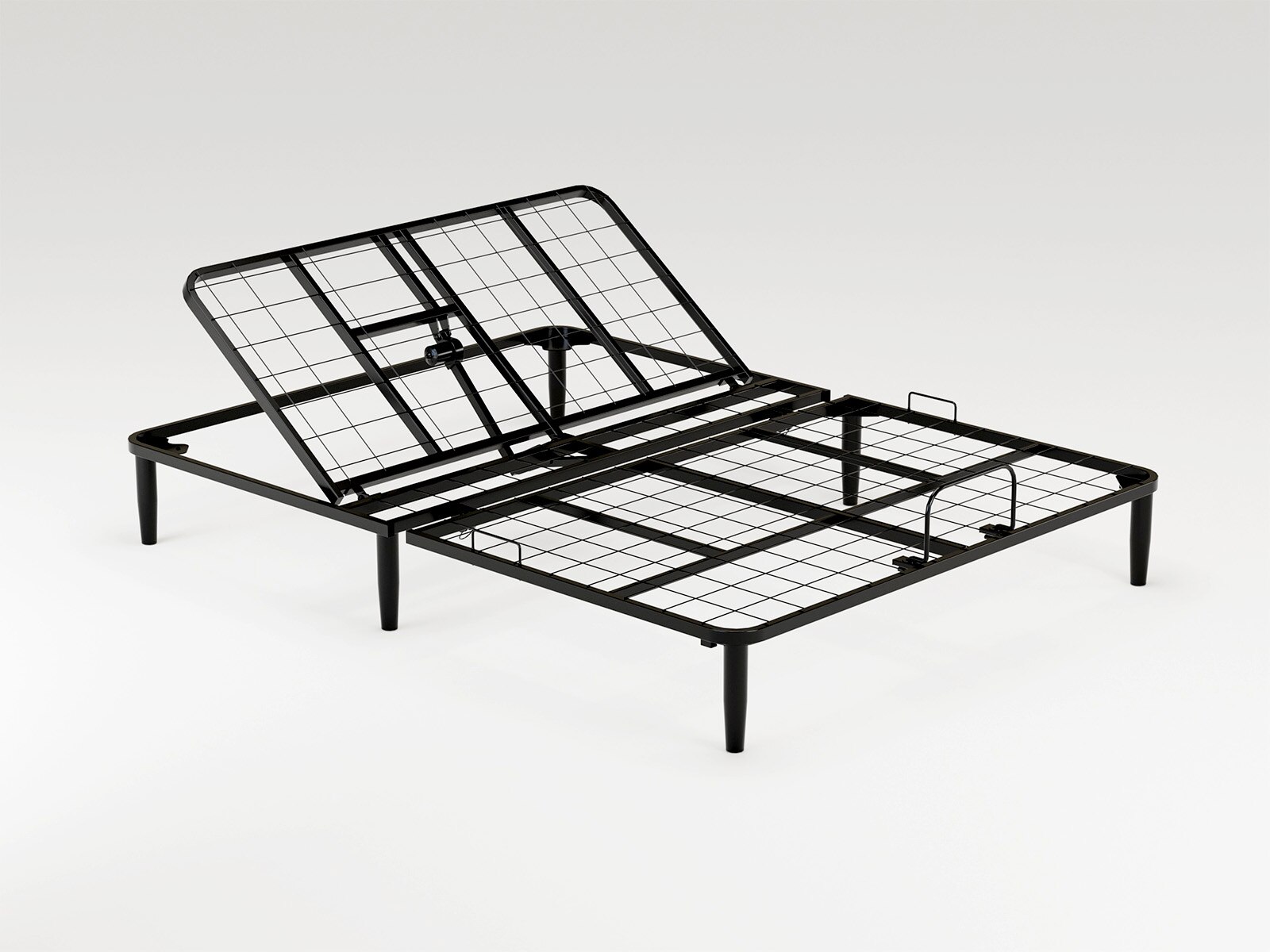
King size bed frames for back support provide the structure beneath a comfortable sleep setup, giving the mattress a dependable base across its width and length. That stability matters on a spacious bed, where two sleepers may rest in different positions or sit along opposite edges while getting ready for the day. A frame cannot correct a worn mattress or promise relief from back pain, but it can help a compatible mattress perform as intended by supporting it evenly. The mattress provides cushioning and contouring; the frame and any required foundation support the sleep surface beneath it. When those components fit together correctly, there is less opportunity for unsupported gaps or movement caused by an incomplete setup. Platform designs generally use slats or a solid surface, while other frames require a separate foundation. The appropriate configuration depends on the mattress manufacturer’s instructions, including requirements for slat spacing, center support and ventilation. Slat placement alone does not tell the whole story: thickness, attachment points and the distance each slat spans also influence stability. On a king frame, a center rail with properly positioned support legs can help distribute weight across the broad sleeping surface when required by the design. Weight capacity deserves equal attention and should account for the mattress, any foundation and everyone who uses the bed, according to how the manufacturer defines that limit. A couple sharing a king mattress or someone who frequently changes positions may appreciate a frame that stays steady during ordinary movement. For an existing setup that needs compatible reinforcement,
King Size Bed Supports offers a related place to focus on the structure beneath the mattress. The goal is a complete system that feels secure, not simply a substantial-looking headboard. Back comfort also depends on mattress condition, sleep position and individual needs, making the frame one important part of the overall sleep environment.
Materials and construction shape how a king size bed frame looks, feels and holds up to everyday use. Metal frames can have slim profiles with bolted or interlocking connections, while wood frames can bring visible grain, substantial side rails and a furniture-like presence to the room. Neither material alone guarantees better support; sound joinery, appropriate reinforcement and correct assembly matter more than appearance. Upholstered frames add a softer surface around the bed, although the fabric covering does not replace the structural work of the rails and supports underneath. In a room shared with pets, a tightly woven covering may be easier to maintain than a deeply textured fabric that catches hair. Smooth wood and metal surfaces generally need different care than upholstery, so the finish and cleaning instructions deserve a look before choosing. Fit is just as practical as material. A standard king mattress typically measures 76 inches wide by 80 inches long, but the frame’s outer dimensions can extend beyond that footprint, especially with a padded headboard or projecting footboard. A California King mattress has different proportions and requires a frame designed for that size. Measuring the room should include walking space, nightstand access and clearance for dresser drawers, not just the rectangle occupied by the mattress. Doorways, stair turns and the size of individual frame sections also matter when bringing the bed into the home. Finished bed height combines the frame, any foundation and mattress thickness. A lower profile may suit the room’s style, while another height may make sitting down and standing up feel more comfortable. Underbed clearance can provide space for storage or cleaning, but stored belongings should never press against support legs or interfere with moving parts. If an adjustable base is part of the setup, compatibility needs to be confirmed separately; a decorative frame and an adjustable base do not necessarily function as one supporting unit.
Dependable support also relies on what happens after assembly. A carefully built frame should sit level, with each floor-contact support positioned as directed and all connections secured according to the manufacturer’s instructions. On carpet, supports may settle into the pile; on a hard floor, unevenness may become noticeable when weight shifts from one side of the bed to the other. Adjustable support feet, when included, should be set as instructed rather than replaced with improvised blocks or stacked objects. A creak or wobble is a reason to inspect connections and support placement, not an automatic sign that the entire frame needs replacing. Check hardware periodically and after a move, taking care not to overtighten fasteners or damage their fittings. Moving a large frame by dragging it can strain joints and bend support legs, so disassembly may be the safer approach when specified by the manufacturer. Routine care can stay straightforward: remove dust from rails and accessible surfaces, vacuum upholstered sections with an appropriate attachment and address spills using the recommended method for the material. Keeping the area beneath the bed clear enough to inspect makes it easier to notice a loose leg or shifted component before it becomes a bigger concern. For couples, the strongest everyday benefit is often consistency—a bed that feels steady when one person turns over, sits at the edge or gets up earlier than the other. For someone furnishing a primary bedroom or a frequently used guest room, durable construction and manageable upkeep can be more useful than decorative detail alone. If discomfort continues despite a properly assembled, compatible sleep setup, a healthcare professional can help assess possible causes beyond the bed. A well-matched king frame supports the mattress, fits the room and remains dependable through ordinary use, creating a solid foundation for comfortable rest.