King size blankets are generously sized bedding layers designed to cover a king mattress, with enough fabric to drape over the sides and give sleepers room to settle in. Many measure around 108 inches wide by 90 inches long, although dimensions vary by construction and manufacturer, so the measurements matter more than the size label alone. A standard king mattress measures 76 inches wide by 80 inches long. On that mattress, a 108-inch-wide blanket leaves approximately 16 inches of fabric on each side when centered, before accounting for mattress thickness or the shape of the bedding underneath. That extra width can make a difference for two people sharing a bed, especially when one likes to pull the covers close while the other stretches out. A California King mattress measures 72 inches wide by 84 inches long, making blanket length an important consideration for coverage at the foot of the bed. Deeper mattresses, mattress toppers and a preference for tucked edges can also call for additional fabric. Oversized king blankets provide a more generous drape, but exact dimensions should still be checked rather than assumed. For a tailored appearance, a blanket can sit neatly beneath a comforter with only its folded edge visible near the pillows. For a relaxed bed, it can serve as the main top layer, showing its texture and falling loosely along the sides. A blanket intended for that arrangement may need more coverage than one folded across the lower half of the mattress. The right fit depends on how the bed is dressed, how much fabric each sleeper prefers and whether the blanket will be tucked in or left loose. Keeping those details in mind helps distinguish a blanket that merely reaches the mattress edges from one that feels comfortably proportioned for everyday use.
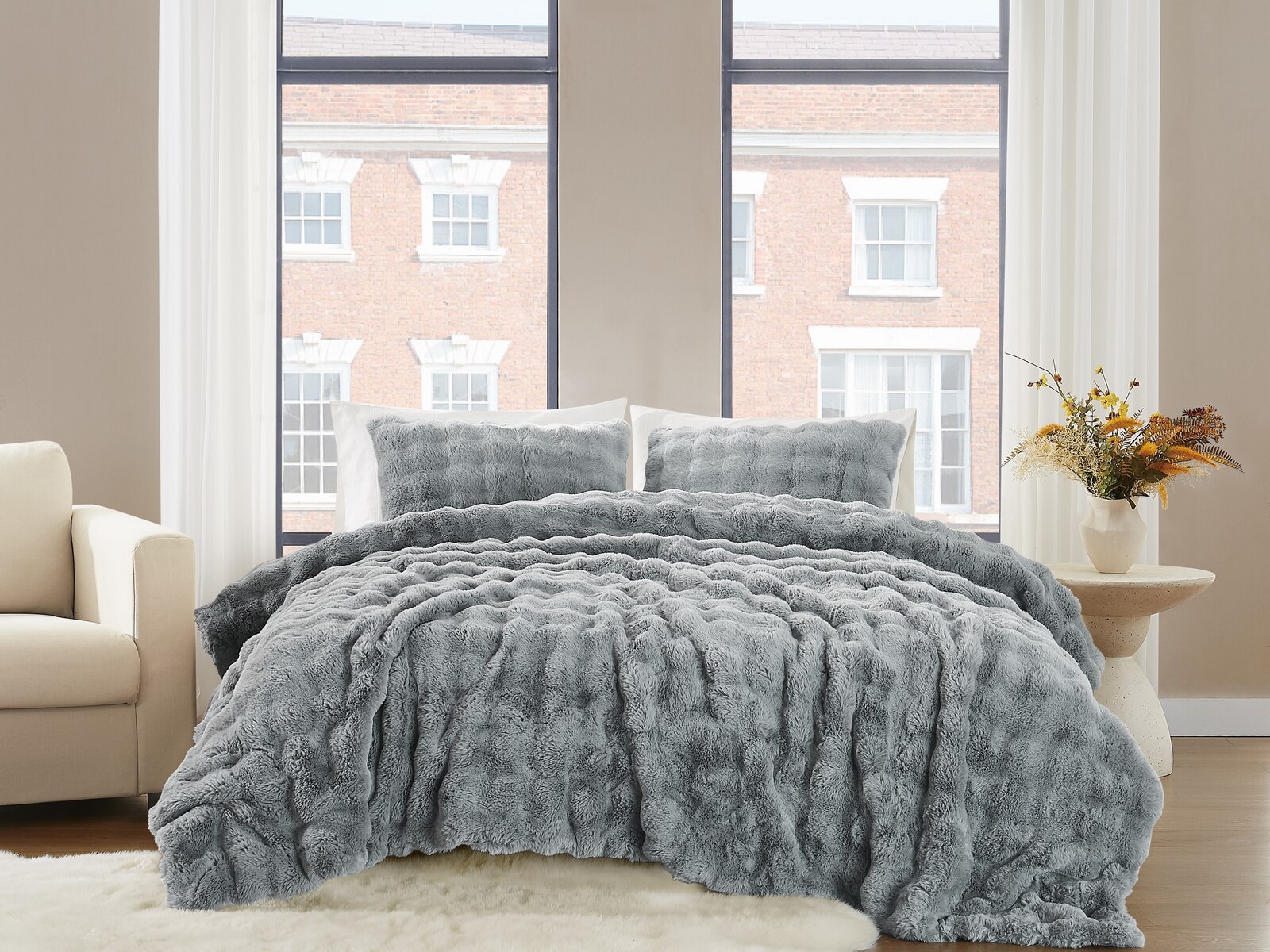
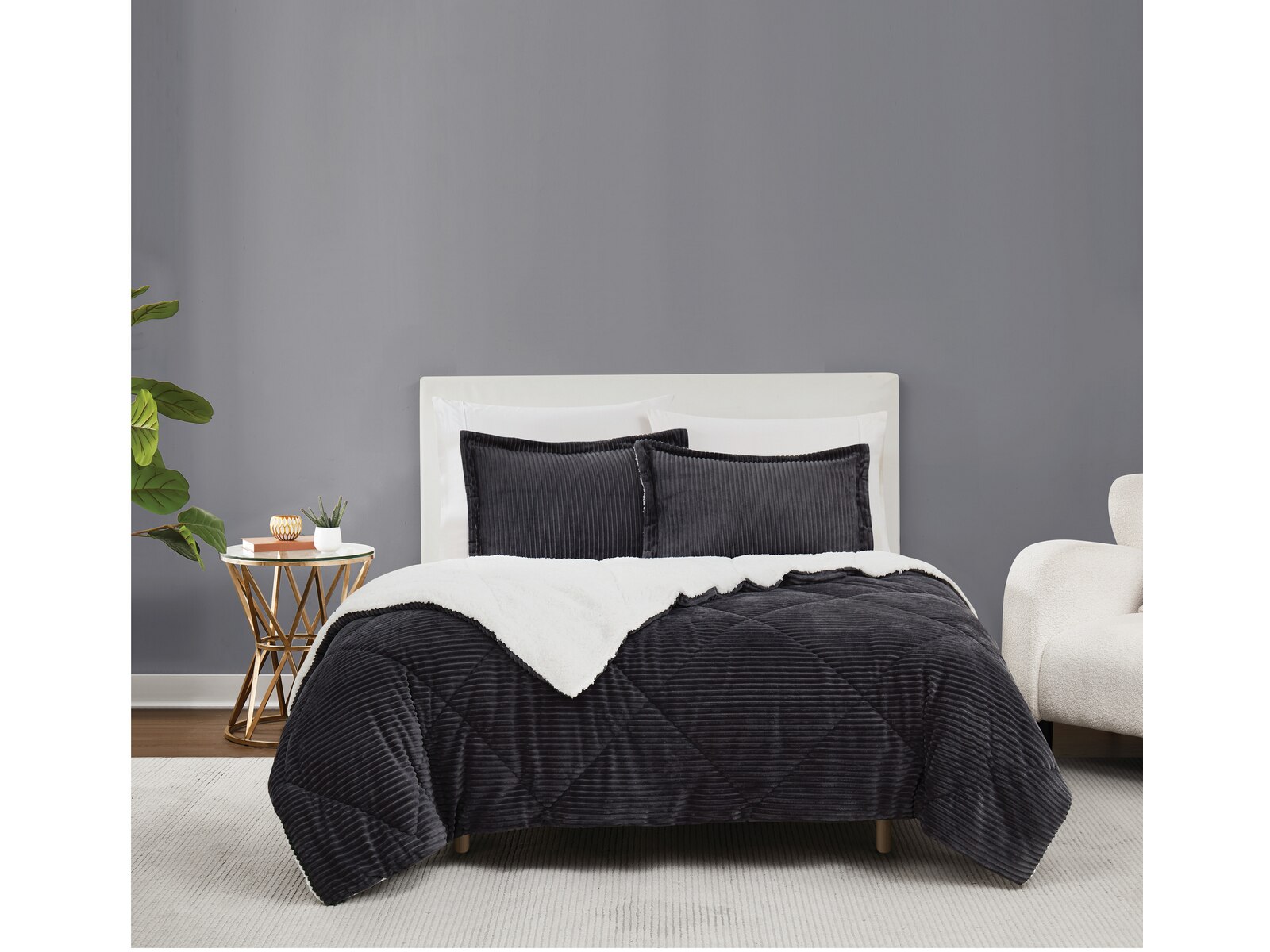
Material gives a king size blanket much of its character, from the way it feels against the sheets to how easily it folds and moves with the sleeper. Cotton blankets often have a familiar, breathable feel, with woven constructions ranging from smooth and closely finished to textured waffle patterns. Waffle weave adds visible depth without relying on a thick pile, while a flatter weave can create a cleaner line beneath other bedding. Cotton can also feel noticeably different depending on the yarn, weave and finishing process, so fiber content alone does not tell the whole story. Fleece blankets, commonly made with polyester fibers, have a brushed surface that feels soft and supple. Plush constructions emphasize a velvety touch, while sherpa-style textures create a deeper, more cushioned surface. These materials can appeal to someone who wants a blanket that feels inviting when pulled up around the shoulders, though their thickness and breathability vary. Wool blankets offer another texture and often have a more structured drape; blends may soften that feel or change the care requirements. A close-fitting, dense weave behaves differently from an open knit, even when both contain the same fiber. Blanket weight matters too: some sleepers prefer a barely noticeable layer, while others enjoy the reassuring presence of a heavier fabric. A substantial everyday blanket is not necessarily a weighted blanket, which is a separate construction with its own use considerations. For a layer selected specifically for added warmth,
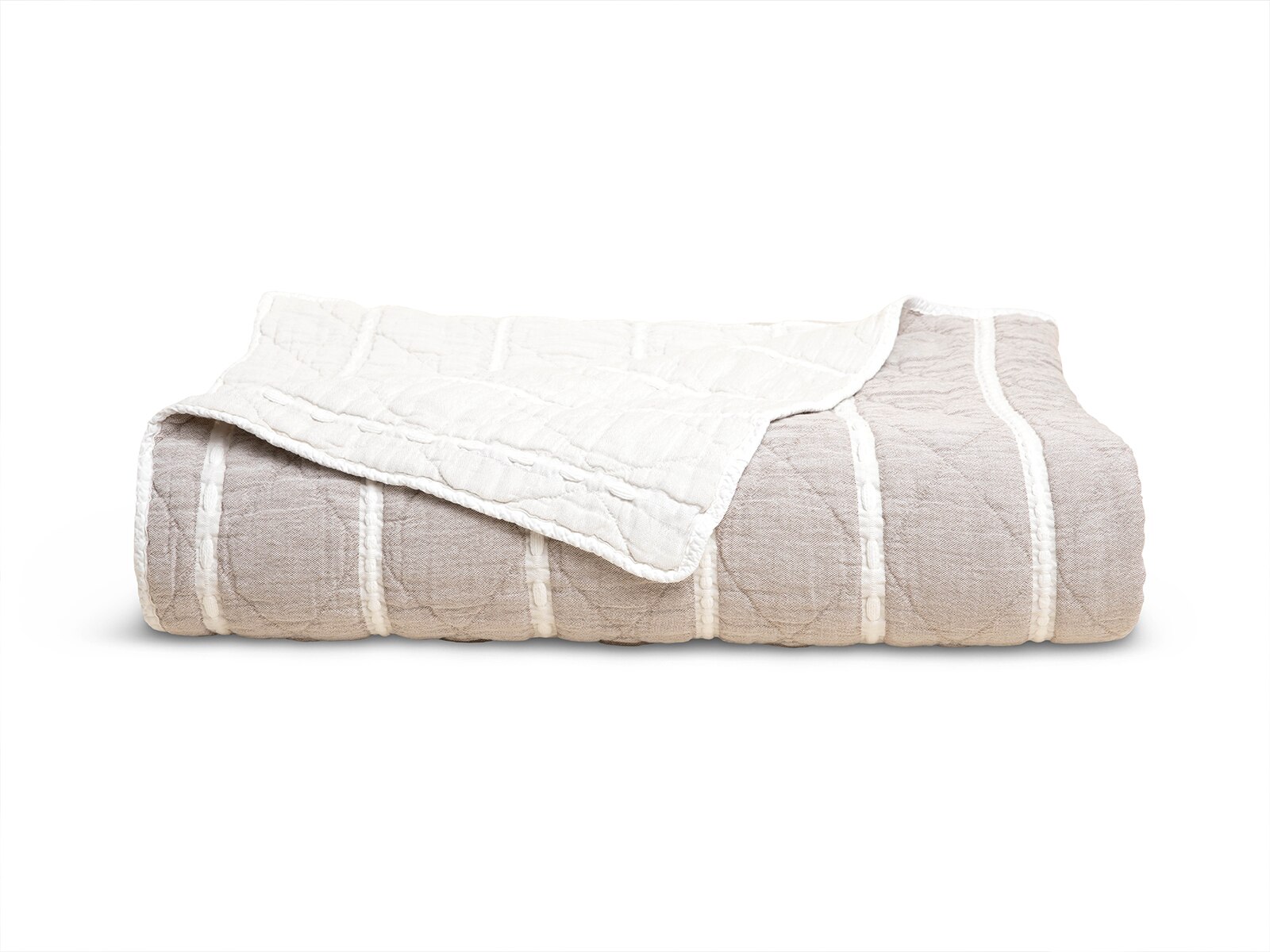
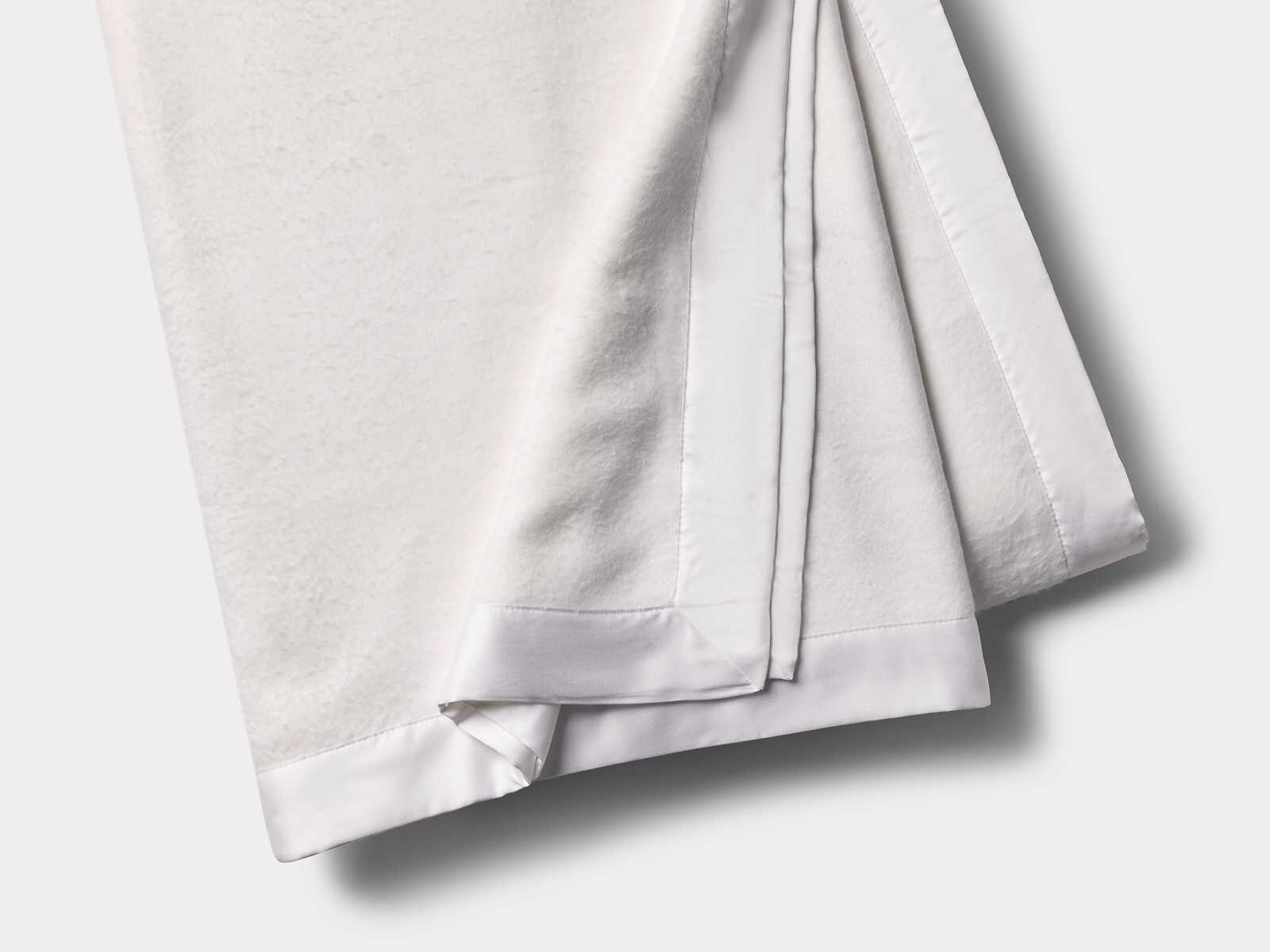
king size winter blankets provide a related category to explore. Beyond feel, color and texture help a large blanket become part of the room rather than just another cover. Ivory, taupe, charcoal or muted blue can coordinate with patterned sheets, while a pronounced weave adds interest to a bed dressed in solid colors. Reversible finishes can offer two different looks, and neatly finished edges keep the overall appearance composed whether the blanket is spread flat or folded at the foot of the bed.
Care and construction are especially important for king size blankets because a large piece of fabric needs room to wash, rinse and dry properly. Many cotton and synthetic blankets are machine washable, but the care label remains the most reliable source for water settings, detergent recommendations and drying instructions. Wool and specialty blends may require a different approach, including hand washing or professional cleaning. Even a washable blanket can be too bulky for a smaller household machine, particularly when wet, so washer capacity and the blanket’s ability to move freely deserve attention. Crowding the drum can interfere with cleaning and rinsing, while an overloaded dryer may leave damp folds hidden inside a seemingly dry blanket. Thorough drying before storage helps prevent lingering moisture, and excessive heat can affect some fibers, finishes or dimensions. Following the specified drying method helps preserve both the hand feel and the fit. For everyday durability, closely finished hems, secure stitching and a stable weave are useful details to look for. Loose knits can catch on jewelry, rough fingernails or pet claws, while raised surfaces may develop pilling with repeated friction; neither softness nor thickness alone guarantees lasting performance. In a shared bedroom, an easy-care blanket can simplify the routine when it is used nightly or frequently moved between the bed and a reading chair. In a guest room, a neatly folded king blanket gives visitors another layer without requiring the entire bed to be remade. Families who invite pets onto the bedding may appreciate a fabric that is straightforward to launder and does not easily snag. King size blankets can also make thoughtful gifts for a housewarming, wedding or someone updating a bedroom, particularly when the mattress dimensions and recipient’s texture preferences are known. A neutral color and manageable care routine can make that gift easier to use. Whether chosen for a shared bed, a guest space or a new bedroom arrangement, a well-proportioned blanket brings together coverage, tactile comfort and practical upkeep in one everyday layer.