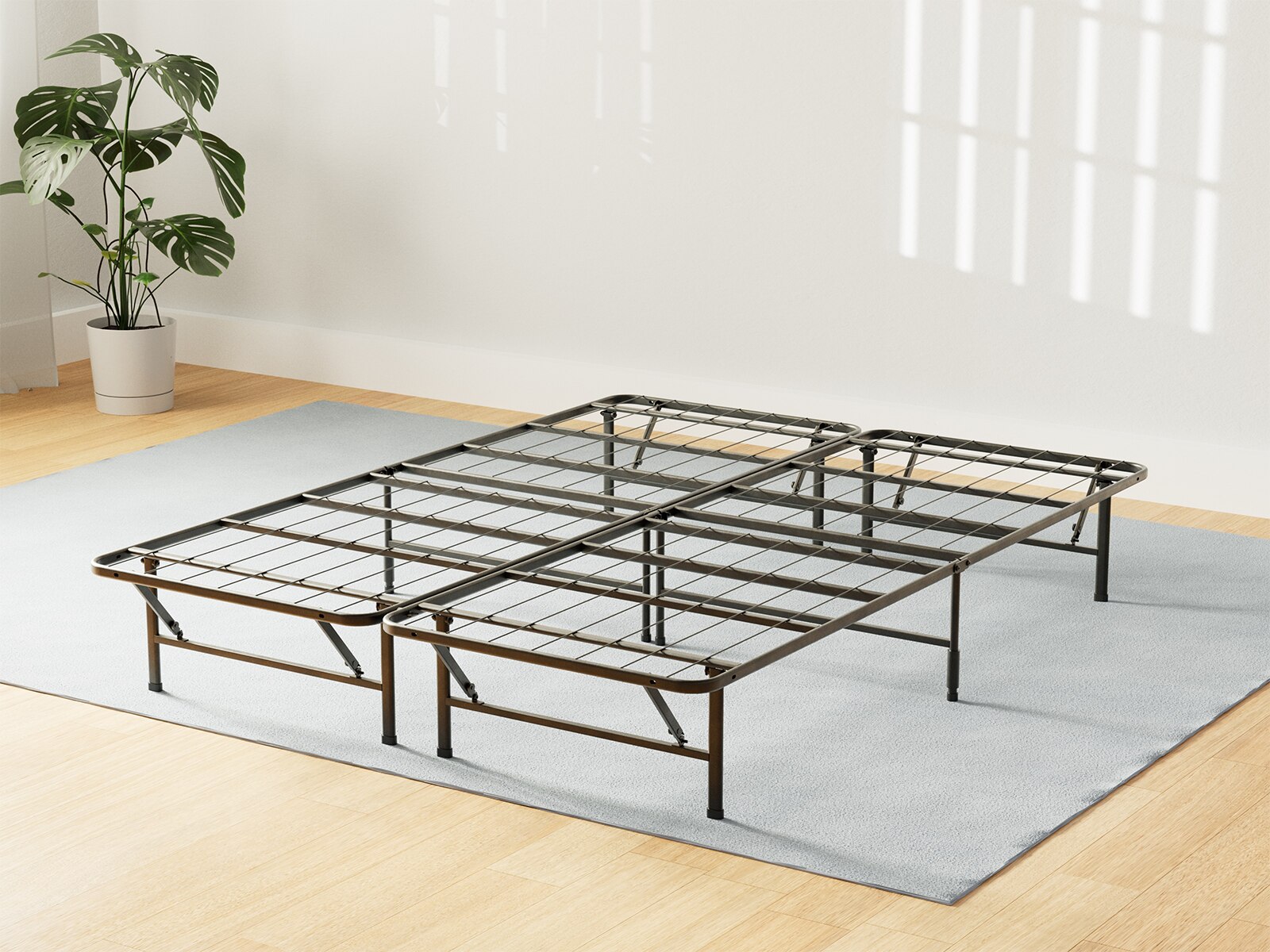
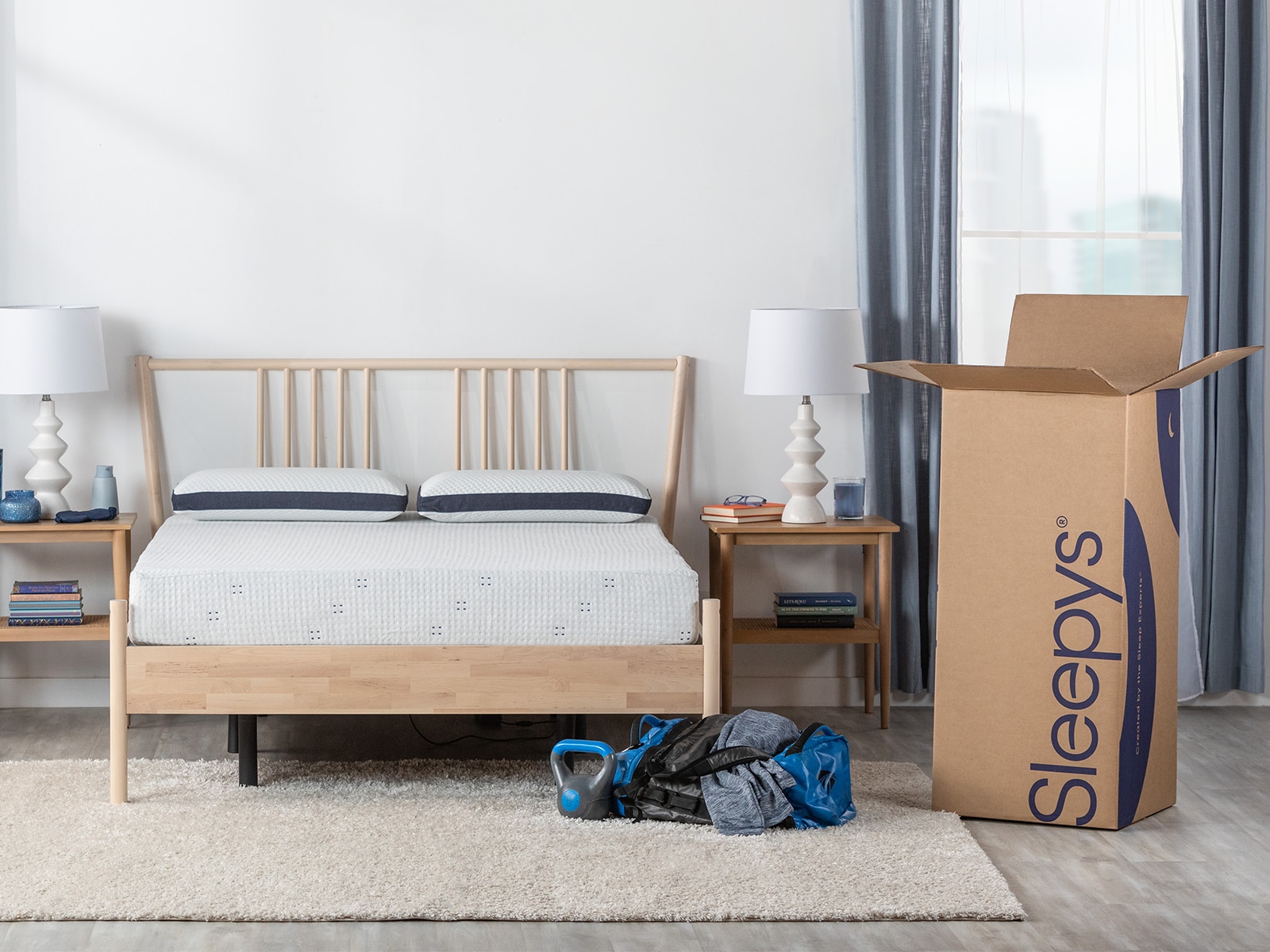
King size platform frames give a bedroom makeover a clear focal point, bringing the mattress, bedding and surrounding furniture into a more cohesive arrangement. A platform frame typically supports a compatible mattress on slats or a solid surface without a separate box spring, creating a streamlined silhouette that can feel tailored, relaxed or substantial depending on the design. Wood frames introduce visible grain and warmth, while metal frames can emphasize slender lines, open space or an industrial look. Upholstered frames add texture and a softer surface around the bed, with woven fabrics, smooth upholstery and padded headboards creating distinctly different impressions. For a room with painted dressers and patterned bedding, a simple frame can give those details room to stand out. In a quieter space with plain walls and neutral linens, a substantial wood headboard or textured upholstery can provide the visual interest. The shape matters as much as the material: an open foot end keeps the view across the room less interrupted, while a more substantial footboard gives the bed a defined outline. A low-profile design can create a grounded look, though platform construction does not necessarily mean the finished bed sits close to the floor. For a pared-back direction,
King Size Platform Frames For Minimalist Bedrooms offer a related starting point for a room built around clean lines and restrained details. These frames can suit a primary bedroom refresh, a move into a larger home or a guest room with enough space for a king mattress and comfortable walkways. The most useful choice connects the look of the room with everyday habits, whether that means a headboard for sitting up with a book, open space beneath the bed for storage or a frame that leaves room for generously sized nightstands.
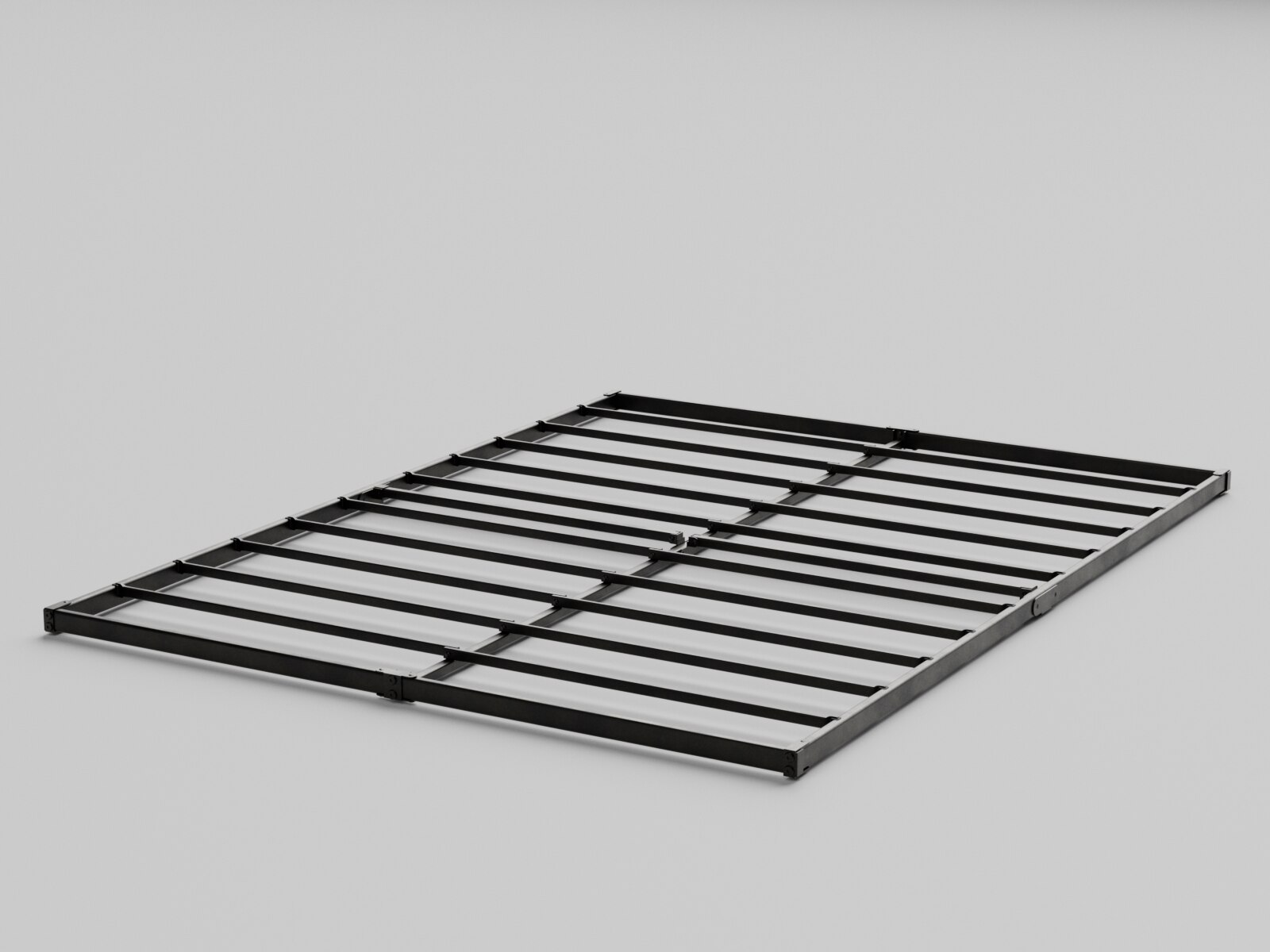
Fit starts with the mattress, but it extends well beyond the sleeping surface. A standard king mattress measures approximately 76 inches wide by 80 inches long; the frame’s outside dimensions can be larger because of side rails, upholstery, headboard depth or a projecting footboard. A California King mattress is narrower and longer, measuring approximately 72 inches wide by 84 inches long, so the two sizes require appropriately matched frames rather than interchangeable sizing. In a bedroom makeover, those extra inches around the mattress can affect whether a dresser drawer opens fully or a closet door clears the foot of the bed. A taped outline on the floor can make a substantial frame easier to picture alongside existing furniture. Headboard height also changes the proportions of the room, especially beneath a window or against a wall with artwork. Mattress thickness determines how much of that headboard remains visible, while the combined mattress and platform height affects how comfortably someone can sit on the edge and stand again. For partners sharing a king bed, a stable support structure deserves as much attention as the finish. Slat spacing, center support, leg placement and weight limits should match the mattress manufacturer’s requirements and the frame’s stated specifications. Weight capacity should account for the mattress and sleepers, along with any other loads described in the frame’s instructions. Closely spaced slats may be required for certain mattresses, but the correct spacing depends on the mattress rather than appearance alone. A solid platform and a slatted platform also differ in airflow beneath the mattress, making construction another compatibility consideration. Couples using a split king arrangement need a frame approved for that configuration, and an adjustable base requires explicit compatibility rather than an assumption that it will fit inside any platform frame. Together, these details help distinguish a frame that simply looks right from one that works with the mattress and the way the bedroom is used. Assembly access matters, too: long rails and large headboard sections need a workable path through doorways, hallways and stair turns.
Materials and construction shape how a king size platform frame holds up to daily life. Solid wood, engineered wood, metal and upholstery each bring different care needs, and durability depends on the joints, hardware, support system and finish as well as the material itself. A wood frame may show distinctive grain and natural variation, while an engineered wood design can provide a consistent surface and clearly defined edges. Metal construction can create a visually lighter outline, though secure connections and properly positioned supports remain important. Upholstery adds softness, but fabric texture, cleaning instructions and household routines deserve consideration in a room shared with children or pets. A tightly woven surface may behave differently from a textured fabric around claws, while light upholstery can make marks more noticeable. Routine care is generally straightforward when it follows the manufacturer’s directions: remove dust with an appropriate soft cloth, vacuum suitable upholstery with the recommended attachment and address spills using approved methods. Excess moisture and harsh cleaners can damage some finishes or fabrics. Hardware may also need periodic checks, particularly after a move, and the frame should sit level with all required support legs properly positioned. Underbed space adds another practical distinction. An open frame can accommodate storage containers if the clearance is sufficient, while integrated drawers require enough surrounding floor space to open. For a bedroom where extra linens need a home, that storage can reduce the need for another piece of furniture. For someone who prefers easy access beneath the bed, leg placement and clearance for cleaning tools may matter more than enclosed storage. The finishing details bring the makeover together: a headboard that relates to the nightstands, a frame edge that feels comfortable to move around and bedding that shows enough of the design without hiding it completely. A well-matched king platform frame becomes part of the room’s daily rhythm, supporting the mattress while giving the bedroom a more intentional, settled appearance.