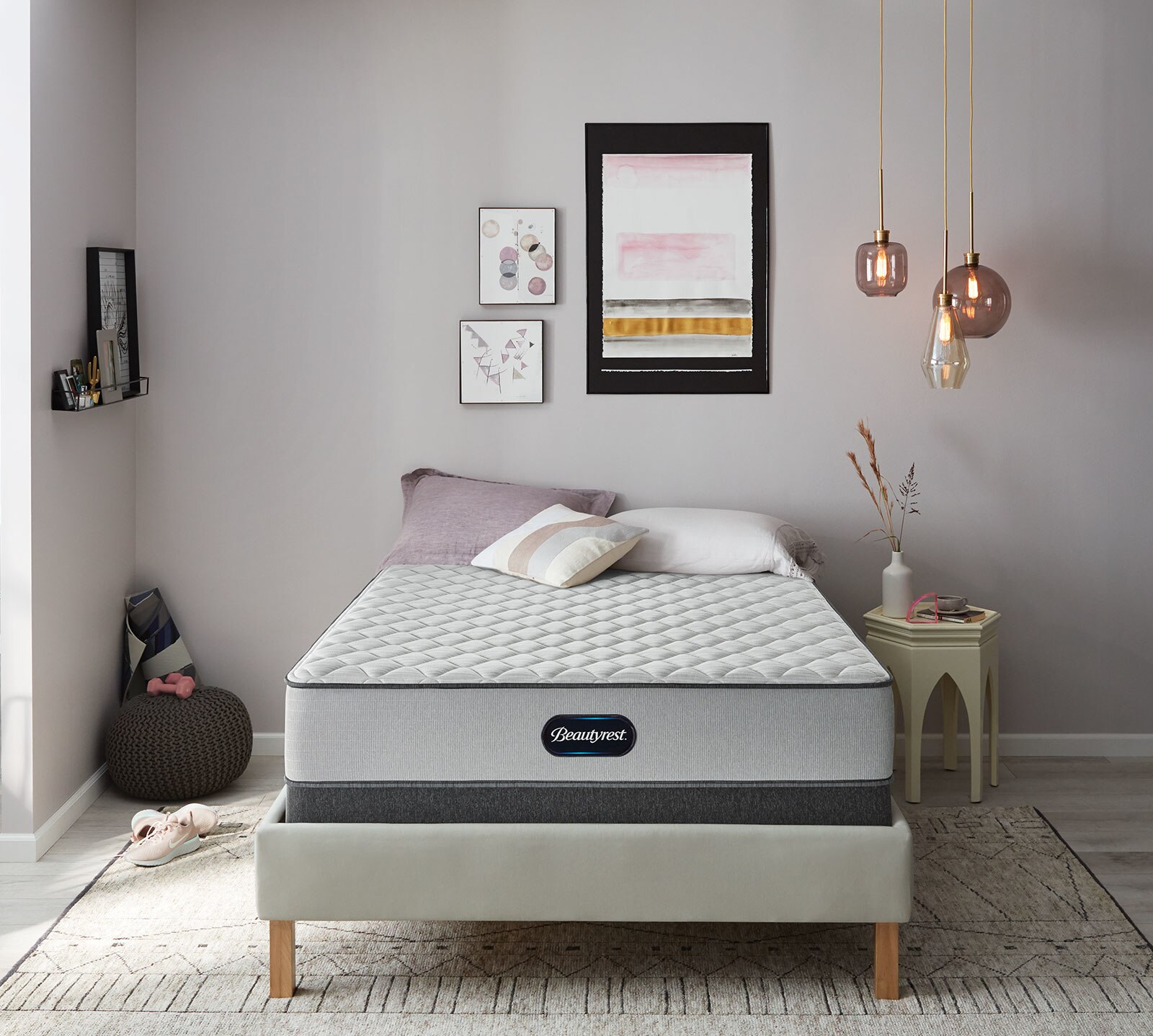
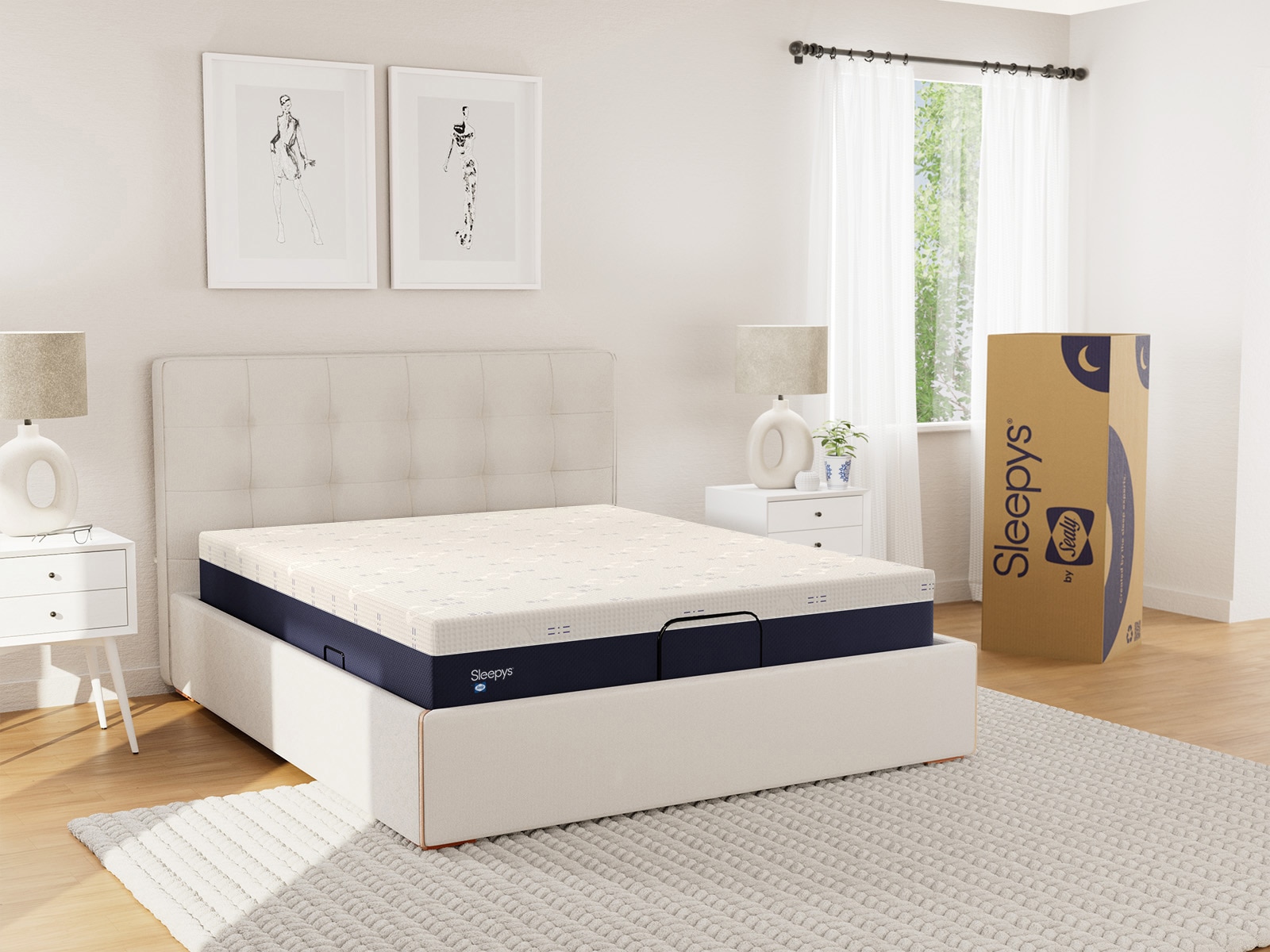
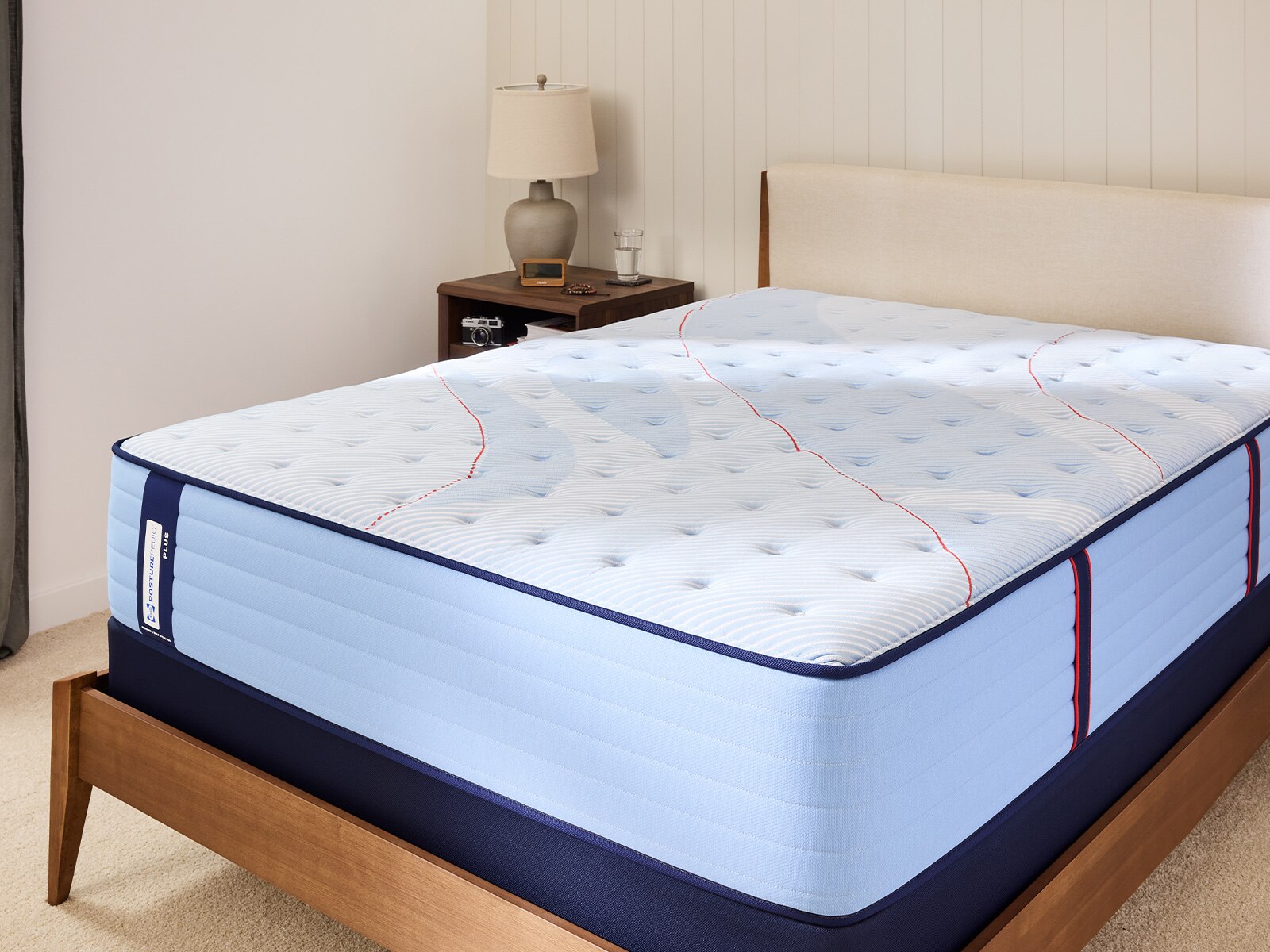
Mattresses for small spaces make it possible to create a comfortable place to sleep without letting the bed take over the room. Common space-conscious choices include twin and Twin XL mattresses, full mattresses for sleepers who need more width, low-profile designs and foldable mattresses that can be stored between uses. The best fit depends on both the sleeper and the space: a mattress needs enough length and width for comfortable movement, while its footprint should leave room for doors, drawers and everyday activities. A standard twin measures approximately 38 inches wide by 75 inches long, making it a practical starting point for a child’s bedroom, a compact guest room or an adult sleeping alone. A Twin XL typically measures 38 inches wide by 80 inches long, adding length without increasing the width. A full mattress is generally 54 inches wide by 75 inches long, providing more room to stretch out while taking up less floor space than a queen, which typically measures 60 inches wide by 80 inches long. Actual dimensions can vary slightly, so check measurements before choosing a frame or bedding. In a studio apartment, those extra inches may determine whether a desk chair can pull out or a closet door can open completely. Measure the entire bed setup rather than the mattress alone, since an upholstered frame, projecting footboard or wide headboard can add to its footprint. Painter’s tape on the floor can help make the layout easier to picture. Include the space needed to walk beside the bed and reach nearby storage, especially if underbed drawers will need to slide open. For a shared room, separate compact beds may work better than one larger mattress, depending on how the room is used. In a multipurpose room, keeping a clear route between the doorway and the rest of the furniture helps the sleeping area feel like part of the room rather than an obstacle.
Mattress height, materials and support matter just as much as width when furnishing a smaller bedroom. A low-profile mattress has a shorter overall height, but that description does not tell you whether it feels soft or firm. Its comfort depends on the construction, including the cushioning layers and the support beneath them. Foam mattresses can provide close contouring and limit the transfer of movement, while latex often has a more responsive feel that makes changing position easier. Innerspring and hybrid constructions use coils for support, with cushioning materials above them that influence pressure relief and surface feel. None of these materials is automatically the best choice for a small room; the right match depends on sleep position, body size, personal preference and the foundation underneath. Side sleepers often need cushioning around the shoulders and hips, while back and stomach sleepers generally need enough support to keep the midsection from sinking too deeply. A thinner mattress should still provide adequate cushioning and support for the person using it, particularly when it will serve as an everyday bed. For a taller adult in a narrow room, extra mattress length may be more valuable than a few additional inches of width. Someone who regularly sits on the side of the bed to put on shoes may also appreciate a supportive edge. Check the bed frame’s requirements, including slat spacing, center support and any mattress-height limits. Bunk beds, loft beds and trundles require particular attention to the frame manufacturer’s specifications; choosing a mattress that is too tall can interfere with guardrail clearance or prevent a trundle from closing properly. A compact mattress on a storage bed can preserve useful floor space, but the mattress and base still need to work together. Durable construction and a compatible foundation are more important than choosing the thinnest possible mattress simply to make the room look less crowded.
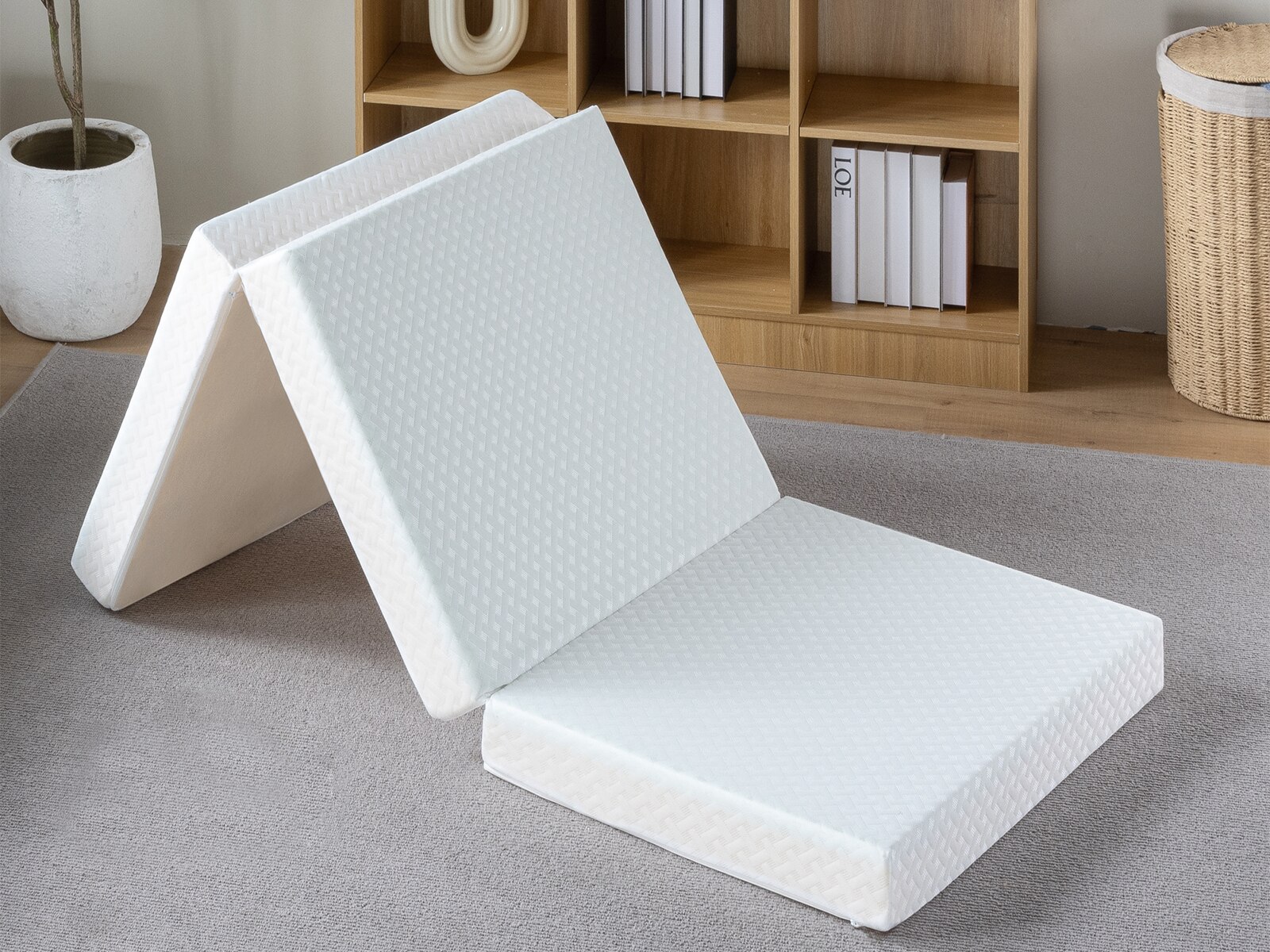
For rooms that need to change purpose,
Small Space Foldable Mattresses can make it easier to keep a guest sleep surface tucked away between visits. A home office may need open floor space during the day and a place for a visiting friend to sleep at night. A foldable design can suit that occasional use, provided its unfolded dimensions accommodate the sleeper and its folded dimensions fit the intended storage area. Check both measurements: a mattress that fits neatly on the floor may still be too bulky for a shallow closet shelf. Weight and handling matter, too, especially when the mattress needs to move between rooms or up a flight of stairs. Handles and a storage cover can be useful features, but the mattress should be moved only as directed by its manufacturer. A rollaway setup needs enough clearance for its folded frame, while a mattress used with a daybed or trundle needs to match that furniture’s size and height requirements. Only fold a mattress designed to fold; bending a conventional mattress for storage can damage its internal structure. Care also affects how well a compact sleep setup holds up over time. Follow the care label for cleaning, use a properly fitted mattress protector and make sure bedding does not interfere with folding or closing the frame. Some covers are removable and washable, while others require spot cleaning. Allow cleaned surfaces to dry fully before adding bedding or putting the mattress away. If a design is intended for floor use, follow its instructions for placement and ventilation rather than assuming it can remain directly on the floor indefinitely. Store it in a clean, dry location and avoid prolonged compression unless the manufacturer permits it. For an everyday bed, rotate the mattress only as recommended and check the foundation periodically for loose hardware or damaged slats. These details help a smaller sleep setup remain comfortable, practical and ready for its intended use.