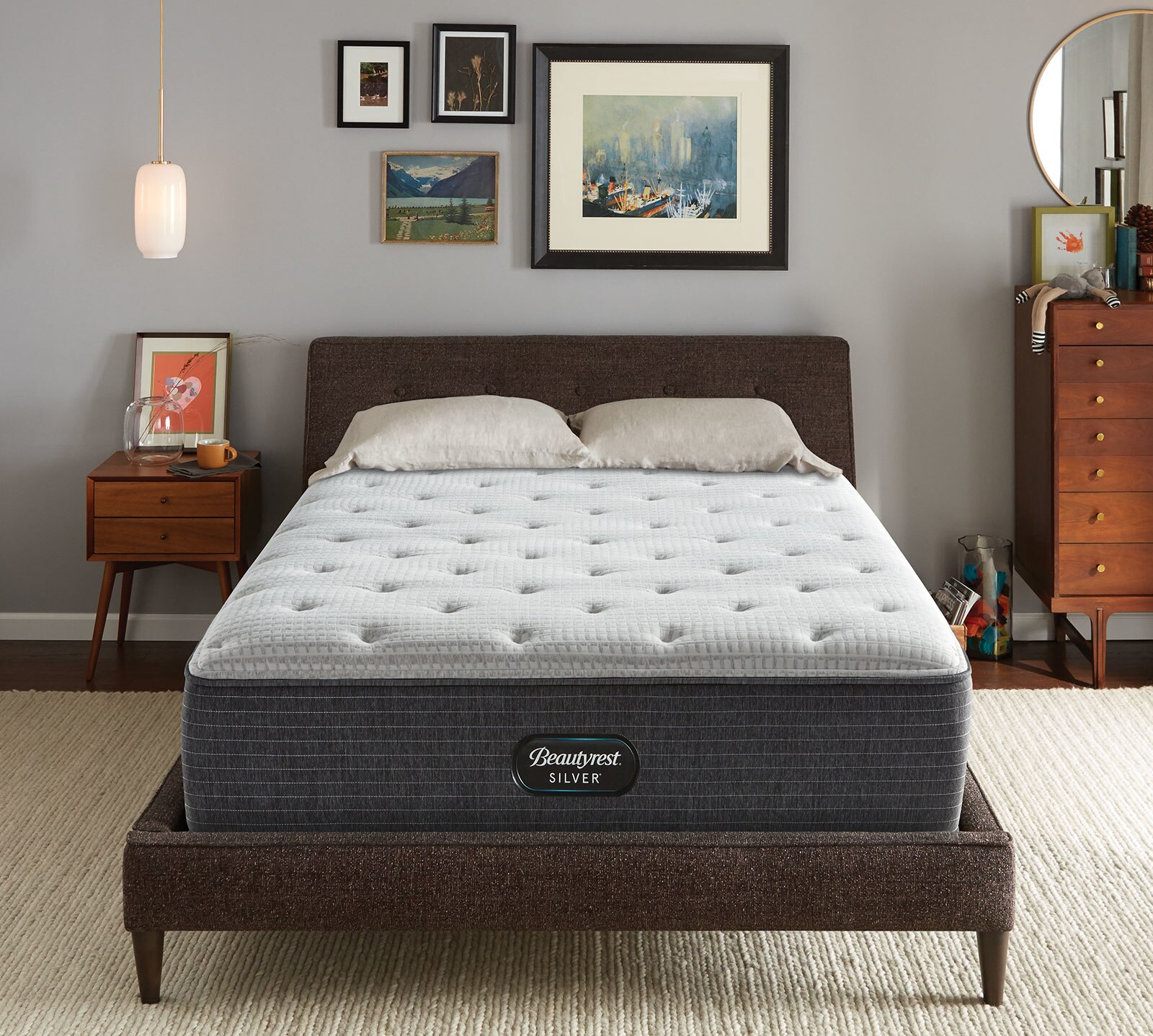
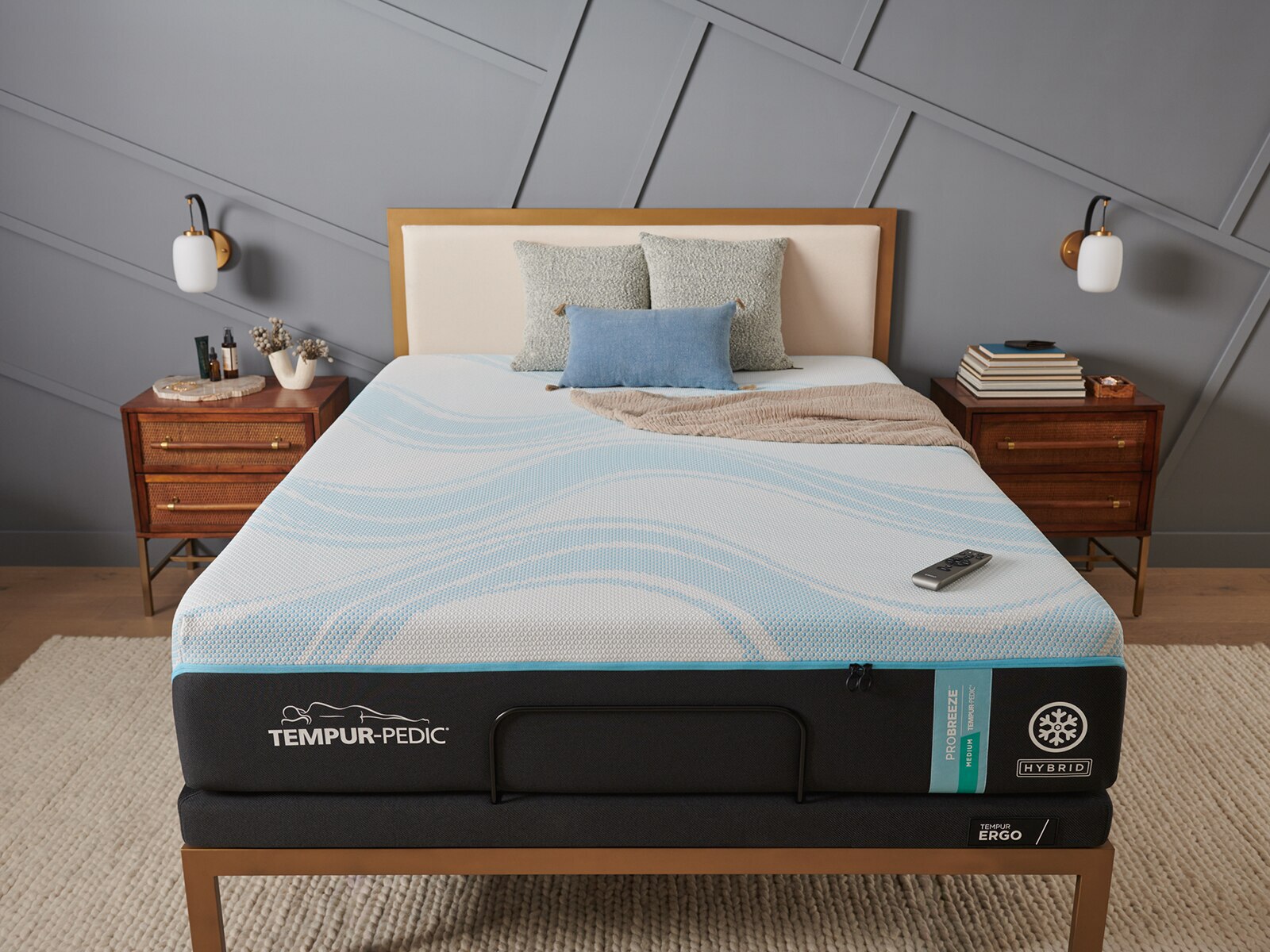
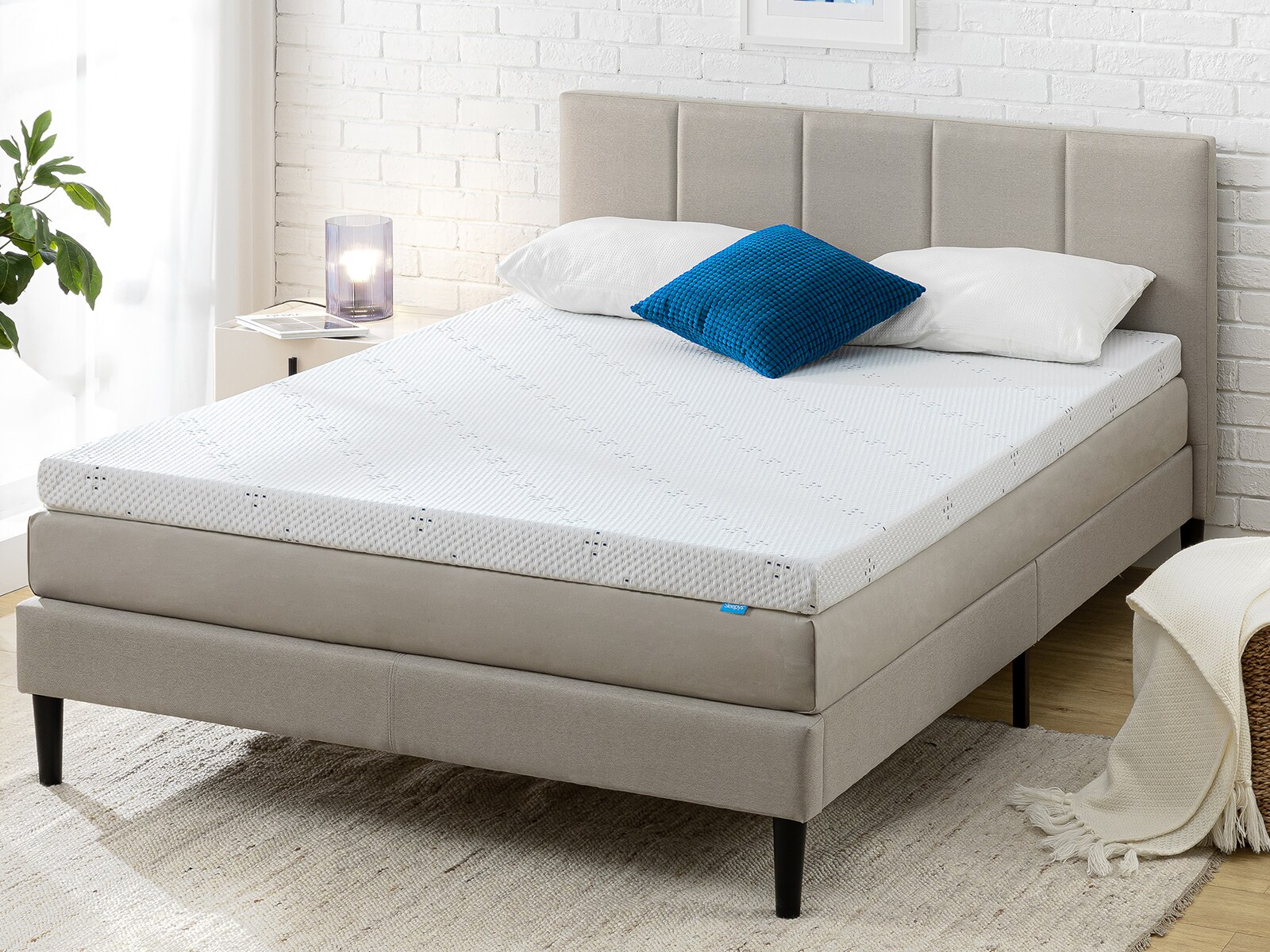
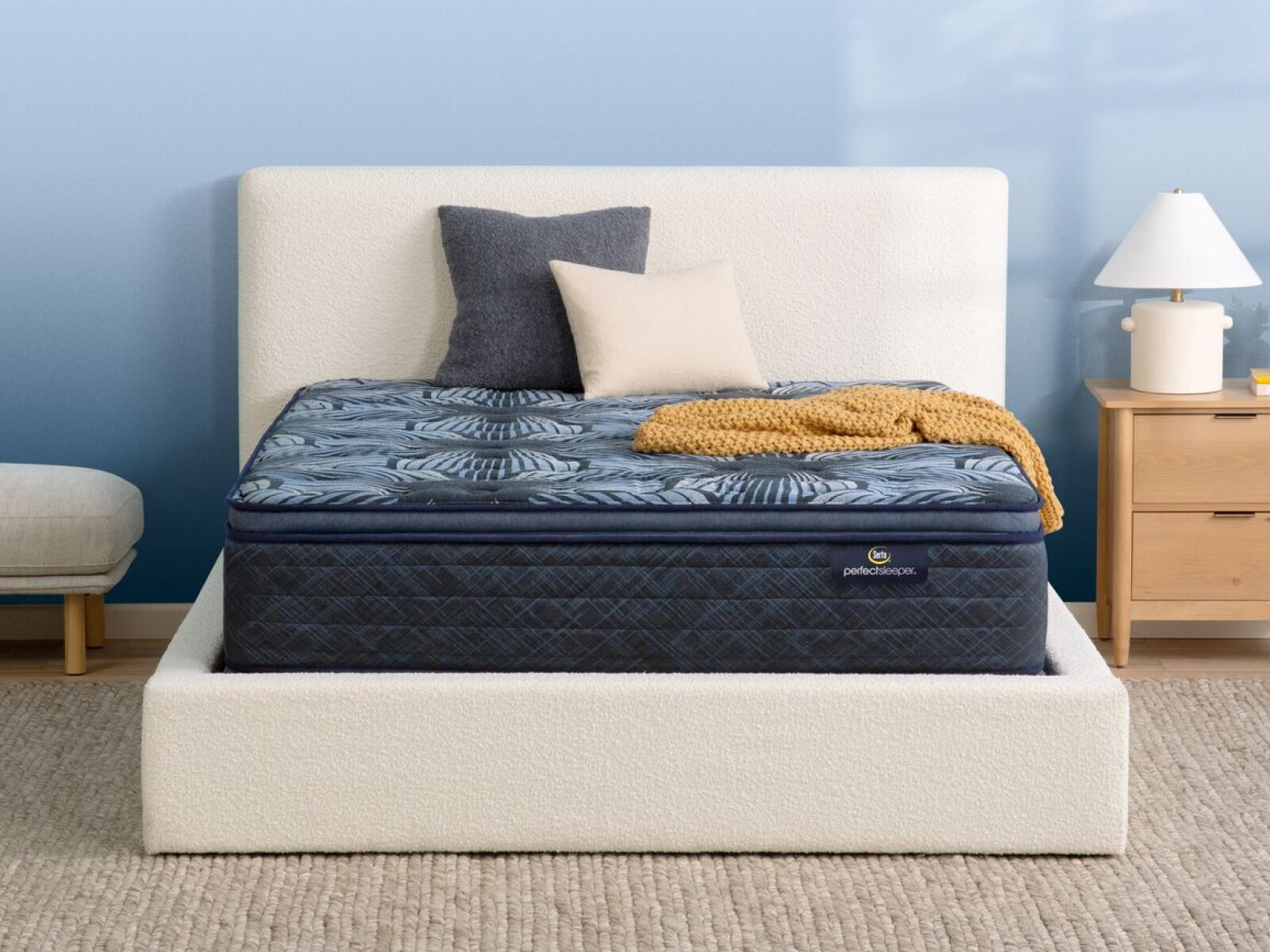
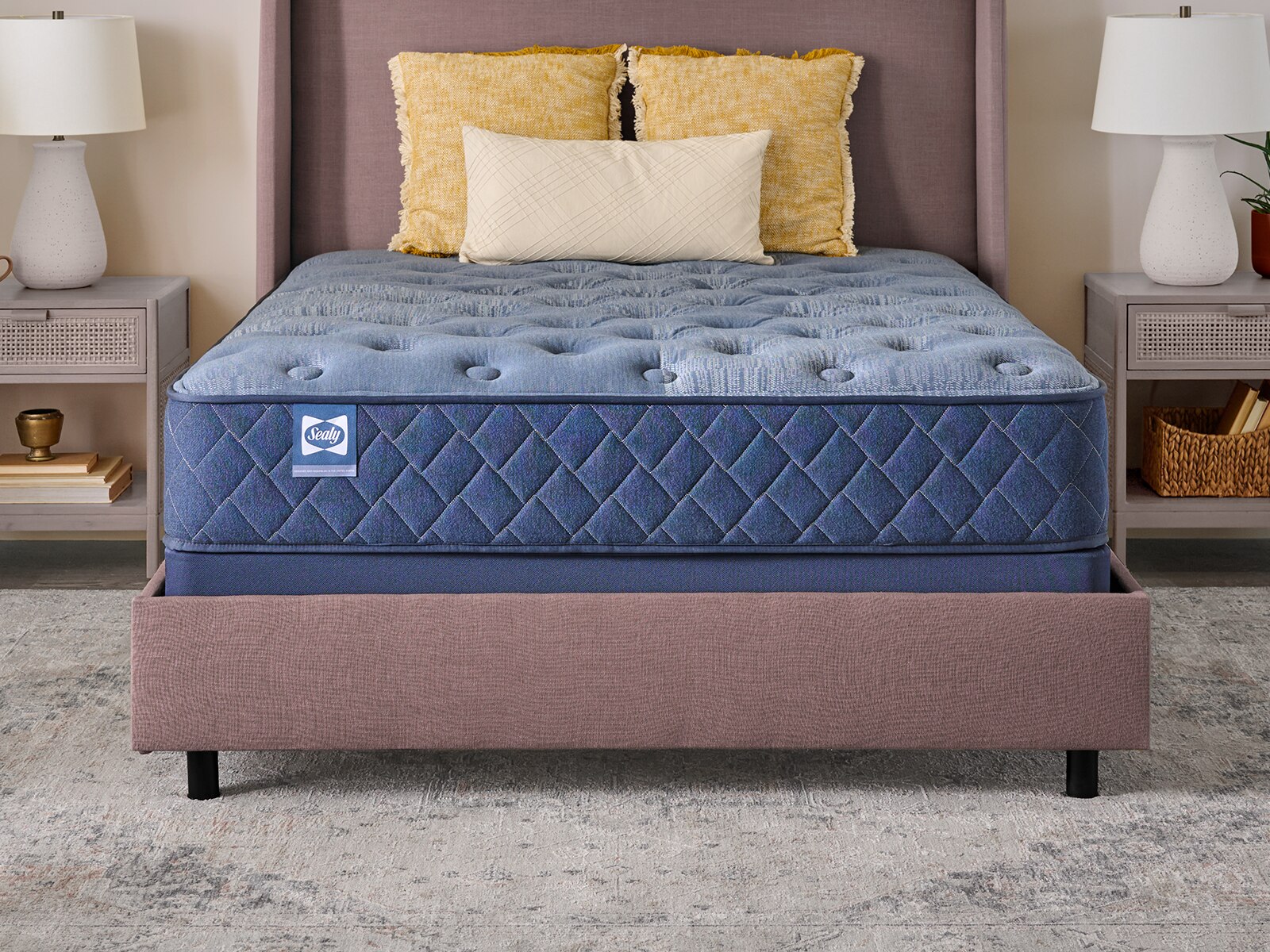
Moisture-wicking mattresses for hot sleepers are designed to help manage perspiration at the sleep surface, often through a fabric cover that moves moisture away from the body and spreads it across the material so it can evaporate more readily. That moisture movement is different from simply absorbing sweat: an absorbent fabric can hold liquid, while a well-designed wicking fabric helps distribute it rather than leaving it concentrated against the skin. For someone who wakes with a damp patch beneath their shoulders or feels clammy after settling into bed, the cover can be an important part of overall comfort. Moisture management and cooling are related, but they are not interchangeable. A cool-to-the-touch finish describes an initial sensation, while moisture-wicking performance concerns how the fabric handles perspiration over time. Neither feature alone guarantees a dry or cool night. Common cover materials include lyocell, polyester blends and other performance textiles, with results influenced by the yarn, knit, fabric construction and finishing treatment. Lyocell absorbs moisture, and some fabrics made with it are engineered to help move moisture through the cover. Polyester can also support wicking when its fibers and construction are designed for that purpose. Cotton absorbs moisture readily, although drying speed varies by fabric, and wool can absorb moisture vapor as part of a layered comfort system. Beneath the cover, breathable construction gives moisture somewhere to go. A hybrid mattress combines foam or other cushioning materials with coils, leaving space within the support core for air movement. Some foam mattresses use open-cell structures, channels or perforations to encourage airflow. Gel-infused foam may be intended to influence heat transfer, but the presence of gel does not establish moisture-wicking performance. The complete construction matters more than any single material name, especially because sheets, protectors and close-fitting covers sit between the sleeper and the mattress surface.
A mattress still needs to provide comfortable support, even when moisture control is a priority. Hot sleepers may prefer anything from a gently cushioned surface to a firmer, more responsive feel, depending on sleeping position, body shape and personal preference. Side sleepers often benefit from enough cushioning to accommodate the shoulders and hips without excessive sinking. Back sleepers typically need a balance of contouring and support, while stomach sleepers may find a firmer surface more comfortable around the midsection. These are starting points rather than fixed rules: the same mattress can feel noticeably firmer to one person and softer to another. Deep contouring can create a close, enveloping sensation, while a more responsive surface may make it easier to change positions. Neither feel automatically determines how well a mattress manages moisture, so cover construction and airflow remain separate considerations. For couples, motion isolation can help reduce the movement felt when one partner turns over, and usable edge support can make the perimeter more comfortable for sleeping or sitting. A moisture-wicking mattress can be especially appealing when one partner tends to perspire more than the other, but shared comfort still depends on finding a feel that works for both. Size also affects how much room each person has to settle in without crowding. For bedrooms with sufficient space,
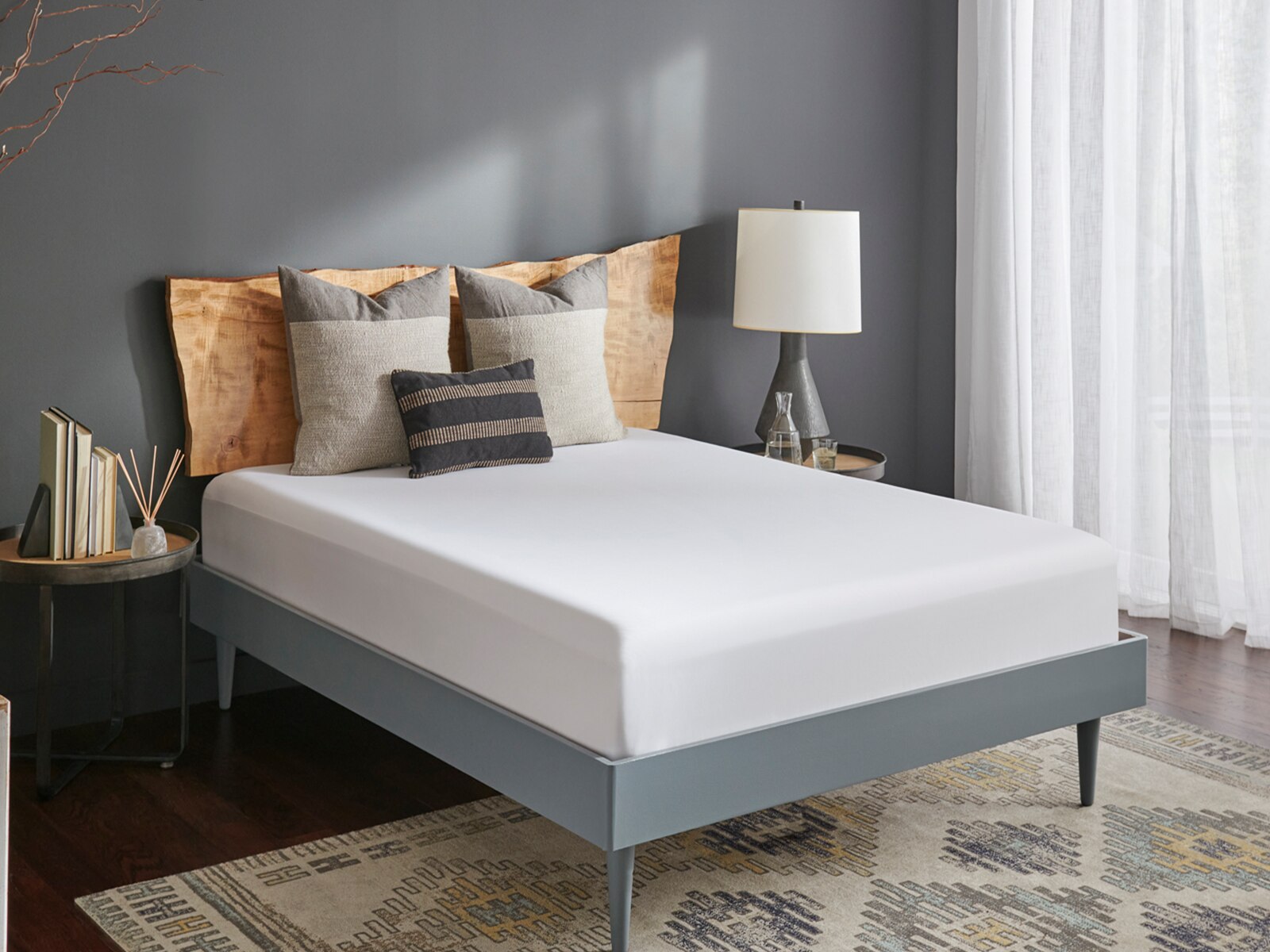
king moisture-wicking mattresses offer a wider sleep surface that can help partners maintain their preferred positions without pressing together. Room dimensions, walking space and the size of the existing foundation all matter when choosing a mattress size. Mattress height deserves attention too, since a thicker profile changes the overall bed height and may require deeper-pocket sheets. Compatibility with a platform, foundation or adjustable base should follow the mattress manufacturer’s requirements; a supportive setup helps the mattress perform as intended and avoids placing unnecessary strain on its materials.
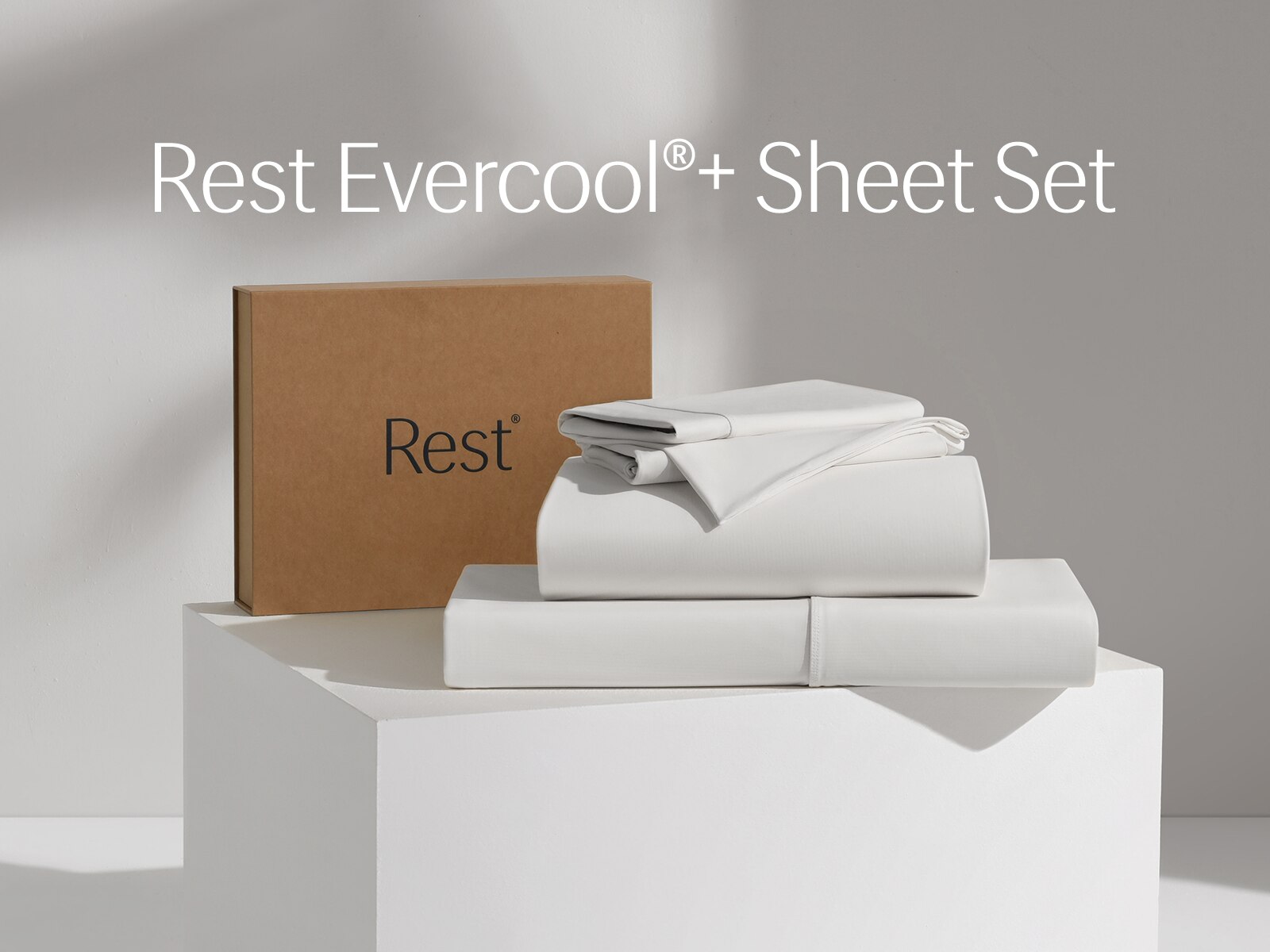
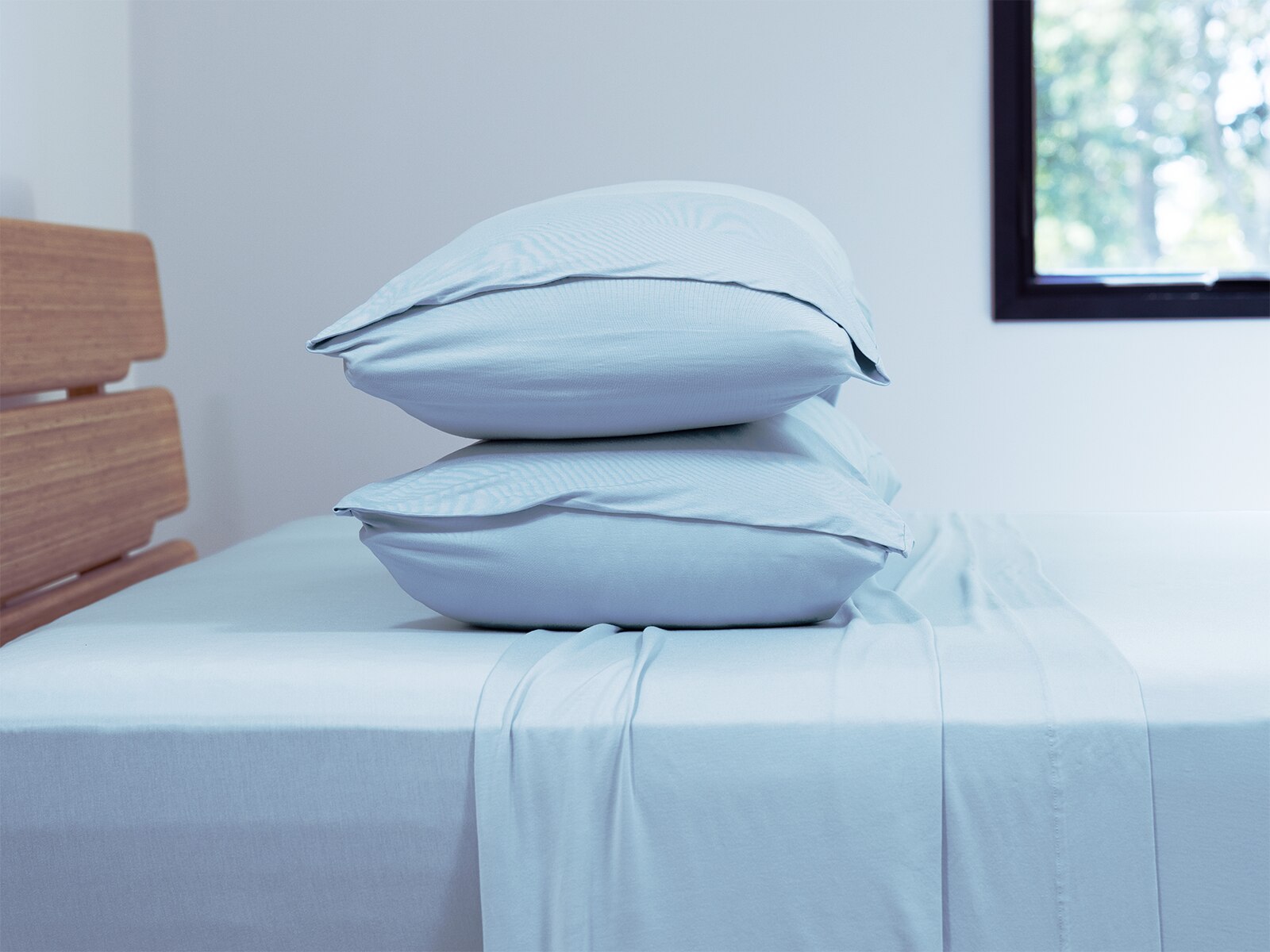
The bedding surrounding a moisture-wicking mattress can either support its intended function or make moisture harder to manage. Breathable sheets and a protector designed to allow moisture vapor to pass through can help preserve a more comfortable sleep surface. A thick topper, tightly woven cover or less breathable protective layer may change the feel and airflow of the mattress underneath. Waterproof protection can still be useful, particularly for everyday spills or a household with children, but waterproof materials vary in breathability and texture. A protector that feels smooth when dry may feel different after prolonged contact with perspiration, so fabric composition and care requirements deserve attention alongside its protective features. Sheets should fit securely without pulling so tightly that they flatten the cushioning at the surface. Keeping bedding clean also helps remove body oils and residue that can affect the feel of textiles over time. Mattress care depends on the construction: some covers are removable and washable, while others must remain in place and should only be spot-cleaned according to the care label. A zipper does not necessarily mean a cover is intended for removal. When spot-cleaning is permitted, use only the recommended method, avoid soaking the mattress and let the surface dry fully before replacing bedding. Strong cleaning products, unapproved fabric treatments or excessive heat may damage fibers, finishes or foam. Rotation should also follow the manufacturer’s directions, and a mattress should not be flipped unless it is designed for use on both sides. For durability, consider how the cover is stitched, how well the comfort layers recover after pressure and whether the base provides consistent support. Moisture-wicking fabric is a comfort feature, not a substitute for durable construction. These mattresses can suit a primary bedroom, a shared bed or a regularly used guest room where a breathable sleep surface is valued. The most useful combination is a moisture-managing cover, an appropriate support system and bedding that allows those features to work together without sacrificing the comfort needed for restful sleep.